What a 1500mm Wide Conveyor Belt Is
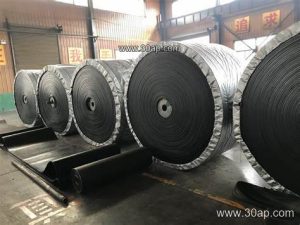
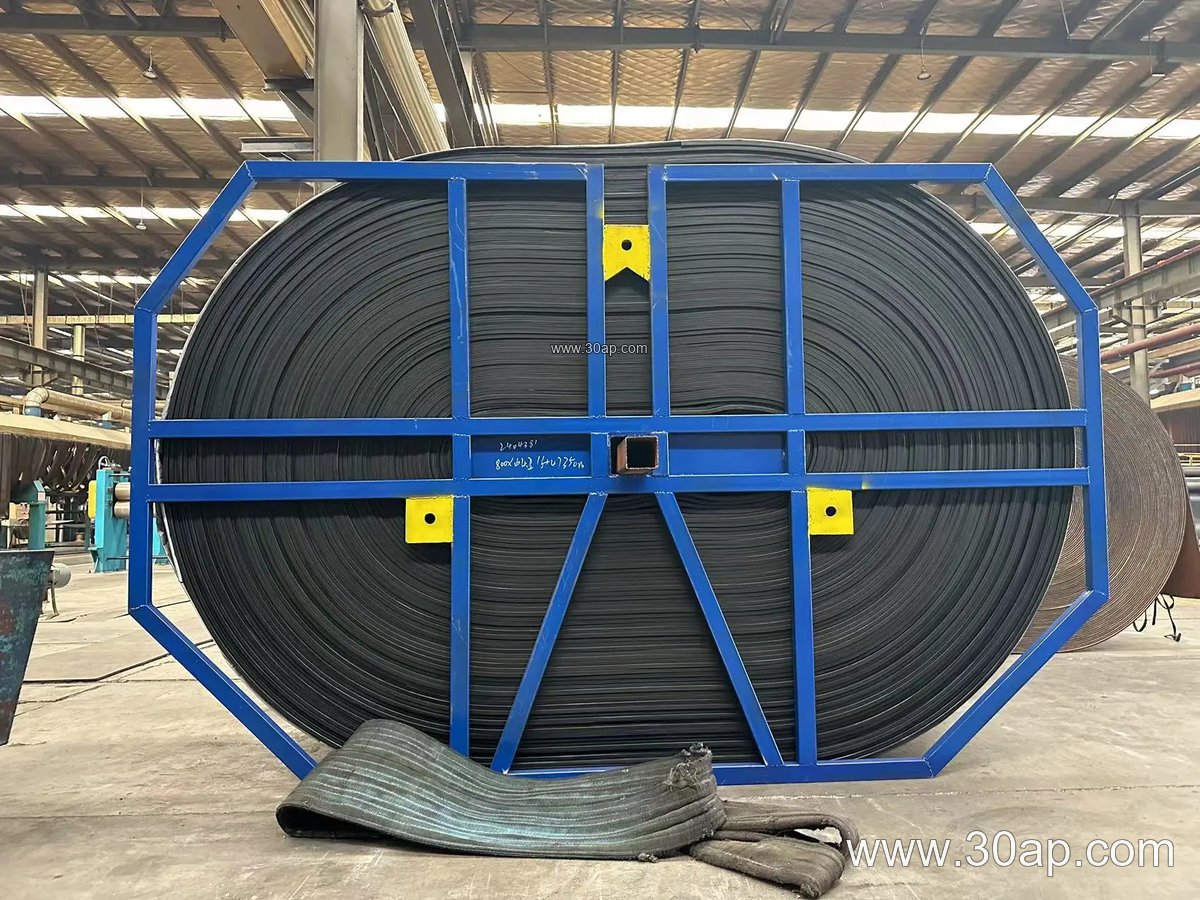
A 1500mm wide conveyor belt is a heavy-duty belt built to move large volumes of bulk material across long conveyor lines. At 1.5 meters across, it sits in the wider range of standard belt widths, above 1200mm and below 1600mm and 1800mm options. The extra width allows a thicker material bed and higher tons-per-hour throughput, which is why this size appears in mines, coal preparation plants, cement works, power stations, ports, and large sand and gravel yards. In buying and engineering documents the product is often written simply as a 1500mm wide conveyor belt, and the same item may appear as a 1500mm conveyor belt or a B1500 belt in a specification sheet.
How the Belt Is Built
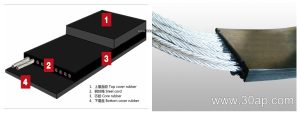
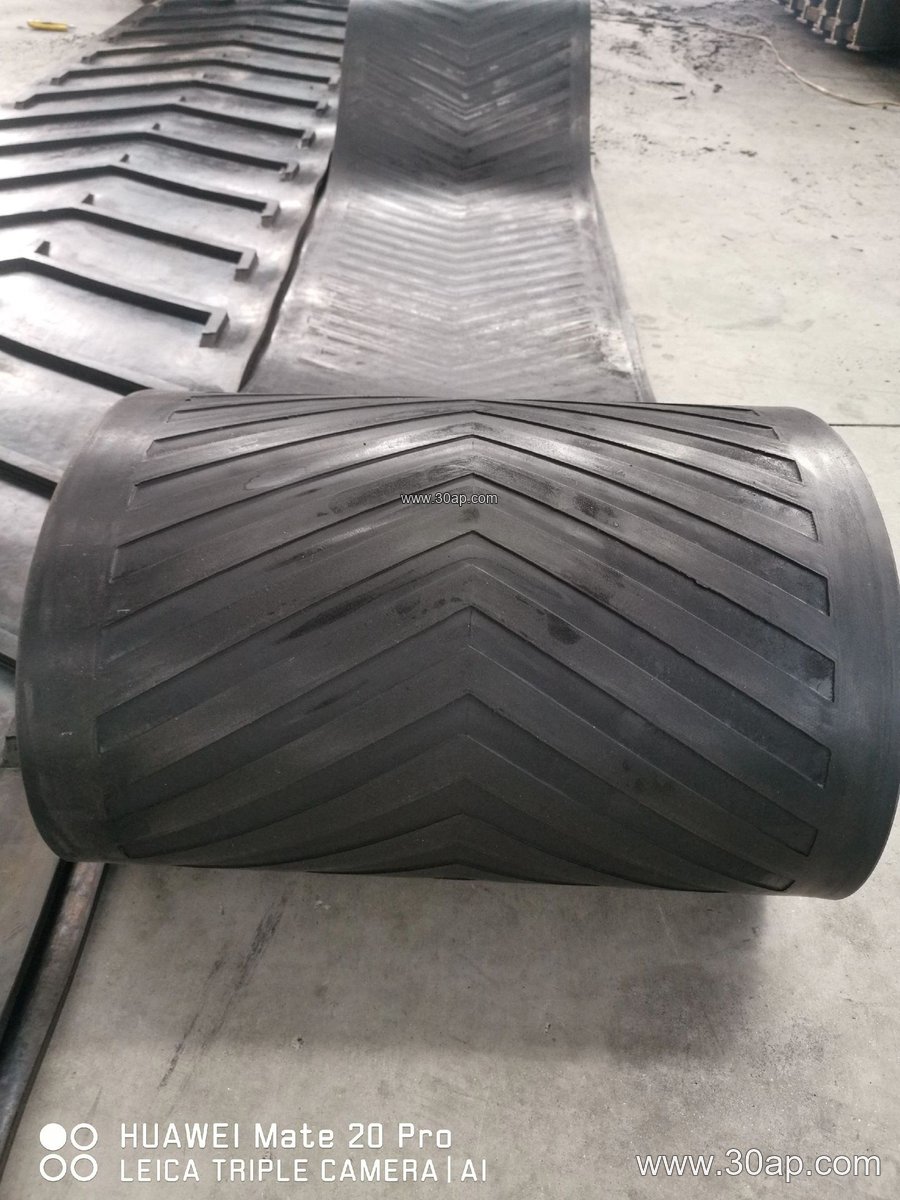
The construction depends on the carcass and the cover compound. A fabric core version, such as an EP conveyor belt or NN conveyor belt, uses multiple plies of polyester-nylon or nylon-nylon fabric. A steel cord conveyor belt uses parallel steel wires for very long, high-tension runs. Cover rubber is selected for the duty: abrasion resistant, heat resistant, oil resistant, flame retardant, anti-static, cold resistant, or acid and chemical resistant grades are all available. Surface forms include plain, chevron or patterned, skirted, and corrugated sidewall designs for inclined or confined routes.
Typical reference data for this width, to be confirmed against the actual design, looks like this:
- Common carcass types: EP, NN, steel cord, PVC, PVG
- Fabric ply count: usually 2 to 6 plies
- Cover thickness examples: 3+1.5, 4+2, 5+2, 6+2, 8+3 mm
- Strength grades seen in EP belts: EP200 up to EP2000; steel cord grades such as ST1000 to ST3150
These figures are reference values only. A 1500mm wide belt is not tied to one pulley diameter or one shaft size; the drive pulley, tail pulley, and bend pulley are sized from the belt tension, load, and conveyor layout, not from width alone.
Where It Fits in the Plant
This width suits main haulage lines rather than small transfer points. In an underground coal mining conveyor or a surface coal mining conveyor, a flame retardant and anti-static belt is often required. In a cement plant, heat resistant or abrasion resistant covers handle clinker and limestone. Iron ore, copper ore, and gold mining operations lean toward high strength and heavy-duty constructions, sometimes steel cord, to span long distances. Quarries and aggregate plants use 1500mm belts on primary crusher discharge and stockyard conveyors, where impact resistant covers help at loading points.
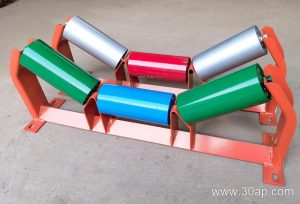
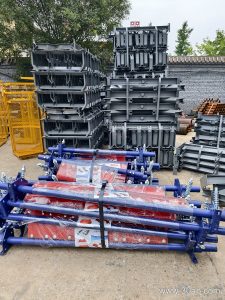
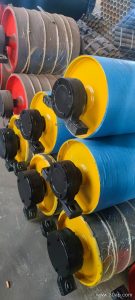
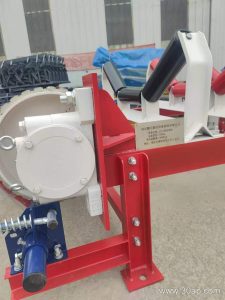
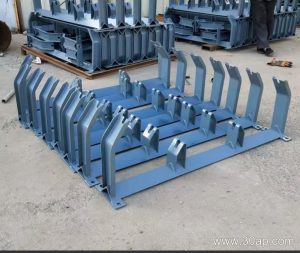
The belt does not work alone. Idler roller sets support the load, conveyor pulleys drive and redirect it, and conveyor brackets hold the frame together. A well-matched system keeps belt life predictable.
Selection Points for Buyers
Start with the material: lump size, temperature, moisture, oil content, and abrasiveness decide the cover grade. Then confirm the required tensile strength and ply count for the conveyor length and incline. For steep inclines, a chevron conveyor belt or corrugated sidewall belt in 1500mm width can prevent material rollback. Check the minimum pulley diameters recommended by the belt maker, and verify that the troughing idlers match the belt width and load.
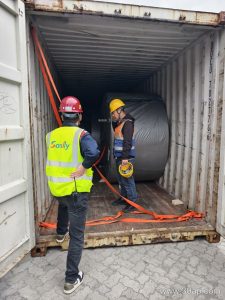
Ask for the full specification: carcass type, ply count, cover thickness, strength grade, and edge condition. An endless conveyor belt may be preferred for long, fixed installations to reduce splice joints. Finally, confirm the delivered width, since a nominal 1500mm belt can vary slightly by manufacturer.
Care and Maintenance
Track alignment, keep idlers turning freely, and check splices at regular intervals. Material buildup on pulleys and rollers is a common cause of edge damage on wide belts. Store spare belts flat and away from sunlight and ozone sources. With correct tension and a clean running line, a 1500mm wide conveyor belt can serve for many years in demanding bulk handling duty.