What a Heavy-Duty Steel Conveyor Bracket Does on a Belt Line
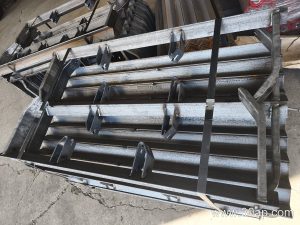
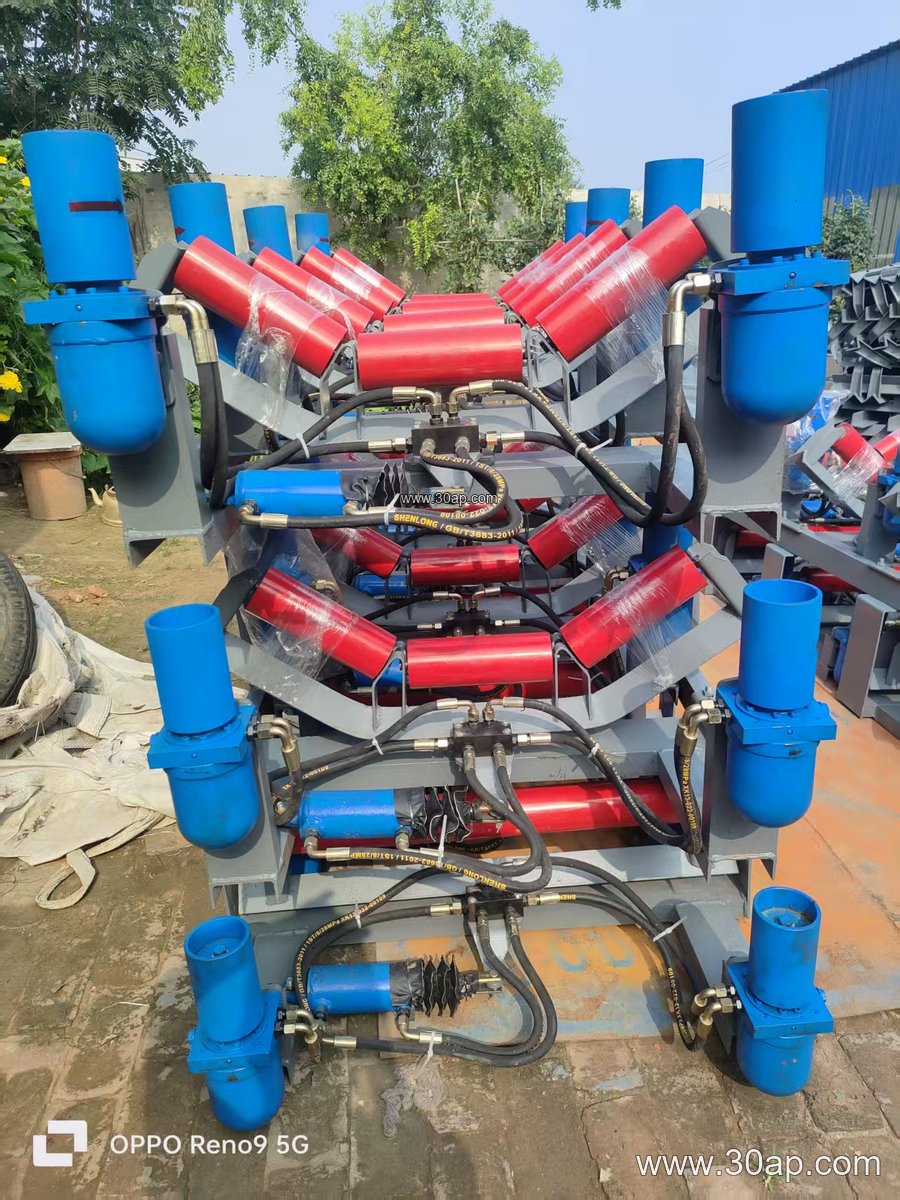
A Heavy-Duty Steel Conveyor Bracket is the structural support that carries the idler roller sets and holds the conveyor belt in its intended trough shape. In a quarry, a limestone mine, or a crushing and screening circuit, this heavy steel conveyor bracket is often the part that absorbs the shock of falling rock and the constant vibration of a loaded belt. It is not a wear item like the belt itself, but when it is undersized, the whole line begins to misalign, spill material, and shorten roller life.
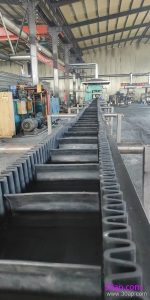
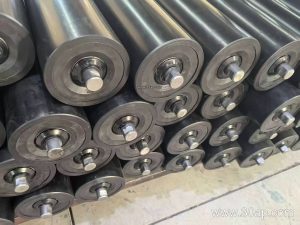
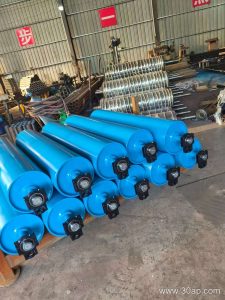
The bracket works together with the conveyor frame, the idler roller, and the belt. A properly stiff bracket keeps trough angles steady, so an abrasion resistant conveyor belt tracks without edge damage. On a long overland line, even a small flex in the support can show up as belt wander and uneven loading.
How the Bracket Is Built
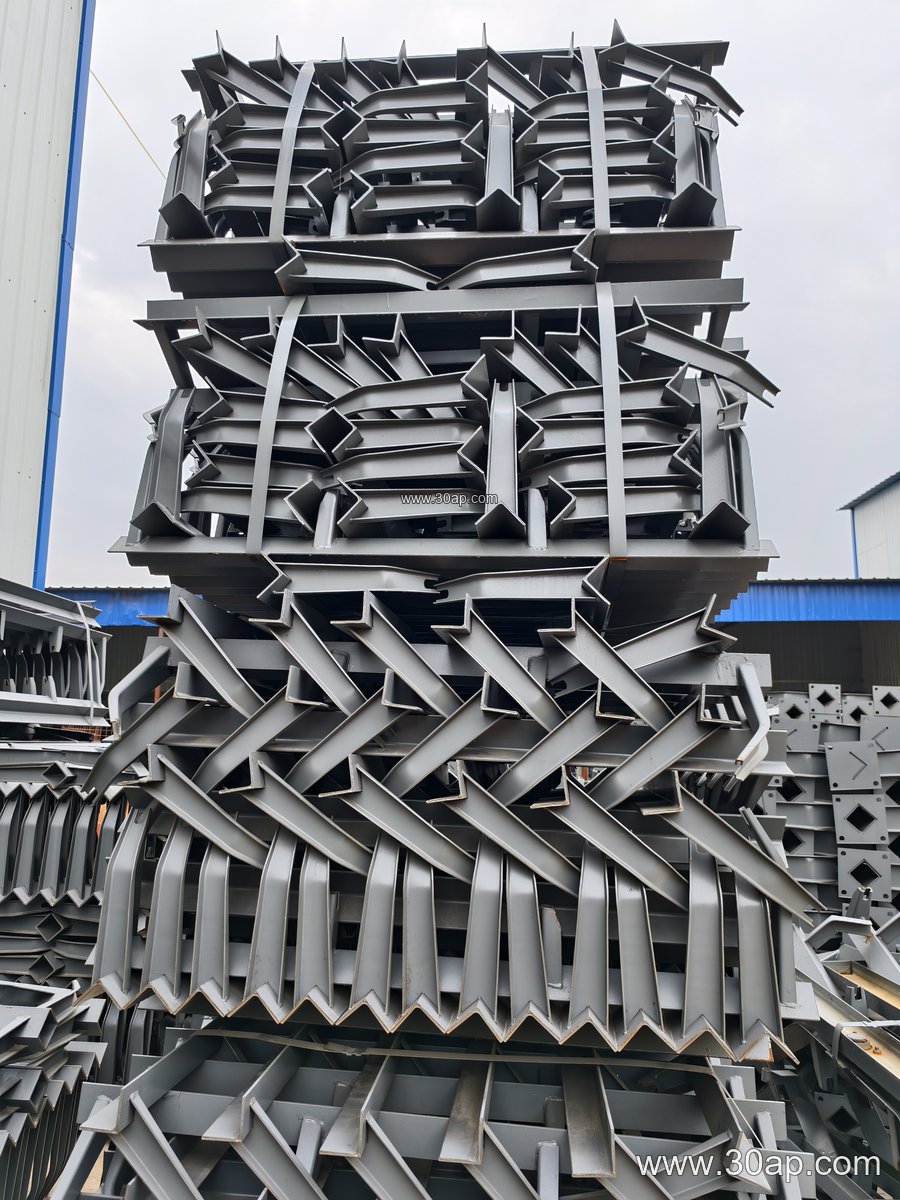
Most heavy-duty steel conveyor brackets are fabricated from angle steel, channel steel, or folded steel plate. Fabrication usually involves cutting, punching or drilling mounting holes, bending, and welding. The heavier the duty, the more likely the design uses channel or folded plate rather than light angle, because the bracket must resist bending between frame supports.
Key construction points a buyer should check include:
- Weld quality at the gusset and mounting pad joints
- Hole spacing matched to the idler roller frame and the conveyor stringer
- Galvanizing or paint system suited to wet, dusty, or corrosive surroundings
- Reinforcement where impact loads from a crusher discharge hit the belt
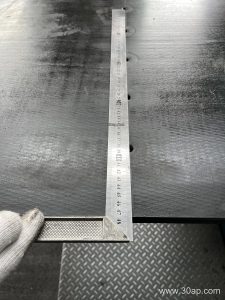
Mounting hole spacing and crossbeam length are not fixed values. They change with belt width, trough angle, and roller diameter, and should always be confirmed against the conveyor drawing.
Common Forms and Where They Sit
The heavy-duty steel conveyor bracket family covers several positions along the line. Troughing brackets support the carrying side and set the trough angle. Transition brackets ease the belt from flat to troughed near the tail pulley. Return brackets and V-return brackets support the empty side. Impact brackets sit under the loading point, while self-aligning brackets help correct belt drift.
Adjustable versions let maintenance crews change the trough angle between common settings such as 20, 30, 35, and 45 degrees. Forward-leaning designs, often around 1.5 to 2 degrees, are used to encourage belt centering. Fixed brackets are simpler and stiffer, and are common where the belt path and loading are stable.
| Bracket Form | Typical Position | Notes |
|---|---|---|
| Troughing bracket | Carrying side | Sets trough angle, supports idler roller set |
| Transition bracket | Near tail or head pulley | Gradual change from flat to troughed |
| Impact bracket | Under loading point | Extra stiffness for falling material |
| Return / V-return bracket | Return side | Supports empty belt run |
| Self-aligning bracket | Along the carry or return run | Helps control belt drift |
Matching Bracket, Belt Width, and Roller Diameter
Selection starts with belt width and the roller set that will sit in the bracket. Common belt widths include B500, B650, B800, B1000, B1200, B1400, B1600, B1800, B2000, B2200. Roller diameters often seen are Ø89, Ø108, Ø133, Ø159, and Ø194. A practical combination might be written as B800, 35 degrees, Ø108, or B1200, 45 degrees, Ø133, or B650, 30 degrees, Ø89. These are reference patterns, not fixed pairings; a given belt width can work with more than one trough angle and roller diameter depending on load and belt stiffness.
Heavier belts such as a steel cord conveyor belt or a thick EP conveyor belt need brackets with greater rigidity and closer frame spacing. On a coal mining conveyor belt or an underground mining conveyor belt, flame retardant conveyor belt and fire resistant conveyor belt grades are common, and the bracket design should allow easy roller replacement in confined spaces. In a cement plant or power plant coal handling system, dust and heat may call for galvanized or painted brackets and heat resistant conveyor belt where temperatures are high.
Buyer Checklist Before Ordering
Before placing an order, confirm the belt width, trough angle, roller diameter, and the mounting dimensions of the idler roller frame. Ask for the bracket drawing and check hole spacing against the conveyor stringer. State the environment, whether the line handles wet ore, abrasive aggregate, or corrosive fertilizer, so the finish and steel thickness suit the duty. For a port conveyor belt or ship loading line, consider corrosion protection and access for inspection. For a recycling conveyor belt or food grade conveyor belt application, check that coatings and finishes are appropriate.
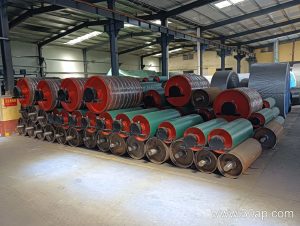
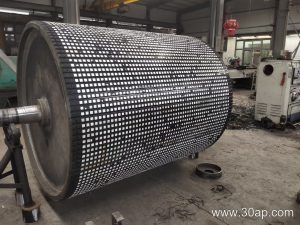
Finally, keep spare brackets for high-wear positions such as impact and transition zones. A small stock of brackets and idler roller sets reduces downtime when a weld cracks or a mounting hole elongates. For related components, see conveyor pulley and conveyor bracket options from the same supplier to keep dimensions consistent across the line.