What a 2400mm Conveyor Belt Is
A 2400mm conveyor belt is a wide-format belt built for conveyor systems that must move large volumes of bulk material in a single pass. In the trade it may be called a 2400mm wide belt, a 2.4m belt, or an extra-wide conveyor belt. It is not a separate belt family; it is a 2400mm Conveyor Belt produced in the fabric-core or steel-cord construction chosen for the duty. The width suits main haulage lines, stockyard conveyors, and transfer points where narrowing the belt would force higher belt speed or more parallel lines.
Buyers often reach this width in mining, coal preparation, cement plants, power stations, and large sand and gravel yards. A 2400mm Conveyor Belt is also seen in port loading systems and heavy industrial plants where a wide, stable carrying surface matters.
Construction and Common Specifications
The belt body combines a carcass, cover rubber, and edge protection. Carcass options for a wide belt usually include multi-ply fabric, such as EP or NN, and steel cord where tensile demand is high. Cover grade is selected by the cargo: abrasion resistant for rock and ore, heat resistant near clinker or sinter, oil resistant for oily feedstock, flame retardant for coal and underground work, and anti-static where charged dust is a concern.
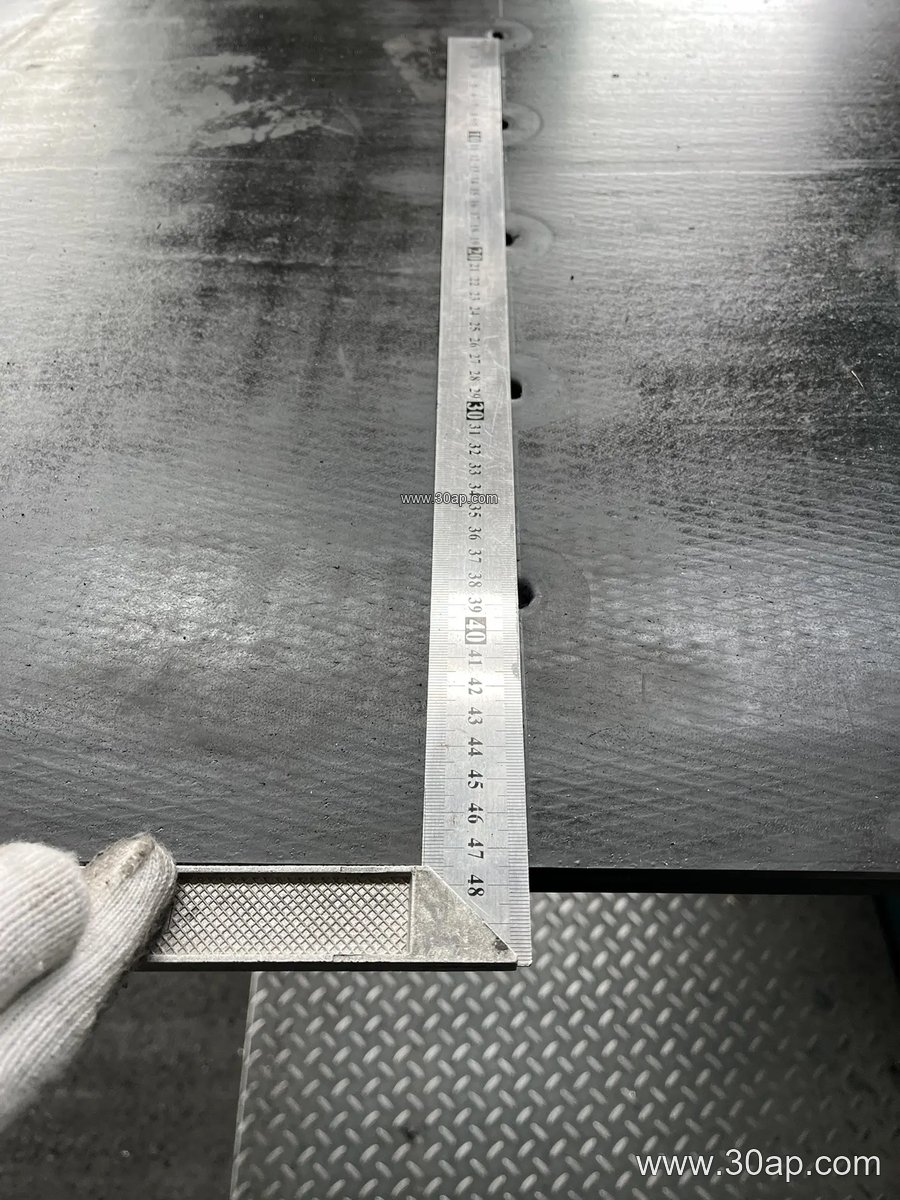
| Item | Typical Range or Example | Note |
|---|---|---|
| Belt width | 2400 mm | Confirm actual ordered width |
| Carcass type | EP, NN, steel cord | Selected by tension and impact |
| Fabric plies | 2 to 6 plies | Common practice, design dependent |
| Strength class | EP200 to EP2000; ST1000 to ST3150 | Reference values only |
| Cover thickness | 4+2, 5+2, 6+2, 8+3 mm | Top + bottom cover |
| Surface form | Plain, chevron, corrugated sidewall, skirted | Match to incline and spill control |
These figures are reference data, not a fixed supply promise. A 2400mm Conveyor Belt can be supplied as an endless belt for fixed drives or as an open-length belt joined on site. Wide belts are heavy, so splicing method and edge quality deserve attention during ordering.
Where Wide Belts Fit in the Plant
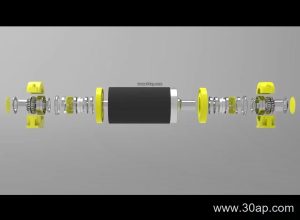
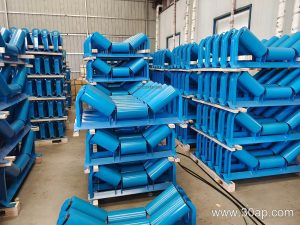
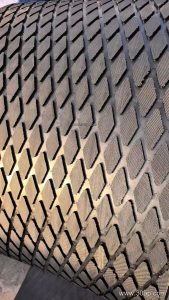
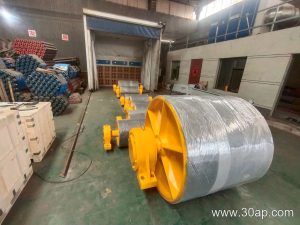
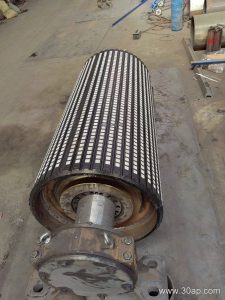
In a mine or quarry, a 2400mm Conveyor Belt often runs on the main line from the crusher to the stockpile. The same width may appear in a cement plant moving limestone or clinker, in a power plant handling coal, and in a steel plant carrying sinter or pellets. A heavy-duty mining conveyor belt at this width needs a frame that is square and rigid; conveyor pulleys must be sized by the drive designer, not guessed from belt width alone. Idler roller spacing, trough angle, and transition distance all influence how a wide belt tracks.
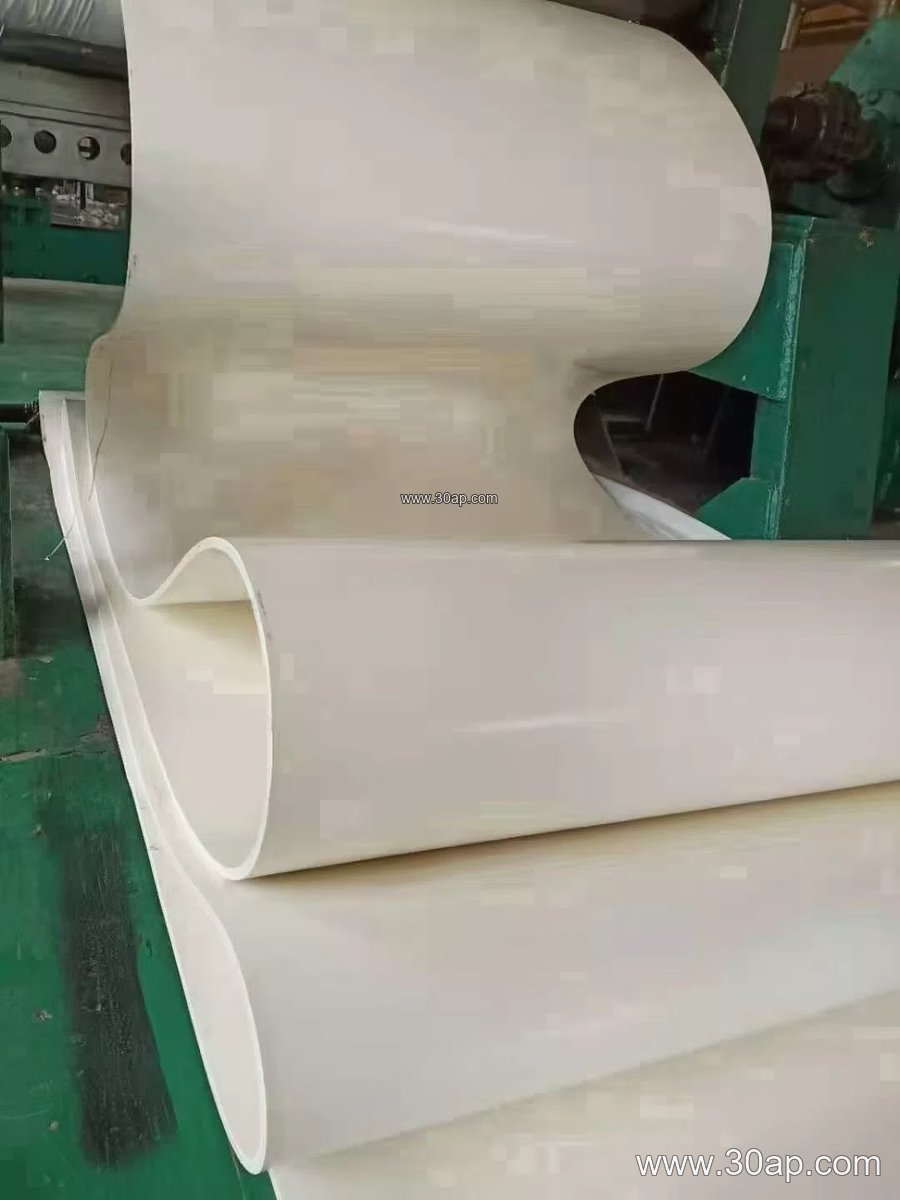
Where space is tight or the route curves, a pipe conveyor belt or a narrower line may be a better comparison, but those are different concepts and do not replace a flat 2400mm belt on a straight main haul. For inclined sections, a chevron conveyor belt or a corrugated sidewall conveyor belt can help hold material, provided the belt is ordered in the correct width and grade.
Selection Points for Buyers
- State the material, lump size, bulk density, and tonnage per hour so the belt class and cover grade can be matched.
- Confirm the actual pulley face width, take-up travel, and available space before fixing 2400 mm as the belt width.
- Choose cover thickness and rubber grade for abrasion, heat, oil, or flame risk; a single grade rarely covers every condition.
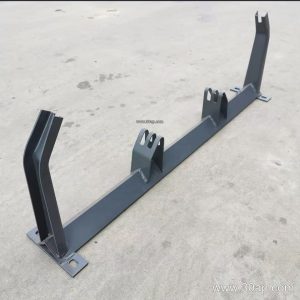
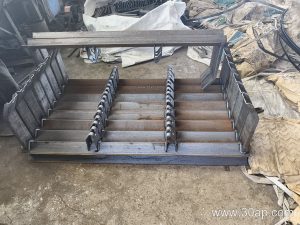
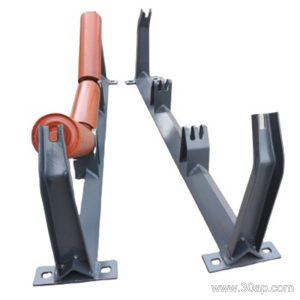
- Check that conveyor brackets, idler roller frames, and conveyor pulley assemblies suit the load of a wide, heavy belt.
- Ask about splice type, edge condition, and delivery form, since these affect installation time and belt life.
For a replacement belt, keep the original specification record and compare strength class, ply count, and cover thickness. A 2400mm Conveyor Belt from one supplier may differ from another in carcass design even when the width matches. Request a dimensional and grade confirmation in writing.
Maintenance and Safe Operation
Wide belts reward careful alignment. Inspect pulley lagging, idler roller rotation, and skirt rubber regularly; a seized roller or worn skirt can damage a 2400mm belt edge quickly. Keep the belt cleaner adjusted and watch for cover wear at loading points, where impact is highest. Store spare belt rolls flat and dry, and follow the maker’s splicing instructions when joining an open-length belt.
For more on belts, rollers, and pulleys, visit conveyorbeltpulley.com and check related equipment pages before ordering a 2400mm Conveyor Belt for your mining, cement, or power plant project.