What a Building Materials Conveyor Pulley Does
In a quarry, limestone mine, or cement clinker line, the building materials conveyor pulley is the drum that transfers motion and tension to the belt. It is not a passive wheel; it is a engineered component that must withstand abrasive dust, shock loading, and continuous operation. The pulley works together with the conveyor belt, idler roller, and conveyor bracket to keep material moving from crusher to stockpile or from silo to truck loadout.
While the drive pulley pulls the belt, the tail pulley maintains tracking at the loading point. A bend pulley changes belt direction without driving. These subtypes are not interchangeable: a drive pulley needs lagging for grip, a tail pulley often runs plain, and a bend pulley is sized for wrap angle rather than torque transmission.
Construction and Surface Options
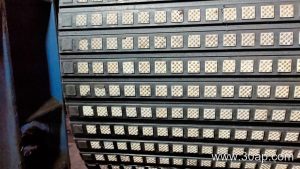
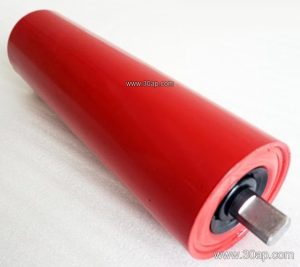
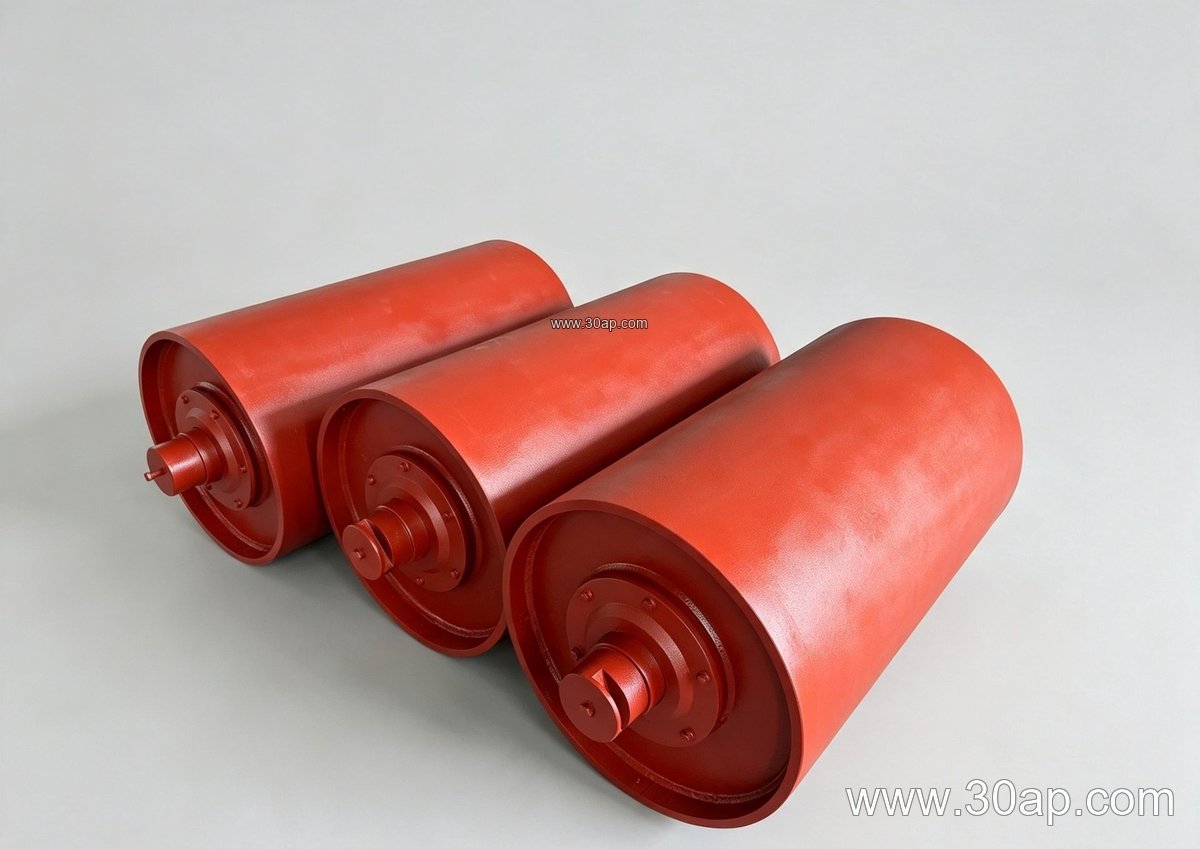
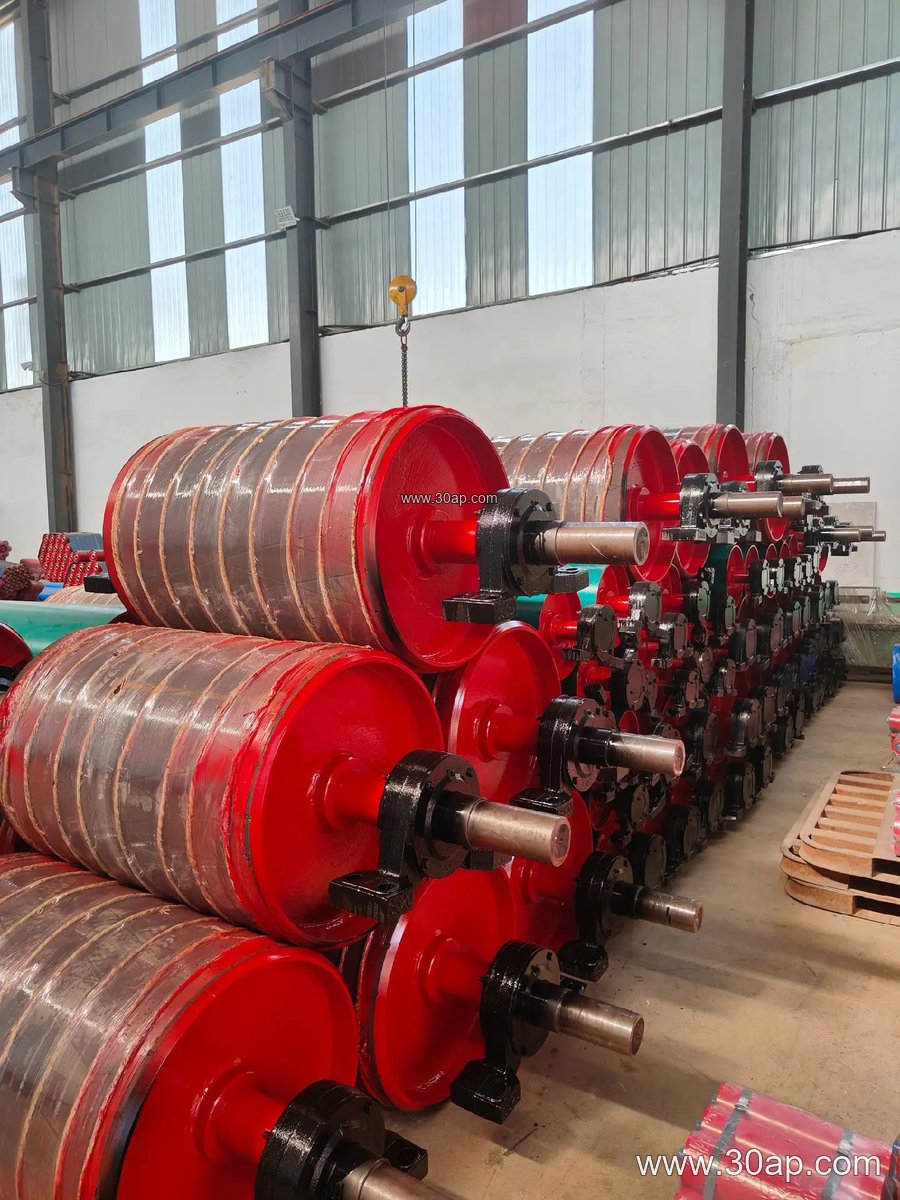
A typical building materials conveyor pulley uses a welded steel shell, a shaft sized by torque and load rather than belt width alone, and bearing housings mounted on a sturdy frame. The shell surface can be plain, cast rubber, cold-bonded rubber, hot-vulcanized rubber, diamond lagging, herringbone lagging, or ceramic lagging. Lagging thickness commonly ranges from 8 mm to 20 mm depending on grip and wear requirements.
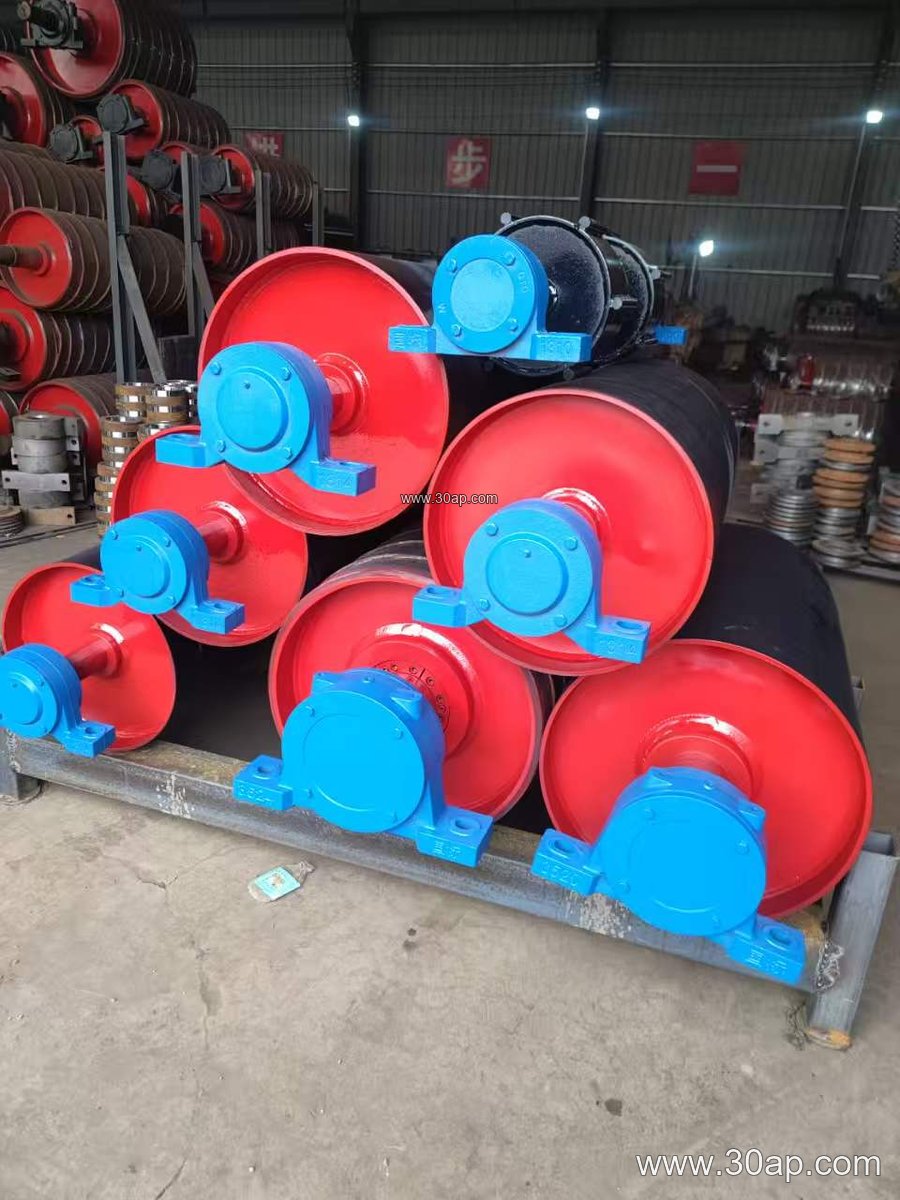
For abrasive limestone or aggregate, diamond or ceramic lagging helps shed fines and maintain friction. In a coal preparation plant or power plant coal yard, flame retardant and anti-static properties of the belt are critical, and the pulley lagging should be selected to avoid spark risk. The pulley face width is usually slightly wider than the belt: for example, a B800 belt often pairs with a 950 mm face, and a B1200 belt with a 1400 mm face. These are common references, not fixed rules.
Where It Fits in the Plant
Building materials conveyor pulleys appear at the head end of a crusher discharge conveyor, at the tail end under a stockpile, and at tension take-up positions on long overland lines. In a sand and gravel plant, a drive pulley with diamond lagging may power a 1200 mm wide belt carrying washed stone. In a cement plant, a bend pulley redirects a heat resistant conveyor belt away from a kiln discharge zone. In a port bulk terminal, a large head pulley with ceramic lagging handles high-tonnage ship loading.
The pulley must match the belt type. A steel cord conveyor belt requires a larger diameter pulley to reduce bending stress than a multi-ply fabric core belt. An EP conveyor belt or NN conveyor belt may run on a smaller diameter for the same width. A pipe conveyor belt or corrugated sidewall belt may need special pulley geometry, but those are separate belt designs and do not change the pulley’s core function.
Key Parameters for Buyers
When specifying a building materials conveyor pulley, consider belt width, pulley diameter, shaft diameter, lagging type, and bearing arrangement. The table below shows common reference combinations, not mandatory pairings.
| Belt Width (mm) | Common Pulley Face (mm) | Typical Diameter Range (mm) | Common Shaft Diameter (mm) |
|---|---|---|---|
| B400 | 500 | 200–315 | 50–70 |
| B650 | 750 | 315–500 | 60–90 |
| B800 | 950 | 400–630 | 70–100 |
| B1000 | 1150 | 500–800 | 80–120 |
| B1200 | 1400 | 630–1000 | 90–140 |
| B1400 | 1600 | 800–1250 | 100–160 |
| B1600 | 1800 | 1000–1400 | 120–180 |
Shaft diameter is determined by torque and load, not by belt width alone. A B1200 pulley might use a Ø1000 mm diameter with a Ø120 mm shaft in one application and a different combination elsewhere. Always confirm with the conveyor designer.
Selection and Maintenance Notes
Check that the pulley diameter is compatible with the belt’s minimum bend radius. For a heavy-duty mining conveyor belt or a high abrasion resistant conveyor belt, a larger diameter reduces flex fatigue. Keep lagging clean; material buildup on a drive pulley can cause belt slippage and misalignment. Inspect bearing seals for dust ingress, especially in stone crushing or recycling environments.
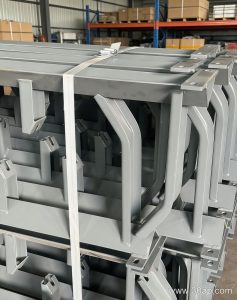
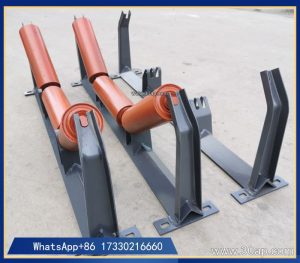
Remember that a drive pulley, tail pulley, and bend pulley each have distinct roles. Do not substitute one for another without reviewing wrap angle, tension, and lagging requirements. For a reliable circuit, pair the pulley with correctly sized idler rollers and conveyor brackets, and ensure the belt—whether EP, NN, or steel cord—is suited to the material and environment.