What a Ceramic Rubber Lagged Pulley Is
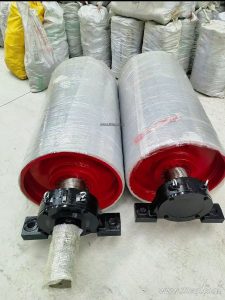
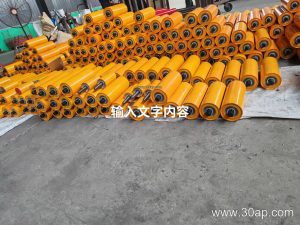
A ceramic rubber lagged pulley is a conveyor pulley whose shell is covered with a rubber layer embedded with ceramic tiles. The rubber provides flexibility and grip, while the ceramic pieces sit slightly proud of the rubber surface and take the abrasion that would otherwise wear the shell. In a quarry, a coal preparation plant or a cement clinker line, this combination helps a conveyor pulley keep driving a conveyor belt without frequent lagging replacement.
The same product is also called a ceramic lagged conveyor pulley or ceramic lagging pulley. It belongs to the drum group, not to the idler roller family, and it is specified by shell diameter, face width, shaft diameter and lagging pattern.
How the Lagging Is Built
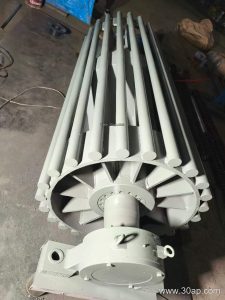
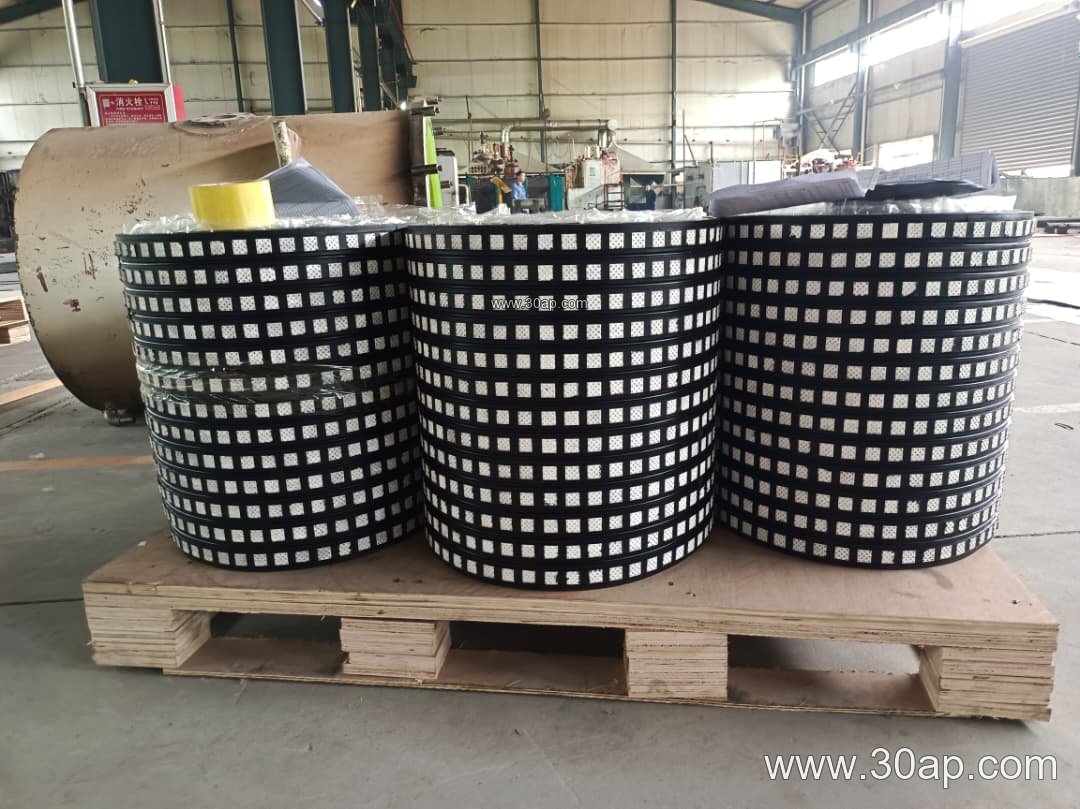
The pulley body is usually a welded steel drum with end discs and a shaft, machined at the face and balanced before covering. Ceramic tiles are bonded into a rubber compound that is then applied to the shell, most often by hot vulcanization so the rubber cures onto the prepared surface. Tile shape, spacing and depth vary; diamond or rectangular tiles are common, and some designs leave small channels for water and fines to escape.
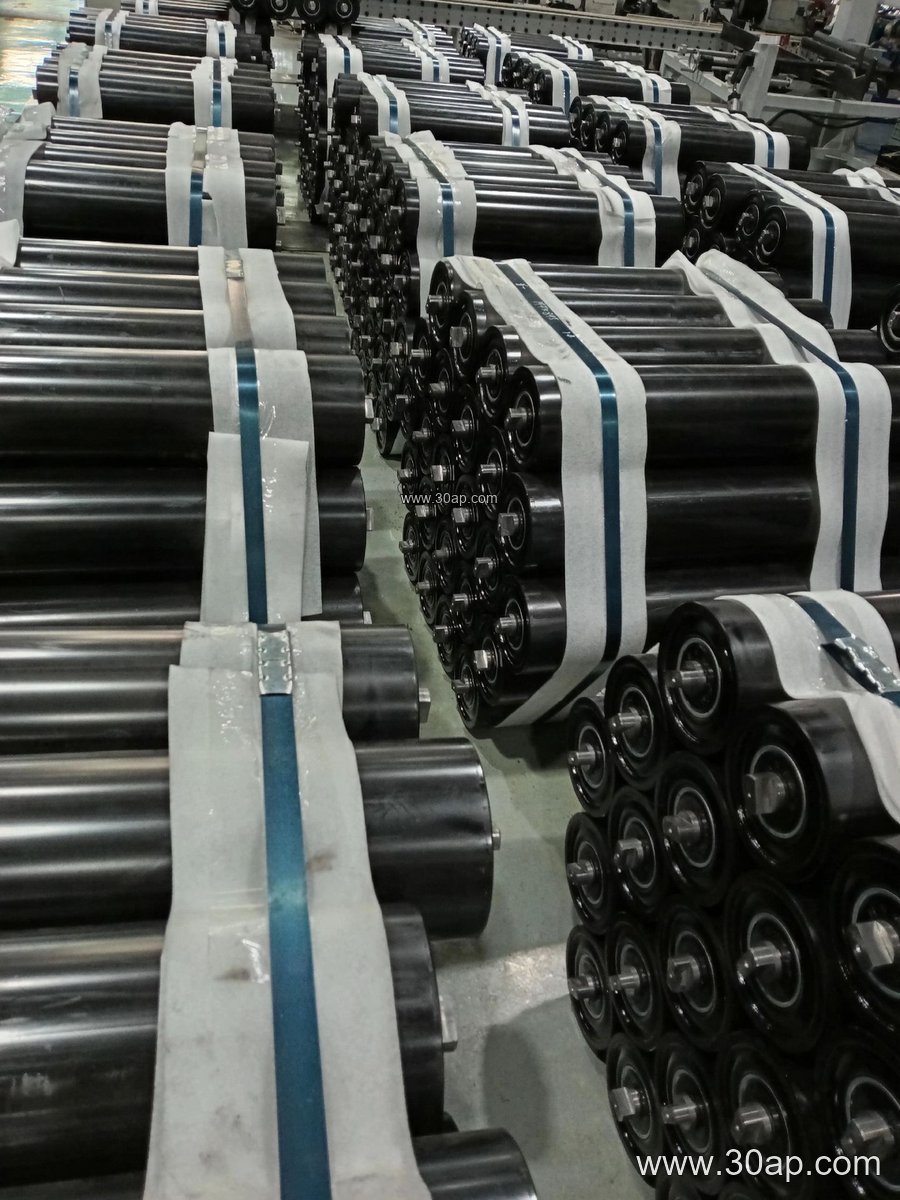
Common lagging thickness values are 8, 10, 12, 15 and 20 mm. Thicker lagging suits small pulley diameters less well, because bending stress in the rubber increases as diameter falls. A buyer should confirm the recommended thickness for the chosen drum size rather than assume the heaviest option is best.
Where It Fits on the Conveyor
The main use is at the drive position, where torque passes from the drum to the belt. It is also used on head or discharge pulleys where the belt leaves the conveyor, and on tail pulleys in dusty, wet or gritty service. Ceramic lagging is less common on bend and take-up positions, where a plain or rubber-lagged surface often does the job at lower cost. That comparison matters: a ceramic rubber lagged pulley is not automatically the right choice for every drum on the line.
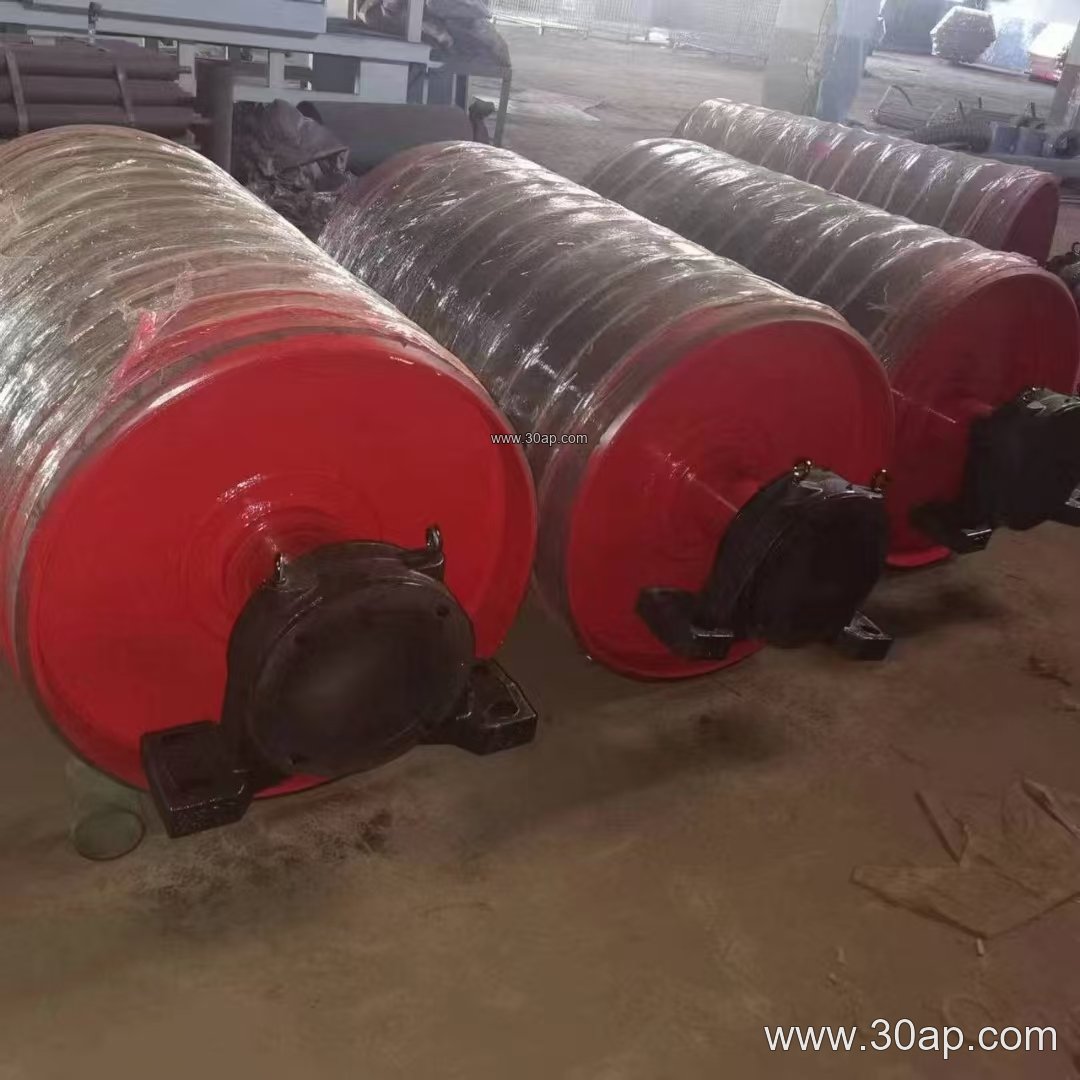
Typical duty includes limestone and iron ore handling, washed coal, clinker and slag, sand and aggregate lines, power plant coal conveying, port bulk terminals and tunnel spoil removal. In these places, fine abrasive material tends to migrate between belt and drum, and a smooth rubber surface can polish and slip.
Sizes and Interface Data
Pulley sizes are selected from belt width, belt tension, wrap angle and shaft load, not from a single fixed table. The values below are common reference figures only.
- Belt widths often considered: B400, B500, B650, B800, B1000, B1200, B1400, B1600, B1800, B2000
- Shell diameters often considered: Ø200, Ø250, Ø315, Ø400, Ø500, Ø630, Ø800, Ø1000, Ø1250, Ø1400
- Face width is normally wider than the belt, for example B800 with about 950 mm face and B1200 with about 1400 mm face
- Shaft diameters commonly range from Ø50 to Ø200, determined by torque and bearing load
A combination such as B1200 × Ø1000 or B800 × Ø500 may appear in a project, but the same belt width can work with several drum diameters. Shaft size must be calculated, never copied from belt width alone.
Matching the Lagging to the Belt
The pulley does not work alone. A heavy-duty mining conveyor belt or a high abrasion resistant conveyor belt running over a ceramic lagged drum needs correct alignment and steady tension. On a long overland line with a steel cord conveyor belt, the drive drum usually carries high tension, so lagging grip and tile wear both matter. In a coal mine, a flame retardant conveyor belt is often paired with fire resistant lagging compounds; the two specifications should be checked together, not separately.
Where material is dropped onto the belt, skirt rubber and impact idlers protect the belt, while the ceramic drum handles the traction side. For steep sections, a chevron conveyor belt or corrugated sidewall conveyor belt can carry more material, but cleats and sidewalls need clear pulley clearance. In enclosed routes, a pipe conveyor belt or an endless conveyor belt may call for different drum details, and the pulley supplier should know the belt construction before machining.
Buyer Checklist
- State the duty: drive, head, tail or another position, with belt speed and starting method.
- Give belt width, belt type and minimum pulley diameter allowed by the belt maker.
- Confirm lagging thickness, tile pattern and rubber hardness for the material handled.
- Provide shaft diameter, bearing centers, keyway and coupling details from the drive design.
- Ask how the lagging is bonded and whether tiles are replaceable in the field.
- Check balancing, runout and surface finish requirements before delivery.
Inspection after installation should cover belt tracking, lagging temperature and tile loss. A ceramic rubber lagged pulley usually lasts well in abrasive service, but it still needs correct tension and a clean scraper arrangement to avoid packed fines. For project planning, compare the drum with conveyor brackets, conveyor pulley guards and the full idler roller layout so the whole transfer point works as one system.