What a 1000mm Conveyor Belt Is
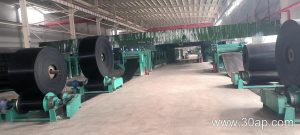
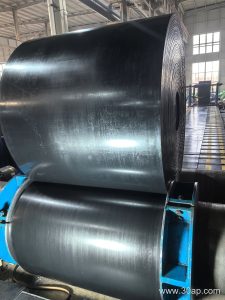
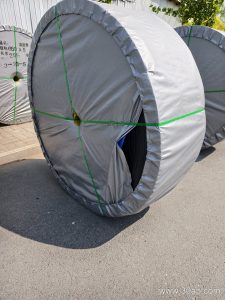
A 1000mm conveyor belt is a one-meter-wide endless loop of reinforced rubber or polymer that forms the carrying surface of a belt conveyor. In mining, quarrying, cement plants, power stations, coal preparation, and sand and gravel yards, this width sits in the productive middle range: wide enough for high tonnage and lumpy rock, yet still practical for standard pulley faces, frames, and transfer chutes. Buyers often describe the same product as a 1000mm wide conveyor belt or a B1000 belt, and those expressions refer to this belt width.
Width alone does not define a belt. The carcass, cover compound, tensile strength, and edge construction decide whether a 1000mm belt suits a primary crusher discharge or a relatively light aggregate transfer. That is why the same nominal width appears in several constructions across a plant.
Construction and Common Specifications
Most belts at this width use a fabric carcass or a steel cord carcass. Fabric types include EP (polyester-cotton) and NN (nylon-nylon) constructions in multiple plies; steel cord belts carry higher tension over long distances. Cover grades address abrasion, heat, oil, flame, cold, and static buildup. Chevron, skirted, and corrugated sidewall forms handle steep inclines or material containment.
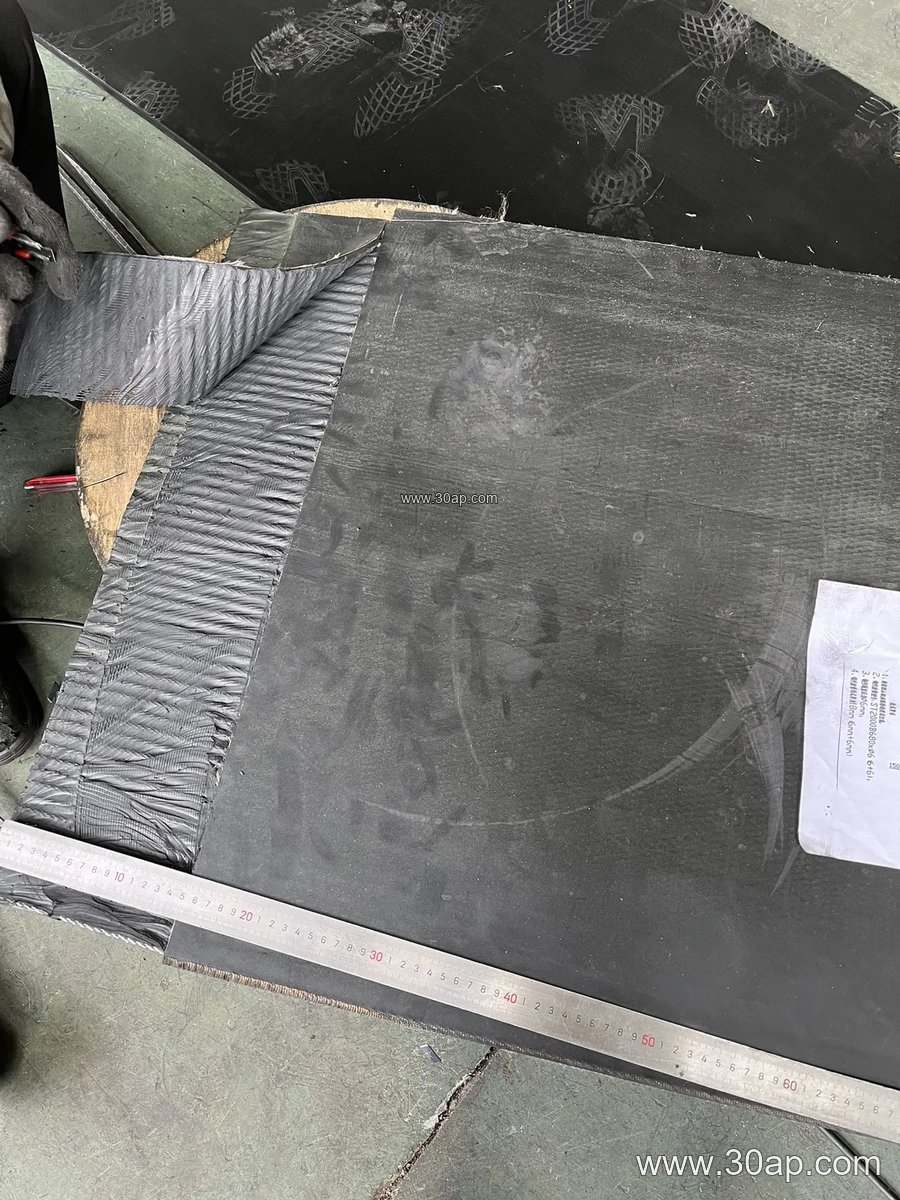
| Parameter | Typical Range or Note |
|---|---|
| Belt width | 1000 mm (B1000); other widths such as B800, B1200, B1400 are separate sizes |
| Fabric carcass | Usually 2 to 6 plies, depending on duty |
| EP strength grades | EP200, EP315, EP400, EP500, EP630, EP800, EP1000 and above, by design |
| Cover thickness | Common combinations such as 4+2, 5+2, 6+2, 8+3 mm |
| Cover grades | Abrasion resistant, heat resistant, oil resistant, flame retardant, anti-static, cold resistant |
These values are reference data. Actual belt construction should follow the conveyor design, the material carried, and the manufacturer’s data sheet. A 1000mm belt does not dictate one pulley diameter or one shaft size; those follow the conveyor’s tension, wrap angle, and bearing design. Drive pulleys, tail pulleys, and bend pulleys each perform different duties and are selected separately.
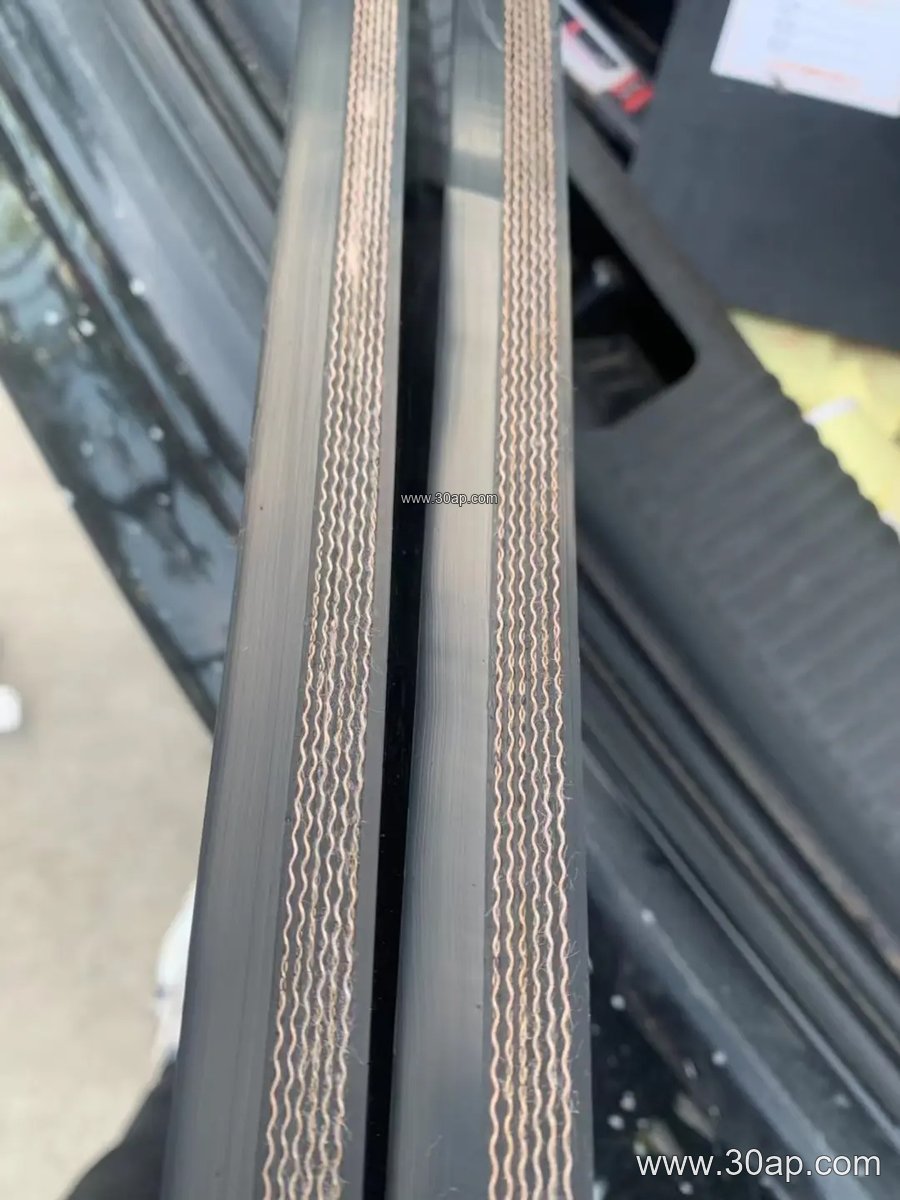
Where It Fits in the Plant
In a quarry or stone crushing line, a 1000mm conveyor belt often links a jaw or cone crusher to a screening station, carrying aggregate and rock at high rates. In coal mining and underground coal mining, flame retardant and anti-static grades are usual requirements, and PVG or PVC constructions may appear in some underground duties. Cement plants use abrasion resistant belts for clinker and limestone; power plants move coal on wide, heavy-duty belts; iron ore, copper ore, and gold mining operations rely on high strength carcasses for long overland runs.
Ports and ship loading facilities use this width on bulk material conveyor lines, while recycling and construction sites use it for mixed debris and sand. Matching the belt to the duty matters: a rubber conveyor belt with a thick abrasion resistant cover behaves very differently from a steel cord conveyor belt tensioned for a long haul.
Selection Points for Buyers
- Confirm the actual belt width, strength grade, and cover thickness rather than ordering by width alone.
- State the material: lump size, temperature, oil content, moisture, and abrasiveness.
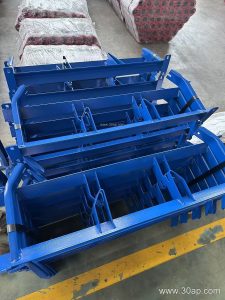
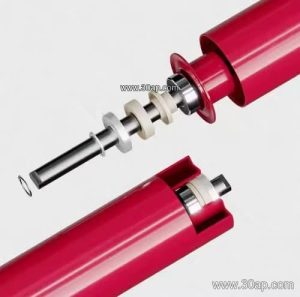
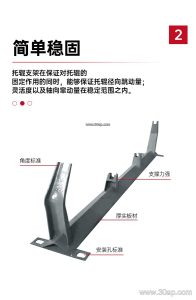
- Check compatibility with the conveyor pulley, idler roller, and conveyor bracket layout, especially at transfer points.
- For inclined sections, consider chevron or corrugated sidewall belts; for enclosed routes, pipe conveyor belts may be relevant as a comparison.
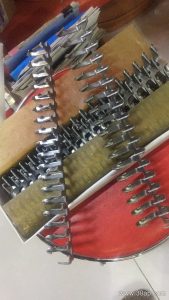
- Ask for the splice method, edge condition, and recommended minimum pulley diameters from the belt maker.
Maintenance also affects life. Keep idlers turning freely, align the belt at the tail pulley, and watch for edge damage that can start a rip. A well-matched 1000mm belt, correctly tensioned and tracked, gives reliable service in demanding mining, cement, and power plant environments.