What an Aggregate Conveyor Belt Is
An aggregate conveyor belt is the load-carrying element of a bulk handling line that moves crushed stone, sand, gravel and screened rock between a crusher, screen deck, stockpile or load-out point. It is a heavy-duty rubber belt built around a fabric or steel cord carcass, and its job is to keep abrasive, often sharp-edged material moving at a steady rate without excessive stretch, edge damage or spillage. In practice the same belt family covers duties from a primary crusher discharge to a small transfer in a sand making plant, so the specification has to follow the duty rather than the other way around.
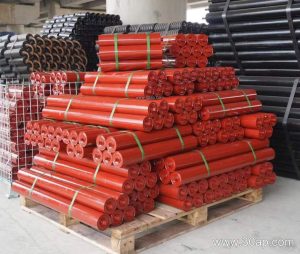
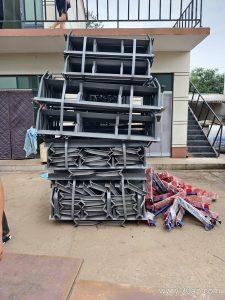
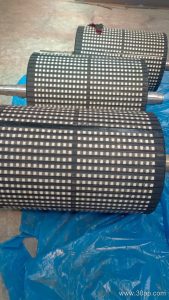
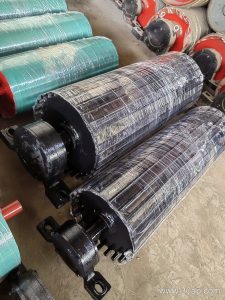
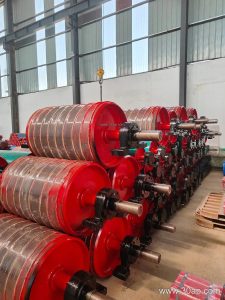
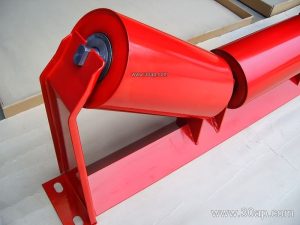
Buyers often describe this item as a crusher conveyor belt or a quarry conveyor belt; these are working descriptions of the same product in different positions in the circuit, not different constructions. Related hardware such as the conveyor pulley, idler roller and conveyor bracket is selected separately, because a drive pulley, tail pulley and bend pulley each perform a distinct function and cannot be substituted for one another.
Construction and Carcass Options
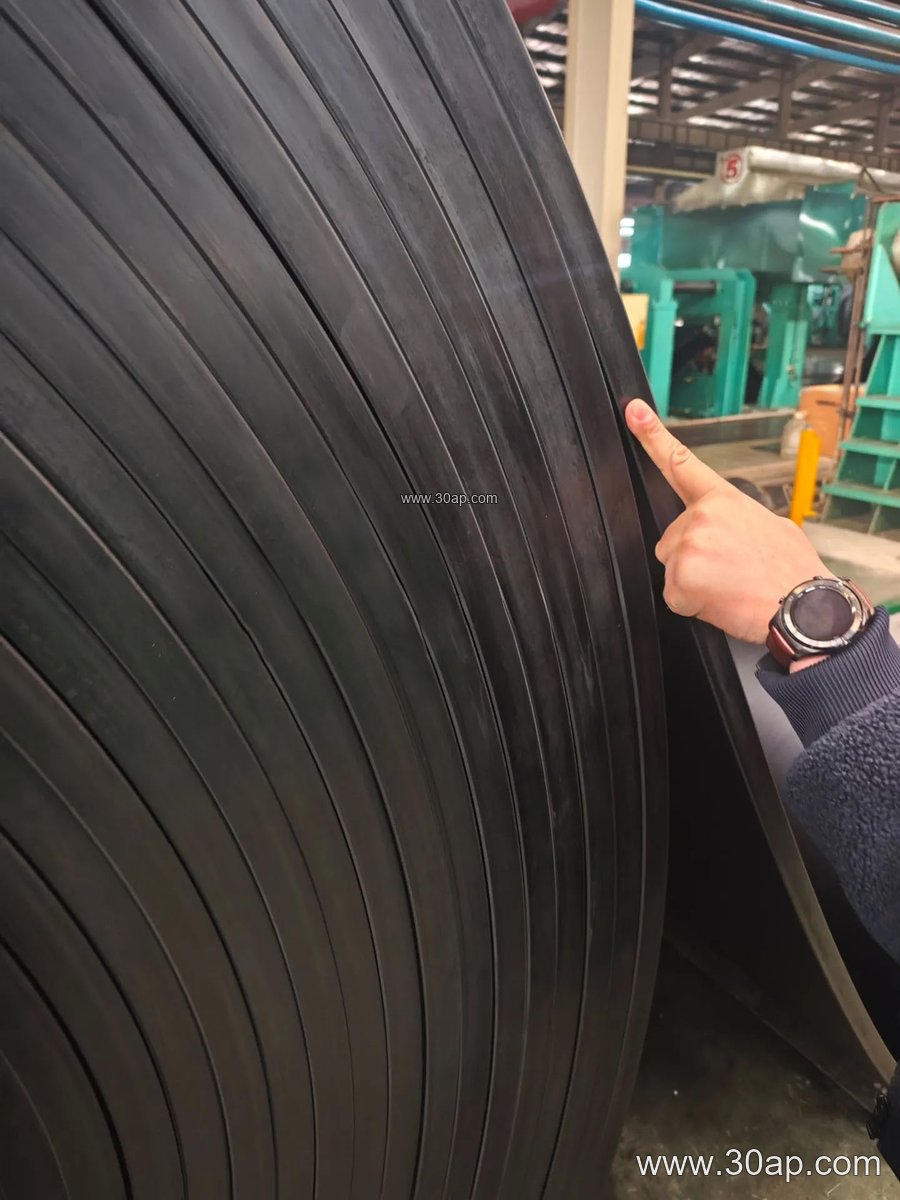
The carcass defines strength and elongation. Multi-ply fabric construction remains the common choice for short to medium centers and moderate tonnage. EP conveyor belt (polyester warp, nylon weft) offers low stretch and good moisture resistance, while NN conveyor belt with nylon in both directions absorbs impact well in primary crushing areas. Steel cord conveyor belt is used for long overland runs and high tension where a single layer of cords replaces many fabric plies.
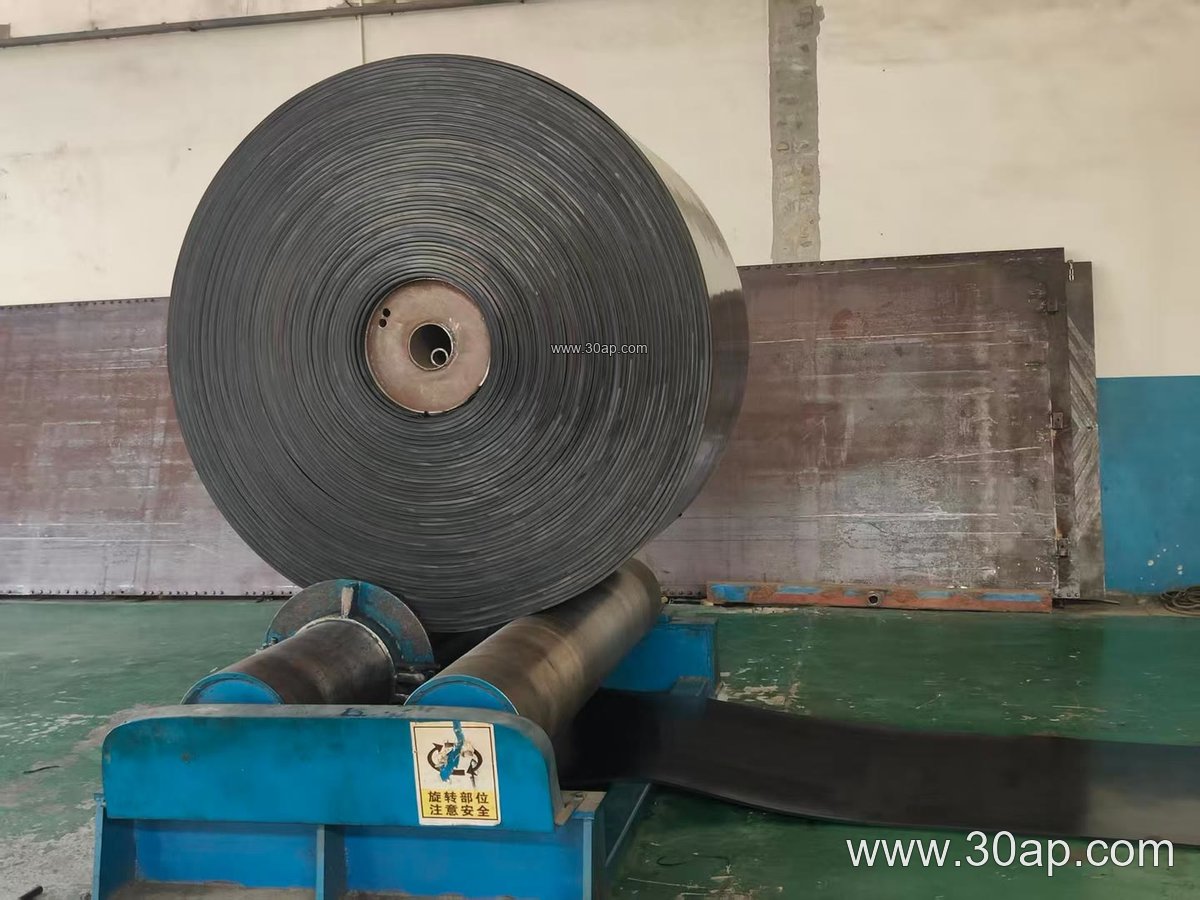
- Fabric core conveyor belt: 2 to 6 plies, suitable for most plant and yard conveyors.
- Steel cord construction: preferred for long distance and high capacity main lines.
- Cover grades: abrasion resistant, heat resistant, oil resistant, flame retardant and anti-static, chosen to match the material and the environment.
Cover thickness is usually expressed as top plus bottom, for example 4+2 mm or 6+2 mm, with thicker covers reserved for sharp, high-drop loading points. Chevron conveyor belt and corrugated sidewall designs appear where the incline is too steep for a smooth surface, and skirted or pipe conveyor belt forms are used where dust control or a tight route matters. For underground coal work, PVG conveyor belt grades and flame retardant conveyor belt constructions are common, while a heat resistant conveyor belt is specified after a kiln or clinker cooler in a cement plant.
Typical Sizes and Reference Data
Widths are matched to tonnage, lump size and transfer chute geometry. Common belt widths run from 500 mm to 2000 mm, with 650 mm, 800 mm, 1000 mm and 1200 mm being frequent in aggregate plants. Strength grades are stated in the product designation, and the table below gives reference values that should be confirmed against the actual conveyor design.
| Parameter | Common reference values |
|---|---|
| Belt width | B500, B650, B800, B1000, B1200, B1400, B1600, B1800, B2000 |
| EP strength grades | EP200, EP315, EP400, EP500, EP630, EP800, EP1000, EP1250 |
| NN strength grades | NN100, NN200, NN300, NN400 |
| Steel cord grades | ST1000, ST1250, ST1600, ST2000 |
| Cover thickness | 3+1.5, 4+2, 5+2, 6+2, 8+3 mm |
| Carcass plies | Usually 2 to 6 layers |
A wide belt is not automatically the right answer, and a given width does not dictate one pulley diameter or one shaft size; those follow the calculated tension, the pulley face width and the conveyor frame design.
Where It Works
Aggregate duty appears across mining, cement, power and construction sites. A coal mining conveyor belt handles softer but often wet material, a cement plant conveyor belt may face hot clinker, and a power plant conveyor belt moves limestone or coal at high tonnage. In a stone crushing line the belt after the jaw or cone crusher takes the hardest impact, so an impact resistant or high abrasion resistant cover pays for itself. Port and ship loading conveyors usually combine a high strength conveyor belt with carefully aligned idler roller sets to protect the belt edges on long runs.
Buyer Checklist
- State the material, lump size, moisture and temperature range, not just the tonnage.
- Confirm center distance and incline, since these decide whether a smooth, chevron or sidewall belt suits the route.
- Check cover grade and thickness against the drop height at loading points.
- Review the pulley and idler layout together with the belt order so that face width and trough angle match.
- Ask for the splice method, since an endless conveyor belt joint is only as strong as its preparation.
- Plan inspection of edges, covers and splices, and keep spare belt sections for critical lines.
For anyone sourcing through an industrial supplier, matching the belt grade to the conveyor duty is the single decision that most affects service life. Further details on belt, pulley and roller selection can be reviewed at conveyorbeltingpro.com, where aggregate conveyor belt specifications are grouped by application.