What an Anti-Static Conveyor Belt Does
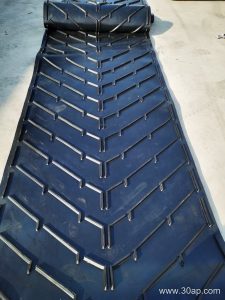
An anti-static conveyor belt is a rubber or fabric-reinforced belt designed to limit the buildup and discharge of static electricity while materials move along a conveyor system. In dry, dusty operations, ordinary belting can accumulate a static charge as it runs over idlers and pulleys. That charge may create sparks, disrupt sensors, or make dust cling to the belt surface. An anti-static conveyor belt reduces this risk by incorporating conductive or dissipative compounds into the cover and, in many designs, the carcass.
It is still a conveyor belt at heart. The difference lies in the compound and construction, not in a separate machine category. This is why the same belt can be supplied as an anti-static conveyor belt in a range of strengths and cover grades.
How the Belt Is Built
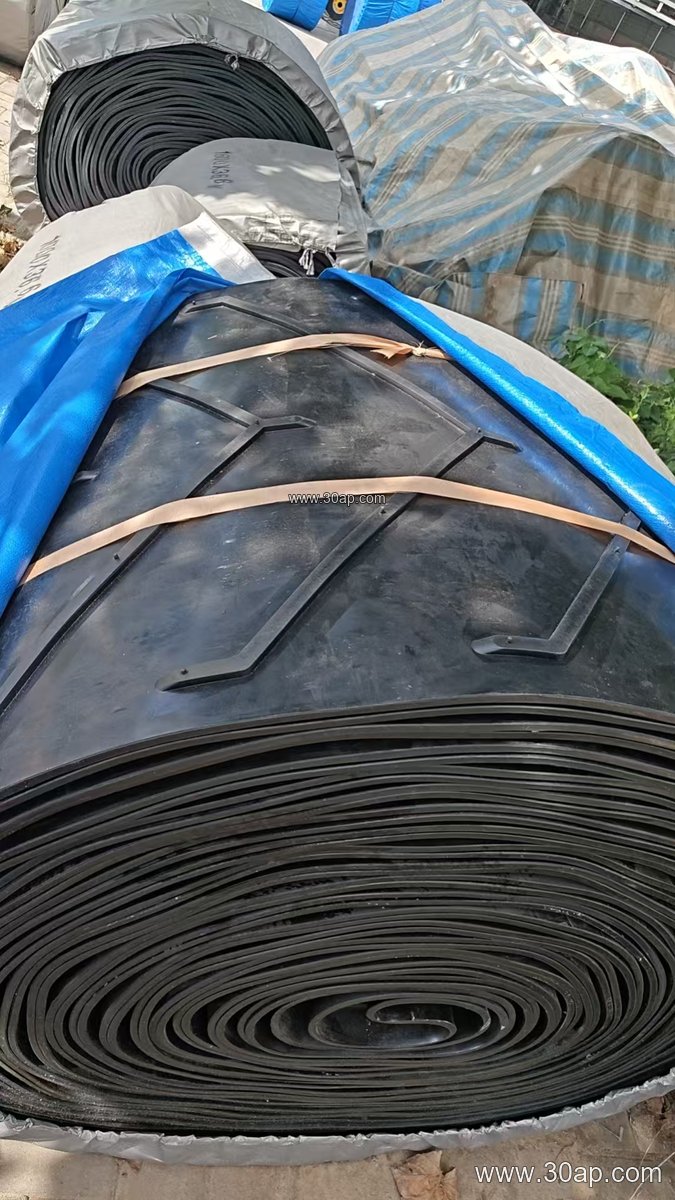
Most anti-static conveyor belts use a fabric core or steel cord carcass with rubber covers. The anti-static property is usually achieved through carbon black or other conductive fillers in the rubber compound, combined with a construction that allows charge to dissipate to the frame or ground. The carcass may be EP fabric, NN fabric, or steel cord, depending on the load and tension requirements.
Typical build options include:
- EP fabric core with 2 to 6 plies for general bulk handling
- NN nylon fabric core for higher flexibility and impact absorption
- Steel cord carcass for long center distances and heavy loads
- Cover compounds that also provide abrasion resistance, flame retardancy, or heat resistance
Cover thickness is often quoted as top plus bottom, for example 4+2 mm or 6+2 mm. These figures are common references, not fixed requirements. The right combination depends on the material being carried, the pulley diameters, and the belt tension.
Where It Is Used
Anti-static belting is common in coal mining, underground mining, cement plants, power plants, and aggregate operations where dust and dry conditions favor static buildup. It is also found in grain handling, recycling lines, and some chemical or food processing plants where a controlled discharge path is desirable.
In coal mining and underground coal mining, flame retardant and anti-static properties are often specified together. A flame retardant conveyor belt with anti-static construction can help reduce ignition risk from both sparks and sustained flame. In cement and quarry work, the belt may also need high abrasion resistance because limestone, clinker, and crushed rock wear the cover quickly.
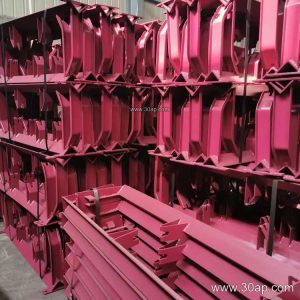
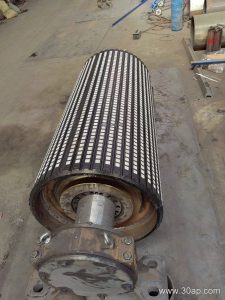
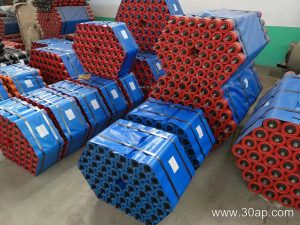
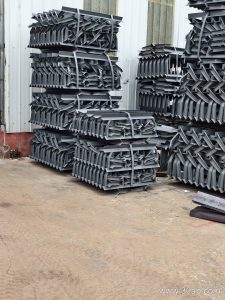
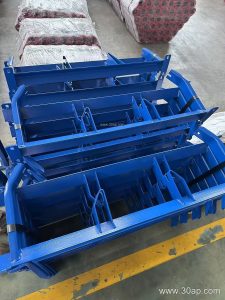
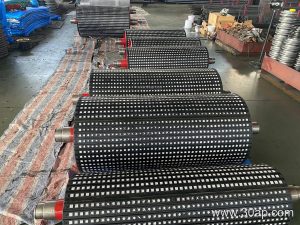
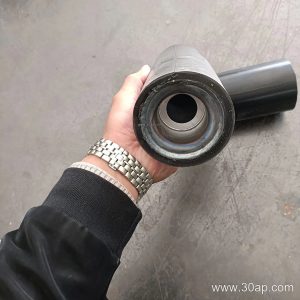
Related equipment matters too. The conveyor pulley, idler roller, and conveyor bracket should be checked for proper grounding and alignment. A conductive belt is only part of the path; the frame and pulleys need a reliable route to earth.
Specifications Buyers Should Compare
Anti-static belts are available in standard widths and strength grades. The table below shows common reference values; actual supply depends on the manufacturer and the application.
| Parameter | Common Reference Range |
|---|---|
| Belt width | B500, B650, B800, B1000, B1200, B1400, B1600 |
| Fabric strength grades | EP200, EP315, EP400, EP500, EP630, EP800, EP1000 |
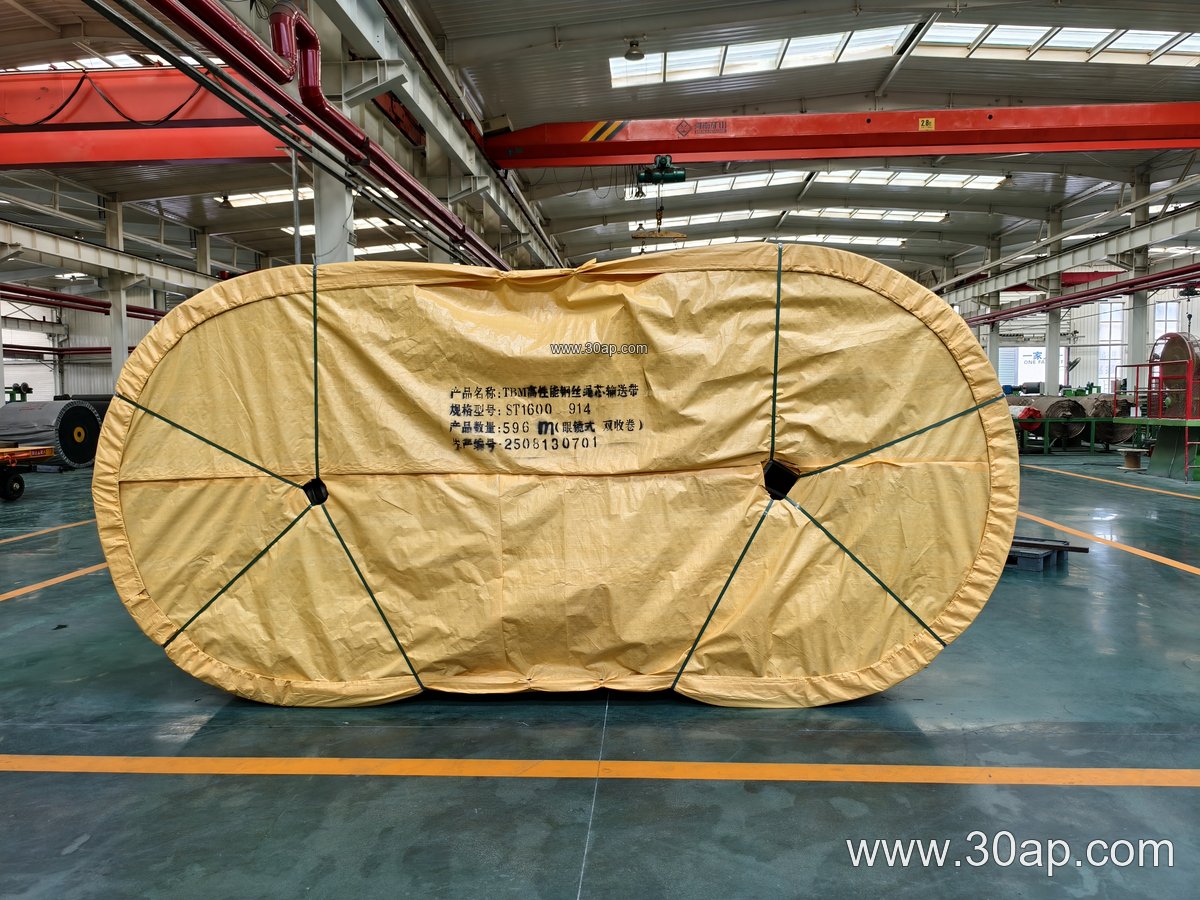
| Steel cord grades | ST1000, ST1250, ST1600, ST2000 |
| Cover thickness | 3+1.5, 4+2, 5+2, 6+2, 8+3 mm |
| Carcass plies | 2 to 6 layers, depending on design |
Do not assume that a given belt width matches one pulley diameter. Drive pulleys, tail pulleys, and bend pulleys are sized from belt tension, wrap angle, and load, not from width alone. A 1000mm wide belt may run on several different pulley sizes in different conveyors.
Selection and Maintenance Notes
When specifying an anti-static conveyor belt, confirm the surface resistance or conductivity requirement with the supplier, along with the flame retardant standard if the site requires it. Ask how the belt should be grounded and whether the splice maintains the anti-static path. A spliced belt is only as good as its joint.
During operation, keep the belt clean and avoid excessive dust buildup. Check idler rollers for seizure, because a dragging roller can generate heat and static. Inspect conveyor pulleys for material wrap and confirm that the conveyor bracket and frame connections are tight and grounded.
For high-abrasion duties such as iron ore, copper ore, or quarry rock, an abrasion resistant conveyor belt with anti-static properties may be a better fit than a general-purpose belt. For hot clinker or cement, a heat resistant grade may be needed. In cold climates, a cold resistant compound can prevent cracking. Each of these remains an anti-static conveyor belt when the compound and construction are specified that way.
Buyers should also consider belt thickness and weight. A thick conveyor belt with a heavy cover adds mass and may require larger pulleys and stronger supports. The goal is a balanced design: enough strength and wear life for the duty, with a reliable static dissipation path and compatible pulleys, idlers, and brackets.