What a Carbon Steel Pulley Is
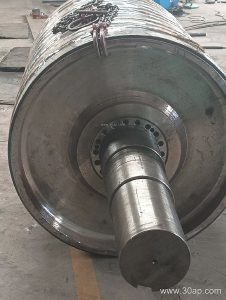
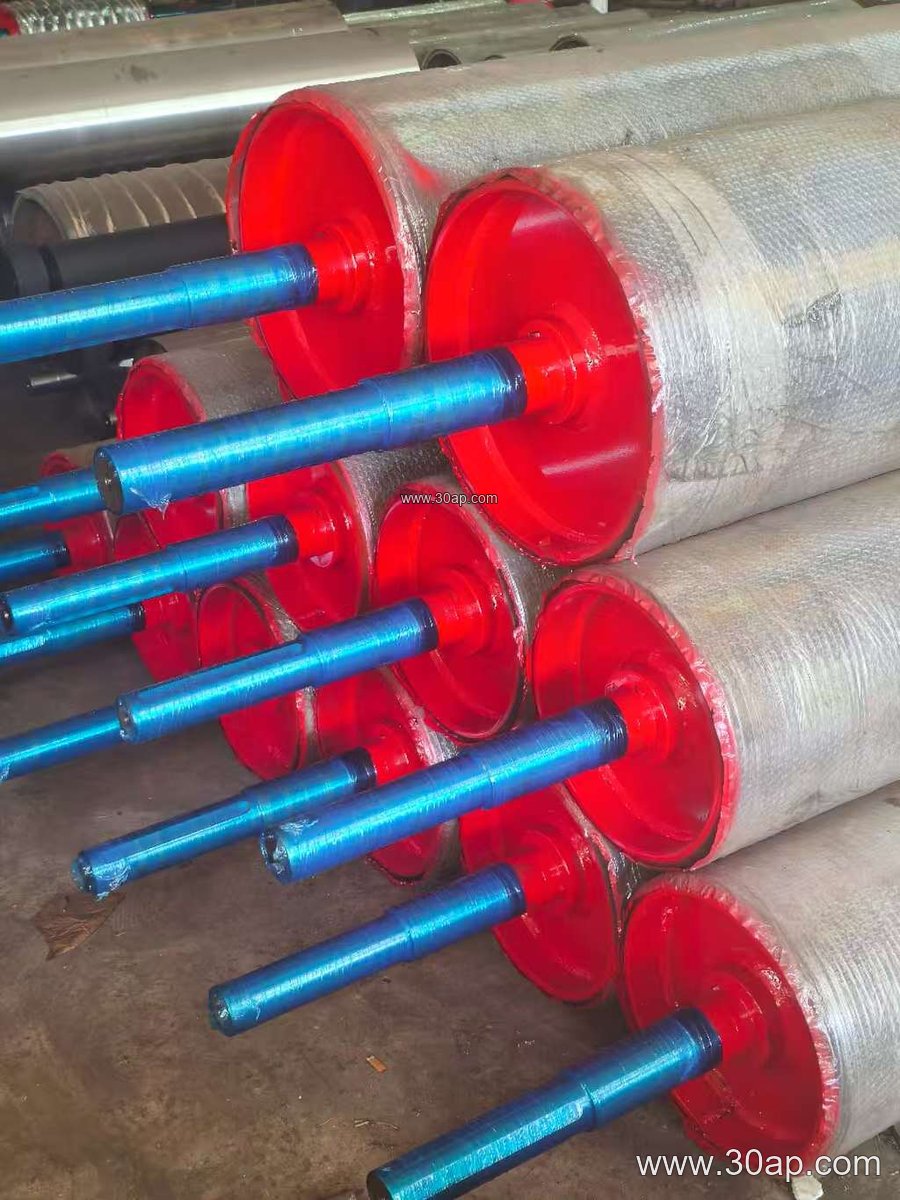
A carbon steel pulley is the rotating cylindrical component that guides, drives, or tensions a conveyor belt in a bulk handling line. The body is fabricated from carbon steel plate, usually rolled into a shell and welded to end discs, then machined to accept a shaft and bearing housings. Because carbon steel offers a good balance of strength, weldability, and cost, it is the default material for pulleys in many quarry, cement, and power plant conveyors. In a full conveyor assembly it works alongside the conveyor belt, idler roller, and conveyor bracket, but its role is distinct from all of them.
How the Pulley Is Built
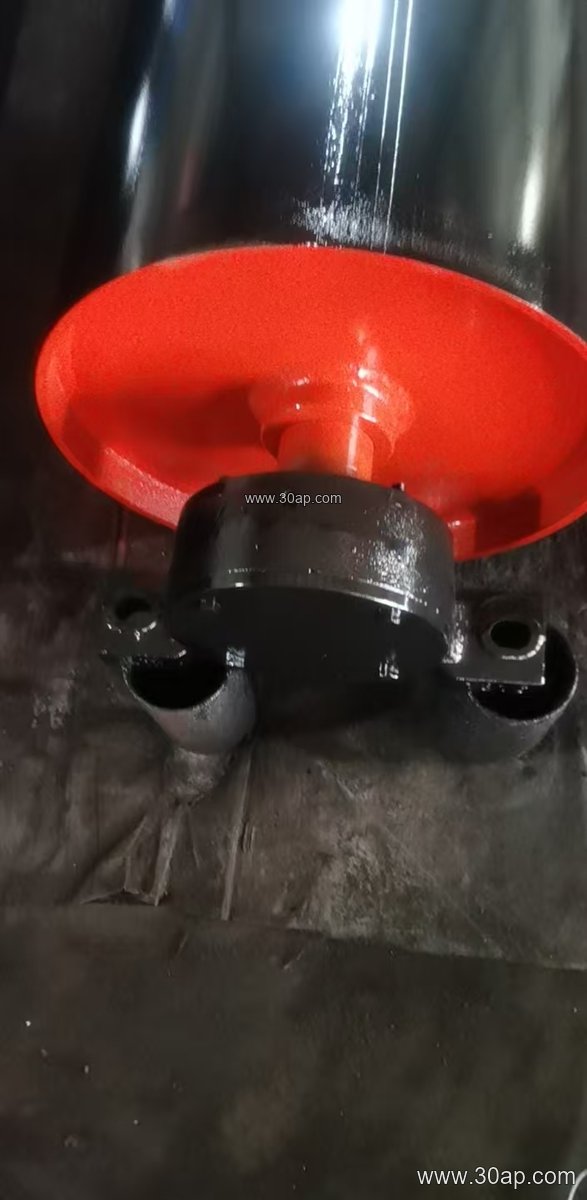
The shell is the load-bearing surface in contact with the belt. End discs close the shell, and a through shaft or stub shafts transfer torque. Bearings sit in housings that may be bolted or welded to the end discs. Machining tolerances on the shell diameter and shaft seats affect belt tracking and bearing life, so a buyer should ask for the concentricity and runout values rather than assume them.

Surface Options
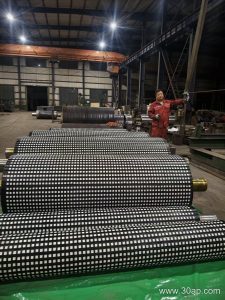
Bare steel shells are common in light duties, but most carbon steel pulley units for abrasive service are covered with rubber. Common surface forms include plain lagging, diamond lagging, herringbone lagging, and ceramic lagging. Lagging thickness is often quoted at 8, 10, 12, 15, or 20 mm depending on the grip required. A drive position that transmits high torque usually needs more traction than a bend or take-up position, which is why lagging choice is tied to pulley duty.
Drive, Tail, and Bend Positions
The same carbon steel pulley body can serve different positions in the conveyor, but the duties are not interchangeable. A drive pulley, also called the head pulley, transmits power to the belt. A tail pulley at the loading end turns the belt back and may include a self-cleaning or wing profile to shed material. A bend pulley changes belt direction without driving it, and a take-up pulley maintains tension. Each position calls for its own diameter, lagging, and bearing arrangement, so a spec sheet should name the position, not just the size.
Where It Fits in the Plant
In a limestone quarry, carbon steel pulleys handle the discharge from a crusher and the transfer to a screening deck, often working with a heavy-duty conveyor belt that carries sharp rock. In a coal handling plant, flame retardant conveyor belt grades are common, and the pulley lagging must resist coal dust and moisture. Cement plants use them on clinker and raw meal lines, while power plants rely on them in coal feed systems. Port bulk terminals and aggregate yards use wide belts, and a carbon steel pulley sized for a 1200 mm or 1400 mm belt is common in these layouts.
Sizing and Selection Notes
Pulley diameter is chosen from belt tension, wrap angle, and shaft load, not from belt width alone. A B800 belt may run on a Ø500 pulley in one conveyor and a larger diameter in another, so the combination must be confirmed by the conveyor designer. Shell width is normally slightly greater than belt width; typical references include B650 with about 750 mm shell, B1000 with about 1150 mm, and B1400 with about 1600 mm. Shaft diameter is set by torque and bending load, with common values from Ø50 up to Ø200, and should not be assumed from belt width.
| Reference | Typical Range |
|---|---|
| Belt width | B400 to B2400 |
| Pulley diameter | Ø200 to Ø1800 |
| Lagging thickness | 8 to 20 mm |
| Shaft diameter | Ø50 to Ø200 |
When specifying, state the belt width, the pulley position, the required diameter, the lagging type, and the shaft size. For high-abrasion service such as iron ore or copper ore, a thicker abrasion resistant lagging helps, while a food grade conveyor belt line may need a smooth, cleanable surface instead.
Buyer Checklist
- Confirm the pulley position: drive, tail, bend, or take-up.
- Match lagging to the material and the traction demand.
- Ask for shell and shaft machining tolerances.
- Check bearing housing type and lubrication method.
- Verify balance grade for higher speed conveyors.
- Plan inspection of lagging wear and bearing temperature.
A carbon steel pulley is a simple-looking part, but its performance depends on correct sizing and surface choice. Buyers who treat diameter, lagging, and shaft load as separate decisions usually get longer service life from the whole conveyor.