What a Custom Conveyor Bracket Really Does
A custom conveyor bracket is the fabricated support that holds idler rollers in the correct position under or over a conveyor belt. Rather than forcing a standard frame onto an existing structure, this bracket is made to match the belt width, trough angle, roller diameter, and mounting points of a specific line. In a quarry, a cement plant, or a coal handling system, the difference between a bracket that fits and one that almost fits shows up quickly as belt misalignment, premature roller wear, and extra downtime.
Buyers often search for this part as a custom idler bracket, custom roller support bracket, or made-to-order conveyor bracket. All of these refer to the same fabricated component: a steel support that carries conveyor idler rollers and keeps the belt profile stable along the run.
How the Bracket Is Built
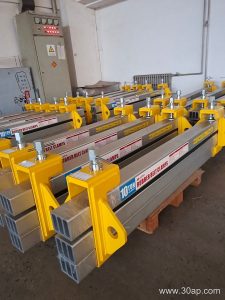
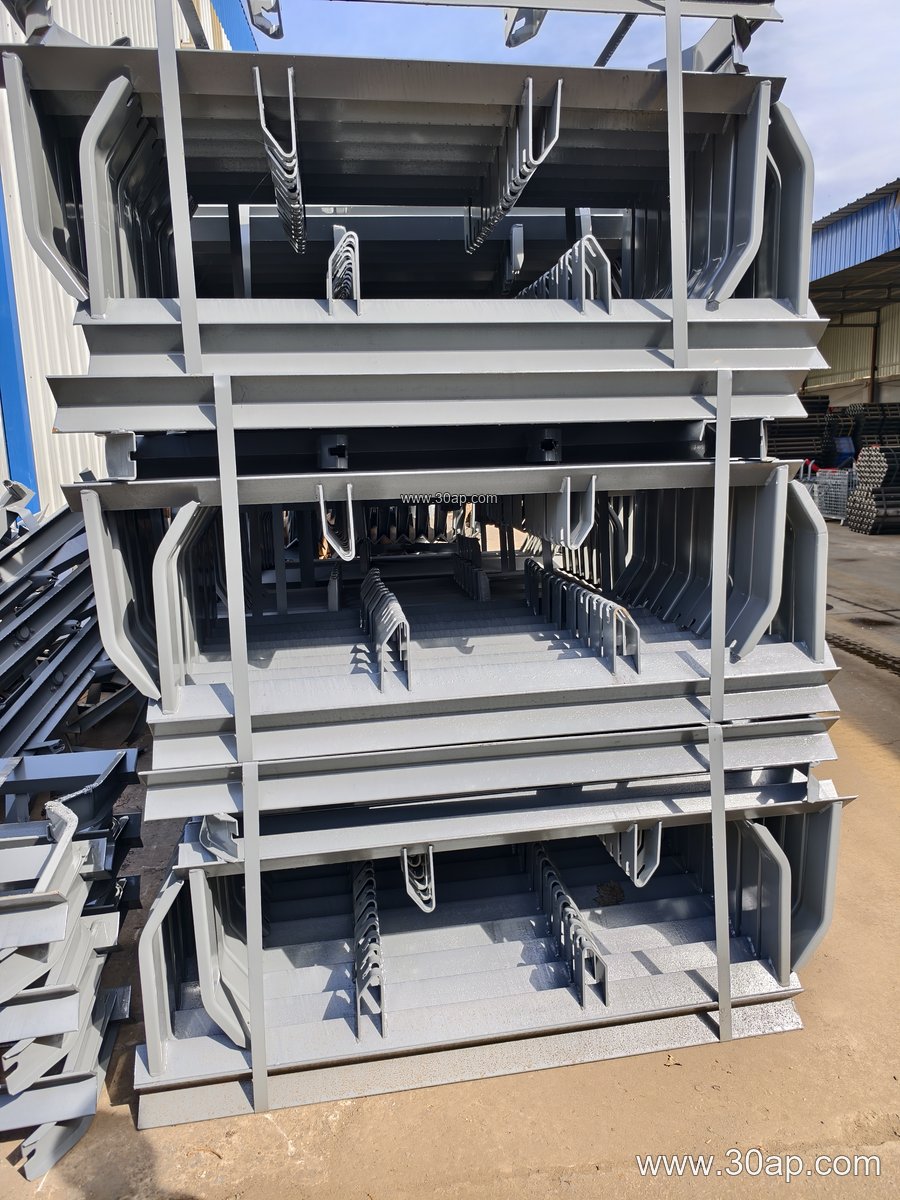
Most units are welded or bolted assemblies made from angle steel, channel steel, or folded steel plate. The choice of material depends on load, span, and environment. A heavy-duty mining conveyor belt line may call for thicker channel sections, while a lighter aggregate conveyor belt in a sand and gravel plant can use folded plate with fewer reinforcements.
Typical construction details include:
- Cross beams sized to the belt width and trough angle
- Roller mounting slots or drilled holes positioned by design
- Gussets or stiffeners where the bracket meets the main frame
- Adjustable arms on versions that allow trough angle changes
- Surface treatment suited to dusty, wet, or corrosive conditions
Because mounting hole spacing and beam length change with belt width and trough angle, these dimensions are usually confirmed against a drawing rather than taken from a fixed table.
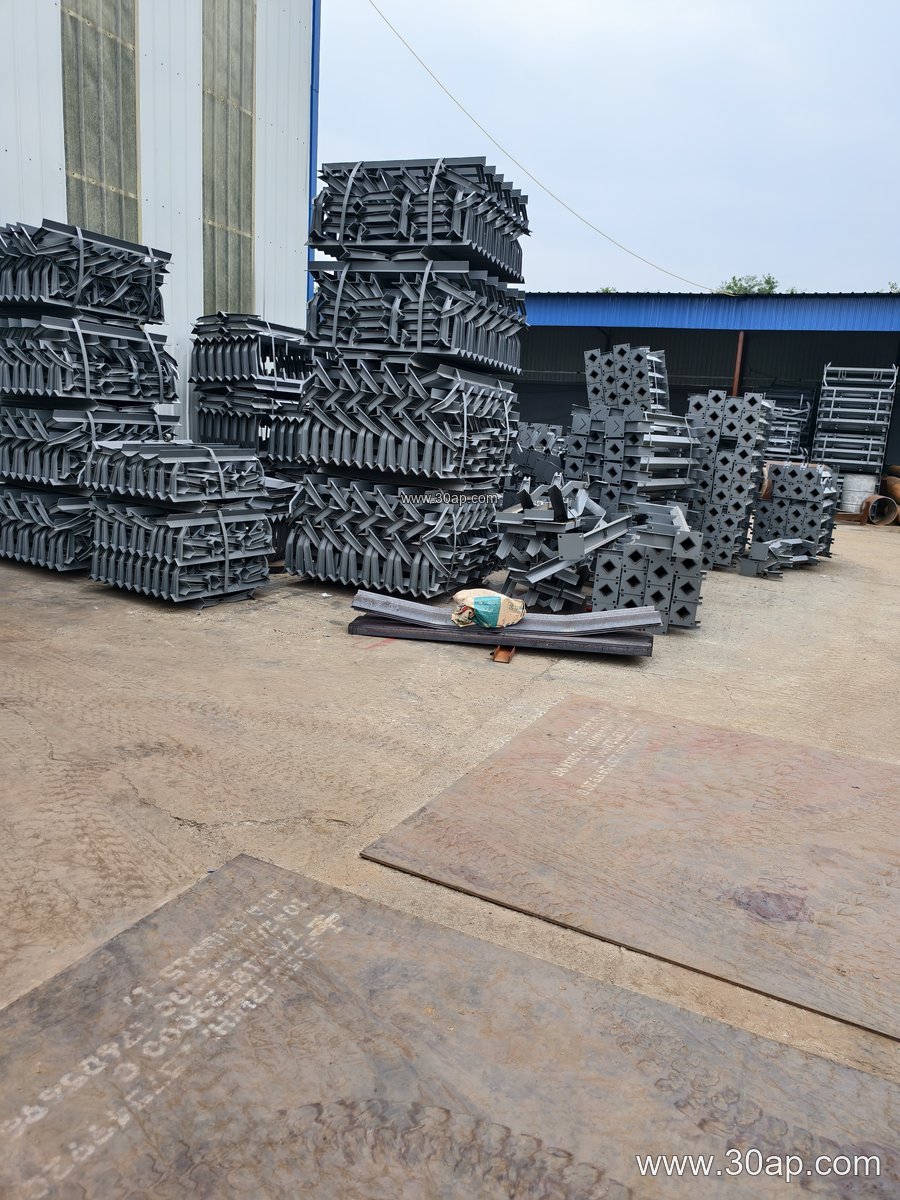
Common Bracket Types and Where They Sit
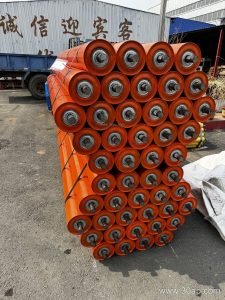
The bracket family is broad, and each type has a defined place on the conveyor. Trough brackets carry the carrying-side idlers and set the belt into a trough. Transition brackets ease the belt from flat to troughed near pulleys. Return brackets support the belt on its way back, with V-return and flat-return versions common. Impact brackets sit under loading points and are built heavier to absorb shock. Self-aligning and forward-leaning brackets help correct tracking on long runs.
Adjustable brackets let maintenance teams change the trough angle in the field. Fixed brackets are simpler and stiffer. Neither is universally better; the choice depends on whether the belt profile is expected to change and how often the line is re-tensioned.
Matching Bracket, Belt, and Roller
A bracket is only as good as the parts it carries. The belt type determines load and tracking behavior, and the roller diameter determines the bracket’s mounting height. Common belt widths in fabrication work include B500, B650, B800, B1000, B1200, B1400, B1600, B1800, B2000, B2200, and roller diameters are often Ø89, Ø108, Ø133, Ø159, or Ø194. Trough angles of 20, 30, 35, and 45 degrees are typical, with forward-leaning brackets commonly set around 1.5 to 2 degrees.
These values are reference points, not fixed pairings. A B800 line might run at 35 degrees with Ø108 rollers, while a B1200 line may use 45 degrees and Ø133 rollers, but the final combination is set by the conveyor design. Fabric-core belts such as EP conveyor belt or NN conveyor belt grades, steel cord conveyor belt, and heat resistant or flame retardant conveyor belt all place different demands on support spacing and roller loading.
| Reference Item | Typical Range | Note |
|---|---|---|
| Belt width | B500 to B2200 | Match bracket span to belt width |
| Trough angle | 20, 30, 35, 45 degrees | Adjustable versions allow changes |
| Roller diameter | Ø89, Ø108, Ø133, Ø159, Ø194 | Sets mounting height |
| Material | Angle, channel, folded plate | Selected by load and environment |
Where These Brackets Are Used
In a limestone quarry or a crushing and screening line, brackets support the belt through loading, transfer, and incline sections. In a coal preparation plant or a power plant coal yard, flame retardant conveyor belt and anti-static belt runs rely on stable bracket alignment to reduce tracking problems. Cement plants, iron ore handling, port ship loading, and tunnel spoil removal all use similar fabricated supports, with details adapted to dust, moisture, and impact.
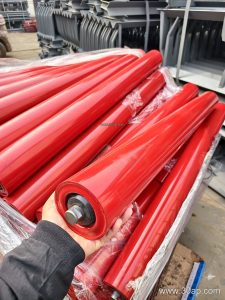
Equipment such as the conveyor pulley, drive pulley, and tail pulley works together with the bracket layout, but these are separate components and are not interchangeable with brackets. The bracket’s job is to hold the conveyor idler roller in the right place so the belt runs true.
What Buyers Should Confirm Before Ordering
A clear order starts with a drawing or a measured sketch showing belt width, trough angle, roller diameter, mounting hole spacing, and beam length. Buyers should also state the environment: abrasive ore dust, wet washdown, high temperature, or oil exposure. This affects material thickness and coating choices. For a conveyor belt line carrying abrasive rock, a heavier bracket and high abrasion resistant conveyor belt pairing may be appropriate; for a food or grain silo application, smoother surfaces and easier cleaning matter more.
It also helps to confirm whether the bracket is fixed or adjustable, how it connects to the main frame, and whether it must align with an existing conveyor bracket pattern already in service. Getting these details right at the quotation stage avoids field modification later.