What the ST1250 Conveyor Belt Is
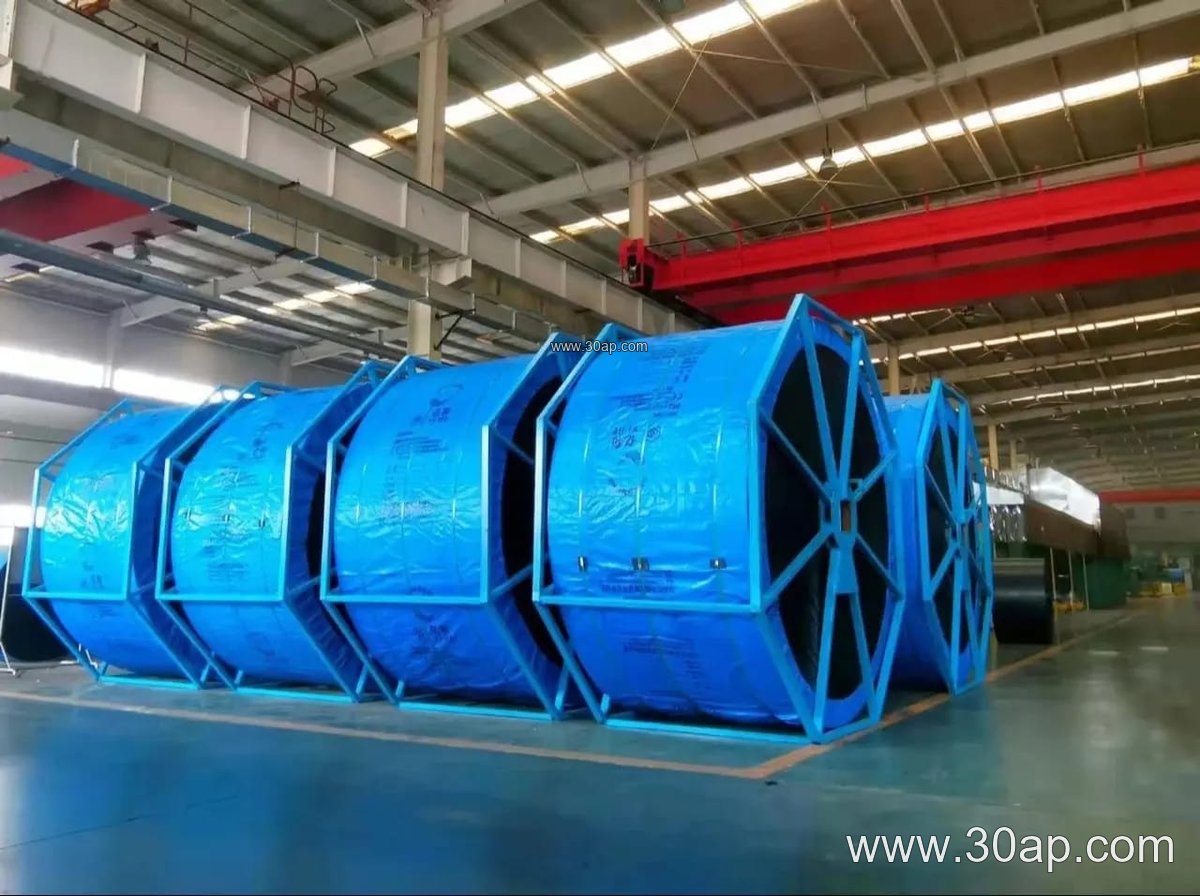
The ST1250 Conveyor Belt is a steel cord conveyor belt with a nominal tensile strength of 1250 N/mm. It sits in the middle of the steel cord range, above ST1000 and below ST1600 and ST2000, which makes it a practical choice for main haulage lines where a single flight carries a large tonnage over a long distance. In plant documentation the product also appears as an ST1250 steel cord belt or an ST1250 high strength conveyor belt, and both names describe the same construction.
Construction and How It Handles Load
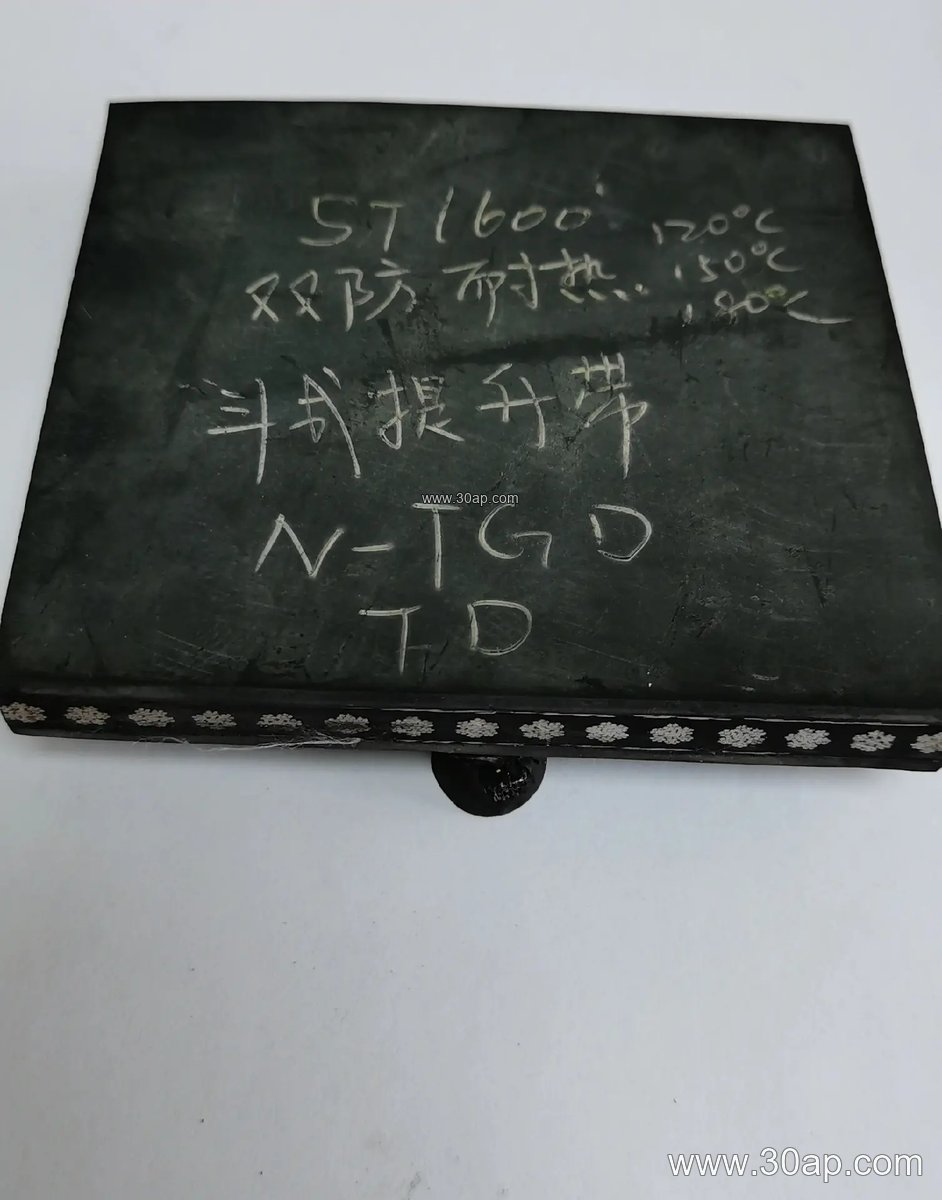
Unlike an EP Conveyor Belt or an NN Conveyor Belt, which rely on multiple fabric plies, this belt uses parallel steel cords embedded in a rubber core compound. The cords carry the tension, while the top and bottom covers protect the carcass from abrasion, impact and moisture. Because the cords stretch very little, the belt holds its length well on long conveyors and needs less take-up travel than a fabric carcass.
Common cover thickness combinations include 5+2 mm, 6+2 mm and 8+3 mm, with the thicker top cover chosen for coarse, sharp material. A Flame Retardant Conveyor Belt version is often specified for underground coal mining, and a Heat Resistant Conveyor Belt build may be used where clinker or sinter carries residual heat. Cover grade, cord pitch and belt thickness are decided by the conveyor designer, not by the width alone.
Where It Fits in the Plant
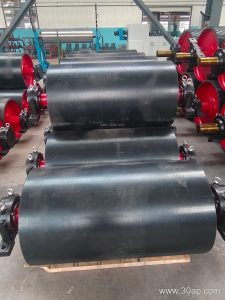
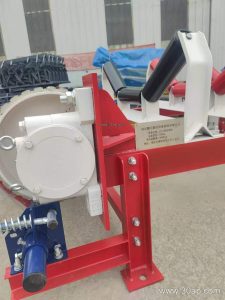
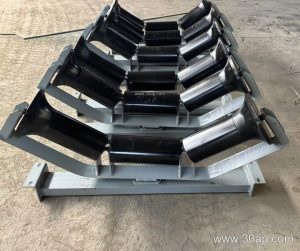
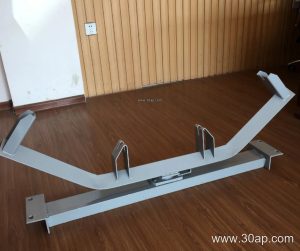
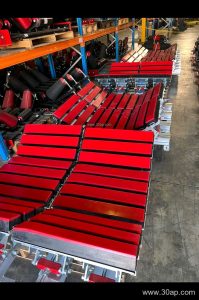
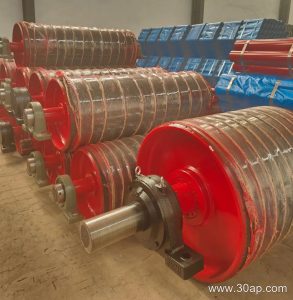
The ST1250 belt is at home in mines, coal preparation plants, cement works, power stations, steel plants, quarries and port terminals. Typical duties include raw ore haulage, crushed stone transport, clinker and limestone handling, and ship loading lines. In these circuits the belt runs over idler roller sets, wraps the head and tail conveyor pulley, and is supported by conveyor bracket frames along the structure.
When a conveyor needs a tighter turn radius or a enclosed path, a Pipe Conveyor Belt may be preferred, and for steep inclines a Chevron Conveyor Belt or Corrugated Sidewall Conveyor Belt can add grip or capacity. Those are different belt types for different duties; they are not substitutes for the ST1250 when the requirement is high tension over long distance.
Typical Reference Data
The figures below are common reference values only. Actual construction is confirmed per project and may differ between manufacturers.
| Item | Common reference range |
|---|---|
| Nominal strength | ST1250 (1250 N/mm) |
| Belt width | B800, B1000, B1200, B1400, B1600 |
| Cover thickness | 5+2 mm, 6+2 mm, 8+3 mm |
| Cover grades | abrasion resistant, flame retardant, heat resistant, oil resistant |
| Jointing | vulcanized splice, usually in the field |
Selection Points for Buyers
- Check the duty, not just the strength. Confirm the maximum tension, lump size, impact energy at the loading point and the required cover grade before fixing the specification.
- Match the pulley and idler layout. Belt width and cord pitch should be checked against the head and tail conveyor pulley diameters and the idler roller spacing; a wider belt does not automatically suit every pulley.
- Plan the splice. Steel cord belts are normally joined by a vulcanized splice, so allow enough belt length and access at the tail for the joint.
- Consider the environment. Underground coal duty may call for flame retardant and anti-static covers, while a cold climate may need a Cold Resistant Conveyor Belt compound.
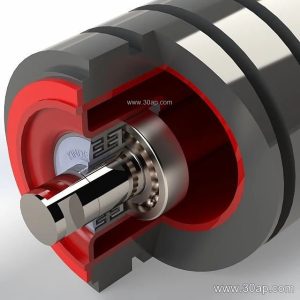
- Think about wear parts. Return idler rollers, impact idlers at the transfer point and the conveyor bracket condition all affect belt life as much as the belt itself.
Installation and Maintenance Notes
Track alignment during installation. A belt that runs off-centre will wear its edges and load the pulleys unevenly. Keep the loading chute centred so material lands in the middle of the belt, and control lump size to reduce impact damage on the top cover. Inspect the splice regularly, since most steel cord failures begin at the joint rather than in the cord body. Clean return idler rollers and remove spillage before it builds up under the belt.
Store spare belt in a dry, shaded area and rotate stock so the rubber does not age before it is fitted. When replacing a belt, record the actual cover wear and cord condition to refine the specification for the next order. For further product families such as EP or NN fabric belts, visit www.chinaconveyorbelt.com to compare options, and check belt, idler roller and conveyor pulley data together before finalizing a conveyor design.