What an Adjustable Conveyor Bracket Does
An adjustable conveyor bracket is a support component that holds idler rollers at a chosen trough angle and lets maintenance teams change that angle later without replacing the whole frame. Instead of a welded, fixed geometry, the bracket uses slotted holes, pivoting arms, or indexed mounting positions so the roller assemblies can be set to suit the material being carried. In a quarry or a cement plant, the same conveyor may run different loads over its life, and this flexibility keeps the belt profile aligned with the actual duty.
The bracket works together with the conveyor belt, the idler roller, and the conveyor pulley at each end of the line. When the trough angle is set correctly, the belt seats evenly on the rollers, which reduces edge wear and spillage.
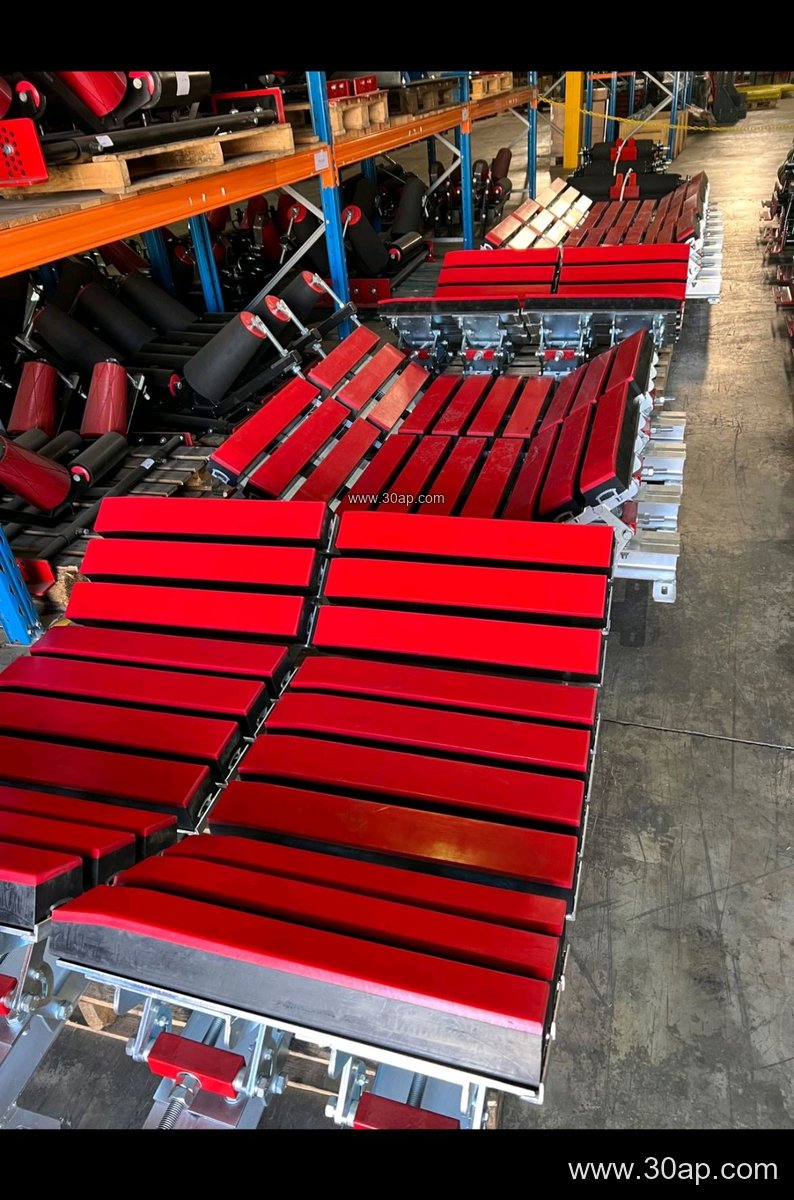
How the Bracket Is Built
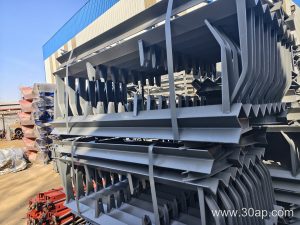
Most units are fabricated from angle steel, channel steel, or folded steel plate. The frame carries adjustable arms or slotted bases that accept standard idler shafts. Common configurations include three-roller trough sets, two-roller V-return sets, and transition arrangements near the head and tail. A typical adjustable bracket allows the trough angle to be set anywhere between about 20 and 45 degrees, with 30 and 35 degrees being frequent choices for bulk material.
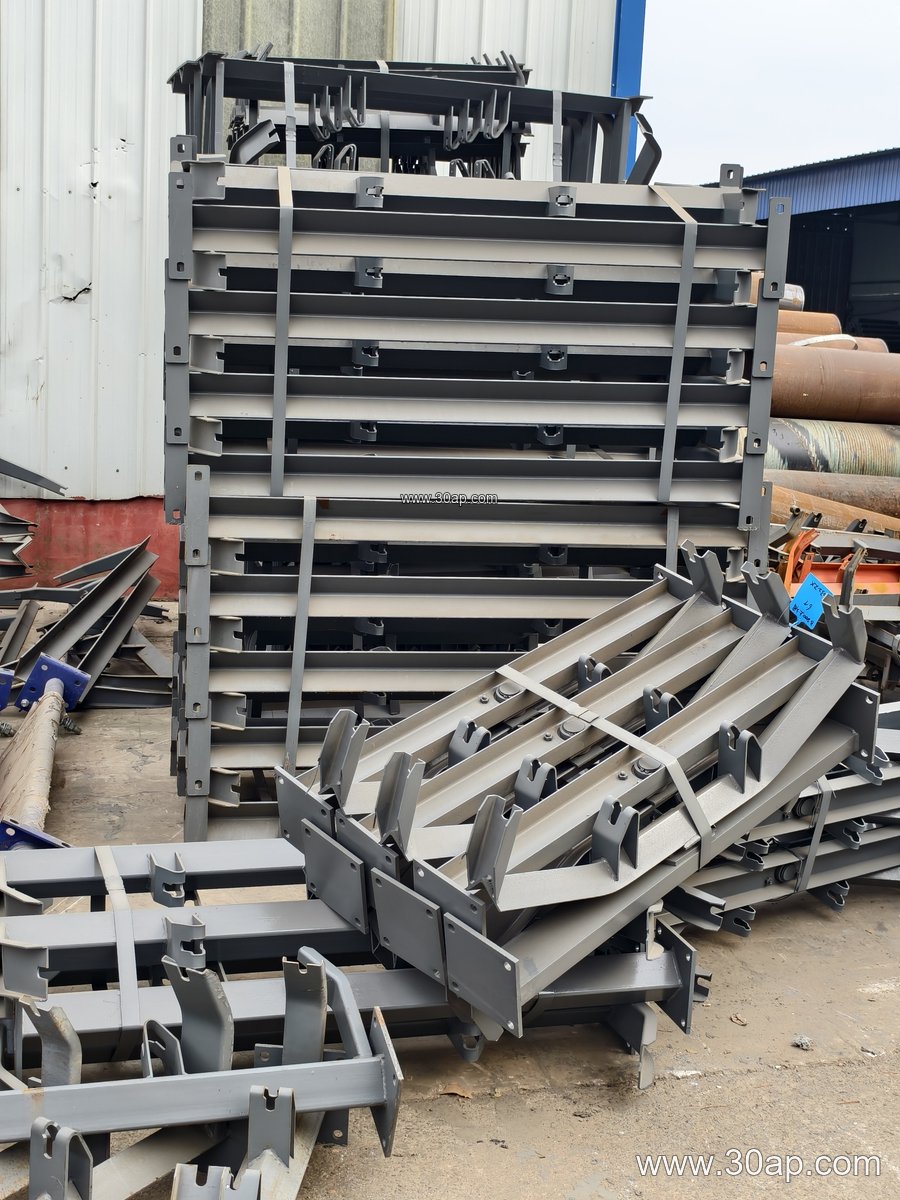
Mounting hole spacing and crossbeam length are not fixed numbers. They follow the belt width, the selected trough angle, and the roller diameter, so buyers should confirm these details against the conveyor drawing rather than assume a standard layout.
Where Adjustable Brackets Are Used
Aggregate and Crushing Lines
In a sand and gravel plant or a stone crushing circuit, feed size and belt loading change from one stage to the next. An adjustable bracket lets the operator fine-tune the trough so that a heavy-duty mining conveyor belt with a thick cover tracks well even when the load is uneven.
Coal Handling and Power Plants
Coal mining conveyor belt systems and power plant coal yards often use flame retardant conveyor belt and anti-static conveyor belt constructions. Here the bracket must hold the roller set firmly while still allowing periodic angle correction as the belt stretches or the transfer point is modified.
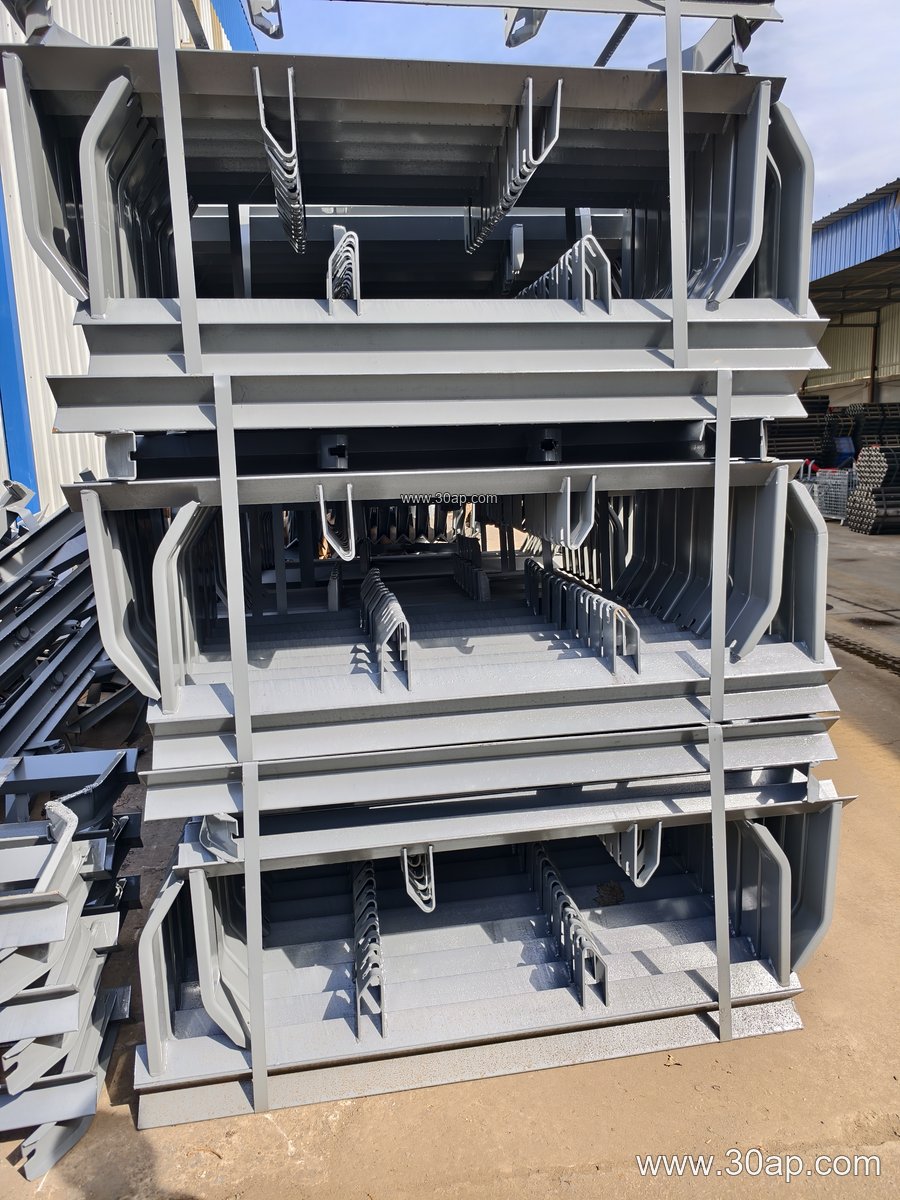
Matching Bracket, Belt, and Roller
The table below shows common reference combinations. These are examples for orientation only and are not mandatory pairings.
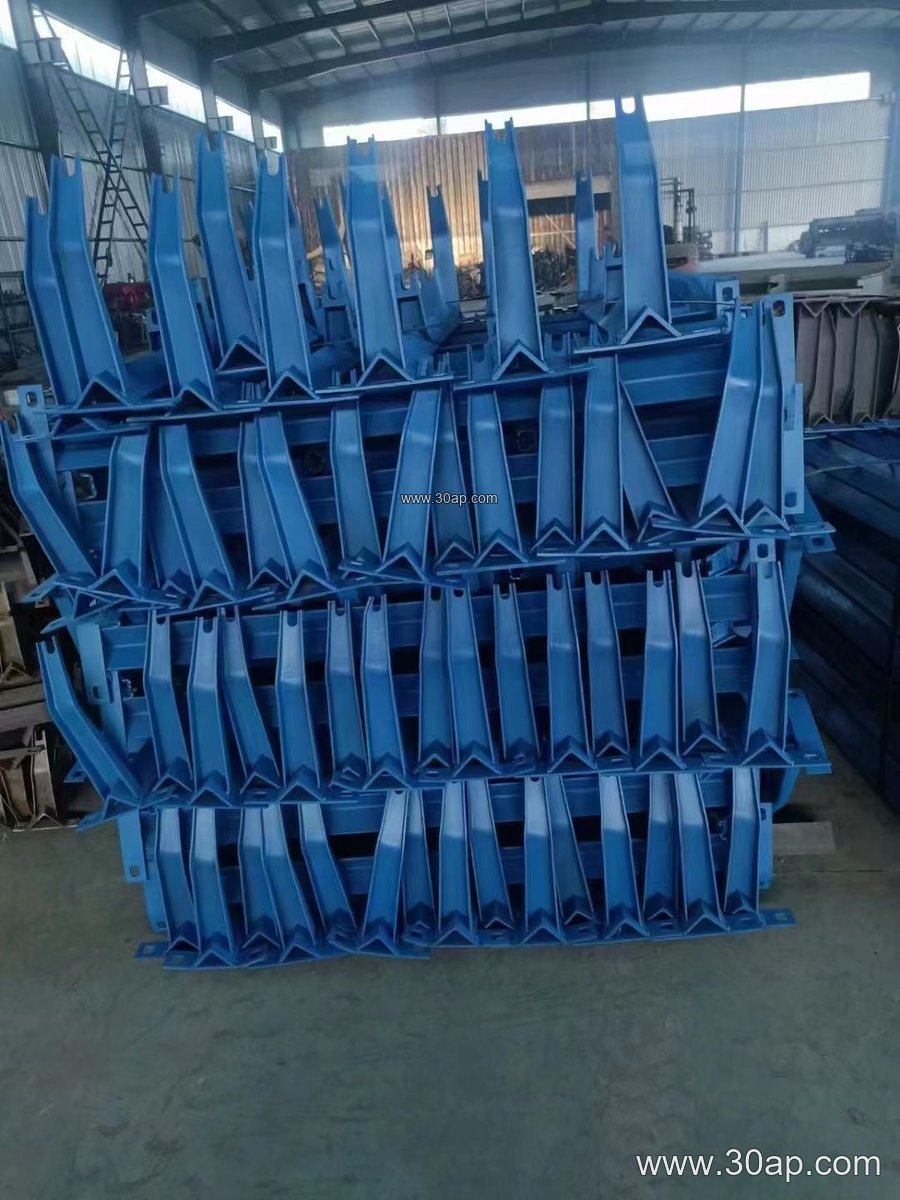
| Belt Width | Trough Angle | Roller Diameter | Typical Use |
|---|---|---|---|
| B650 | 30 degrees | Ø89 | Light aggregate, small transfer |
| B800 | 35 degrees | Ø108 | General bulk material |
| B1000 | 35 degrees | Ø133 | Cement and coal lines |
| B1200 | 45 degrees | Ø133 | High-capacity ore transport |
| B1400 | 45 degrees | Ø159 | Heavy-duty mining duty |
| B1600 | 35 degrees | Ø159 | Port and stockyard conveyors |
A wider belt does not force one particular angle or roller size. A B1200 line may run at 35 degrees with Ø133 rollers in one plant and at 45 degrees with Ø159 rollers in another, depending on capacity and material angle of repose. What matters is that the bracket, roller, and belt are specified as a set.
Adjustable Versus Fixed Brackets
A fixed bracket is welded or bolted to a single geometry, which is simple and stiff but offers no correction after installation. The adjustable version costs a little more in fabrication but pays back when a conveyor is upgraded, when a transition zone needs a gentler angle, or when a different product is loaded onto the same line. For a crusher conveyor belt that sees frequent changes, the adjustable design is often the more practical choice.
Buyer Checklist
- Confirm belt width and required trough angle range before ordering.
- Match the bracket slot pattern to the actual idler shaft diameter.
- Check frame material and finish against the site environment, especially in washdown or corrosive areas.
- Ask how the angle is locked after adjustment, since vibration can loosen simple slotted joints.
- Review the transition distance from the pulley so the belt is not forced into a sharp bend.
For related components, buyers often review the conveyor pulley, idler roller, and conveyor bracket as one package. A well-matched adjustable conveyor bracket keeps the belt centered, extends roller life, and makes future conveyor changes far easier to manage.