What Is a Conveyor Leg?
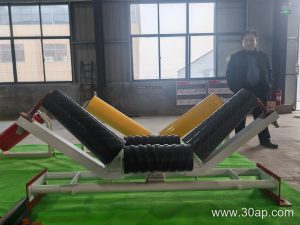
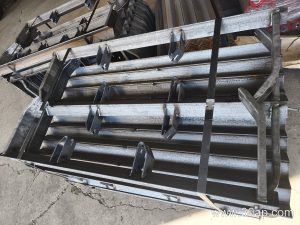
A conveyor leg is a structural support component that carries the weight of a belt conveyor system at intermediate points along its length. It typically consists of vertical posts made from angle steel, channel steel, or formed steel plate, connected by cross beams that hold idler rollers or conveyor pulleys in position. In many bulk material handling operations, the conveyor leg—often supplied as part of a conveyor bracket assembly—provides the stable foundation that keeps the belt properly aligned and tensioned between the head and tail sections.
While the term may bring to mind a simple vertical post, a well-designed conveyor leg is a carefully engineered part of the overall support structure. It must accommodate the specific belt width, trough angle, and roller diameter used on the conveyor, and it must transfer loads safely to the ground or to a structural framework.
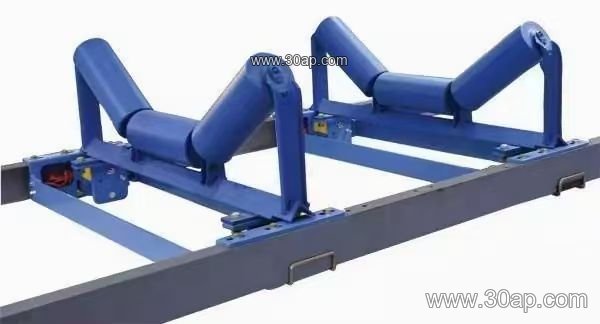
Construction and Key Components
Most conveyor legs are fabricated from common structural steels. Angle steel is frequently used for lighter-duty applications, while channel steel or folded steel plate may be chosen for heavier loads or longer spans. The leg assembly usually includes mounting plates or brackets at the top to secure the idler frame or pulley bearing housing, and a base plate at the bottom for anchoring to concrete or steel foundations.
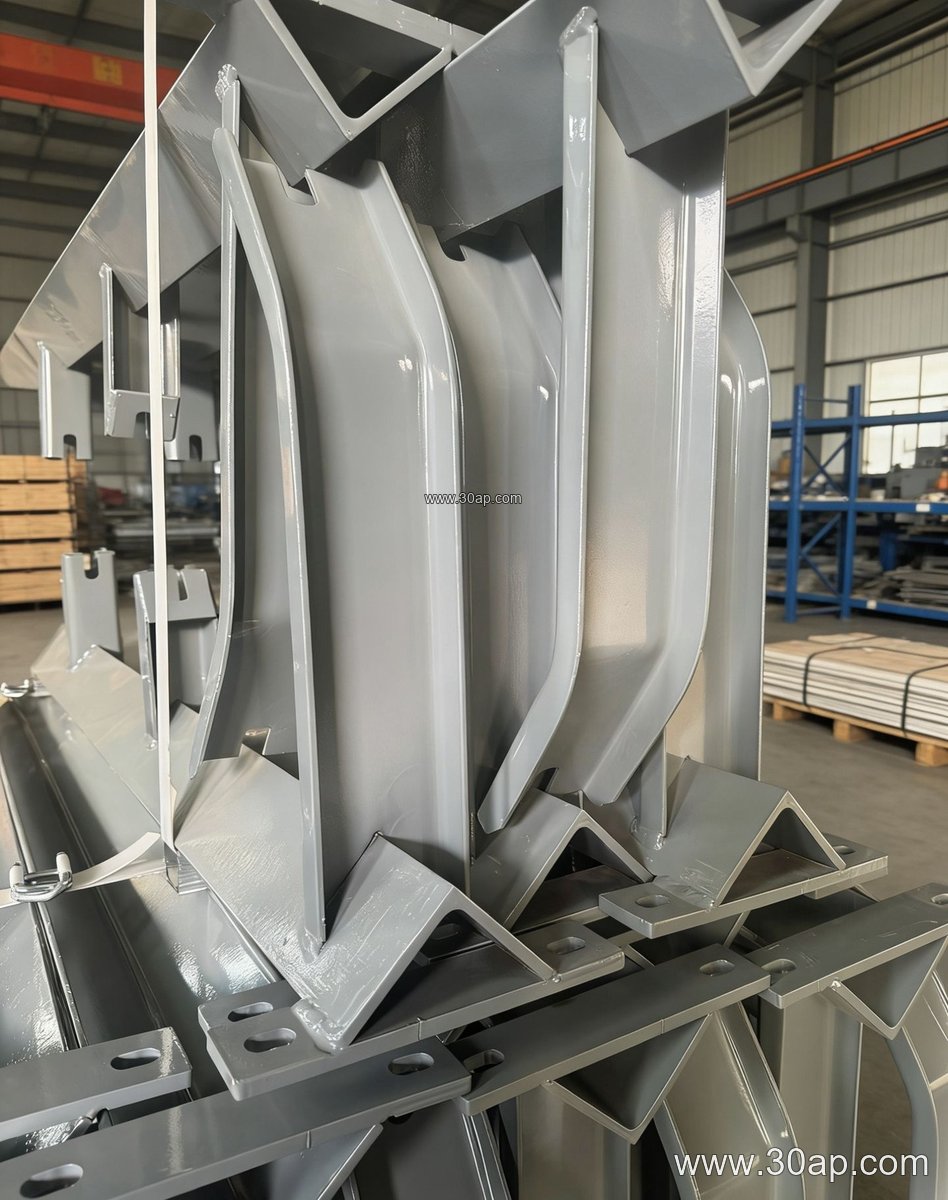
The connection between the leg and the conveyor frame may be fixed or adjustable. Adjustable conveyor legs allow minor height corrections during installation or when compensating for ground settlement, which can be valuable in temporary installations or in plants where floor levels are not perfectly uniform. Fixed legs are simpler and often more economical for permanent, well-prepared foundations.
Because the conveyor leg works together with the conveyor belt, idler roller, and conveyor pulley, its design must consider the forces these components introduce. Belt tension, material load, and the weight of the rollers all pass through the leg structure. In mining and quarry applications, where a heavy-duty mining conveyor belt may carry large lumps of rock, the legs are typically sized with a greater safety margin than those used for lighter materials.
Where Conveyor Legs Are Used
Conveyor legs appear in almost every industry that relies on belt conveying. In a limestone quarry or sand and gravel line, they support the long overland conveyors that move raw material from the pit to the crushing and screening plant. In a coal washing plant or power plant coal yard, they carry the conveyor frames that transport fuel to stockpiles or boilers. Cement plants use them extensively on clinker and raw meal conveyors, while steel mills and sinter plants rely on robust leg structures to handle hot or abrasive materials.
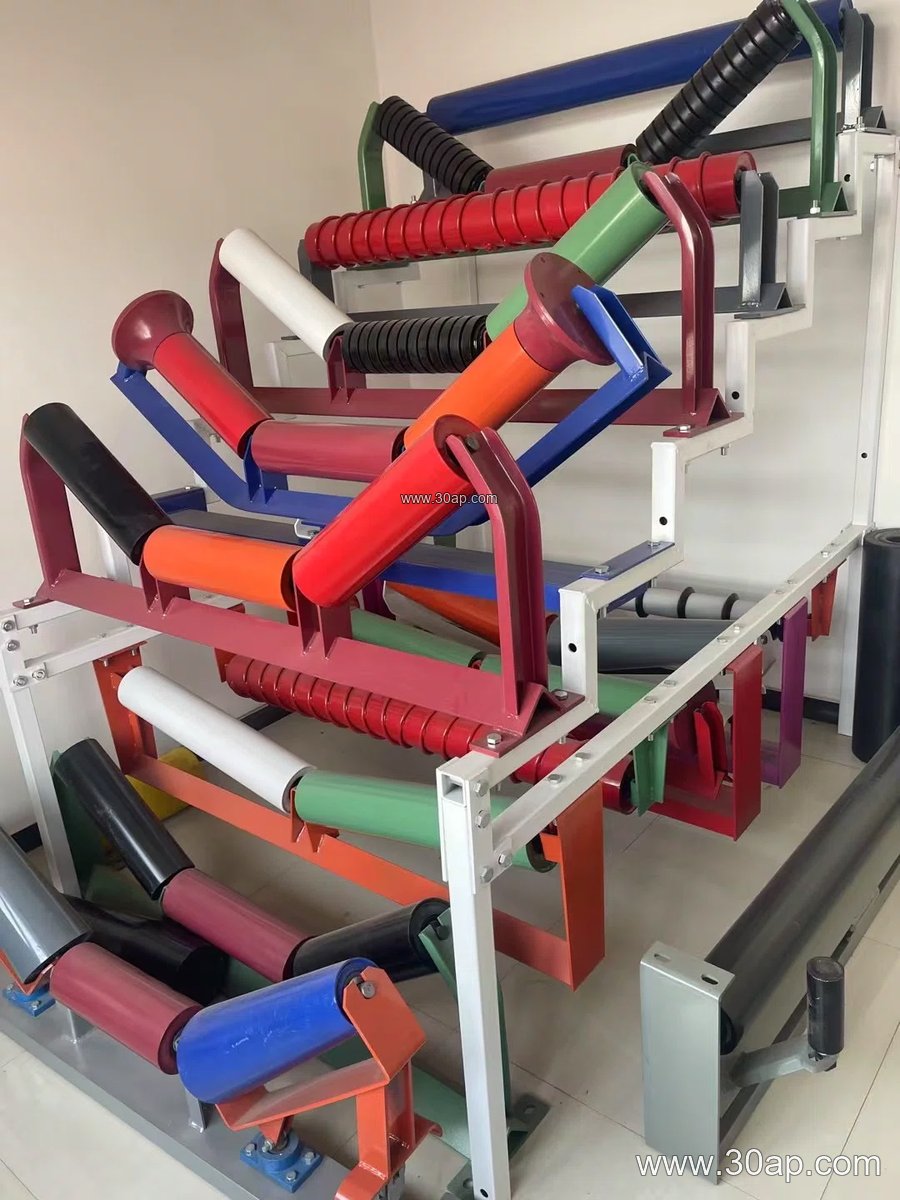
Port facilities and ship loading conveyors often use taller leg assemblies to achieve the required discharge heights. In tunnel mucking operations, compact and sometimes adjustable legs help fit the conveyor into confined spaces. Even food processing and grain silo applications may use conveyor legs, though the materials and surface finishes are chosen with hygiene and corrosion resistance in mind.
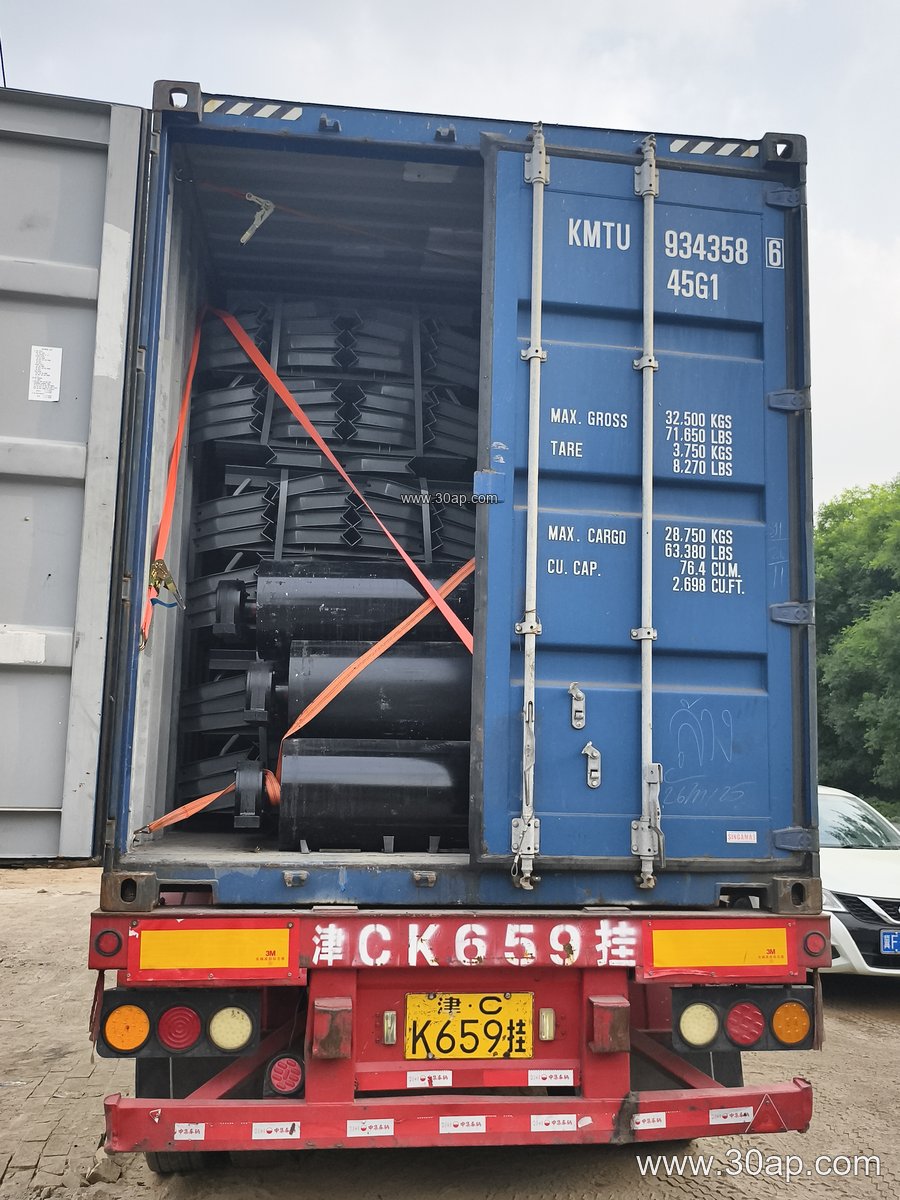
Matching Legs to Belt Width, Trough Angle, and Roller Diameter
There is no single conveyor leg size that fits every conveyor. The leg height, cross beam length, and mounting hole spacing are determined by the belt width, the trough angle of the idler set, and the roller diameter. Common belt widths include B500, B650, B800, B1000, B1200, B1400, B1600, B1800, B2000, B2200. Trough angles of 20, 30, 35, and 45 degrees are widely used, and adjustable brackets can often be set within a range of these angles. Roller diameters such as Ø89, Ø108, Ø133, Ø159, and Ø194 are typical, with the choice depending on load and belt speed.
For example, a B800 conveyor with a 35-degree trough angle and Ø108 idler rollers might use a medium-duty leg assembly, while a B1200 conveyor with a 45-degree trough and Ø133 rollers would require a larger, heavier frame. A B650 conveyor with a 30-degree trough and Ø89 rollers could use a lighter leg structure. These are illustrative combinations, not fixed rules—final selection should always follow the conveyor designer’s specifications.
Buyer Checklist for Conveyor Legs
- Confirm the belt width and trough angle so the cross beam and mounting holes match the idler frame.
- Check the roller diameter to ensure the leg height provides the correct belt line elevation.
- Decide between fixed and adjustable legs based on foundation conditions and whether future height changes are expected.
- Review the steel grade and surface treatment for the environment—galvanized or painted legs may be preferred in wet or corrosive locations.
- Consider the load from the conveyor belt, material, and any accessories such as skirted conveyor belt or corrugated sidewall belt that may increase weight.
- Verify anchoring details with the foundation design to avoid vibration or misalignment.
In summary, the conveyor leg is a deceptively simple but essential element of a belt conveyor system. Selecting the right leg for the belt width, trough angle, and roller size helps maintain stable belt tracking, reduces maintenance, and keeps material flowing efficiently in quarries, mines, cement plants, power stations, and ports.