What a Mining Flame Retardant Conveyor Belt Is
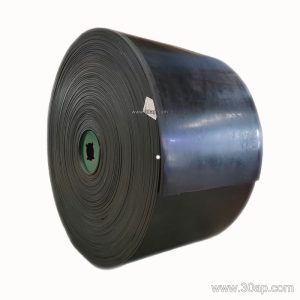
A Mining Flame Retardant Conveyor Belt is a heavy-duty belt built to carry coal, ore, aggregate and other bulk materials while limiting fire risk along the conveyor line. It is a Flame Retardant Conveyor Belt formulated for mining duty, where dust, fines and enclosed spaces raise the stakes. In coal preparation plants, cement works, power stations and quarry operations, the same belt is often specified as a Fire Resistant Conveyor Belt because the two terms describe the same protective function.
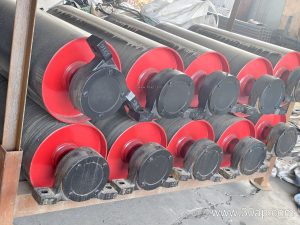
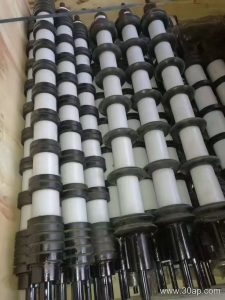
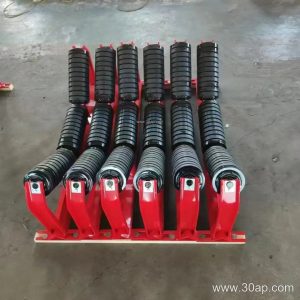
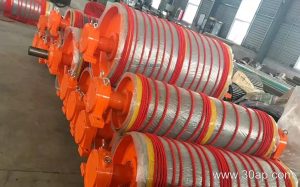
The belt does not replace good housekeeping or proper guarding. It is one layer of protection that works together with idler rollers, conveyor pulleys and conveyor brackets to keep a bulk material conveyor running safely.
How the Belt Is Built
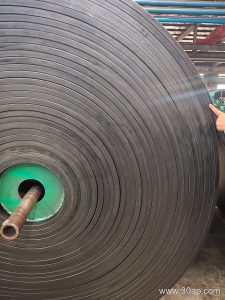
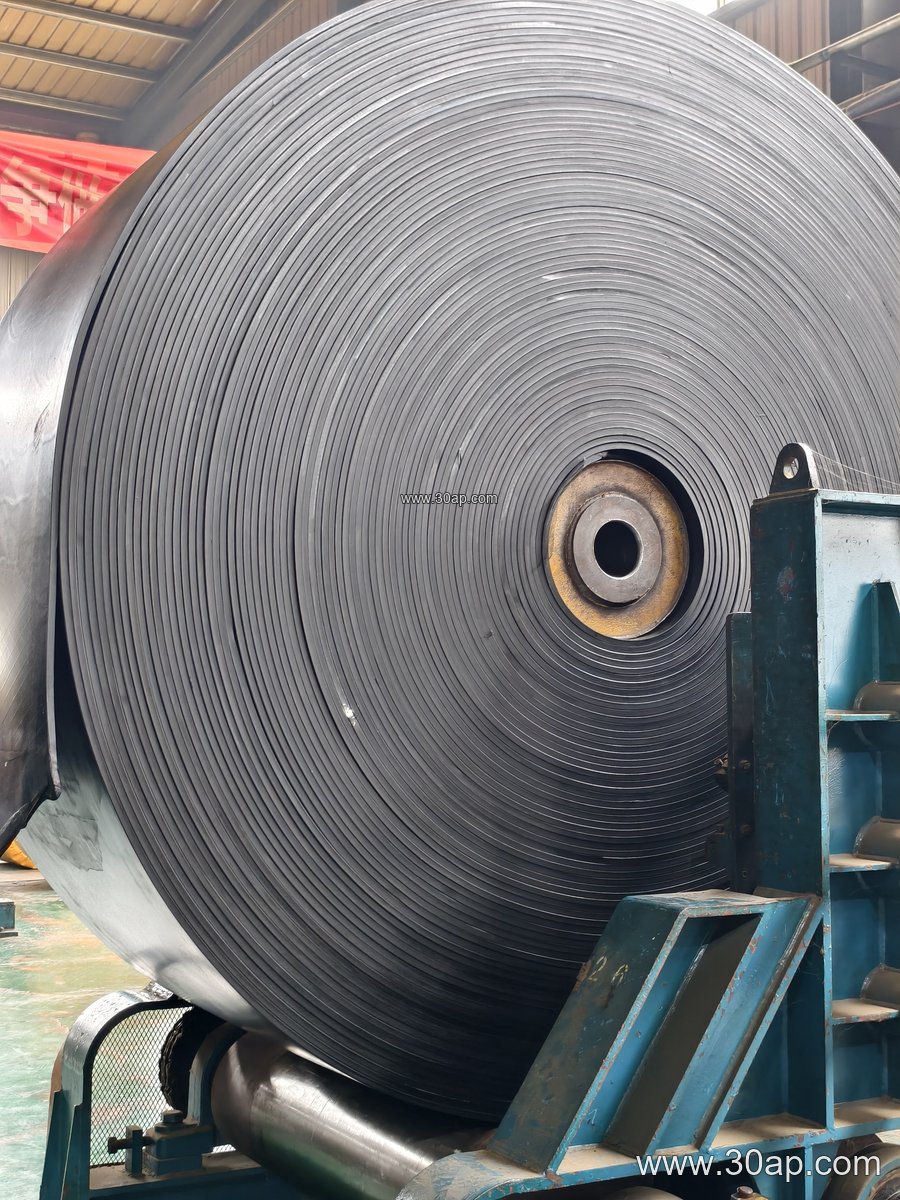
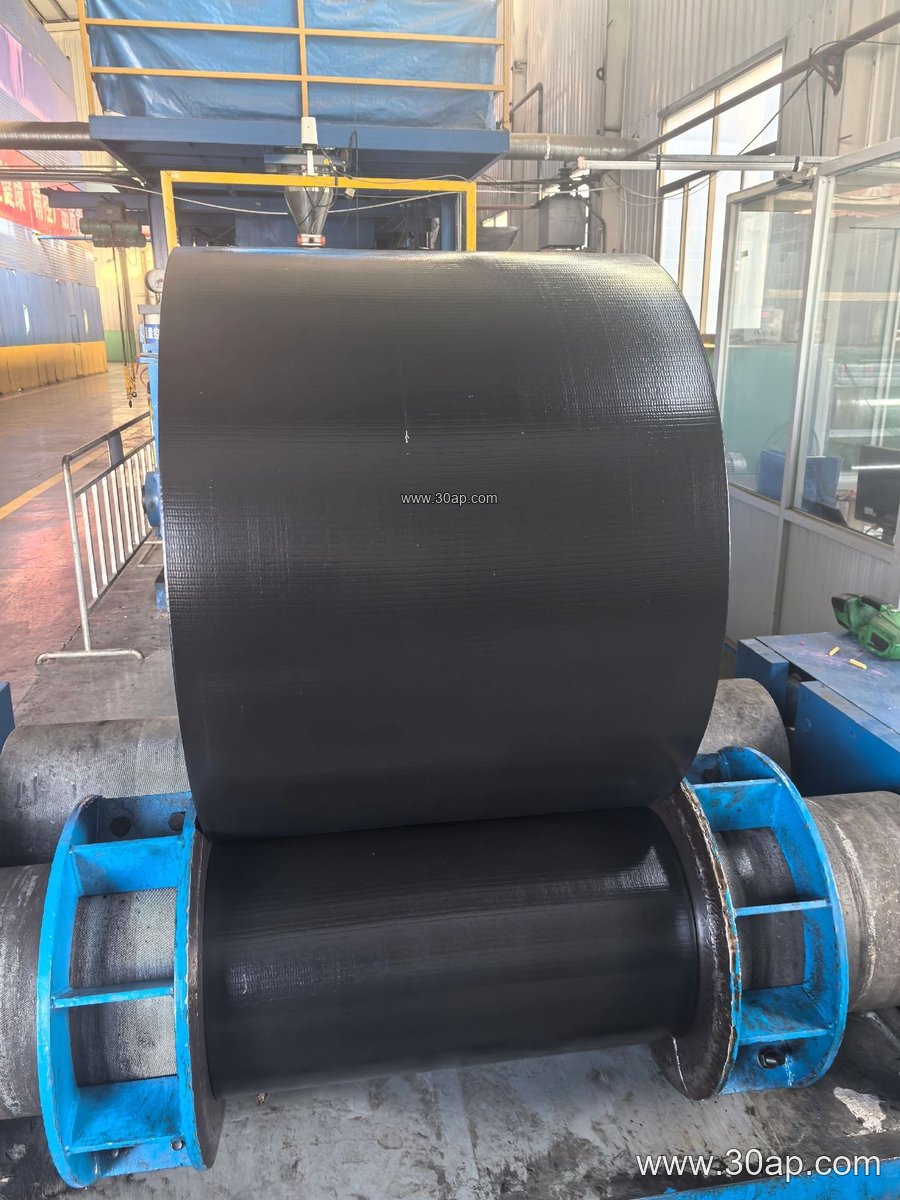
Most mining belts use a fabric core or a steel cord core. A Fabric Core Conveyor Belt such as an EP Conveyor Belt or NN Conveyor Belt uses layered synthetic fabric for tensile strength. A Steel Cord Conveyor Belt uses parallel steel wires for long runs and high tension. The flame retardant compound is applied to the cover and often to the skim between plies.
Common constructions include:
- EP (polyester-nylon) fabric core for general mining and aggregate duty
- NN (nylon-nylon) fabric core for high impact and flexing
- Steel cord for long overland and high-capacity lines
- PVG or PVC solid-woven for underground coal mining conveyors
Cover thickness is usually stated as top plus bottom, for example 4+2 mm or 6+2 mm, with 2 to 6 fabric plies in common use. A buyer should confirm the actual construction with the supplier rather than assume a fixed pairing of strength grade and cover gauge.
Typical Strength and Width Reference
The table below shows common reference figures. These are examples, not universal specifications, and final values are determined by conveyor design.
| Parameter | Common reference values |
|---|---|
| EP strength grades | EP200, EP315, EP400, EP500, EP630, EP800, EP1000, EP1250, EP1600, EP2000 |
| Steel cord grades | ST1000, ST1250, ST1600, ST2000, ST2500, ST3150 |
| Belt width | B500, B650, B800, B1000, B1200, B1400, B1600, B1800, B2000 |
| Cover gauge | 3+1.5, 4+2, 5+2, 6+2, 8+3 mm |
| Fabric plies | 2 to 6 layers, common |
Width and pulley diameter are matched by conveyor design, not by a fixed rule. A 1200mm wide belt may run on different pulley sizes depending on tension and shaft load, so never derive a shaft diameter from belt width alone.
Where It Is Used
The belt suits coal mining conveyors, underground coal mining conveyors, cement plant lines, power plant coal handling, iron ore and copper ore systems, and quarry or aggregate conveyors. In these settings it may also need abrasion resistance, anti-static behavior or oil resistance, so a single belt often combines several properties.
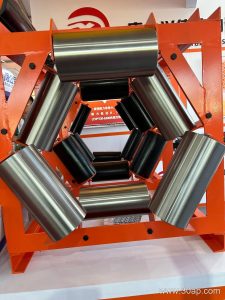
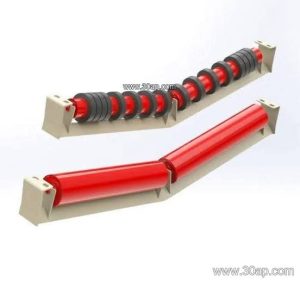
Related equipment matters too. Idler rollers support the belt, while drive, tail and bend pulleys each do a distinct job and are not interchangeable. A correctly aligned conveyor pulley and well-selected conveyor brackets reduce edge damage and extend belt life.
Buyer Checklist
- Confirm the required flame retardant and anti-static performance for the site
- State the material, lump size, capacity and incline so the core and cover can be chosen
- Check whether a Chevron Conveyor Belt or Corrugated Sidewall Conveyor Belt is needed for steep sections
- Review cover grade against abrasion, heat or oil exposure
- Ask for the actual construction and test data rather than relying on a grade name
For a reliable result, match the Mining Flame Retardant Conveyor Belt to the whole conveyor system, from the loading point to the discharge pulley, and keep maintenance records for rollers, pulleys and belt splices.