What an Anti-Slip Lagged Pulley Does
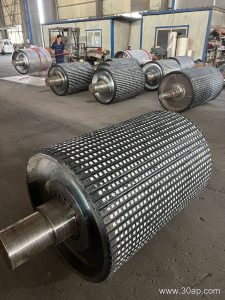
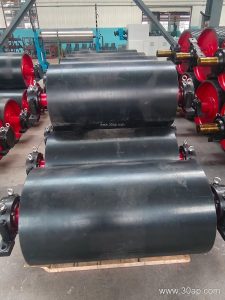
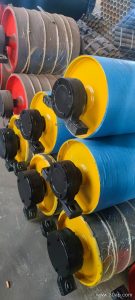
An anti-slip lagged pulley is a conveyor pulley whose shell is covered with a high-friction lagging to prevent belt slippage under load. Often called a lagged conveyor pulley or rubber-lagged pulley, it is a drive or tail pulley that relies on the lagging surface to transmit torque or maintain belt tension without slipping. In a quarry or cement plant, a standard smooth pulley may lose grip when the belt is wet or heavily loaded; the anti-slip lagged version keeps the conveyor belt moving steadily.
The term “anti-slip” refers to the lagging’s ability to maintain friction between the pulley shell and the belt. This is especially important on drive pulleys, where torque transfer must be reliable. It is also useful on tail pulleys that need to keep the belt centered and tensioned. The lagging can be rubber, ceramic, or a composite material, and the surface pattern may be smooth, diamond, or herringbone.
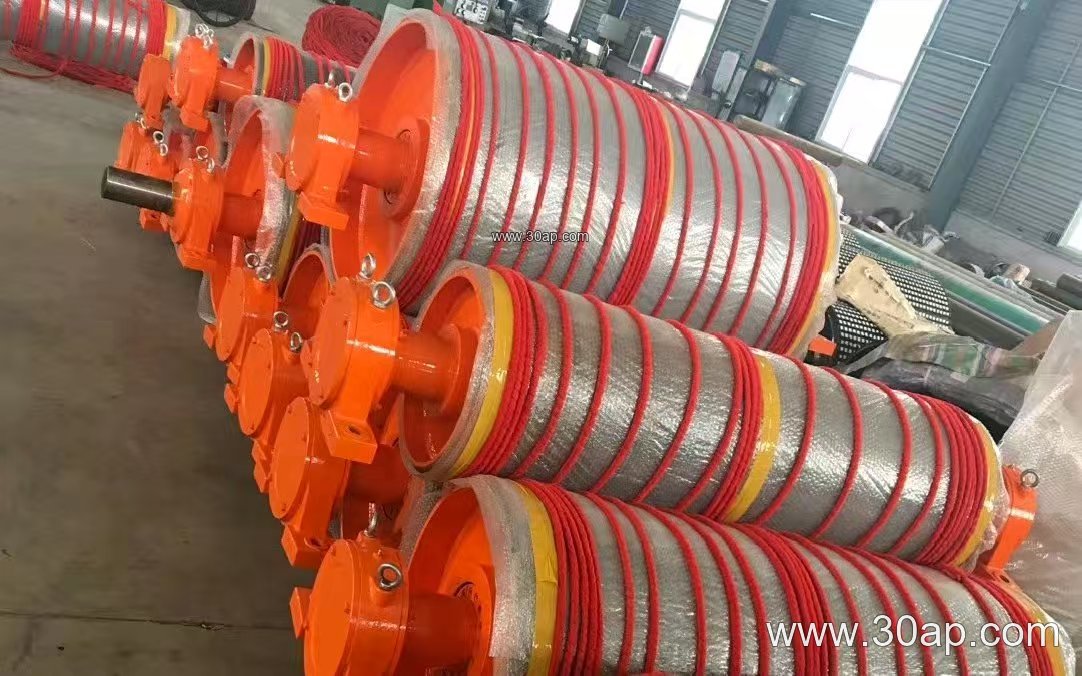
Construction and Surface Options
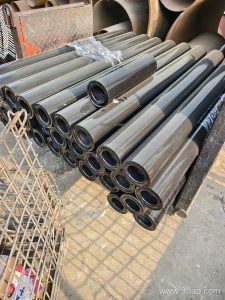
A typical anti-slip lagged pulley starts with a steel shell, welded to end discs and a shaft. The shaft diameter is determined by torque and load, not by belt width alone. Common shaft sizes include Ø50, Ø60, Ø80, Ø100, Ø120, and Ø140 mm, but final selection depends on the conveyor design. The lagging is bonded to the shell by cold bonding or hot vulcanization. Rubber lagging thickness is commonly 8, 10, 12, 15, or 20 mm. Diamond and herringbone patterns are popular because they channel water away and improve grip in wet conditions.
For abrasive environments such as an iron ore or copper ore operation, ceramic lagging may be chosen for extended wear life. In a coal mining conveyor system, flame retardant and anti-static properties of the lagging may be required. The pulley face width is usually wider than the belt: for example, a B800 belt may use a pulley face around 950 mm, and a B1200 belt may use about 1400 mm. These are typical references, not fixed rules.
Where It Is Used
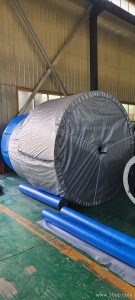
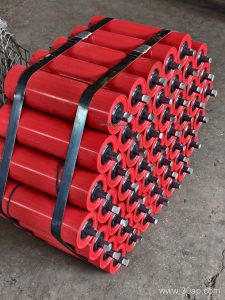
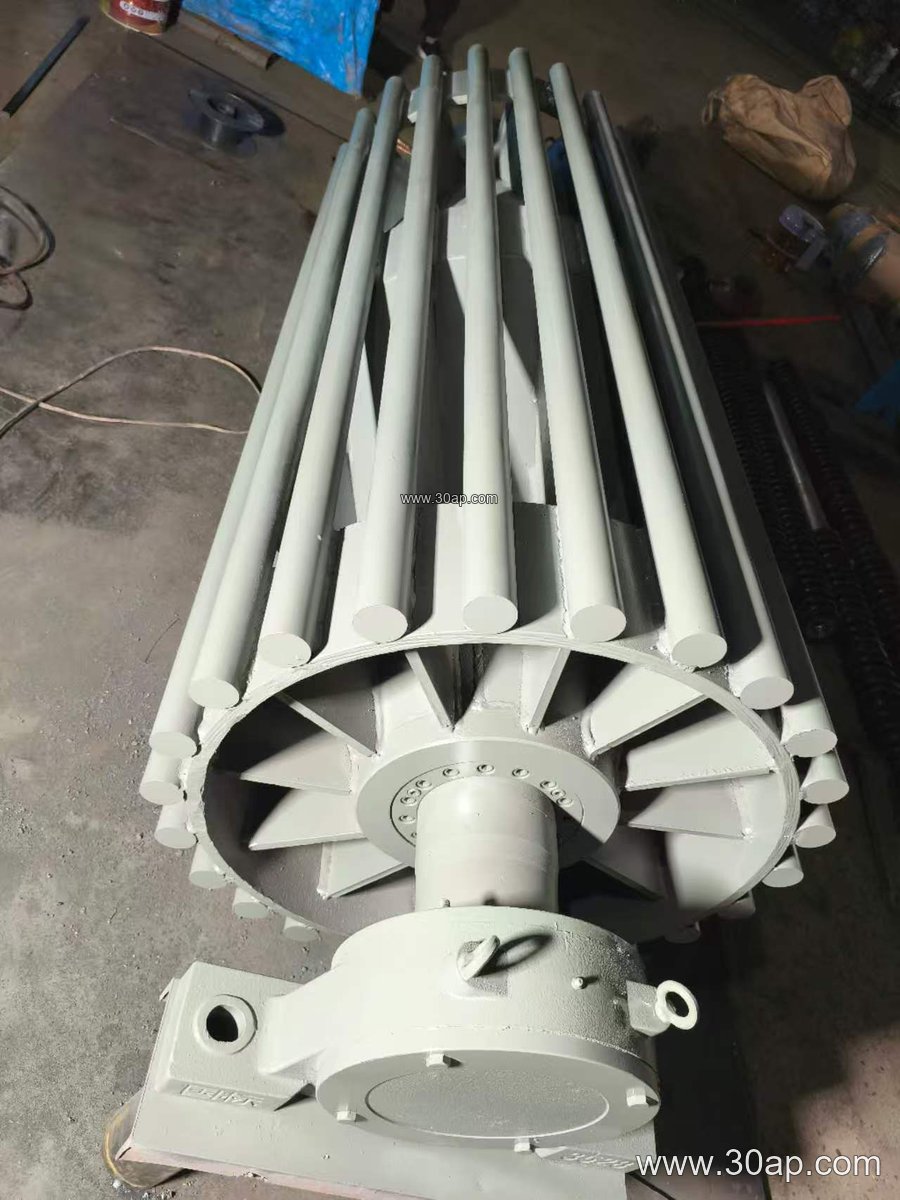
Anti-slip lagged pulleys appear in many bulk handling industries. In a sand and gravel plant, they help the head pulley drive the belt without slipping when material is wet. In a power plant coal handling system, they maintain traction on long overland conveyors. In a cement plant, they are found on clinker and raw material conveyors. They also work in port bulk terminals, steel plants, and tunneling projects. The pulley is often paired with a heavy-duty conveyor belt, such as an EP conveyor belt or steel cord conveyor belt, and supported by idler rollers and conveyor brackets.
On a typical conveyor, the drive pulley is the main anti-slip lagged pulley, while the tail pulley may also be lagged for better belt tracking. Bend pulleys and take-up pulleys are usually not the main subject here, but they may use lagging for different reasons. For example, a bend pulley might have a plain rubber lagging to reduce wear, whereas a drive pulley needs a patterned anti-slip surface.
Specification Examples
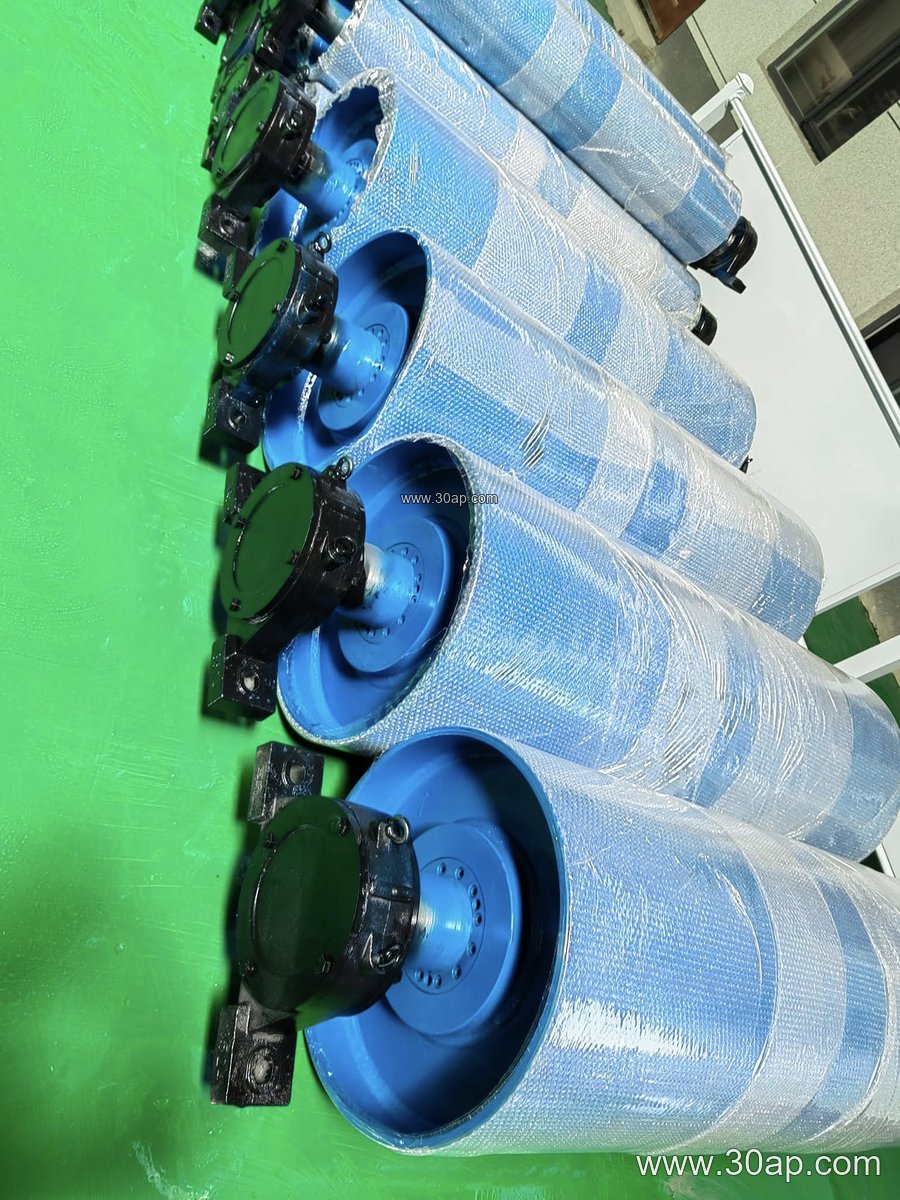
The table below shows common combinations of belt width, pulley diameter, and lagging thickness. These are reference values for discussion, not mandatory matches.
| Belt Width | Common Pulley Diameter | Lagging Thickness | Typical Surface |
|---|---|---|---|
| B500 | Ø250–Ø400 | 8–10 mm | Diamond rubber |
| B650 | Ø315–Ø500 | 10–12 mm | Diamond or herringbone |
| B800 | Ø400–Ø630 | 10–15 mm | Herringbone rubber |
| B1000 | Ø500–Ø800 | 12–15 mm | Diamond rubber or ceramic |
| B1200 | Ø630–Ø1000 | 15–20 mm | Ceramic or heavy rubber |
| B1400 | Ø800–Ø1250 | 15–20 mm | Ceramic lagging |
These combinations are indicative. A B1200 belt may work with a Ø800 pulley in one conveyor and a Ø1000 pulley in another, depending on belt tension and torque. Shaft diameter is selected by the engineer based on load, not by a fixed rule from belt width.
Buyer Checklist
- Confirm the pulley’s role: drive, tail, or bend. The anti-slip lagged pulley is most critical on the drive.
- Specify belt width and expected belt tension so the manufacturer can recommend a suitable shell and shaft.
- Choose lagging material and pattern according to environment: rubber for general use, ceramic for high abrasion, flame retardant for coal mining.
- Check compatibility with the conveyor belt type, such as abrasion resistant conveyor belt or heat resistant conveyor belt.
- Ask for lagging thickness and bonding method, and verify the pulley face width is wider than the belt.
- Consider maintenance: worn lagging can be re-lagged, but ceramic tiles may need specialist repair.
For more information on conveyor pulleys and related components, visit www.example.com/conveyor-pulley or www.example.com/lagged-pulley. A properly selected anti-slip lagged pulley reduces downtime and keeps material moving in demanding industries like mining, quarrying, and power generation.