What an Oil Resistant Conveyor Belt Is
An Oil Resistant Conveyor Belt is a rubber conveyor belt built with a cover compound that resists swelling, hardening and cracking when it contacts mineral oils, vegetable oils, animal fats and many oily industrial fluids. In plants where lubricant drips onto the line, or where the conveyed material itself carries oil, a standard rubber belt may soften and lose cover thickness quickly. The oil resistant grade is formulated to keep its mechanical properties longer under that exposure. It is a distinct product from a Heat Resistant Conveyor Belt or a Flame Retardant Conveyor Belt, although a single belt can combine oil resistance with one of those properties when the duty requires it.
How the Belt Is Built
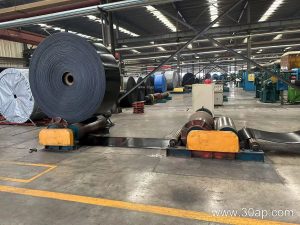
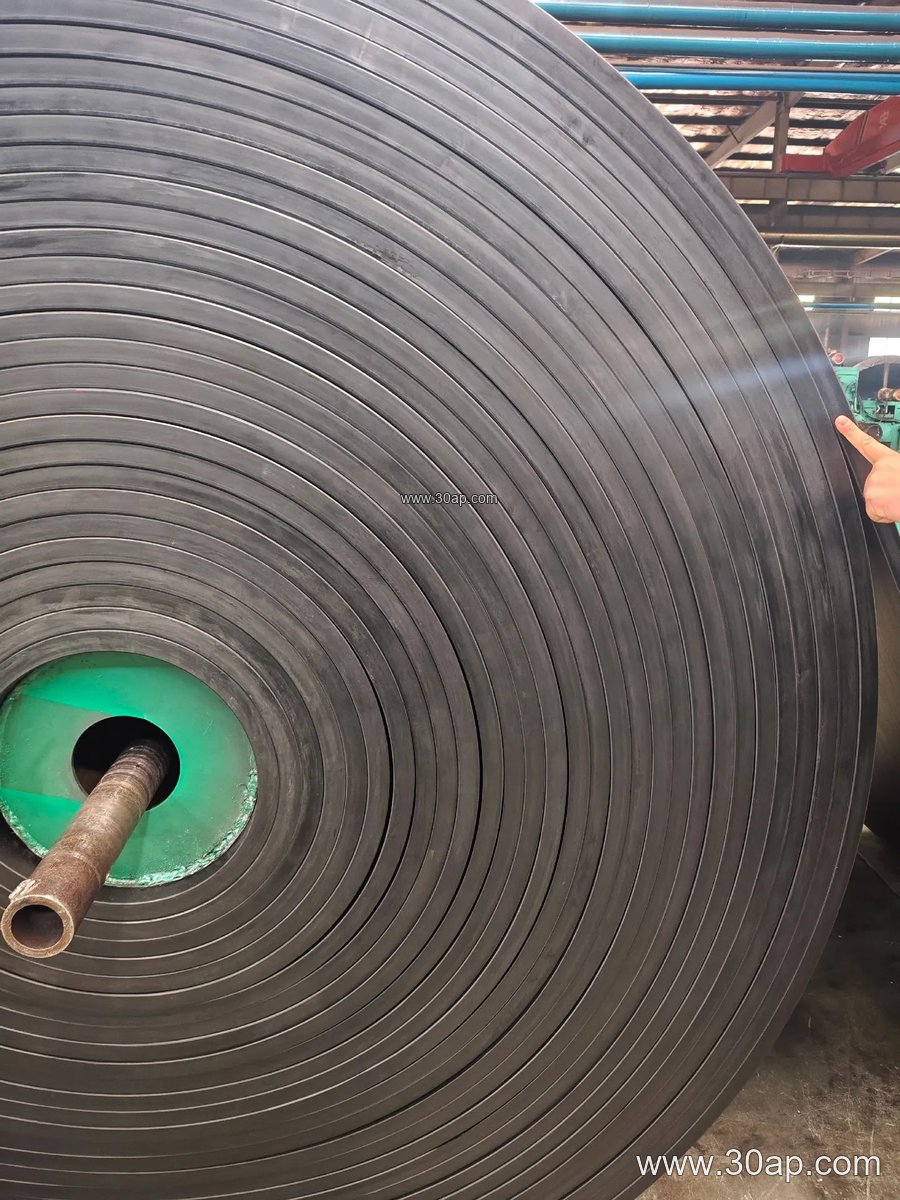
The construction follows the usual layered pattern of a Fabric Core Conveyor Belt. A typical build includes:
- A tension-carrying carcass, usually EP fabric (polyester warp, polyamide weft) or NN nylon fabric, in 2 to 6 plies depending on load.
- Skim and friction layers that bond the plies and protect the carcass from oil migration.
- Oil resistant top and bottom covers, commonly 3+1.5 mm, 4+2 mm, 5+2 mm, 6+2 mm or 8+3 mm, selected by abrasion and impact severity rather than by oil exposure alone.
- Optional edge protection, breaker fabric or a reinforced edge strip for wide belts.
The quality of an Oil Resistant Conveyor Belt depends heavily on the carcass bond. If oil reaches the fabric, ply separation can begin even when the cover looks intact, so buyers should ask how the skim compound and the cover-to-carcass adhesion are controlled.
Where It Is Used
Oily bulk and unit loads appear across many sectors. Typical duties include:
- Cement plants handling oil-soaked clinker dust, kiln feed and lubricated machinery areas.
- Steel plants conveying oily mill scale, scrap and coated parts.
- Power plants and coal yards where fuel or lubricant contamination is possible.
- Quarries, sand and gravel plants, and aggregate conveyor lines with oil-wetted stone or recycled material.
- Recycling and waste sorting lines where mixed oily waste is carried.
- Food and feed plants moving oilseed, meal or fatty products, where a food grade cover may also be needed.
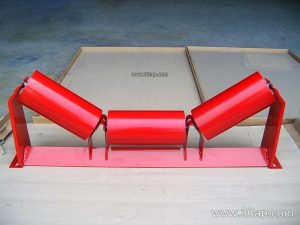
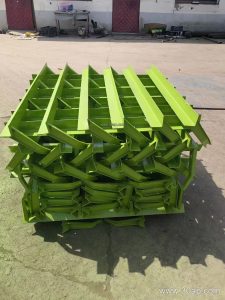
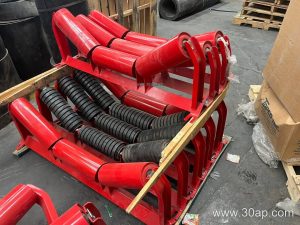
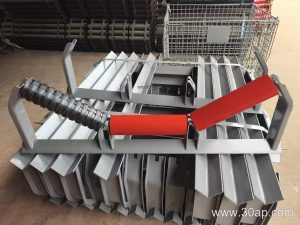
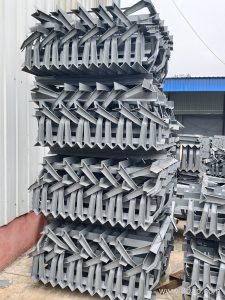
On a full conveyor, the belt runs over idler roller sets and around the head and tail conveyor pulley, with the frame held by conveyor bracket assemblies. Oil resistance in the belt does not remove the need to protect those components; oil-resistant idler lagging and pulley lagging are separate choices.
Common Specifications and Reference Data
The figures below are common industry reference ranges, not fixed supply promises. Actual values are confirmed by design for each project.
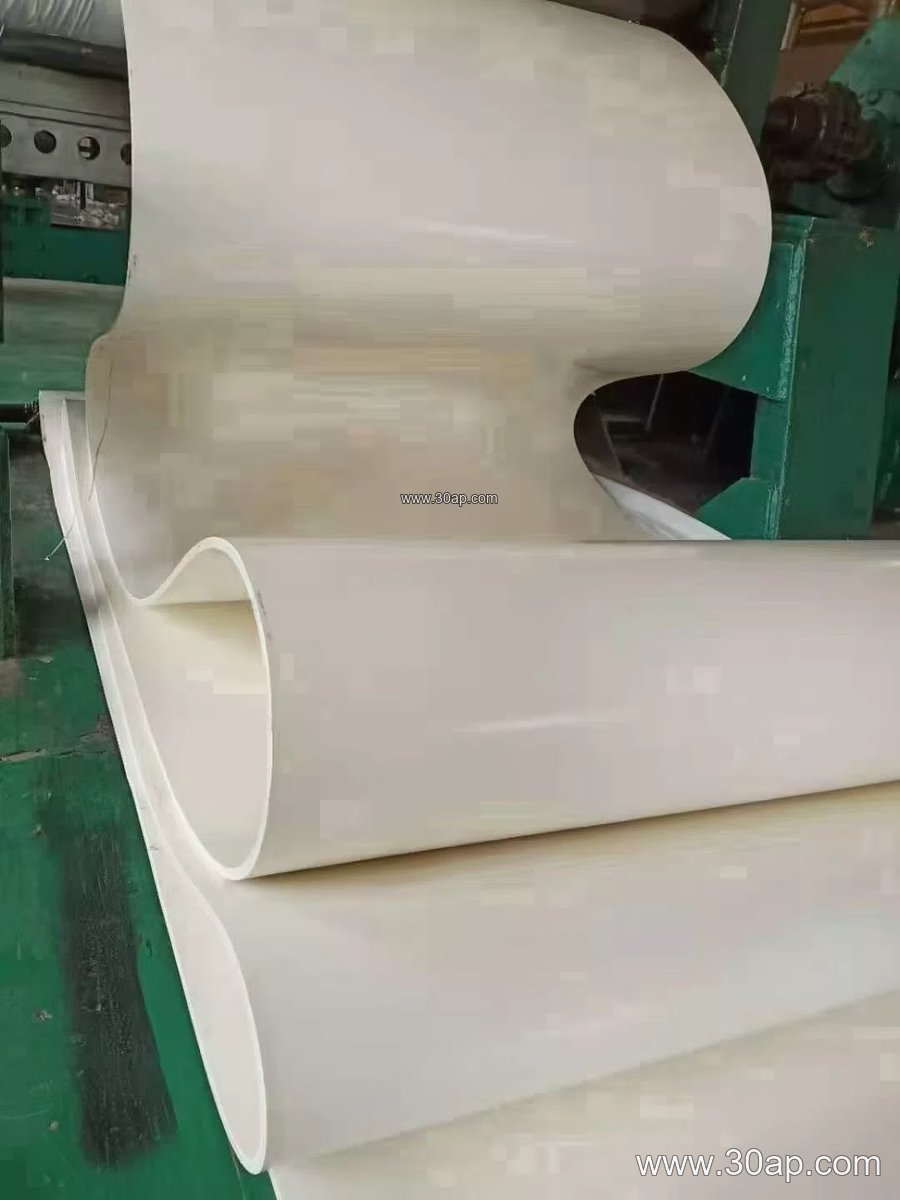
| Parameter | Common reference |
|---|---|
| Carcass type | EP fabric, NN fabric |
| Strength grades | EP200, EP315, EP400, EP500, EP630, EP800, EP1000, EP1250 |
| Belt width | B500, B650, B800, B1000, B1200, B1400, B1600, B1800 |
| Cover thickness (top + bottom) | 3+1.5 mm, 4+2 mm, 5+2 mm, 6+2 mm, 8+3 mm |
| Ply count | 2 to 6 plies, by design |
| Edge form | Cut edge or moulded edge |
A wide, heavily loaded line might use an EP1000 or EP1250 belt in 1200 mm or 1400 mm width, while a short transfer in a workshop may be satisfied by a narrower, lighter grade. Belt width and pulley diameter are matched through conveyor design calculations, not by a single fixed rule.
Selection Points for Buyers
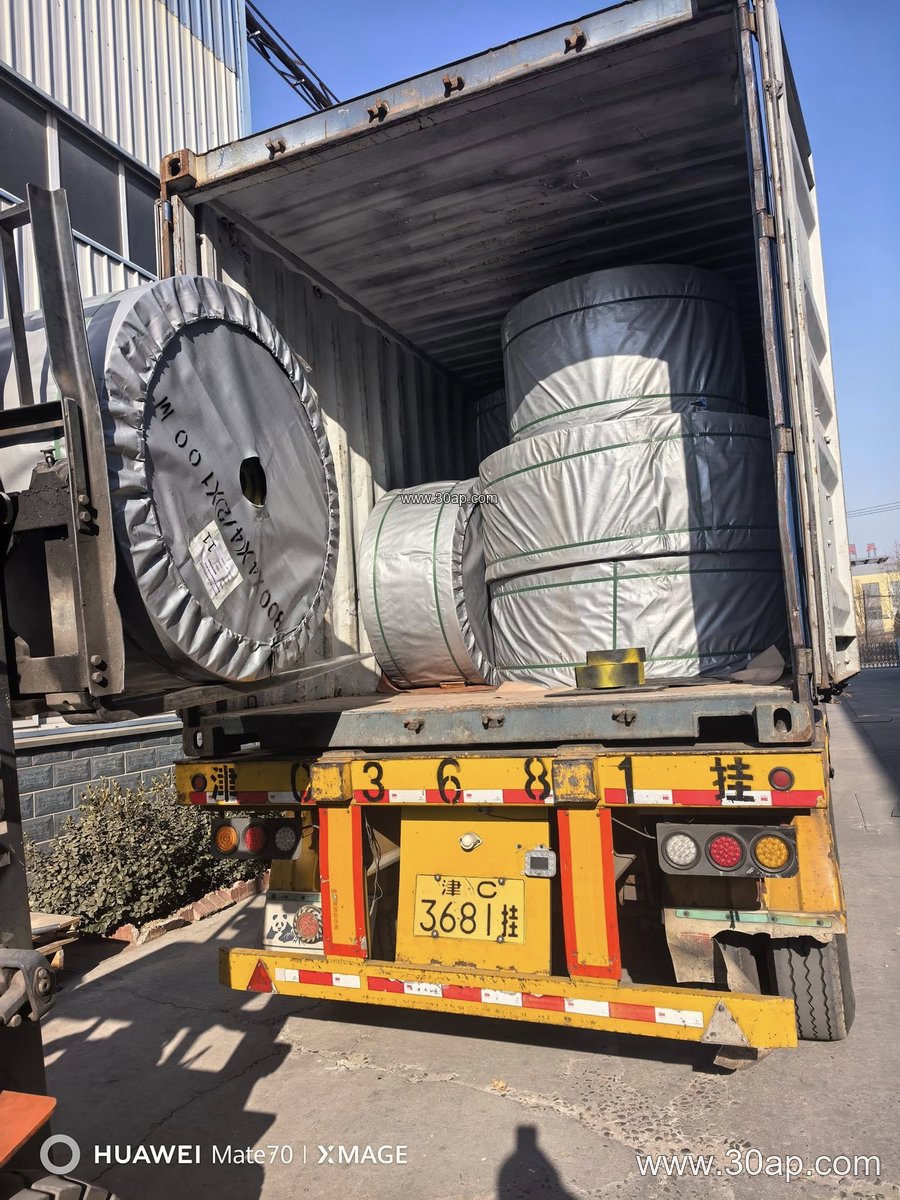
Oil resistance is not one property. Buyers should state the oil family involved, the contact temperature, the duration of exposure and whether the oil is a spill, a drip or part of the load. Animal and vegetable fats behave differently from mineral oils, and some synthetic fluids attack rubber compounds that handle petroleum products well. A supplier may recommend a different compound for each case.
Also confirm:
- The required tensile strength and safety factor for the conveyor length and incline.
- Whether flame resistance, anti-static behaviour or heat resistance must be combined with oil resistance, for example in a coal mining conveyor or an underground coal mining conveyor.
- Impact and abrasion severity at the loading point, which may call for a thicker cover or an impact resistant breaker layer.
- Whether a Chevron Conveyor Belt or a Corrugated Sidewall Conveyor Belt profile is needed to handle the incline, since these profiles can also be produced in oil resistant compounds.
- Splice method and whether an Endless Conveyor Belt is preferred for the duty.
Installation and Maintenance Notes
Keep oil drips from gearboxes and drive units away from the belt surface where possible. Clean spills promptly with a compatible cleaner rather than a strong solvent that may attack the cover. Inspect the cover regularly for softening, blistering or edge cracking, and check the carcass at splice areas. Track the belt so it does not rub against structure, and verify that idler rollers turn freely; a seized roller can wear through a cover quickly regardless of oil resistance. Store spare belt rolls away from oils, solvents and direct sunlight.
Used with correct conveyor design and sensible housekeeping, an Oil Resistant Conveyor Belt gives longer cover life in greasy service than a general purpose belt, and it can be ordered in the same width, strength and cover combinations as other fabric core belts.