What a 6205 Bearing Idler Is
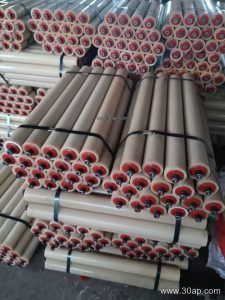
A 6205 Bearing Idler is a conveyor idler roller built around the 6205 deep groove ball bearing, one of the most common bearing sizes used in light to medium-duty carrying and return positions. On a belt conveyor, the idler roller supports the conveyor belt and the material load, and the bearing inside each roller end is what keeps rotation smooth and resistance low. The 6205 sits in the middle of the size range often seen on bulk handling lines, between smaller 6204 units and heavier 6305 or 6306 assemblies, which makes it a practical choice for many standard belt widths.
Buyers searching for a 6205 bearing idler usually want a roller that fits existing brackets, matches the belt width and trough configuration, and can be replaced without modifying the conveyor frame. For a quick cross reference, the same item is often called a 6205 bearing conveyor roller or a 6205 bearing carrying idler, and these names describe the same product.
How the Roller Is Built
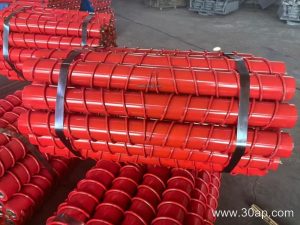
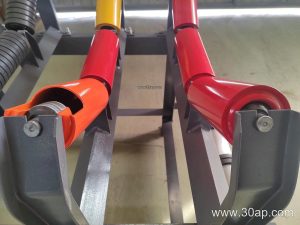
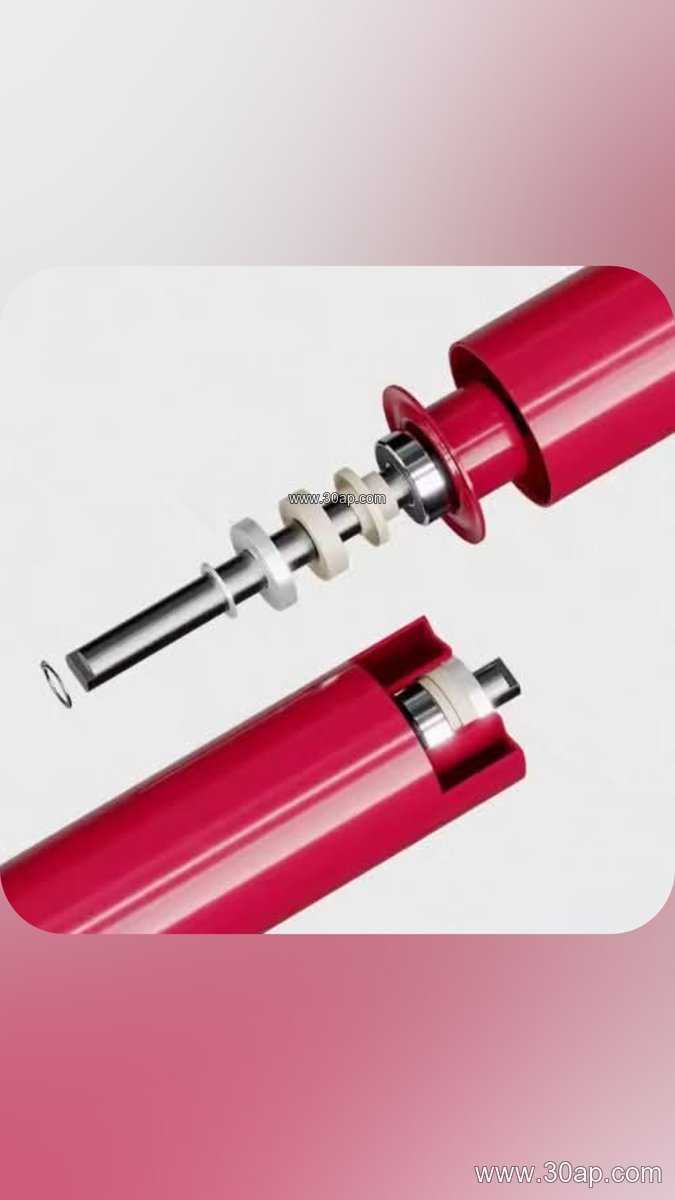
The typical construction starts with a steel tube shell, machined bearing housings at both ends, a through shaft, and a sealing arrangement that keeps dust and water away from the bearing. Roller surface options include plain steel, nylon, ceramic and rubber rings, and the choice depends on whether the position needs abrasion resistance, material buildup control or impact damping.
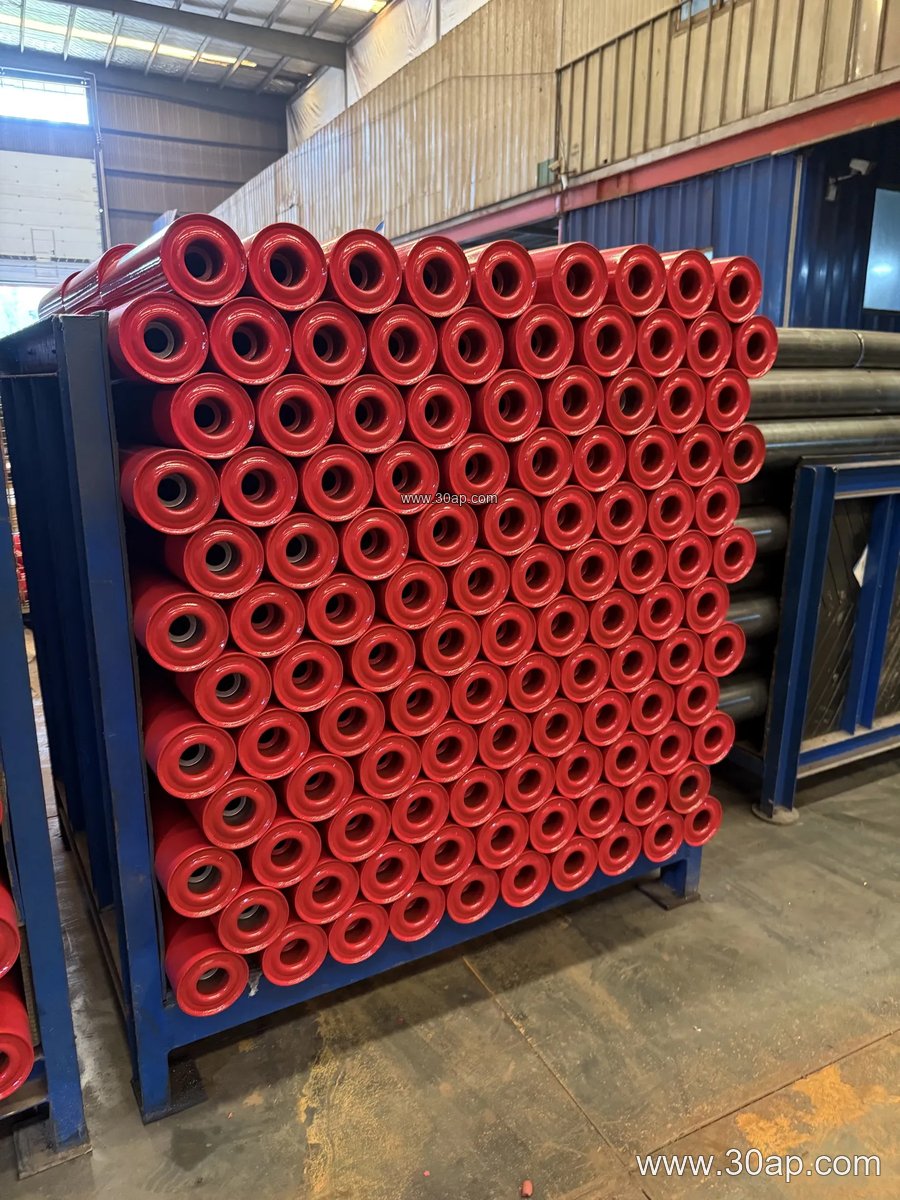
- Tube shell in steel, often with painted or galvanized finish
- 6205 ball bearing pressed into each end housing
- Labyrinth or contact seal, sometimes with additional grease retention
- Shaft with flattened ends or machined grooves for bracket fixing
The bearing size does not lock the roller to one diameter or one belt width. A 6205 bearing can appear in idlers with different shell diameters and different roller lengths, because the housing and shaft design change with the duty. That is why a buyer should confirm the full dimensional drawing rather than matching the bearing number alone.
Where It Fits on the Conveyor
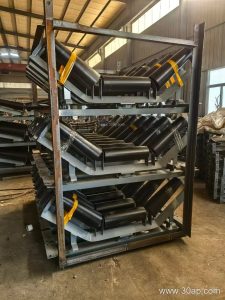
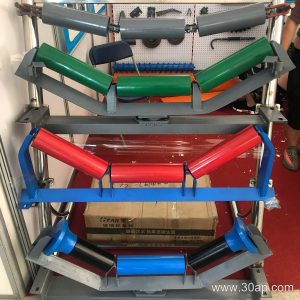
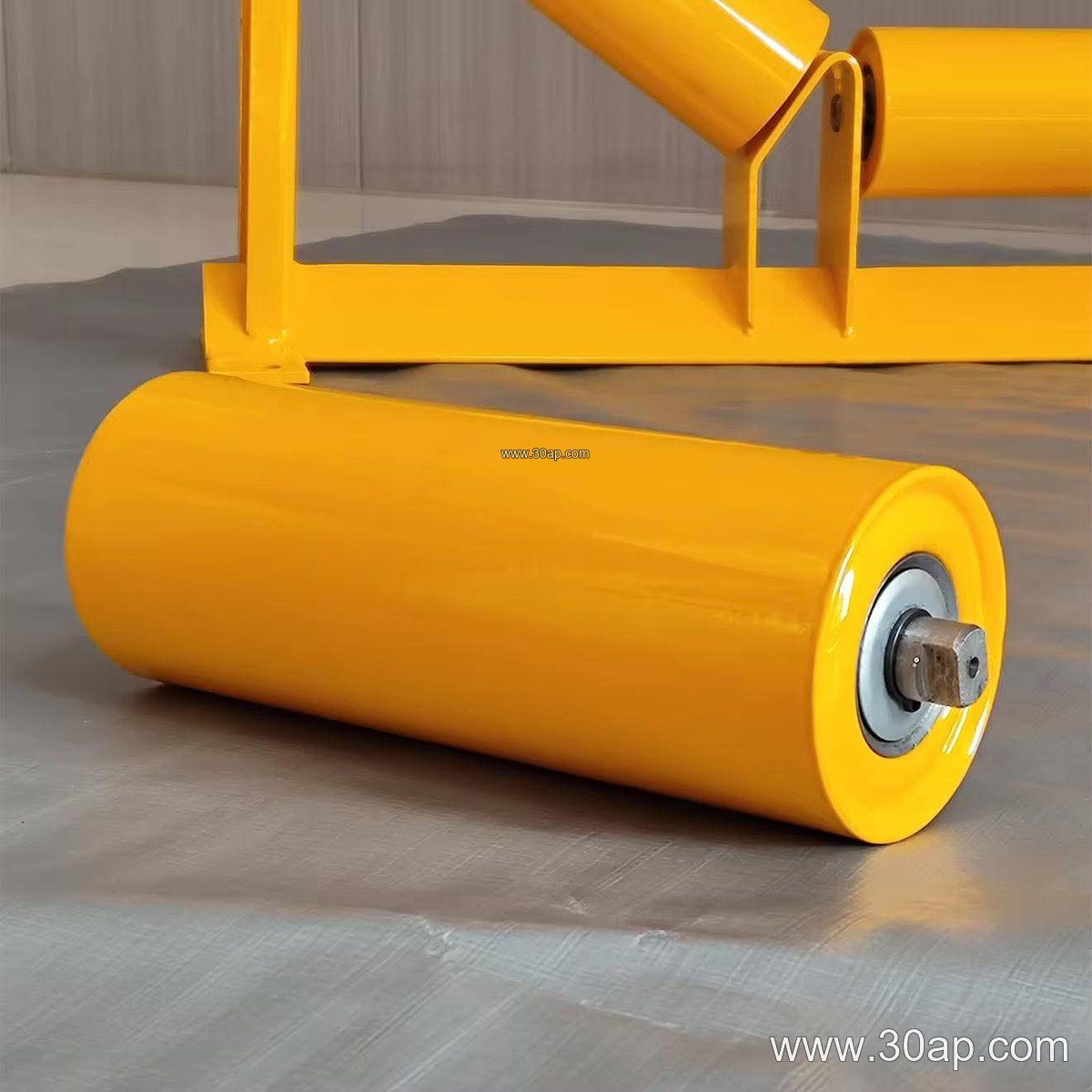
This idler type is commonly used as a carrying idler in three-roll trough sets, as a return roller under the belt, and in transition zones where the belt changes from flat to troughed. In a quarry or aggregate line, a 6205 bearing idler may sit on a medium-width conveyor moving crushed stone, while a cement plant might use the same bearing size on a clinker or raw material belt where dust control matters. Power plant coal handling and sand and gravel operations also use this size class regularly.
The surrounding equipment matters as much as the roller. The conveyor belt type, the conveyor pulley at the head and tail, the conveyor bracket spacing and the belt speed all influence how long the idler lasts. A heavy-duty mining conveyor belt running at high speed puts more demand on bearings than a short transfer belt in a concrete mixing plant, even when both use the same 6205 bearing size.
Common Dimensions and Configuration Reference
The values below are common reference examples, not fixed rules. Final dimensions should be confirmed against the conveyor design and the idler drawing.
| Item | Common reference |
|---|---|
| Bearing | 6205 deep groove ball bearing |
| Roller diameter | Ø89, Ø102, Ø108, Ø127, Ø133 mm |
| Belt width | B500, B650, B800, B1000, B1200 mm |
| Trough angle | 20, 30, 35, 45 degrees |
| Roller length, three-roll trough, middle roller | about 200 mm at B500, 250 mm at B650, 315 mm at B800, 380 mm at B1000, 465 mm at B1200 |
| Roller surface | steel, nylon, ceramic, rubber ring |
Side rollers in a trough set are usually shorter than the middle roller, and the exact length depends on the trough angle and the frame design. A 6205 bearing idler for a B800 belt will not automatically suit a B1200 conveyor, so the roller length, shaft end and bracket spacing should be checked together.
Selecting the Right Idler for the Duty
Start with the belt width and the position on the conveyor. A carrying idler in a three-roll trough set has a different load profile from a return roller, and a transition idler near the tail pulley sees different belt tension. The material being moved also matters. An abrasion resistant conveyor belt carrying sharp rock puts more vibration into the idler than a smooth bulk material on a food grade belt, and a heat resistant conveyor belt in a cement or steel plant may require a roller that can tolerate warm surroundings.
Sealing quality is often the deciding factor in dusty plants. A well-sealed 6205 bearing idler keeps grease in and grit out, which extends service life in coal mining, ore handling and crushing circuits. Where impact loads are high, a rubber ring idler may be considered, but that is a different subtype used for a specific purpose, not a direct replacement for the standard 6205 carrying idler.
Maintenance and Replacement Notes
Inspect idlers for seized bearings, uneven shell wear, seal damage and material buildup. A roller that no longer turns freely adds drag, can wear the conveyor belt and may cause tracking problems. Keep spare 6205 bearing idlers on hand for critical lines, and record the roller length, diameter and bracket type so replacements match. When a conveyor pulley or conveyor bracket is replaced, recheck idler alignment, since a small misalignment can shorten bearing life.
For bulk handling sites such as limestone mines, iron ore plants and port terminals, matching the idler to the belt and the environment is more useful than focusing on the bearing number alone. The 6205 bearing idler is a versatile, widely used component, but the correct specification still comes from the conveyor design.