What a Skirted Conveyor Belt Is
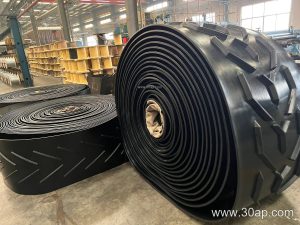
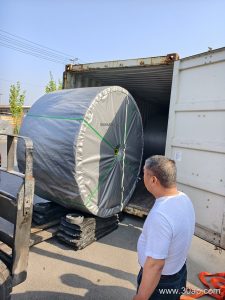
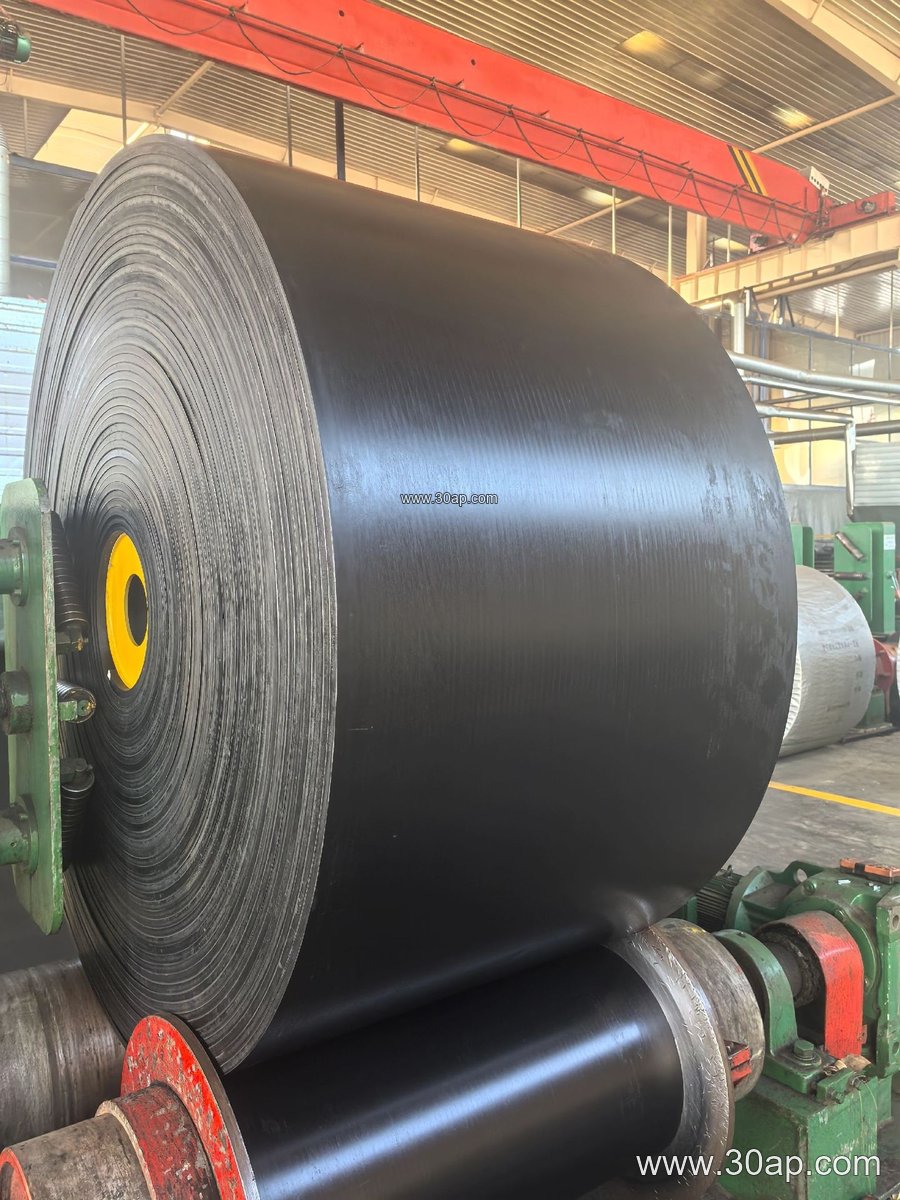
A skirted conveyor belt is a fabric or steel-reinforced belt fitted with raised rubber sidewalls, often called skirts, that run along both edges to keep bulk material from spilling. The belt itself may be an EP conveyor belt, an NN conveyor belt, or a steel cord conveyor belt, depending on tension and load. The skirted design is common in mining, coal preparation, cement plants, power stations, and sand and gravel yards where dust control and containment matter.
Construction and Key Components
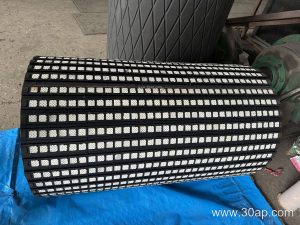
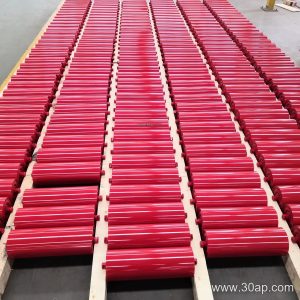
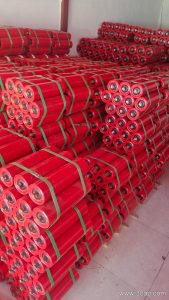
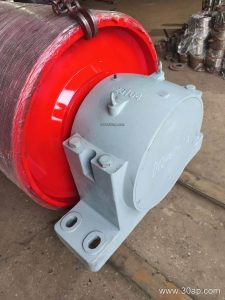
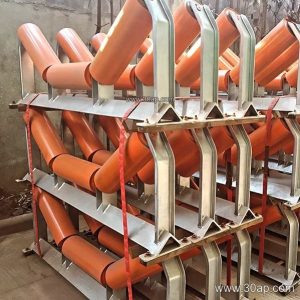
The base belt carries the load, while the skirt profiles are vulcanized or bonded to the edges. Many designs use a corrugated sidewall conveyor belt profile for flexibility around pulleys, but a simple straight skirt is also used for lower lifts. The belt runs over a conveyor pulley at the head and tail, supported by idler rollers and mounted on a conveyor bracket frame. Drive, tail, and bend pulleys are not interchangeable; each has a specific role in belt tracking and tension.
Common Belt Constructions
- Fabric core: EP conveyor belt or multi-ply fabric core conveyor belt for general bulk handling.
- Steel cord: steel cord conveyor belt for long distances and high tension.
- Specialty covers: heat resistant conveyor belt, oil resistant conveyor belt, flame retardant conveyor belt, and abrasion resistant conveyor belt for demanding conditions.
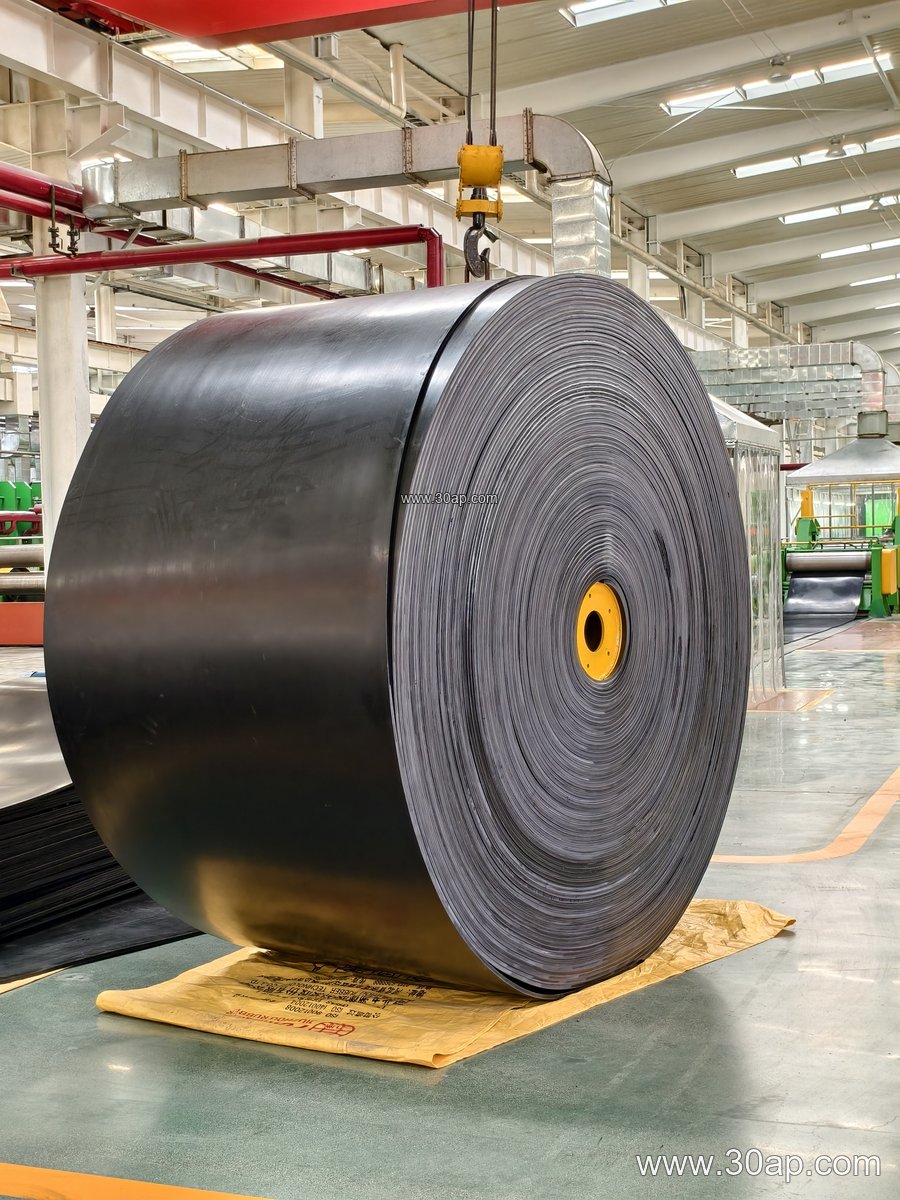
Cover thickness is often specified in combinations such as 3+1.5 mm, 4+2 mm, 5+2 mm, 6+2 mm, or 8+3 mm, with 2 to 6 fabric plies. These are common reference values; final choice depends on the duty and the manufacturer’s design.
Where Skirted Belts Are Used
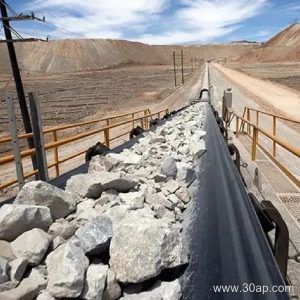
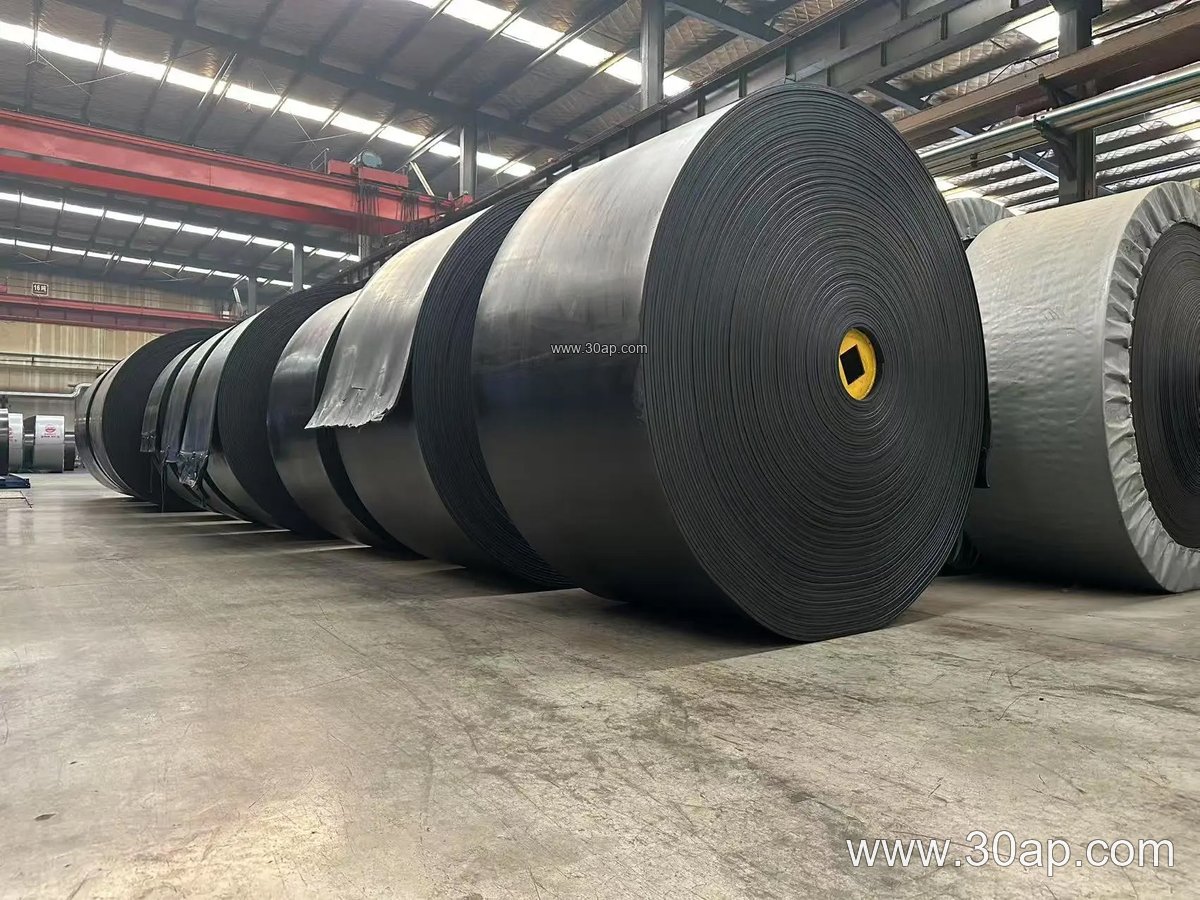
Containment is the main advantage. In a coal mining conveyor belt system, skirts reduce spillage at transfer points. In a quarry conveyor belt or aggregate conveyor belt line, they help control dust and keep material centered. Cement plants use them on clinker and raw meal routes, while power plants apply them to coal and ash handling. The same belt style can appear in a port conveyor belt or ship loading conveyor belt where wind and spillage are concerns.
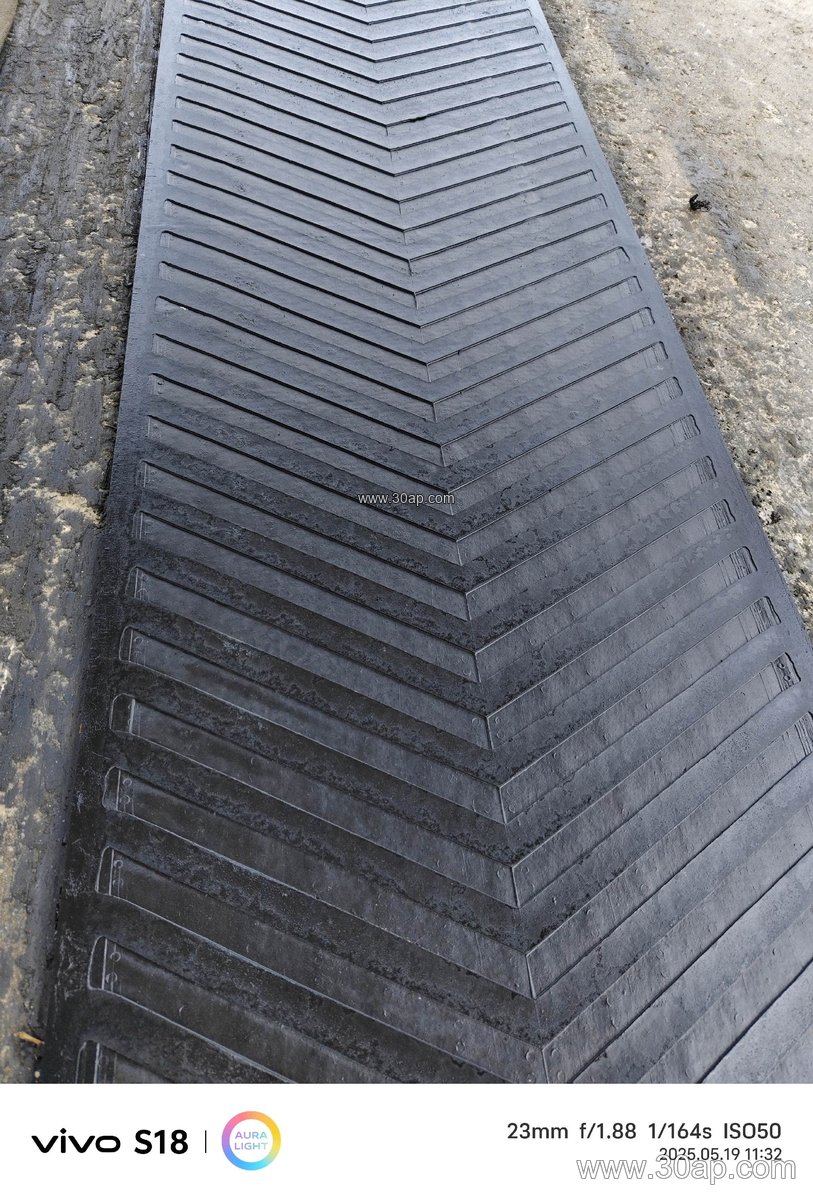
For inclined sections, a chevron conveyor belt or corrugated sidewall conveyor belt may be compared, but the skirted conveyor belt remains the main subject when edge containment is the priority. In underground mining conveyor belt applications, flame retardant and anti-static properties are often requested.
Specifications and Sizing Notes
Belt width is selected to match the conveyor frame and material load. Common widths include B500, B650, B800, B1000, B1200, B1400, B1600, B1800, and B2000. Strength grades such as EP200, EP400, EP630, EP1000, and EP1250 are frequently referenced for fabric belts, while steel cord grades like ST1000, ST1600, and ST2500 appear in high-tension systems. The table below shows example combinations; it is not a universal matching rule.
| Example Designation | Belt Width | Typical Strength Class | Cover Thickness (top+bottom) |
|---|---|---|---|
| EP1000 1200mm | 1200 mm | EP1000 | 6+2 mm |
| EP1250 1800mm | 1800 mm | EP1250 | 8+3 mm |
| ST1600 1400mm | 1400 mm | ST1600 | 6+2 mm |
| NN300 1000mm | 1000 mm | NN300 | 5+2 mm |
Skirt height and profile shape are selected by the designer based on material angle of repose and belt speed. A wider belt does not automatically dictate one pulley diameter; shaft and pulley sizes are calculated from tension, load, and safety factors.
Selection and Maintenance Tips
Buyers should confirm the material type, lump size, moisture, and temperature. For hot clinker or sinter, a heat resistant conveyor belt grade is needed. For oily scrap or recycled material, an oil resistant conveyor belt helps. In cold climates, a cold resistant conveyor belt may be specified. Check that the skirt rubber matches the base belt’s flexibility and that the conveyor pulley and idler roller alignment is correct to avoid edge wear.
Inspect skirt edges for cracking or separation, and keep idler rollers turning freely. A misaligned conveyor bracket or worn bend pulley can cause the skirt to rub and fail early. For coal mining conveyor belt systems, verify flame retardant and anti-static properties with the supplier. Similar checks apply to a cement conveyor belt or steel plant conveyor belt installation.
Whether the line handles iron ore, copper ore, gold mining ore, or general bulk material, the skirted conveyor belt should be sized by the conveyor designer rather than by a single catalog number. Use the belt width, strength grade, and cover thickness as starting points, then confirm with the actual duty.