What a Chemical Resistant Conveyor Belt Is
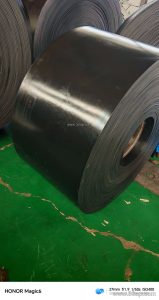
A chemical resistant conveyor belt is a fabric-reinforced rubber belt built to carry materials that would attack ordinary rubber covers, such as acidic slurries, alkaline powders, fertilizer blends, salt, and some industrial process residues. In practice this product is also called an acid and alkali resistant conveyor belt, and the two names refer to the same belt family. The working surface is the cover compound; the strength comes from the carcass underneath. A belt that resists chemicals but loses adhesion between plies will fail quickly, so both parts matter.
Plants handling aggressive bulk materials often run this belt alongside more familiar grades. A cement plant may use a heat resistant conveyor belt in the kiln area and a chemical resistant type in the additive or water-treatment section. A power plant may combine a flame retardant conveyor belt in the coal yard with a chemical resistant cover on limestone or gypsum lines. Matching the cover to the actual cargo is the first decision, not the last.
Construction and Cover Compounds
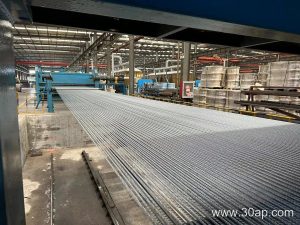
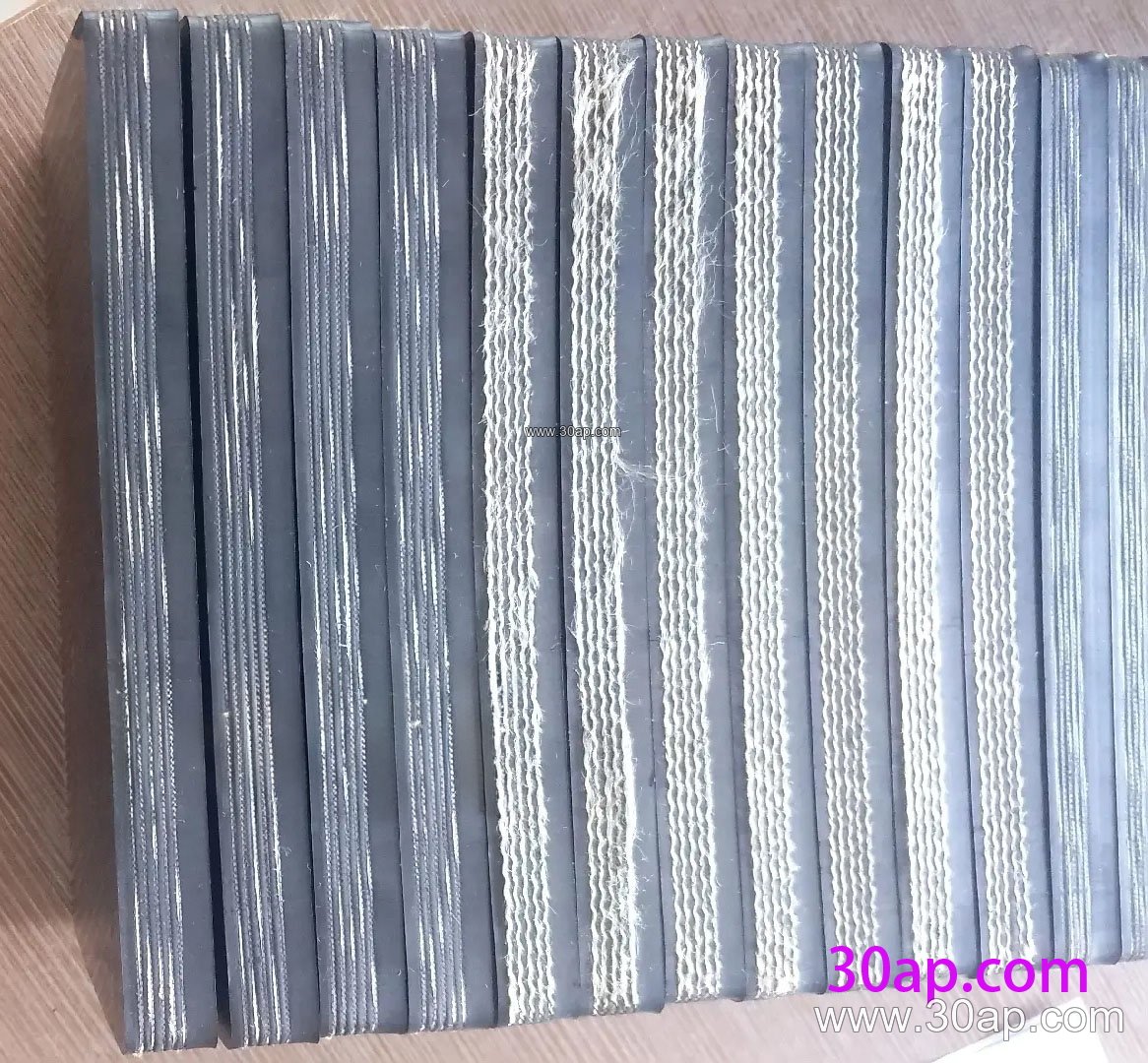
The carcass is usually a multi-ply fabric core, with EP or NN fabric as the common choice. EP conveyor belt constructions are widely used because they combine low stretch with good moisture tolerance. For very long centers or high tensions, a steel cord conveyor belt may be selected instead, but the chemical protection still comes from the cover and the bond between cover and carcass.
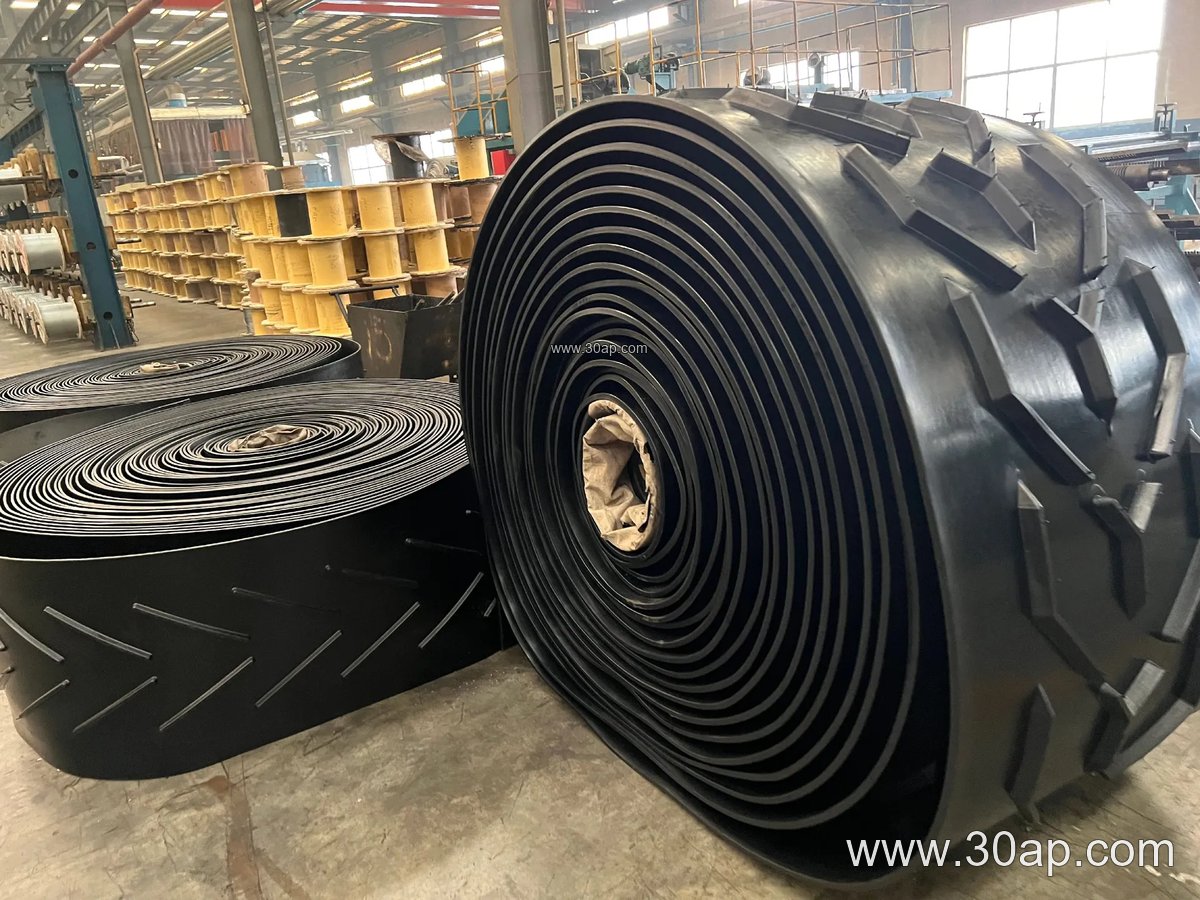
Cover thickness is normally stated as top plus bottom, for example 4+2 mm or 6+2 mm. Heavier covers suit abrasive and wet chemical service; thinner covers suit lighter duties. Buyers should confirm the compound family rather than assume that any black rubber is suitable. Natural rubber resists many acids but not strong oxidizers or some oils; nitrile blends handle oils better; chloroprene and similar compounds are chosen where a balance of chemical, flame, and weathering resistance is needed.
Where It Fits in the Plant
Typical duties include fertilizer handling, chemical processing, mineral washing, salt and potash transport, battery and metal-treatment plants, and effluent or sludge lines. In a quarry, a heavy-duty mining conveyor belt may run on the primary crusher discharge while a chemical resistant cover is reserved for treated or contaminated material. On a port conveyor belt loading line, the belt may need to resist salt spray as well as the cargo itself.
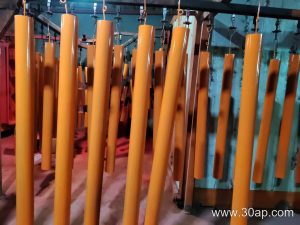
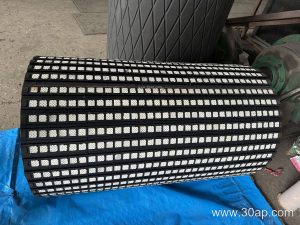
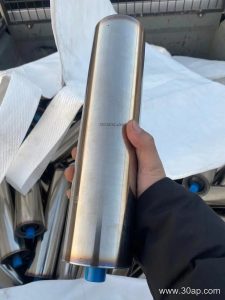
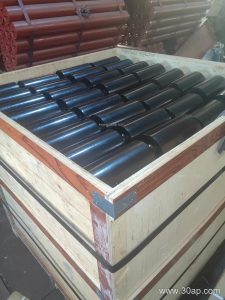
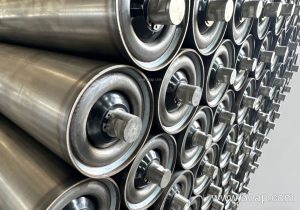
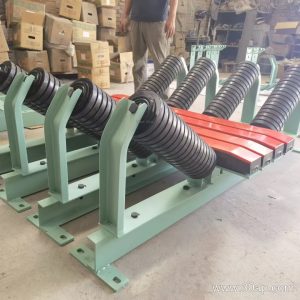
Belt accessories support the same duty. Idler roller frames, a conveyor pulley at the drive and tail, and conveyor bracket assemblies should be checked for corrosion too, since a protected belt on a rusting structure still creates downtime. Mentioning these parts is not a substitute for the belt specification; it simply reflects how the whole conveyor behaves in a corrosive environment.
Common Reference Ranges
The table below lists reference values often used when discussing this product. They are not a universal supply promise, and final selection follows the actual cargo, tension, and pulley design.
- Fabric types: EP, NN, multi-ply fabric core
- Strength grades: EP200, EP400, EP630, EP800, EP1000, EP1250
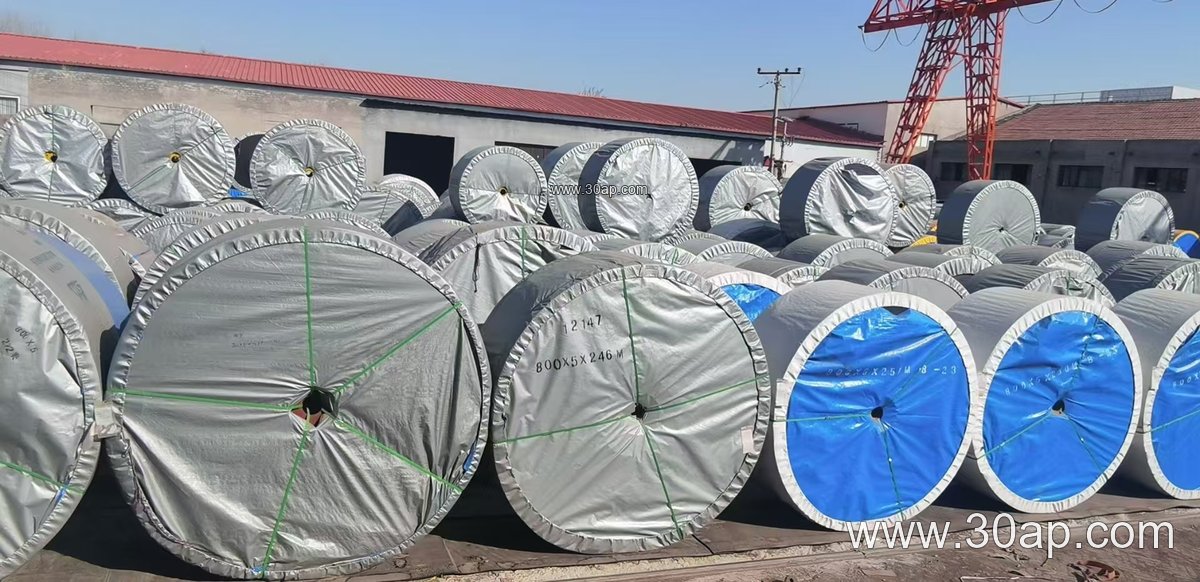
- Belt widths: B500, B650, B800, B1000, B1200, B1400, B1600, B1800
- Cover combinations: 3+1.5, 4+2, 5+2, 6+2, 8+3 mm
- Ply counts: commonly 2 to 6 layers
- Special forms: chevron, skirted, corrugated sidewall where the layout requires it
Width and pulley diameter are separate design decisions. A 1200mm wide belt does not dictate one fixed pulley size, and shaft diameter must be calculated from the actual load case. When a pipe conveyor belt or an endless conveyor belt is considered, the chemical duty still has to be defined for the specific cover.
Buyer Checklist
Start with a clear description of the material: pH range, concentration, temperature, moisture, and whether oils or solvents are present. State the duty cycle, belt width, and the center distance. Confirm the cover grade and carcass type in writing, and ask how the cover-to-carcass bond will be inspected. For underground coal work, the flame retardant and anti-static requirements are separate from chemical resistance and must be stated explicitly.
Finally, plan maintenance. Store spare belts away from sunlight and ozone sources, track the belt regularly, and inspect the cover for swelling, cracking, or softening. A chemical resistant conveyor belt performs best when the compound, carcass, and conveyor hardware are chosen together, and when the specification is written around the real cargo rather than a generic label.