What a Four-Roll Trough Idler Does
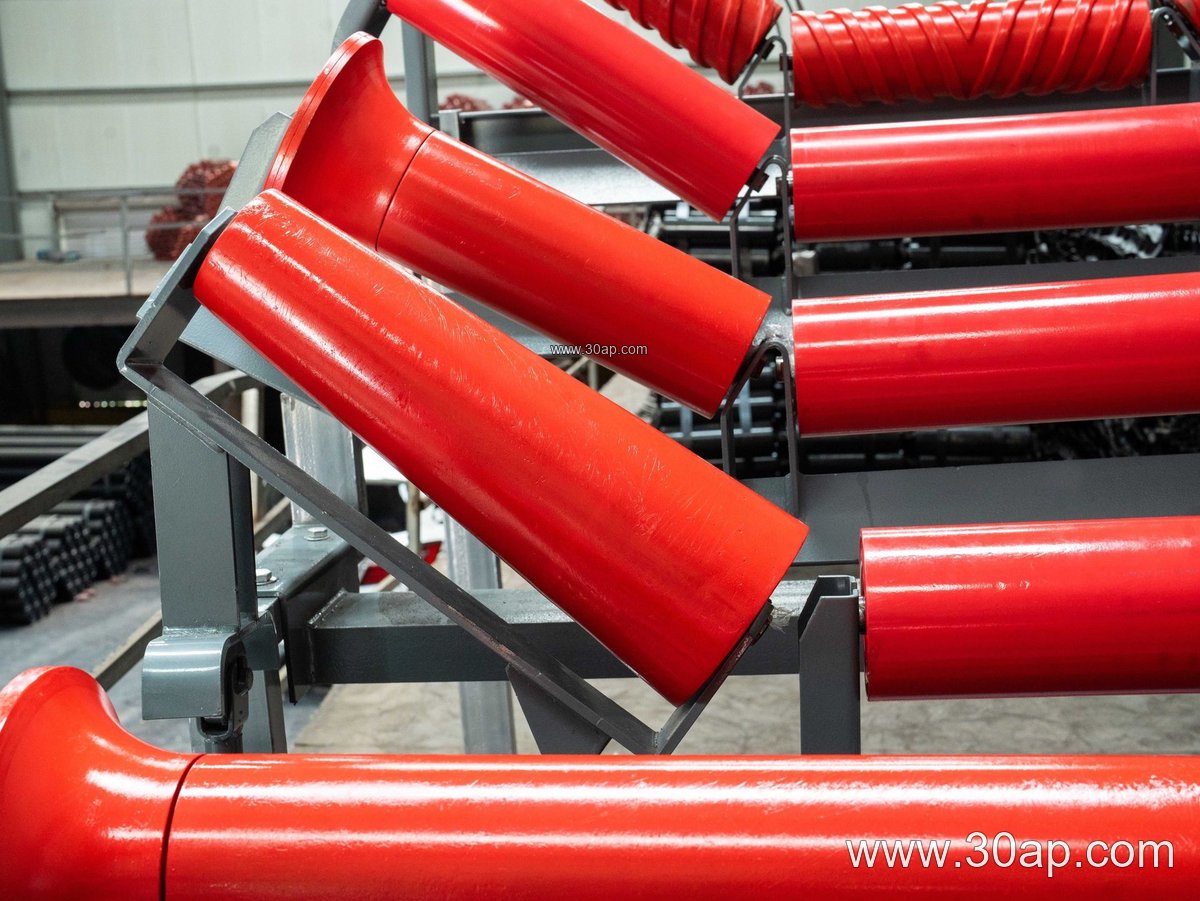
A four-roll trough idler is a carrying idler assembly that supports the conveyor belt with four rolls arranged in a trough shape. Unlike the common three-roll trough set, this design adds one more roll to the trough, which can improve belt support and load distribution in demanding conveying conditions. It is often considered when a standard three-roll arrangement needs extra stability or when the belt is wide and the material load is heavy. The four-roll trough idler is not a drive pulley, tail pulley, or bend pulley; it is a belt-supporting component that works together with those pulleys in a conveyor system.
Construction and Arrangement
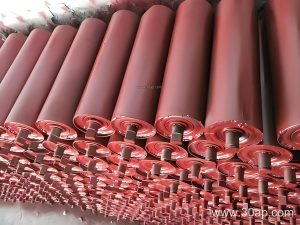
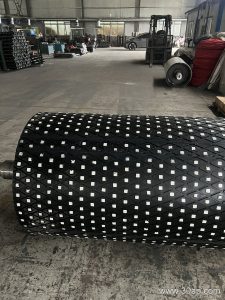
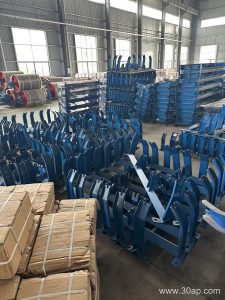
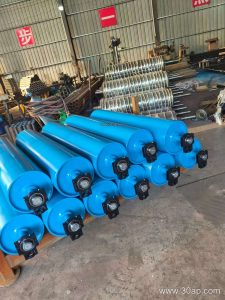
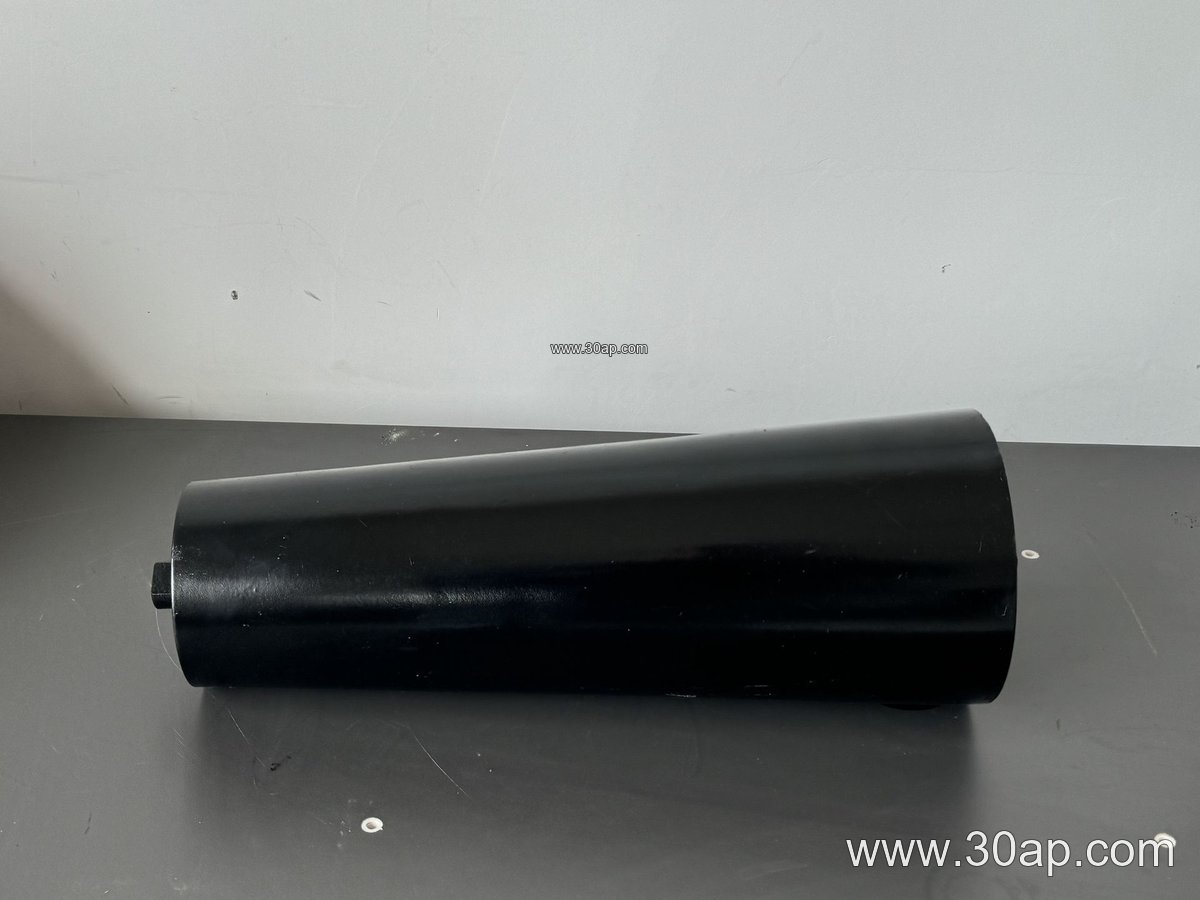
The assembly typically consists of four idler rollers mounted on a common frame or bracket set. The two outer rolls are set at a trough angle, while the two inner rolls share the center load. Common trough angles for carrying idlers include 20, 30, 35, and 45 degrees. The rolls may have steel shells, nylon shells, ceramic lagging, or rubber rings depending on the application. Bearings such as 6204, 6205, 6305, 6306, 6308, and 6310 are used in various idler sizes, but the bearing choice should match the roll diameter and load rating rather than a single fixed rule. Roll length varies with belt width, trough angle, and roll position; for example, three-roll trough sets commonly use about 200 mm rolls for B500, 250 mm for B650, 315 mm for B800, 380 mm for B1000, 465 mm for B1200, 530 mm for B1400, 600 mm for B1600, 670 mm for B1800, and 750 mm for B2000, though side and center rolls can differ. A four-roll set will have its own length breakdown, so the buyer should confirm each roll position.
Where It Fits in the Conveyor Line
This idler type is used on the carrying side of a belt conveyor, especially where the belt needs more support across its width. It can appear in aggregate conveyor lines, cement plants, power plant coal handling, and quarry operations. In a sand and gravel plant, a four-roll trough idler may be paired with an abrasion resistant conveyor belt or a heavy-duty mining conveyor belt to handle sharp, dense material. In a coal preparation plant, a flame retardant conveyor belt is often required, and the idler assembly must be selected to match the belt width and load. The four-roll trough idler is not a substitute for a conveyor pulley at the drive, tail, or bend position; those pulleys have different functions and cannot be interchanged with idlers.
Design Details That Matter
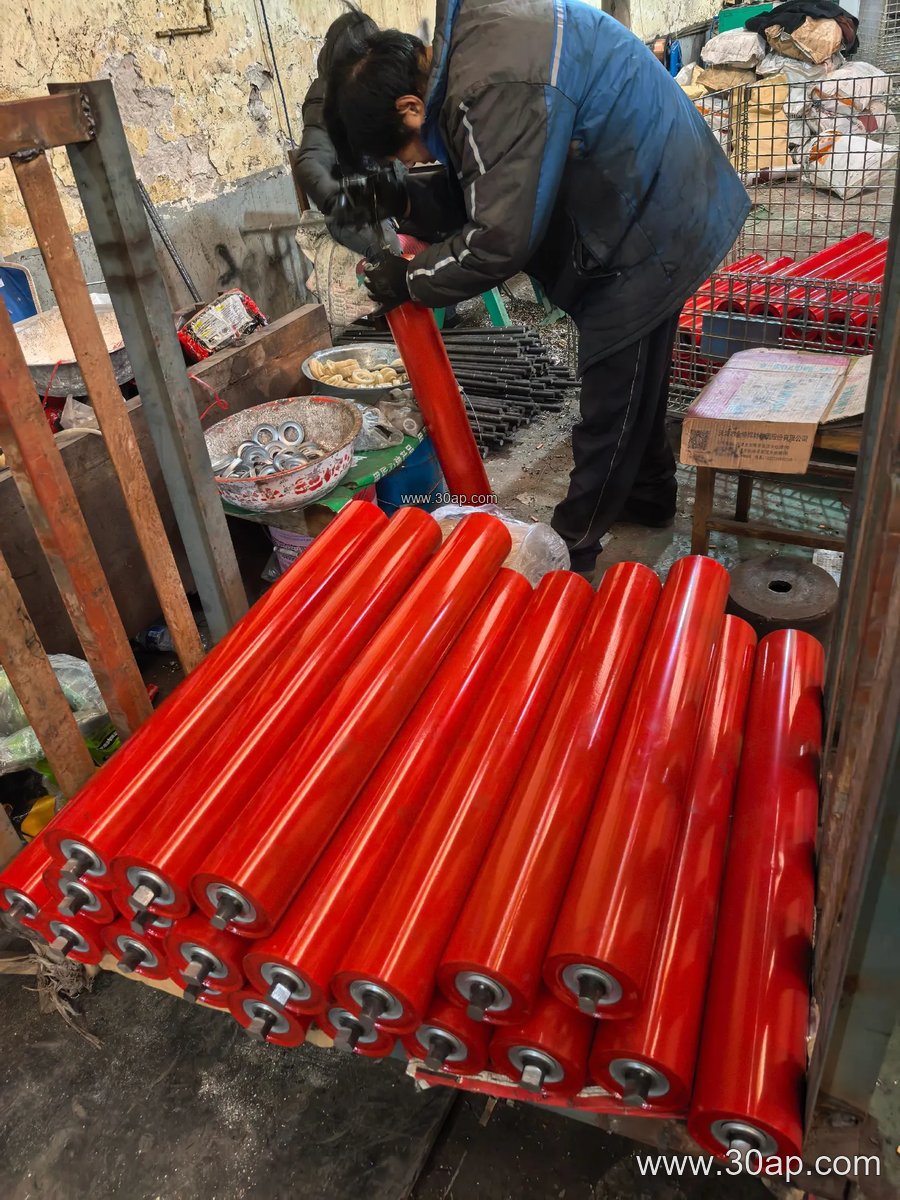
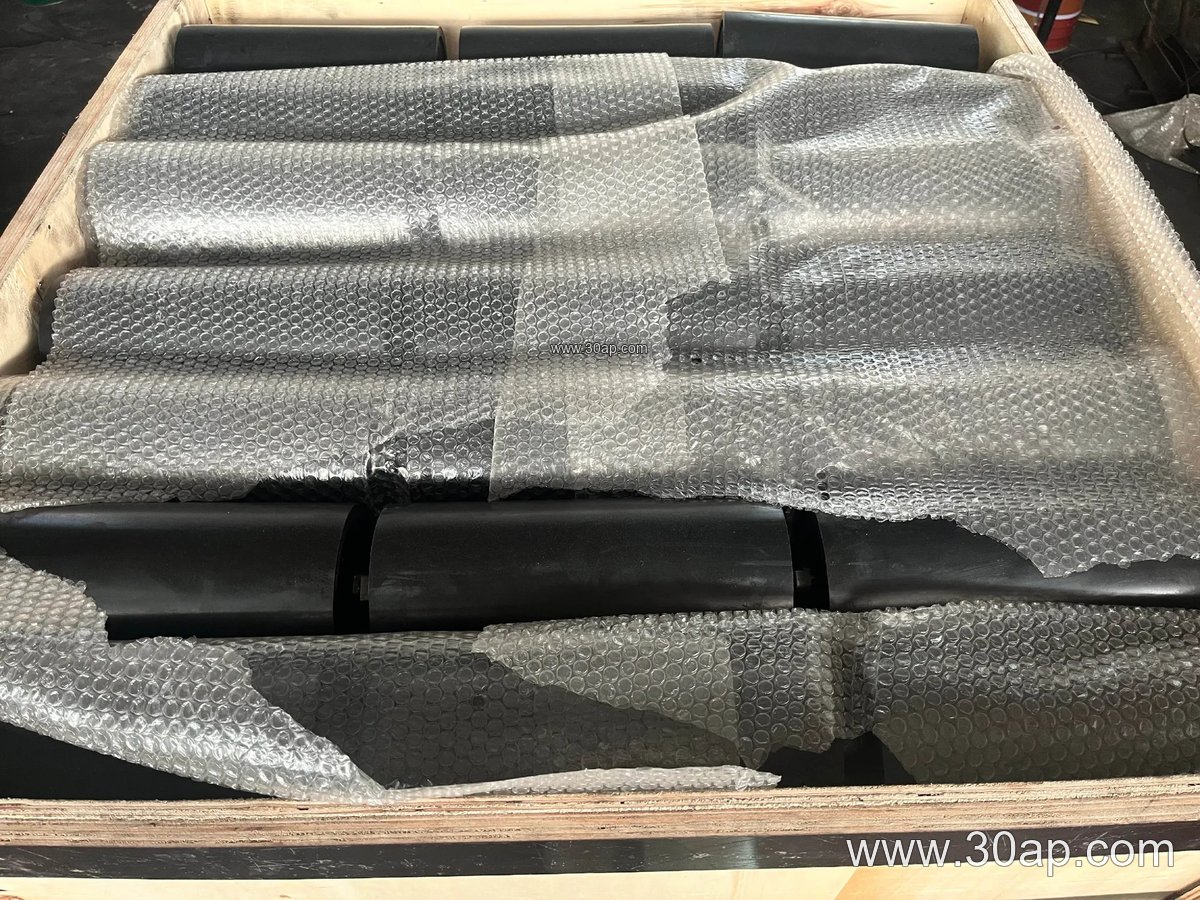
Several details affect how a four-roll trough idler performs. The roll diameter, such as 89 mm, 108 mm, 127 mm, 133 mm, 159 mm, or 178 mm, influences load capacity and belt contact. The shell material and surface form affect wear life; rubber rings can reduce impact, while ceramic or nylon surfaces may suit different material conditions. The seal and bearing arrangement are important in dusty environments such as a limestone mine or a crushing and screening plant. The bracket and frame must be strong enough to hold the four rolls in alignment. A buyer should also check the belt width, because a 650mm conveyor belt, 800mm conveyor belt, 1000mm conveyor belt, 1200mm conveyor belt, 1400mm conveyor belt, 1600mm conveyor belt, 1800mm conveyor belt, and 2000mm conveyor belt each need a matched idler set. The belt width does not by itself fix the shaft diameter, so the shaft size should come from the idler manufacturer’s design for the specific load.
Buyer Checklist
- Confirm the belt width and the required trough angle.
- Check the roll diameter and roll length for each of the four positions.
- Match the bearing and seal type to the dust and moisture level.
- Select the roll surface based on material abrasion and impact.
- Verify that the idler frame fits the existing conveyor bracket.
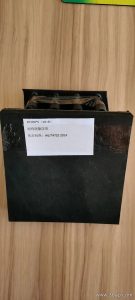
- Consider the conveyor belt type, such as EP conveyor belt, NN conveyor belt, steel cord conveyor belt, or multi-ply fabric core conveyor belt, because belt stiffness affects troughing.
Related Equipment in the Same System
The four-roll trough idler works alongside the conveyor belt, idler roller, conveyor pulley, and conveyor bracket. In a typical bulk material conveyor, the belt may be an EP conveyor belt, a rubber conveyor belt, or a steel cord conveyor belt, and the idler set must be compatible with the belt’s flexibility and load. For high-abrasion service, an abrasion resistant conveyor belt can extend belt life, but the idler rolls still need proper rotation and alignment. In a cement plant or power plant, heat resistant conveyor belt or flame retardant conveyor belt may be used, and the idler selection should account for the same environment. The four-roll trough idler is one part of the total conveyor design, not a replacement for the drive, tail, or bend pulleys.