Idler Roller Selection and Purchasing Guide
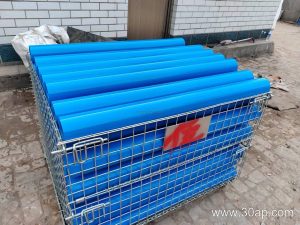
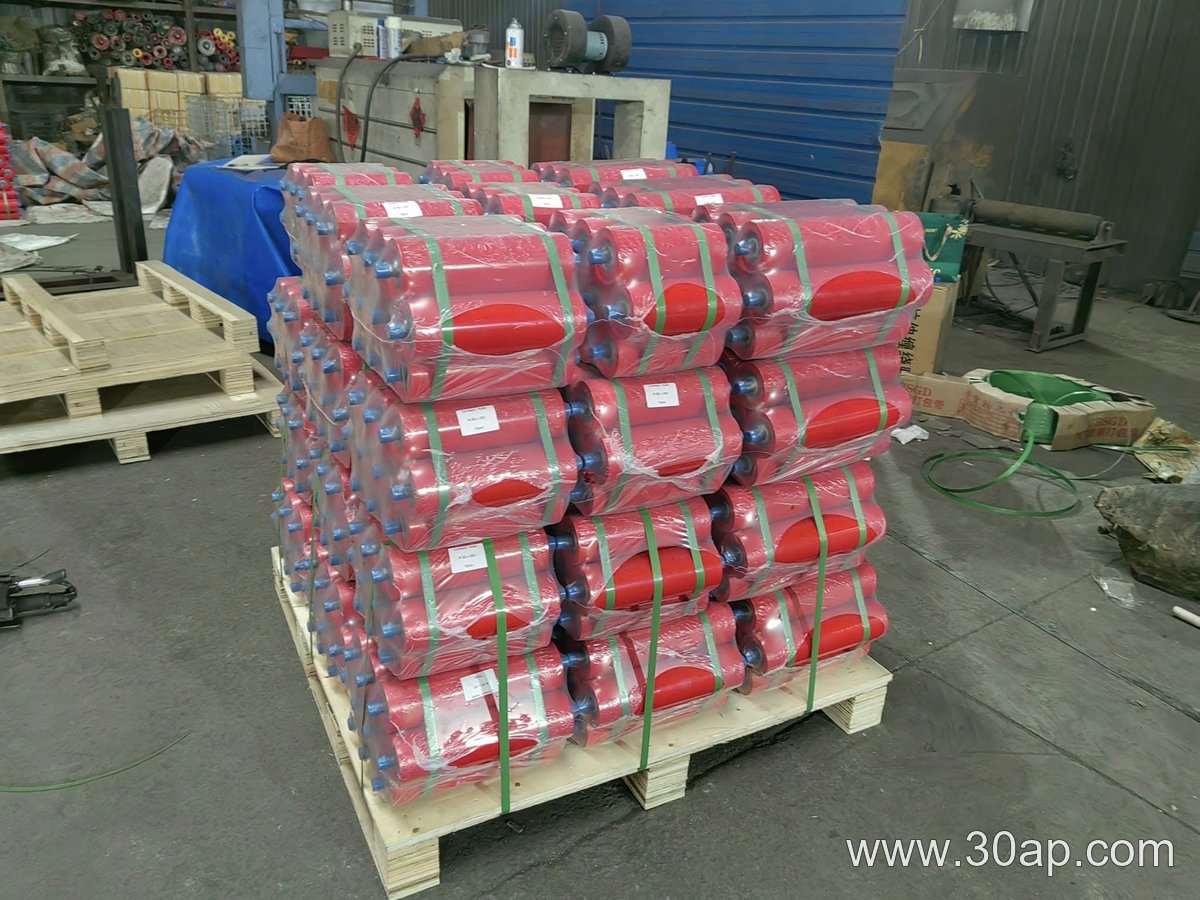
An idler roller supports the belt and reduces friction, so choose load rating, diameter, and bearing type that match your conveyor’s duty cycle.
Key Buying Criteria
- Confirm shaft diameter and mounting style.
- Match bearing seals to dust or washdown.
- Verify load capacity and roller length.
Purchasing Advice
Order from a supplier offering material certificates, dynamic balance, and consistent tolerances to extend service life.
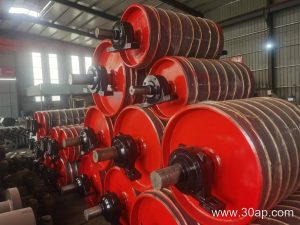
Conveyor Pulley Essentials
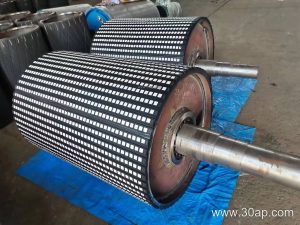
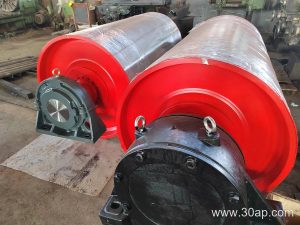
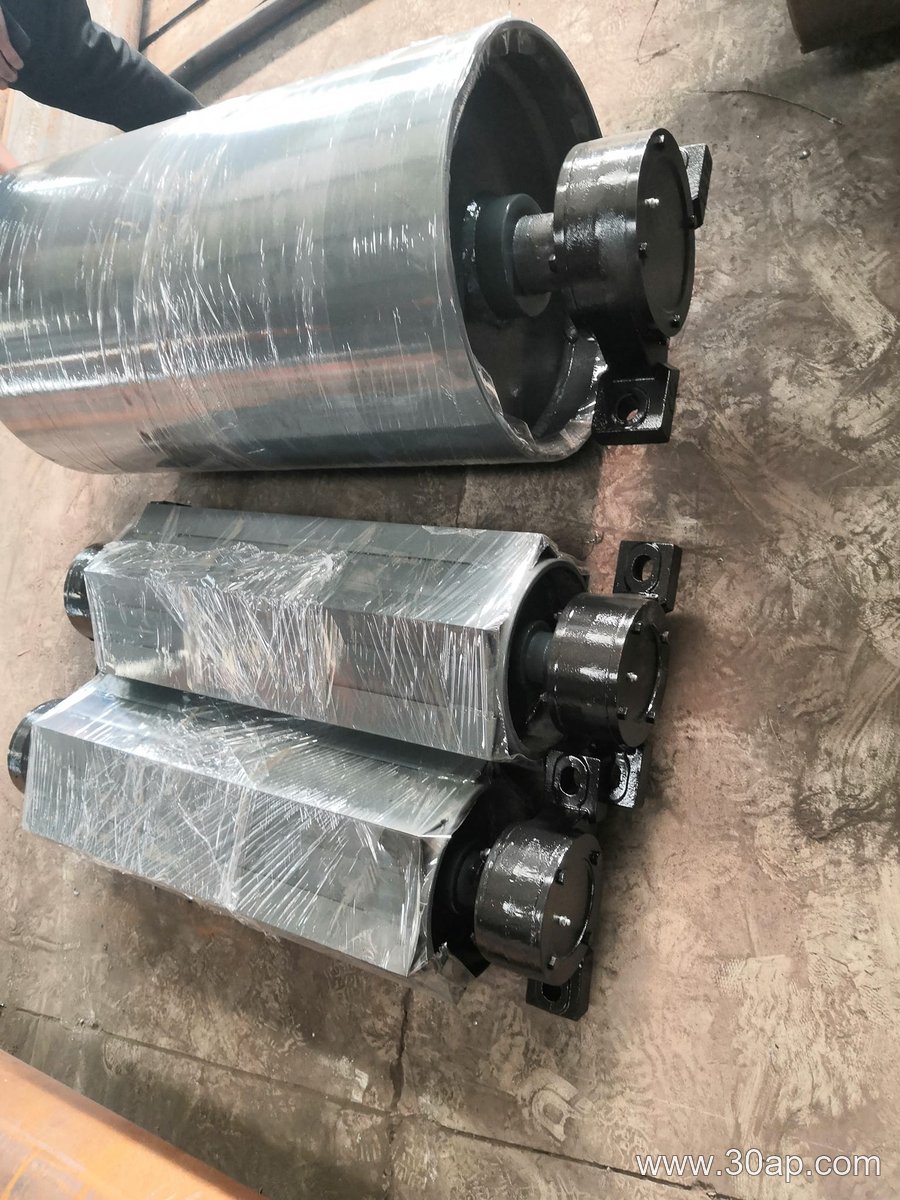
The conveyor pulley drives and tensions your belt. Choose the right one for reliable, efficient operation.
Key Selection Factors
- Belt width and load capacity
- Pulley diameter and face length
- Lagging type for grip
- Shaft and bearing specs
Purchasing Advice
Match pulley to belt tension and environment. Verify balance, runout, and warranty. Buy from reputable suppliers for durability.
Why the Conveyor Bracket Matters
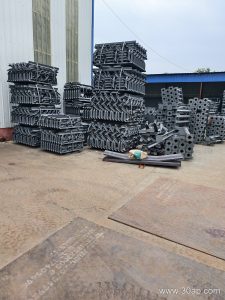
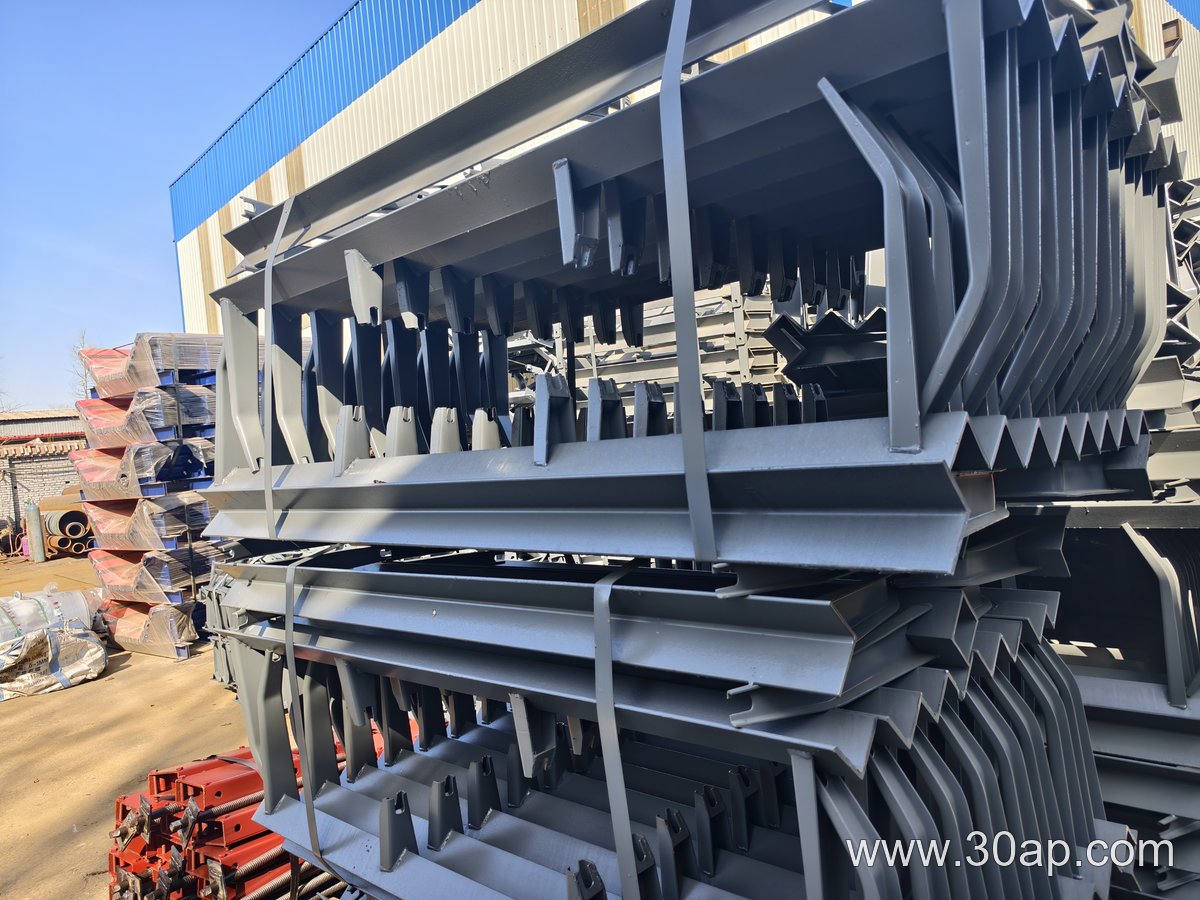
A conveyor bracket supports rollers, idlers, and frames, keeping your line aligned and efficient. Choose the right one for reliable flow.
Selection & Purchasing Advice
- Match material to load and environment: mild steel, stainless, or polymer.
- Verify hole spacing, slot dimensions, and bolt grade.
- Check load rating and corrosion resistance.
- Prefer adjustable brackets for tensioning and misalignment correction.
- Buy from suppliers offering tolerances and batch traceability.
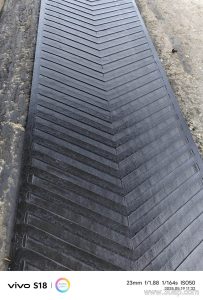
How to Choose the Right Conveyor Belt
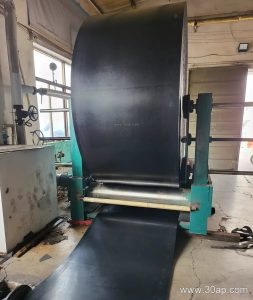
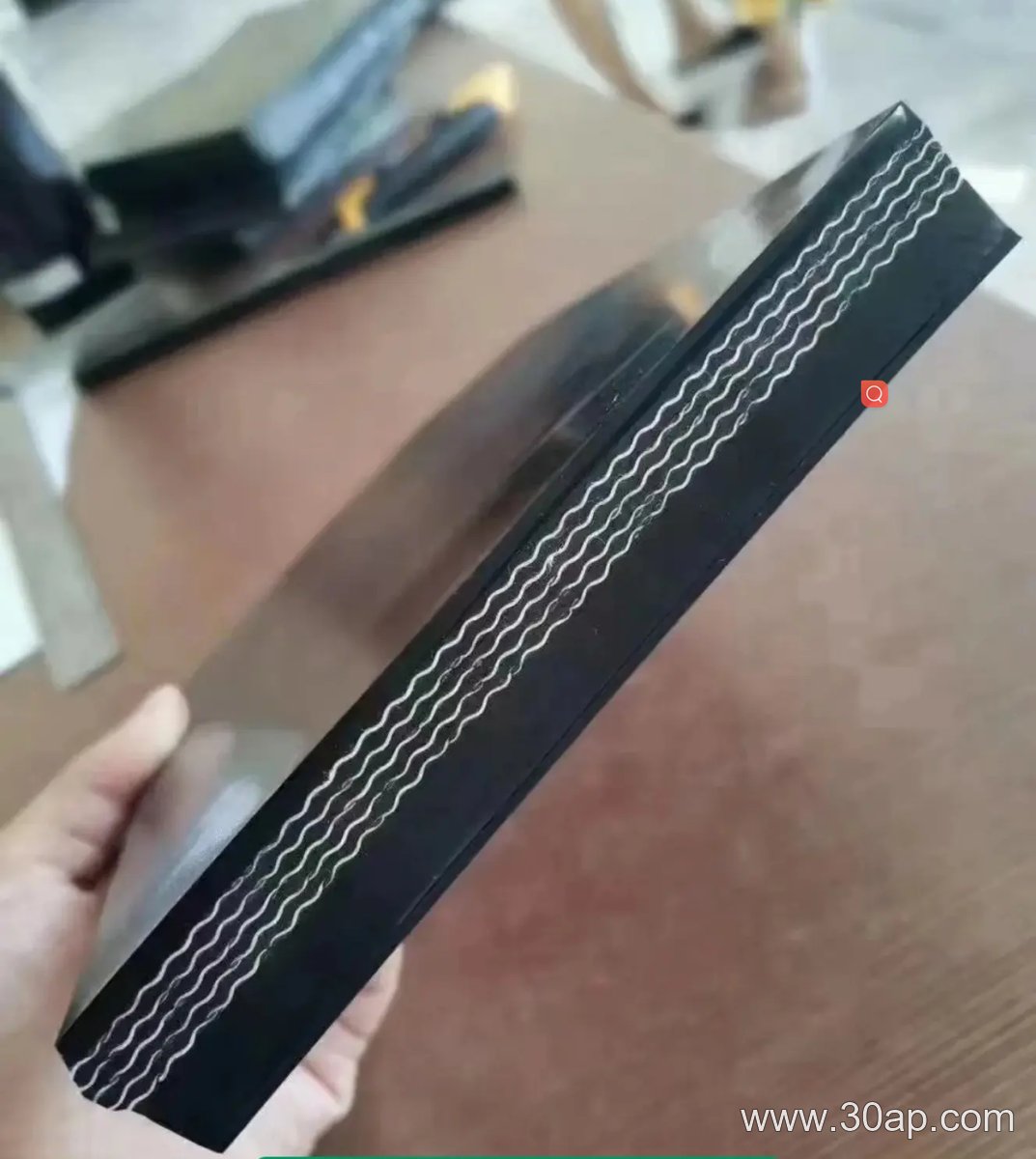
A conveyor belt is a critical investment. Match the belt to your material, load, and environment before you buy.
Selection Factors
- Material: rubber, PVC, or metal for heat and abrasion.
- Belt type: flat, cleated, or modular for incline and sorting.
- Load and speed: confirm tension ratings and pulley size.
- Environment: consider oil, heat, cold, and washdown.
Purchasing Advice
Request tensile data, splice options, and warranty. Compare total cost, not just price. Buy from a supplier offering local support and spare parts.