What a Power Plant Conveyor Idler Does
A power plant conveyor idler is the rotating support that carries the belt and the coal or biomass moving along it. In a coal-fired station, the coal handling system may run several hundred meters from the stockyard or unloading point to the boiler bunkers, and the idlers along that route do most of the everyday work: holding the belt in its trough, limiting sag between frames, and keeping the load centered. The same component appears in limestone preparation, ash handling and gypsum transport circuits, so a plant usually stocks several roller diameters and frame styles rather than one universal part.
The idler is a small assembly, but it is repeated hundreds of times per line. A single seized roller can mark the belt, raise motor current and start a chain of replacement work. That is why buyers in the power industry tend to treat idlers as a consumable with a defined specification, not as a generic hardware item.
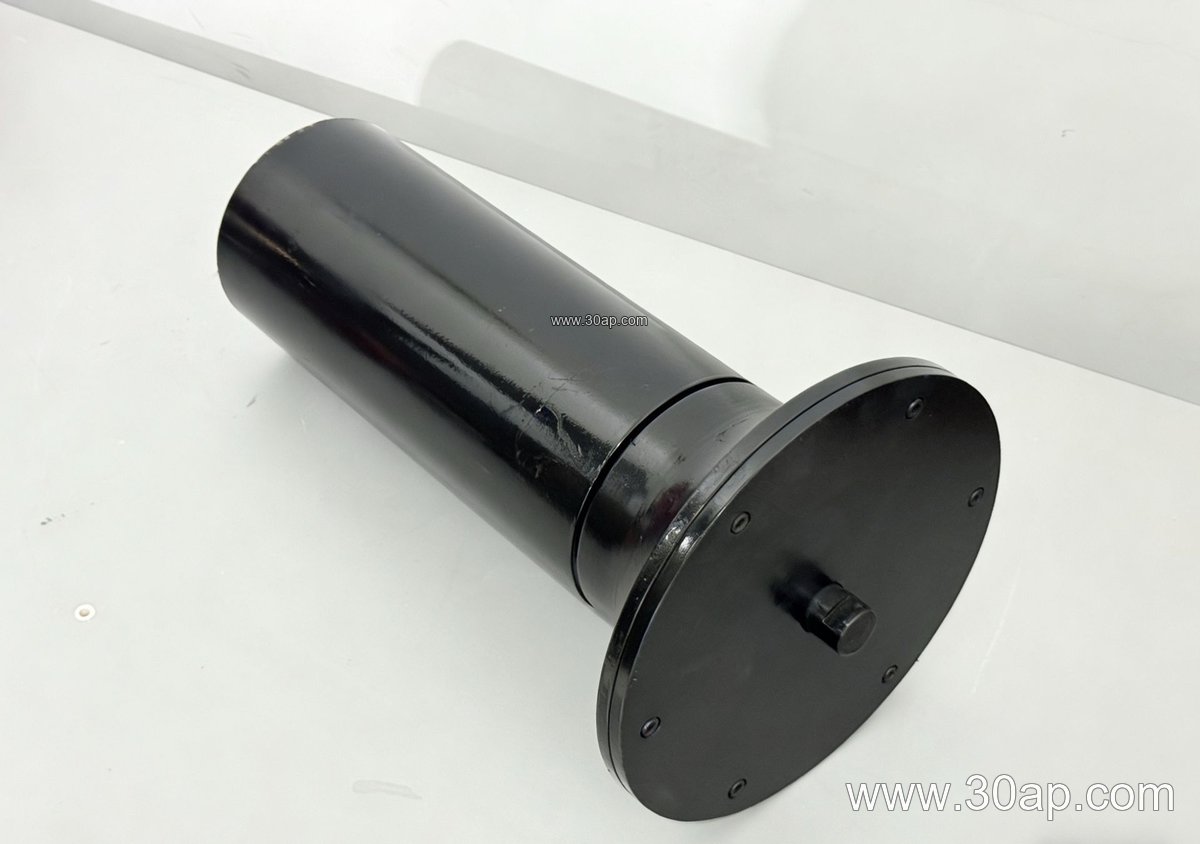
How the Idler Is Built
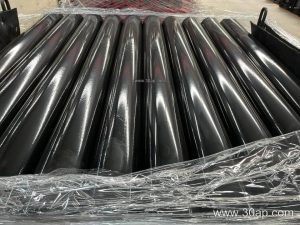
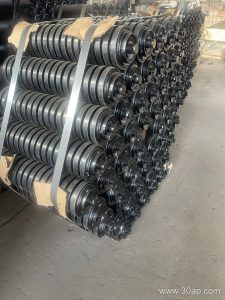
A typical unit has a steel tube shell, a shaft, two bearing housings, labyrinth or contact seals, and a bearing at each end. The shell may be plain steel, nylon-coated, ceramic-lined or fitted with rubber rings. The rubber-ring version is common on impact zones under the crusher discharge, where coal lumps fall from height and a standard shell would dent or wear quickly.
Sealing matters more in a power plant than in many other plants. Coal dust is fine and abrasive, and washdown or humid conditions near the stockyard can push moisture past a poor seal. A multi-stage labyrinth combined with grease retention usually gives a longer service interval than a simple cap. Bearings are commonly 6204, 6205, 6305, 6306, 6308 or 6310, but the correct bearing depends on the calculated load and shaft design, not on belt width alone.
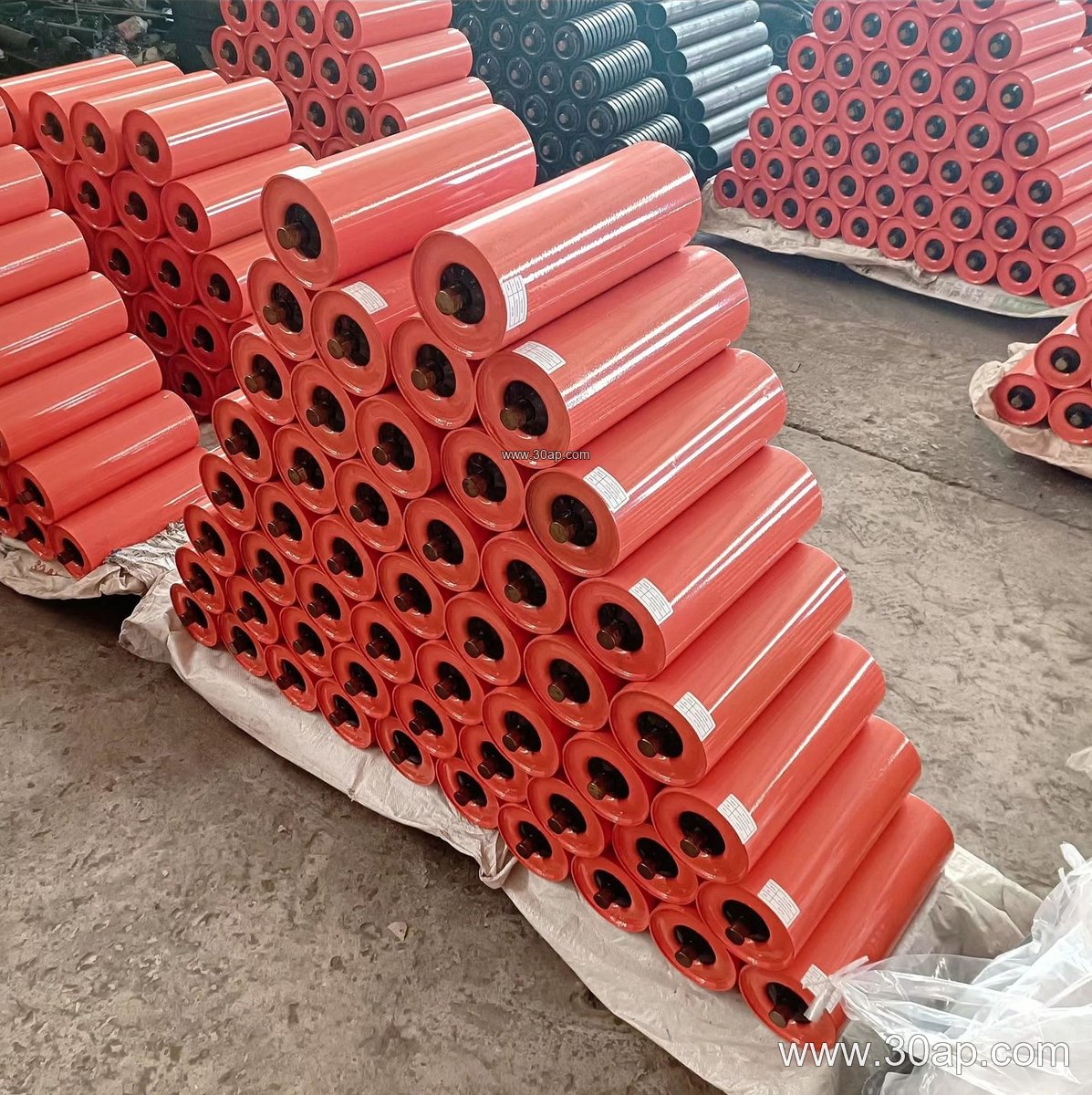
Common Arrangements on a Coal Handling Line
The carrying side usually uses three-roll troughing sets, with trough angles of 20, 30, 35 or 45 degrees. A deeper trough suits a wider belt and a higher tonnage, while a shallower angle is easier on belts that must also run through transition zones. The return side commonly uses a single flat roller or a two-roll V return that helps the belt track straight.
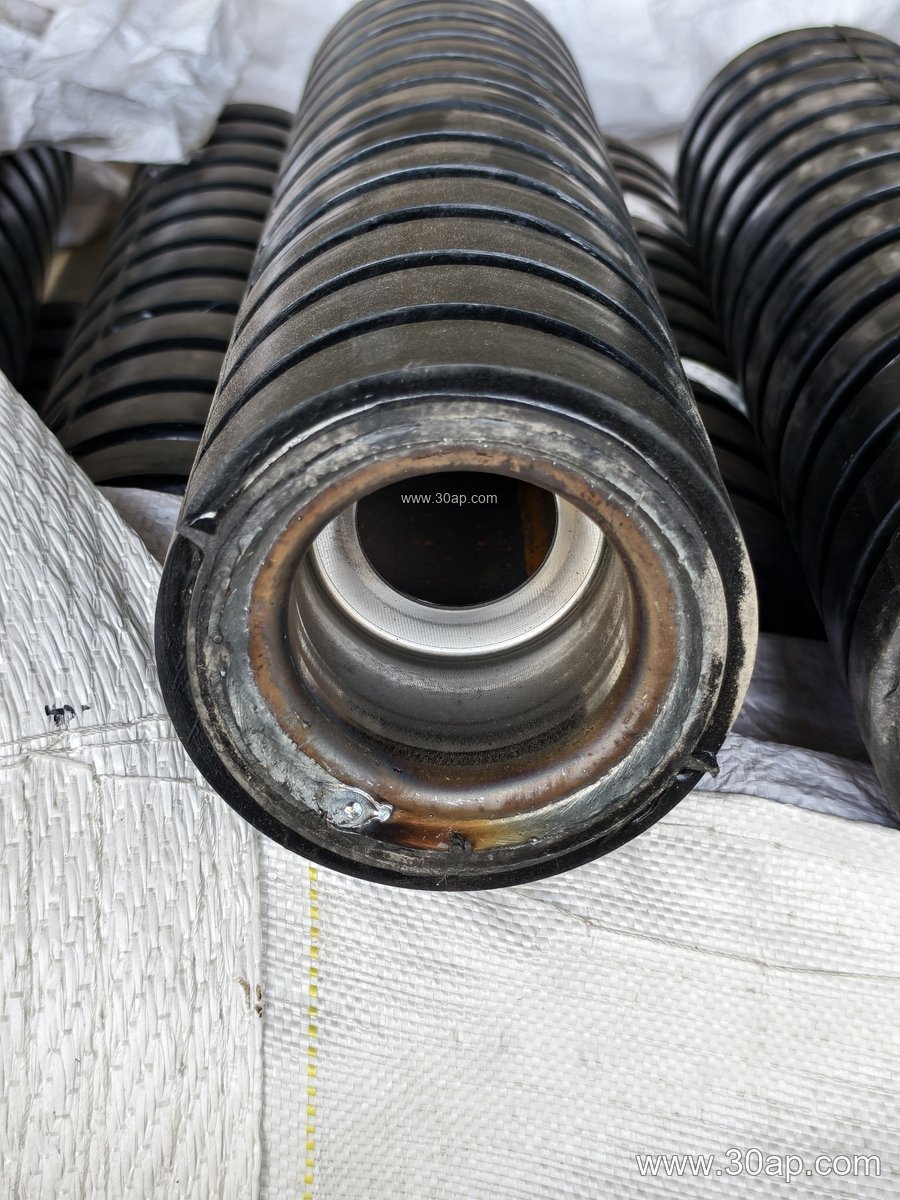
Other positions have their own logic. Impact idlers with rubber rings sit below the loading point. Transition idlers ease the belt from flat at the pulley into the full trough. Self-aligning types, including friction and tapered designs, correct minor misalignment on long runs. Spiral rollers are sometimes chosen on the return side where sticky material tends to build up on the shell.
| Item | Common reference range |
|---|---|
| Roller diameter | 63, 76, 89, 102, 108, 127, 133, 159, 178, 194, 219 mm |
| Belt width | B400 to B2400 |
| Trough angle | 20, 30, 35, 45 degrees |
| Roll length, three-roll set | about 200 mm at B500 up to about 750 mm at B2000, by design |
| Bearing | 6204, 6205, 6305, 6306, 6308, 6310 |
| Shell surface | steel, nylon, ceramic, rubber ring |
These values are reference data for specification work. Side rollers and center rollers can differ in length, and the final roll length follows belt width, trough angle and frame type together.
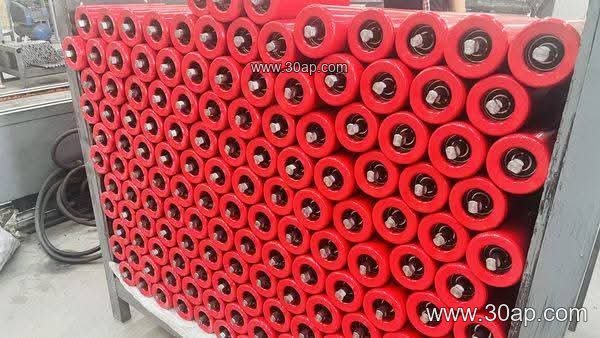
Matching the Idler to the Belt and the Duty
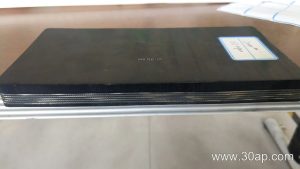
Idlers and belting are selected as a pair. A heavy-duty mining conveyor belt carrying coal at high tonnage needs a robust roller and frame, while a lighter fabric core belt on a short transfer may be served by a smaller diameter. Plants that run a flame retardant conveyor belt underground or in enclosed galleries still expect the idler to keep dust out and heat down, because a hot bearing is a fire risk in a confined space. Where a steel cord conveyor belt is used on the main trunk line, the idler spacing and load rating are usually set by the belt manufacturer’s tension and sag limits.
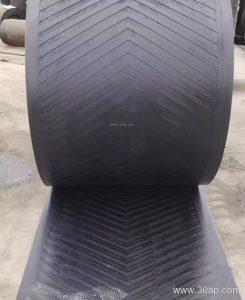
Belt construction also affects the choice at transfer points. A chevron conveyor belt or a corrugated sidewall belt may need more clearance around the rollers, and a pipe conveyor belt needs a completely different support arrangement, so standard troughing idlers cannot simply be carried over. In practice, the plant engineer reviews the belt type, the material, the tonnage and the environment before fixing the idler schedule.
What Buyers Should Confirm
- Roller diameter, shell thickness and shaft size, stated separately rather than inferred from belt width.
- Bearing brand or specification and the sealing arrangement, especially for dusty coal and ash service.
- Frame dimensions and mounting hole spacing so the set fits the existing conveyor bracket.
- Trough angle and roll length for each position, including transition and impact zones.
- Surface finish: plain steel, nylon, ceramic or rubber ring, matched to wear and impact.
- Balance and rotation quality, since vibration shortens both roller and belt life.
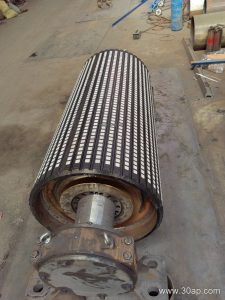
Maintenance is mostly inspection. Walk the line, listen for a dry or grinding roller, check for a stopped shell, and look for material buildup under the return side. Re-greasing at the recommended interval and replacing a failed unit early are cheaper than repairing a scored belt or a damaged conveyor pulley caused by a seized idler.
For a full coal handling package, the idler schedule should be read alongside the conveyor belt specification, the conveyor pulley drawing and the frame layout. A consistent specification across the stockyard, the transfer towers and the boiler feed line makes spares simpler and keeps the whole system running.