What an EP Rubber Conveyor Belt Is
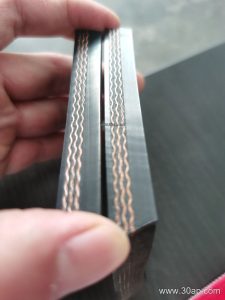
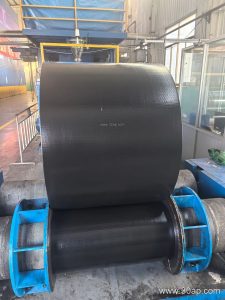
An EP Rubber Conveyor Belt is a fabric-reinforced rubber belt built around a carcass of polyester warp yarns and polyamide weft yarns. This EP fabric core gives the belt its name, and it is also known as an EP fabric core conveyor belt. In the trade, the same product appears simply as an EP conveyor belt. The polyester and nylon combination is valued because polyester keeps length growth low under tension, while polyamide adds resilience and resistance to impact. That balance matters on long runs and on lines that start and stop under load.
Buyers comparing carcass options often look at an NN conveyor belt, which uses all-nylon fabric, or a steel cord conveyor belt for very high tension and long center distances. EP sits between these in many installations, offering good strength-to-weight ratio without the splice sensitivity of steel cord. For heavy tonnage over moderate distances, an EP rubber conveyor belt is a common and practical choice.
How the Belt Is Built
The carcass usually contains multiple fabric plies, commonly two to six layers, bonded with rubber skim. Top and bottom cover rubber protect the carcass from abrasion, moisture, and material impact. Cover gauge is often written as a pair, such as 4+2 mm or 6+2 mm, where the first figure is the carrying cover and the second is the pulley side.
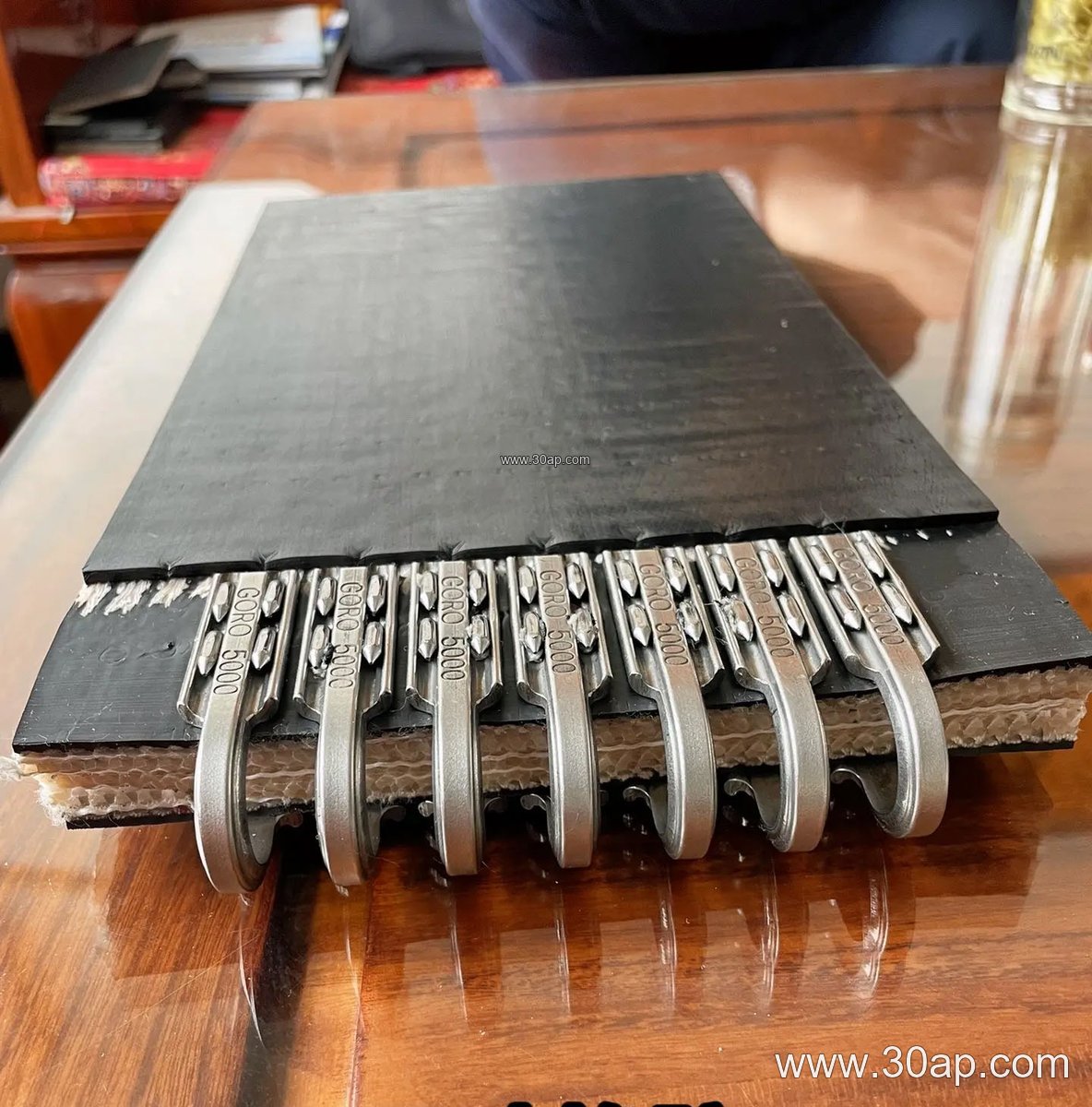
Edge construction, splice preparation, and cover compound all affect service life. A hot vulcanized splice generally gives the most durable joint on a fabric core belt. Cold splicing is used where conditions allow, but the splice should match the carcass and the operating tension.
Common Strength Grades
EP belts are rated by tensile strength per unit width. The table below shows typical grades; actual construction and cover thickness vary by manufacturer and should be confirmed against the conveyor design.
| Grade | Typical Carcass | Typical Use |
|---|---|---|
| EP200 | 2 to 3 plies | Light to medium duty, short conveyors |
| EP315 / EP400 | 3 to 4 plies | General bulk handling, aggregate lines |
| EP500 / EP630 | 4 to 5 plies | Mining, cement, power plant service |
| EP800 / EP1000 | 5 to 6 plies | Heavy-duty mining and long hauls |
| EP1250 / EP1600 | 6 plies or reinforced design | High tension main lines |
Belt width is selected from the material size, tonnage, and troughing arrangement. Common widths include B500, B650, B800, B1000, B1200, B1400, B1600, B1800, and B2000. A wider belt is not automatically better; it must match the idler roller spacing, pulley face width, and the conveyor bracket layout.
Where It Works
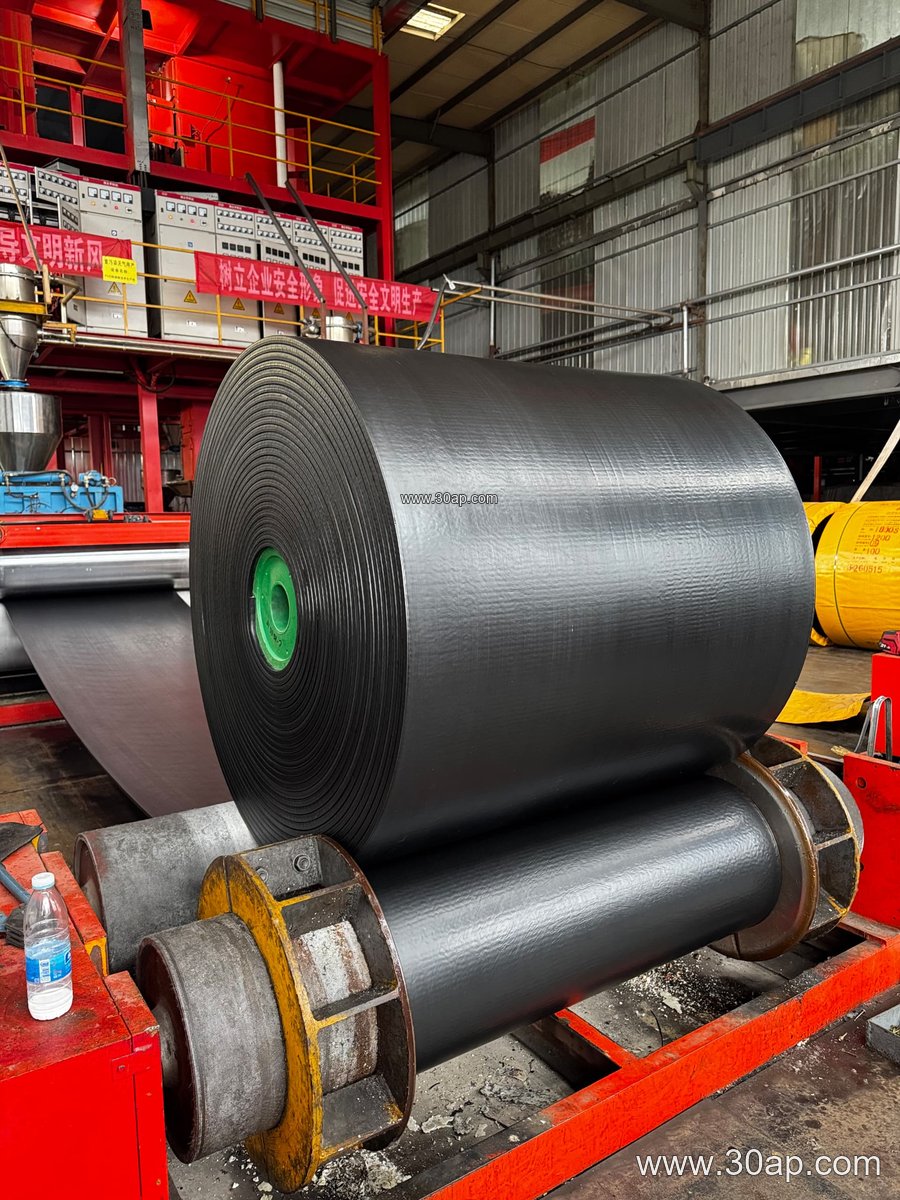
An EP rubber conveyor belt is widely used in mines, coal preparation plants, cement works, power stations, quarries, sand and gravel yards, and port bulk terminals. In a crushing circuit it carries rock from the crusher conveyor to screening, where impact resistance and abrasion resistance both matter. In a cement plant it may feed clinker or raw meal across several transfer points. In a coal yard, a flame retardant conveyor belt grade is often specified for safety reasons, and anti-static properties may be required alongside it.
Special cover compounds extend the same carcass into tougher duties. A heat resistant conveyor belt handles clinker, sinter, or hot ash. An oil resistant conveyor belt suits oily scrap or certain mineral feeds. A cold resistant conveyor belt is chosen for outdoor winter operation. Where material must be contained on an incline, a chevron conveyor belt or a corrugated sidewall conveyor belt may be considered, though these are different belt constructions and not substitutes for a standard EP belt.
Buyer Checklist
- Confirm the required tensile grade and number of plies against the calculated belt tension, not just the tonnage.
- State the material, lump size, moisture, and temperature so the cover compound can be matched.
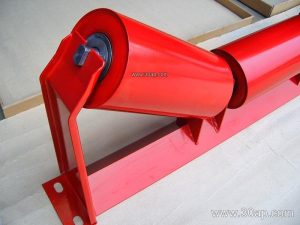
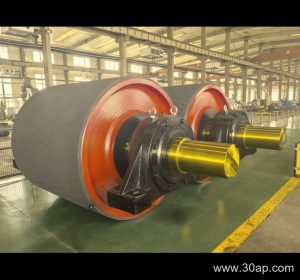
- Check pulley diameters and idler roller diameters with the belt manufacturer; belt thickness and flexibility affect minimum pulley size.
- Specify cover gauge, for example 4+2 mm or 6+2 mm, and whether covers must be abrasion resistant or flame retardant.
- Agree on splice method, edge condition, and any requirement for an endless conveyor belt supplied pre-joined.
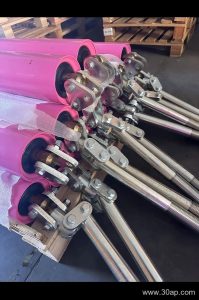
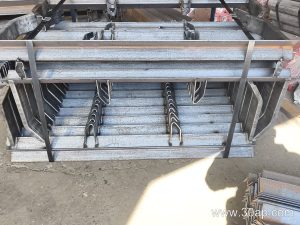
- Review the conveyor pulley, idler roller, and conveyor bracket arrangement before ordering to avoid mismatch at the tail and drive ends.
On site, keep the belt tracking well, maintain skirt rubber and transfer chutes, and inspect splices and edges regularly. Most early failures trace back to misalignment, material spillage, or damaged idlers rather than the carcass itself. Matching the belt grade and cover to the actual duty remains the most reliable way to get full service life from an EP rubber conveyor belt.