What a 1500mm Conveyor Belt Is and Where It Fits
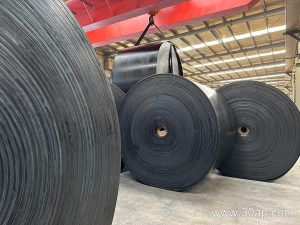
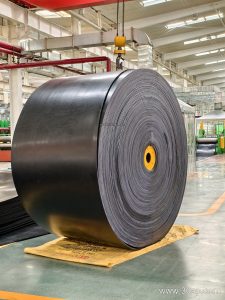
A 1500mm conveyor belt is a wide belt built for high-volume material transport. The 1500mm figure refers to the belt width, which is also written as B1500 or described as a 1500mm wide conveyor belt. This width sits between common B1400 and B1600 sizes, and it is often chosen when a single line must move a large tonnage without running at very high speed. Mines, coal preparation plants, cement works, power stations, quarries and sand and gravel yards are typical users of this belt class. The same width may appear in an aggregate conveyor belt on a primary crushing line or in a bulk material conveyor belt feeding a stockpile or ship loader.
Width alone does not define the belt. A buyer should treat 1500mm as the starting point and then confirm the carcass, cover grade, tensile strength and edge construction for the actual duty.
Construction and Common Belt Types
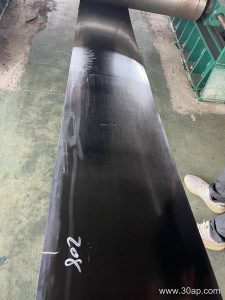
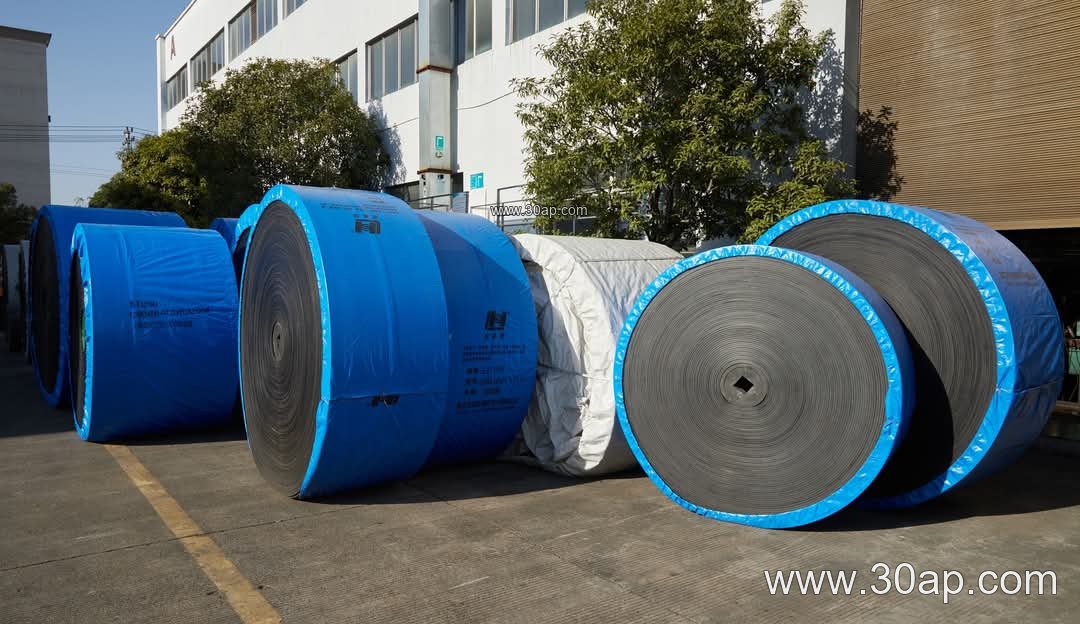
The belt is a composite: a load-carrying carcass, top and bottom rubber covers, and often an edge treatment. For a 1500mm belt, the carcass choice has a large effect on cost, splice method and load support.
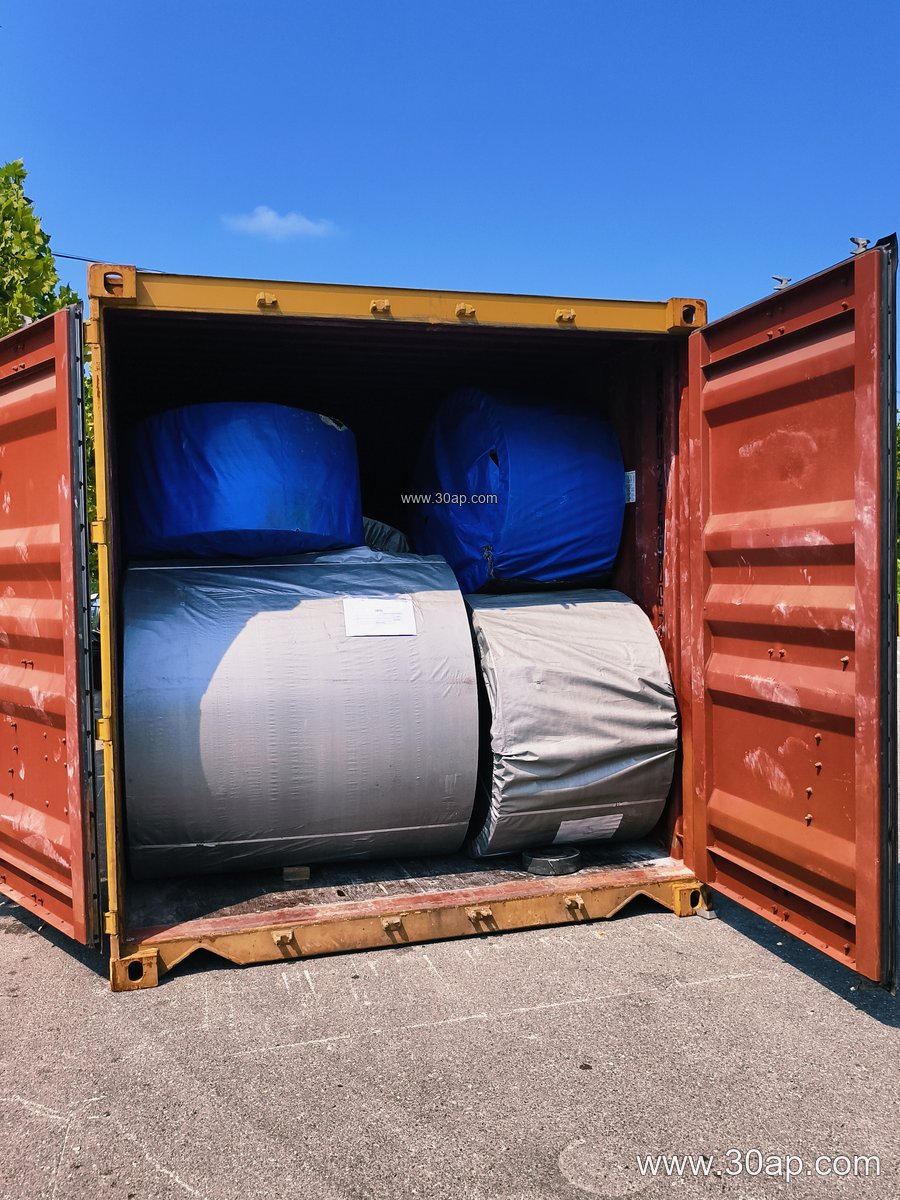
- Fabric core belts such as EP (polyester-cotton) and NN (nylon-nylon) constructions are widely used. EP conveyor belt grades like EP400, EP630 and EP1000 are common references for medium to heavy duty. A multi-ply fabric core conveyor belt with 3 to 5 plies is a practical option for many 1500mm installations.
- Steel cord belts are used where long center distances and high tension call for a stronger carcass. ST1250, ST1600 and ST2000 are examples of strength classes that may be considered, but the final class depends on the conveyor design.
- PVC and PVG belts appear in underground coal mining and other flame-retardant duties. PVG800S is one reference grade seen in such work.
Cover compounds follow the cargo. A high abrasion resistant conveyor belt suits crushed rock and ore; a heat resistant conveyor belt suits cement clinker or sinter; an oil resistant conveyor belt handles oily scrap or certain mineral feeds; and a flame retardant conveyor belt or fire resistant conveyor belt is specified for coal and other combustible dust areas. Cold resistant and anti-static versions are available for specific climates and dust conditions.
| Parameter | Typical Reference Range |
|---|---|
| Belt width | 1500 mm (B1500) |
| Carcass type | EP, NN, steel cord, PVC, PVG |
| Strength class examples | EP400, EP630, EP1000, ST1600 |
| Number of plies | Commonly 2 to 6 for fabric core |
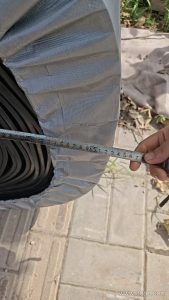
| Top and bottom cover | Common examples 4+2, 5+2, 6+2, 8+3 mm |
| Surface form | Smooth, chevron, corrugated sidewall, skirted |
Applications Across Industries
In mining, a 1500mm belt often works as a mining conveyor belt on main haulage or plant feed lines. Underground coal mining conveyor belt systems may use flame retardant and anti-static constructions, while iron ore and copper ore duties lean toward abrasion resistant covers. In cement plants, the belt may carry limestone, clinker or additives, and heat resistant grades are common near kiln discharge. Power plants use wide belts for coal and ash handling. Quarries and stone crushing plants pair a 1500mm belt with screens, crushers and idler roller sets to keep a steady flow of aggregate moving.
Special shapes are also available in this width. A chevron conveyor belt helps on inclines, a corrugated sidewall conveyor belt or skirted conveyor belt contains material on steep or transfer-heavy routes, and a pipe conveyor belt is used where the cargo must be enclosed. An endless conveyor belt can reduce splice count on shorter, fixed-center machines.
Selection Points for Buyers
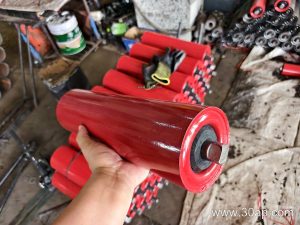
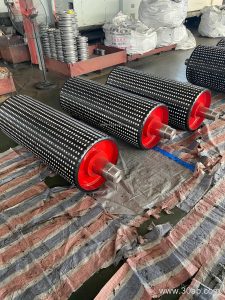
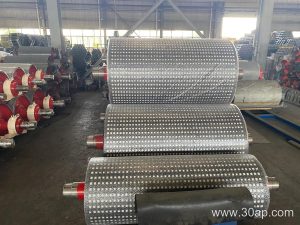
Start with the conveyor layout: capacity, lift angle, lump size, loading method and center distance. A 1500mm belt can carry more material than a 1200mm wide conveyor belt at the same speed, but it also needs wider pulleys, more idler roller support and a frame that matches the load. Do not assume that belt width fixes pulley diameter or shaft size; those are set by the conveyor design, tension and drive arrangement. Drive, tail and bend pulleys each have their own role and should be specified separately from the belt.
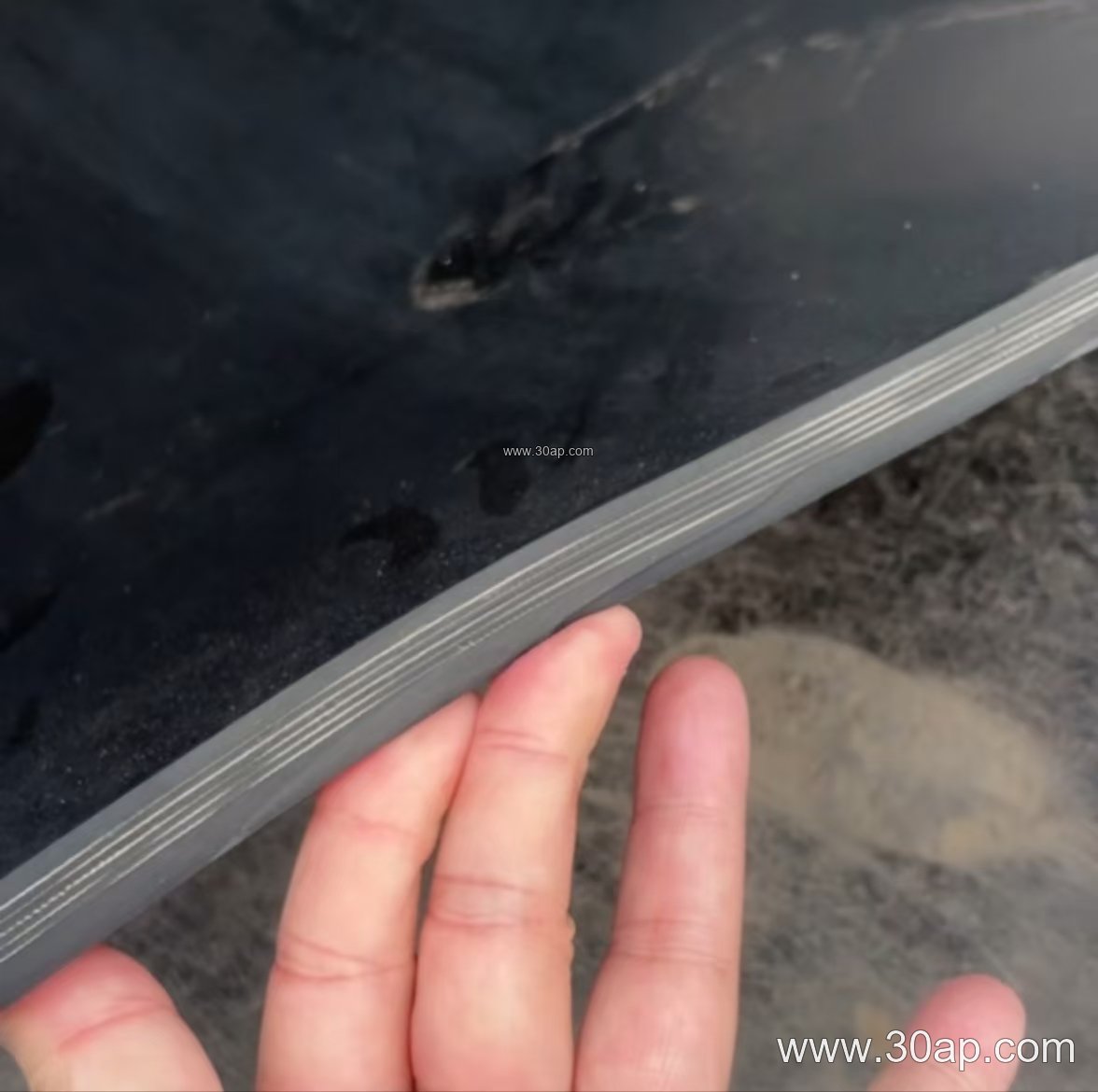
Ask for the carcass type, ply count, cover thickness and grade, and the recommended splice method. Confirm the belt edge condition and whether a breaker fabric or impact layer is needed at transfer points. For coal or dusty service, clarify flame retardant and anti-static requirements. Check that the offered belt matches the conveyor bracket and pulley dimensions on site, and request a data sheet rather than relying on a single width figure.
Care and Inspection
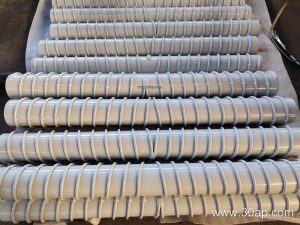
Wide belts are heavy, so handling and storage matter. Keep rolls supported, avoid sharp bends, and follow the maker’s splicing instructions. During operation, watch for edge damage, cover wear, and material buildup on idler roller and pulley surfaces. Misalignment on a 1500mm belt can wear edges quickly, so check training and loading centering regularly. Record cover thickness over time to plan replacement before the carcass is exposed.
For more technical guidance on conveyor belt, idler roller, conveyor pulley and conveyor bracket selection, match the belt to the full conveyor design rather than to width alone.