What a Trough Idler Set Does on a Conveyor
A trough idler set is the assembly of two or three idler rollers mounted on a common frame to support the carrying side of a conveyor belt. Its angled arrangement forms a trough that keeps bulk material centered and reduces spillage. In a limestone quarry or a coal washing plant, this assembly is one of the most frequently replaced wear parts, so understanding how it is built and specified matters for both uptime and operating cost.
The set usually includes a center roller and two side rollers, held in a bracket or frame. The trough angle — commonly 20, 30, 35, or 45 degrees — determines how deeply the belt is cupped. A three-roll set is standard for most bulk material conveyor belts, while a two-roll set may suit narrower belts or specific transition zones. The idler roller itself can have a steel, nylon, ceramic, or rubber-covered surface depending on the duty.
Construction Details That Affect Performance
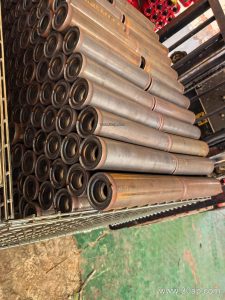
Each roller in the set rotates on its own shaft and bearing housing. Common bearing sizes include 6204, 6205, 6305, 6306, 6308, and 6310, but bearing selection should follow the load and speed calculated for the conveyor design, not a fixed rule. The roller length varies with belt width and trough angle. For example, a three-roll set on a B800 belt often uses rollers around 315 mm long, while a B1200 set may use roughly 465 mm. These are typical references, not universal specifications.
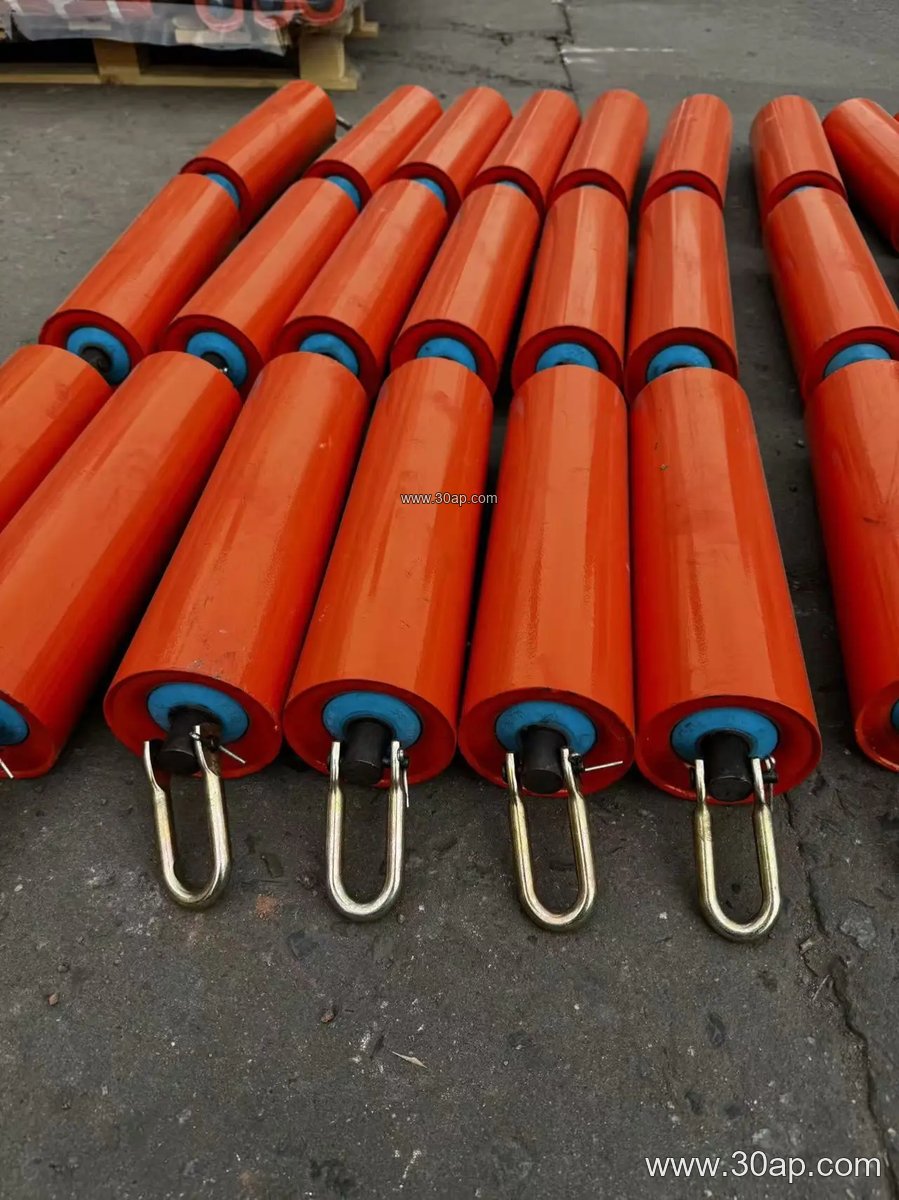
Sealing is another critical point. Dust from crushed stone, cement, or iron ore quickly destroys unprotected bearings. Labyrinth seals and grease retention features extend service life in abrasive environments. A rubber disc impact idler set is a different subtype used at loading points to absorb shock; it is not a substitute for the standard carrying set but may be compared when selecting a full conveyor layout.
Where Trough Idler Sets Are Used
These assemblies appear wherever a conveyor belt carries loose material. In a sand and gravel line, they support the belt after the crusher. In a power plant coal yard, they keep the fuel stream centered on its way to the boiler. In a fertilizer or grain terminal, a clean-running design may be preferred to avoid contamination. The same basic set also works in tunnel spoil removal and concrete batching plants.
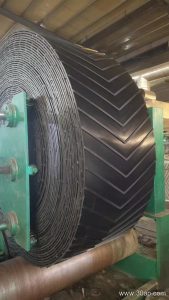
For heavy-duty mining conveyor belt systems, the set must match the belt’s load and speed. A steel cord conveyor belt or a thick EP conveyor belt can carry higher tensions, and the idler set must be rated accordingly. A flame retardant conveyor belt used underground may require idlers with anti-static properties, though the set itself is selected mainly for load, diameter, and environmental resistance.
Matching the Set to Belt Width and Roller Diameter
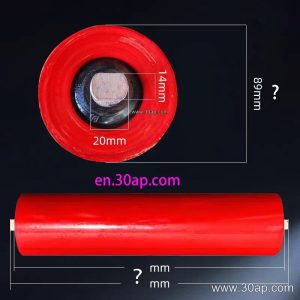
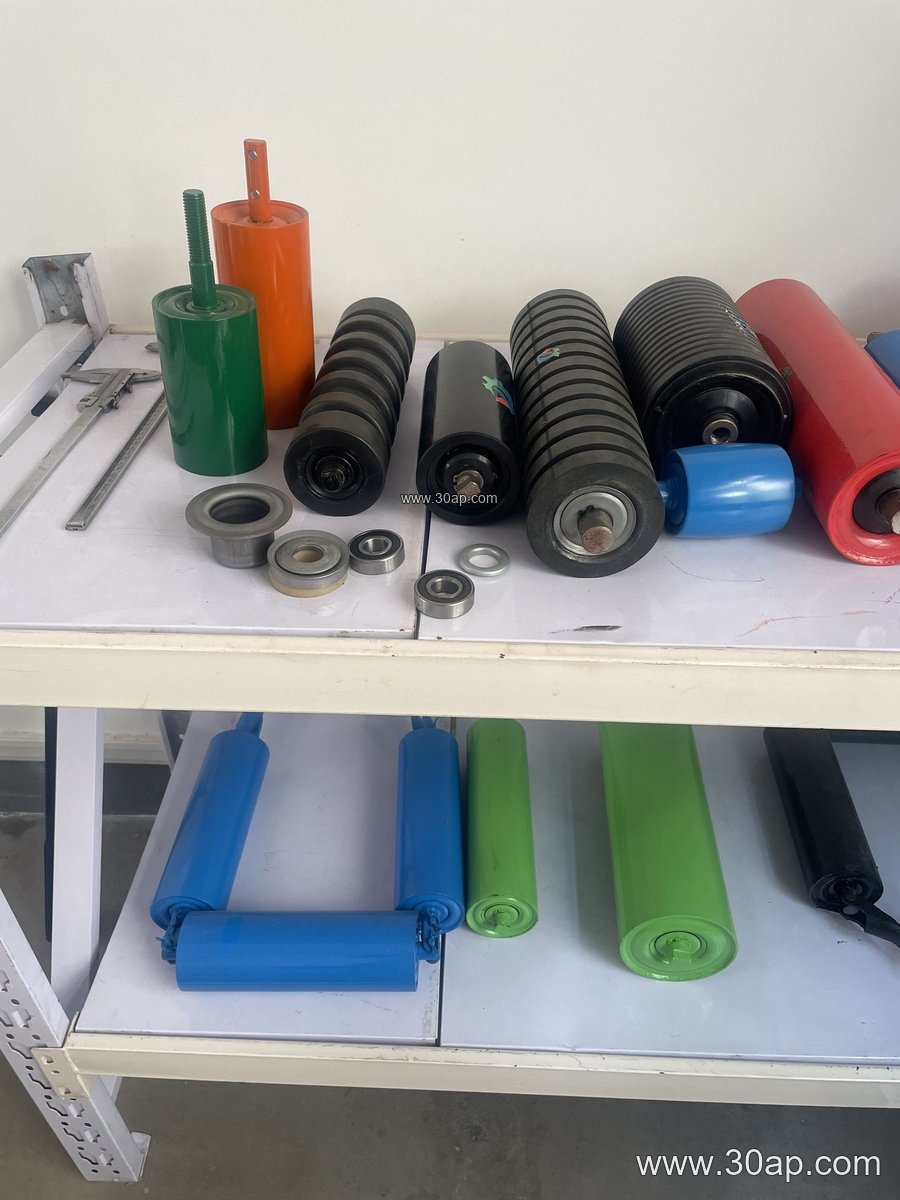
Buyers often ask which roller diameter suits which belt. There is no single answer. Roller diameters such as Ø89, Ø108, Ø127, Ø133, Ø159, and Ø178 are common, and the choice depends on belt speed, load, and the frame design. A wider belt does not automatically dictate one shaft diameter. The table below shows typical reference combinations only.
| Belt Width (B) | Typical Roller Length (three-roll set) | Common Roller Diameter Range |
|---|---|---|
| B500 | approx. 200 mm | Ø63–Ø89 |
| B650 | approx. 250 mm | Ø76–Ø108 |
| B800 | approx. 315 mm | Ø89–Ø133 |
| B1000 | approx. 380 mm | Ø108–Ø159 |
| B1200 | approx. 465 mm | Ø127–Ø178 |
| B1400 | approx. 530 mm | Ø133–Ø194 |
| B1600 | approx. 600 mm | Ø159–Ø219 |
Side rollers and center rollers can differ in length. A transition idler set near the head or tail may use a different angle to guide the belt smoothly. Self-aligning types, such as friction or tapered aligning sets, are used to correct belt tracking and are a separate subtype from the standard carrying set.
Buyer Checklist for Trough Idler Sets
- Confirm belt width and trough angle before ordering; a 35-degree set will not fit a frame designed for 20 degrees.
- Check the roller diameter and bearing size against the actual load, not just the belt width.
- Specify the roller surface: steel for general use, rubber disc for impact zones, ceramic for sticky or abrasive materials.
- Consider the environment: coal mining conveyor belts and underground mining conveyor belts may need flame retardant and anti-static properties, while a cement plant may prioritize dust sealing.
- Ask for the bracket or frame dimensions, as conveyor bracket styles vary between manufacturers.
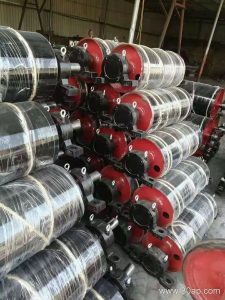
For a reliable conveyor line, the trough idler set should be selected together with the conveyor pulley and conveyor bracket layout. A mismatched set can cause belt edge wear, material spillage, and premature bearing failure. Whether the application is a quarry conveyor belt, a port ship loading conveyor belt, or an aggregate conveyor belt, the same principle applies: match the set to the actual duty and confirm dimensions with the supplier.