What a Conveyor Idler Quotation Covers
A conveyor idler quotation is more than a price list. It is the document that matches carrying rollers, return rollers and the supporting frames to a specific conveyor belt line, and it should show enough technical detail for the buyer to check fit, duty and replacement logic before ordering. In a quarry, a cement plant or a power plant coal yard, the quotation is often the first place where roller diameter, belt width, trough angle and bearing size are confirmed together.
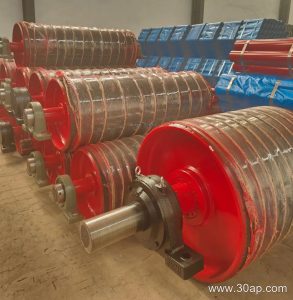
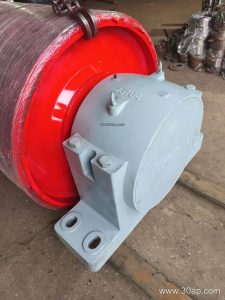
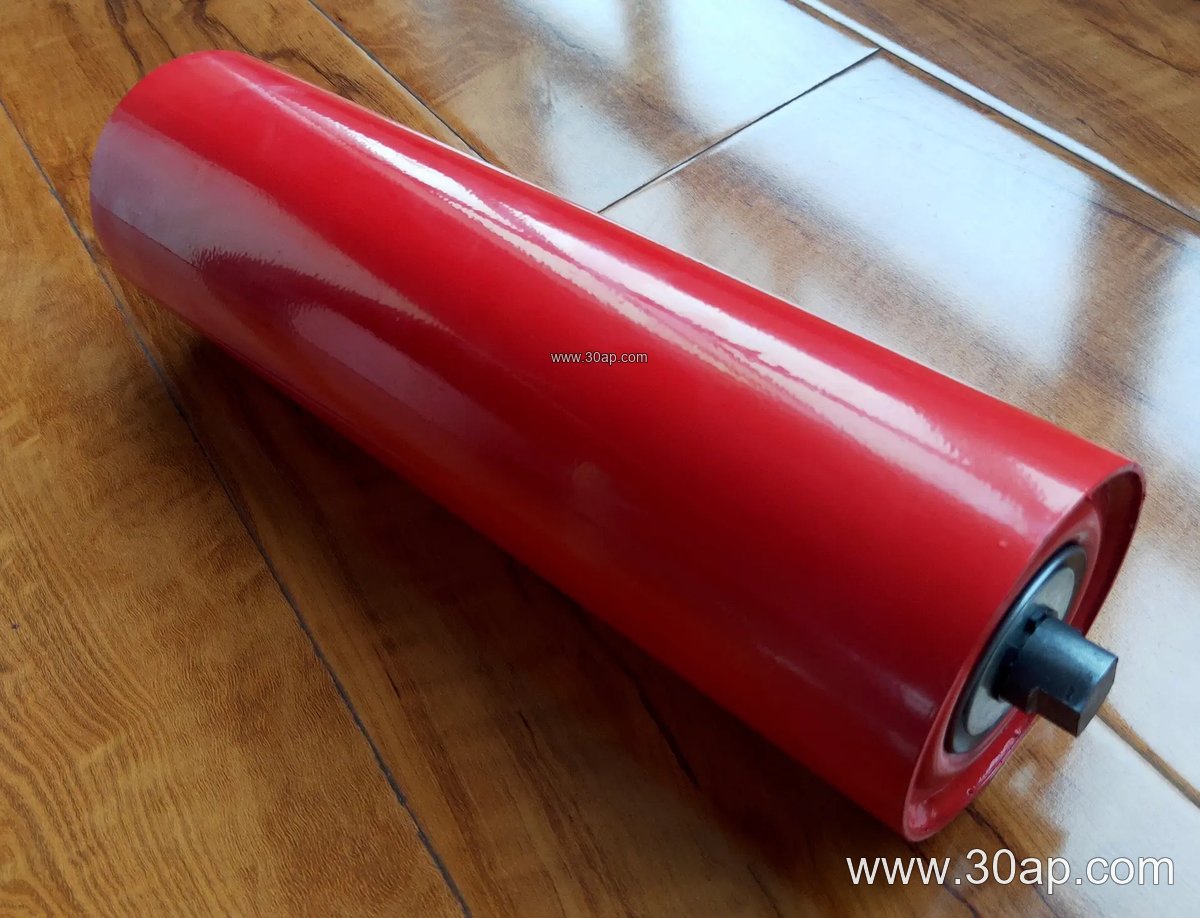
An idler roller is the rotating part that supports the conveyor belt and the material load. The quotation usually groups items by position along the conveyor: upper carrying idlers, lower return idlers, impact idlers at the loading point, and self-aligning idlers on long runs. Each group can carry its own roller diameter, shell material and bearing specification, so mixing them in one line without notes is a common source of error.
Reading the Roller Data Before You Compare Offers
Idler diameter and belt width are related but not fixed pairs. A quotation should state the roller diameter, the belt width it is intended for, and the idler set form, because a three-roll troughing set for a B800 belt is not the same as a single-roll set on a small transfer conveyor. Common roller diameters include Ø89, Ø108, Ø127, Ø133, Ø159 and Ø178, while wider belts and heavier loads may call for Ø194 or Ø219. The belt width range itself usually runs from B400 up to B2400, and the quotation should make clear which width each line item serves.
Trough angle also belongs in the quotation. Angles of 20, 30, 35 and 45 degrees change the roll length and the material profile, so a buyer comparing two offers should check that both use the same angle. Where self-aligning or forward-tilted idlers are quoted, the tilt is commonly about 1.5 to 2 degrees; this should be written as a design value, not assumed.
Common reference values for idler selection
| Item | Typical reference | Note |
|---|---|---|
| Roller diameter | Ø63, Ø76, Ø89, Ø102, Ø108, Ø127, Ø133, Ø159, Ø178, Ø194, Ø219 | Selected by load and belt speed |
| Belt width | B400 to B2400 | Match to the actual conveyor |
| Trough angle | 20°, 30°, 35°, 45° | Affects roll length and capacity |
| Bearing | 6204, 6205, 6305, 6306, 6308, 6310 | Confirm per roller size |
| Shell surface | Steel tube, nylon, ceramic, rubber ring | Depends on wear and sticking |
For a three-roll troughing set, common roll lengths are roughly 200 mm for B500, 250 mm for B650, 315 mm for B800, 380 mm for B1000, 465 mm for B1200, 530 mm for B1400, 600 mm for B1600, 670 mm for B1800 and 750 mm for B2000. These are examples only; side rolls and center rolls can differ, and the final length follows the design.
Where Idler Quotations Matter Most
In a limestone quarry or an aggregate crushing line, abrasive dust and impact at the transfer point drive the choice toward rubber-ring impact idlers and wear-resistant shells. In a coal-fired power plant, flame retardant conveyor belt and anti-static properties on the belt side are usually specified alongside the idler quotation, because the whole conveyor is reviewed as one system. A copper or iron ore operation may focus on heavy-duty rollers and sealed bearings, while a cement plant often needs heat resistance considered near clinker handling.
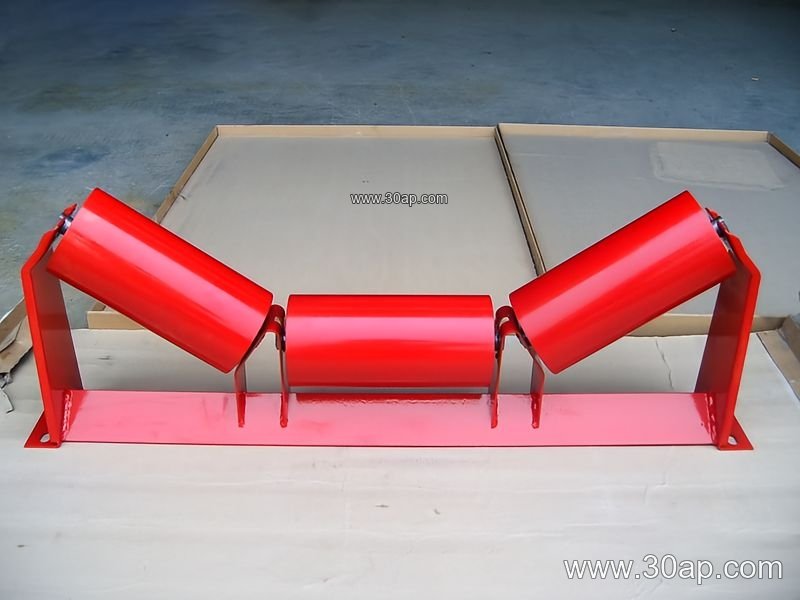
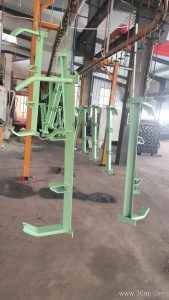
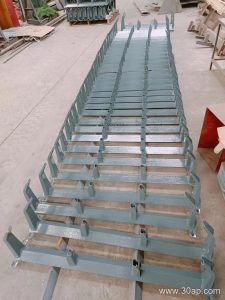
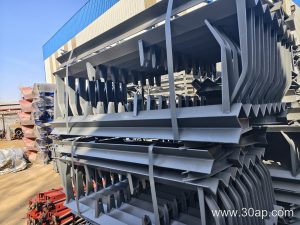
The quotation should also name the conveyor bracket and frame type, since an idler that fits the roller but not the bracket cannot be installed. Buyers replacing rollers on an existing line should send the current roller drawing, the belt width and the trough angle, and ask the supplier to confirm interchangeability rather than assume it.
What Buyers Should Confirm in the Offer
- Roller diameter, shell thickness and surface form for each line item.
- Bearing model and sealing arrangement, especially for dusty or wet locations.
- Idler set type: single roll, two roll or three roll troughing, and the return arrangement such as flat or V-return.
- Belt width and trough angle used as the basis of the quotation.
- Whether the quoted idlers suit the existing conveyor bracket and frame.
- Quantity per conveyor section, plus a suggested spare ratio for wear parts.
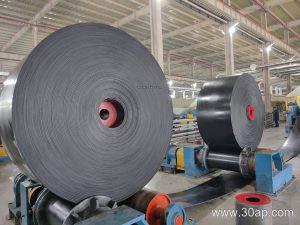
A well-built quotation lets a maintenance planner in a coal mine, a sand and gravel plant or a port terminal compare offers on the same technical basis. Ask for the roller drawing and the bearing designation in writing, and keep the belt specification, such as an EP conveyor belt or a steel cord conveyor belt, attached to the inquiry so the idler supplier can judge load and speed correctly.
For more conveyor component references, visit belttechpro.com conveyor idler quotation and review the roller and frame data before you send an inquiry.