What a Guide Idler Bracket Does on a Conveyor
A guide idler bracket is the mounting component that holds a guide idler in position along the conveyor frame. Its job is to keep the belt centered as it travels, especially on long runs where misalignment can cause edge damage, spillage, and premature wear. In quarry and aggregate lines, a small tracking error on a 1000mm conveyor belt can quickly turn into a maintenance headache. The bracket provides a stable, adjustable base for the idler roller that contacts the belt edge and nudges it back on track.
Unlike a standard troughing bracket that supports the load-carrying side at a fixed angle, this bracket is designed for fine lateral adjustment. It is often paired with a return-side guide roller or a vertical edge roller, depending on the conveyor layout. The component itself is simple, but its placement and rigidity matter a great deal for belt training.
Construction and Common Materials
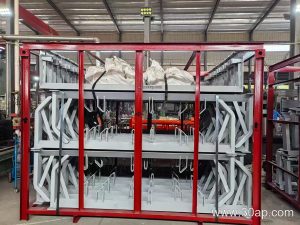
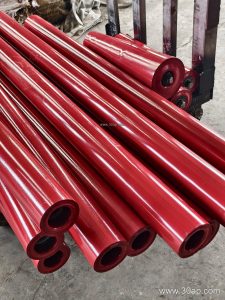
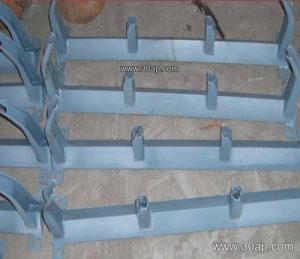
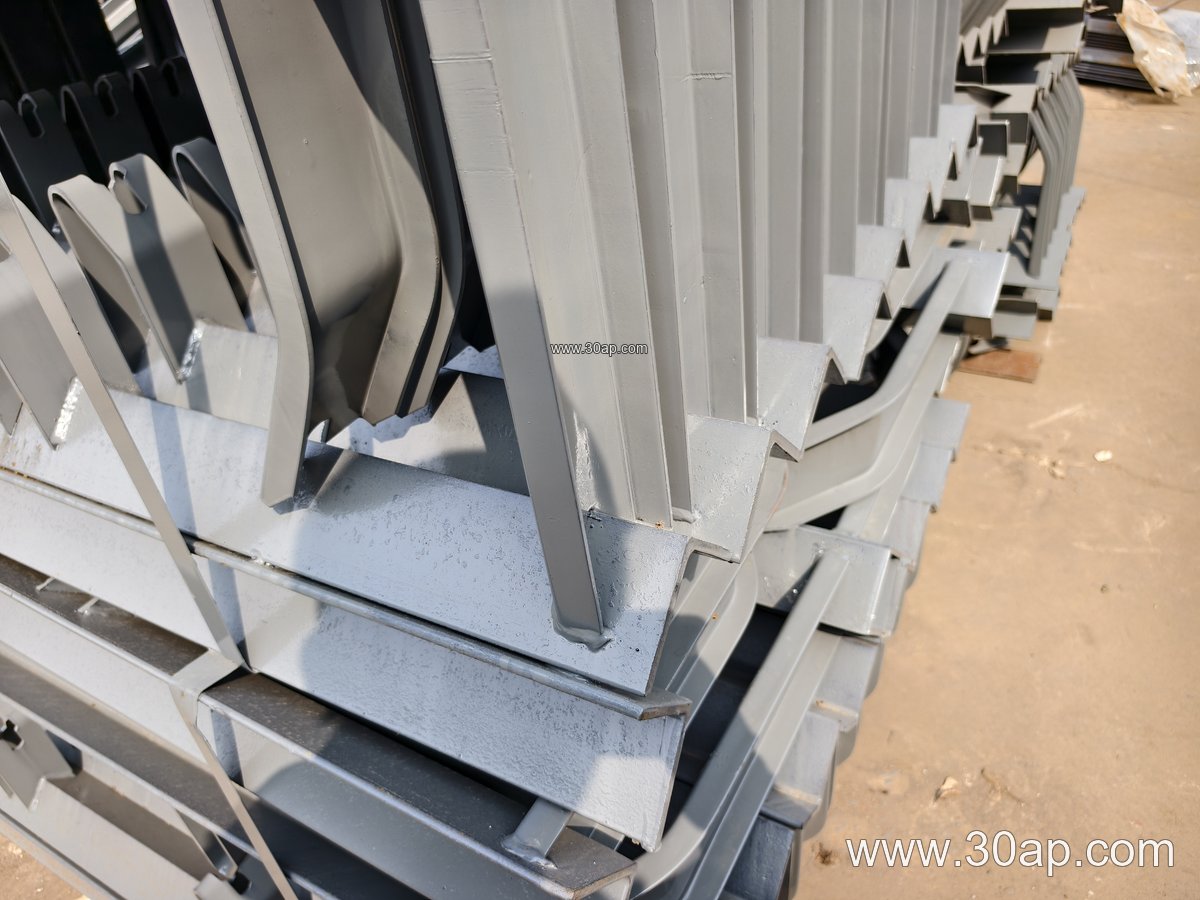
Most guide idler brackets are fabricated from angle steel, channel steel, or bent steel plate. The choice depends on the load and the environment. In a cement plant or power plant coal yard, painted or galvanized steel is common to resist corrosion. In heavy-duty mining conveyor applications, thicker channel sections are used to withstand vibration and occasional impact.
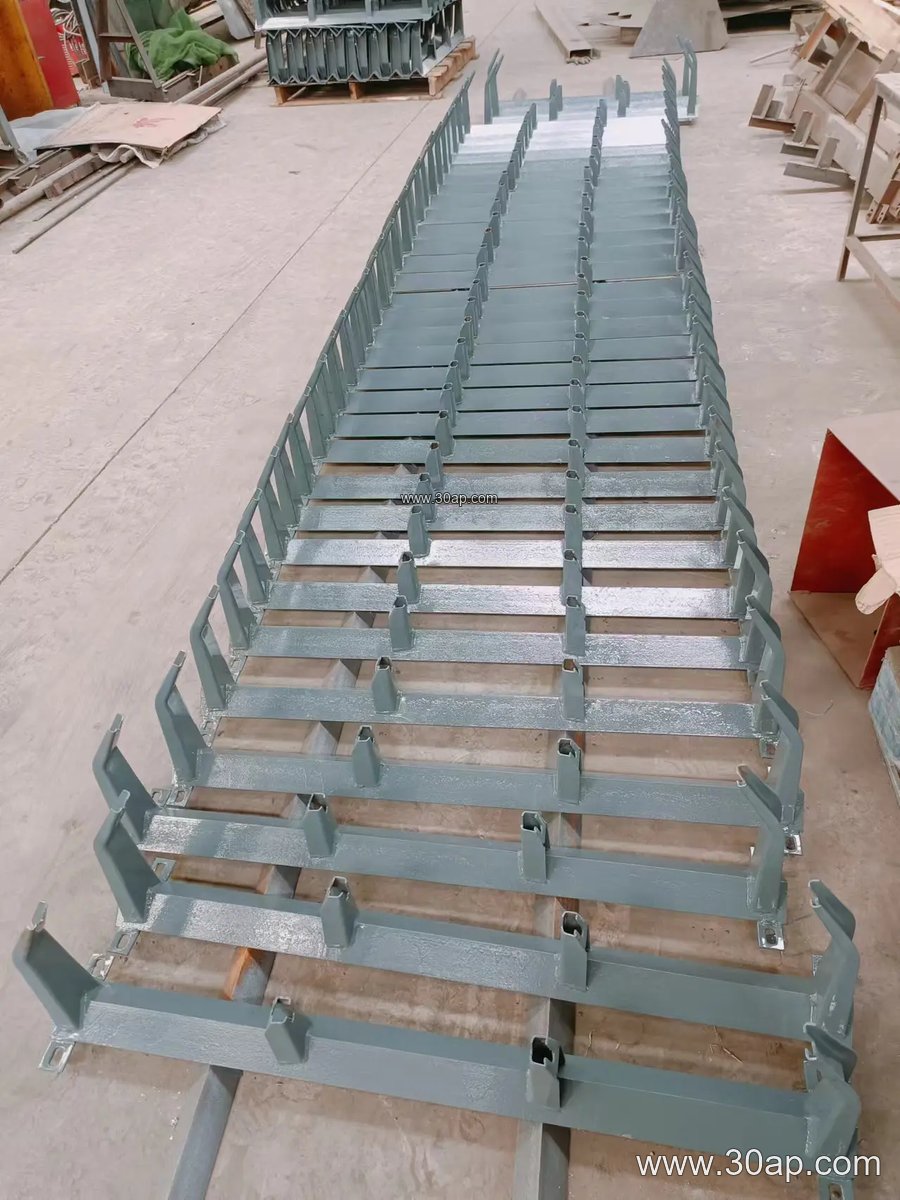
Typical features include slotted mounting holes for lateral adjustment, a reinforced pivot point, and a base plate that bolts to the conveyor stringer. The bracket may be fixed or adjustable. Adjustable versions allow the operator to change the roller position without cutting or re-welding the frame.
Reference Dimensions and Fit
The table below shows common bracket and idler combinations. These are reference values, not universal specifications. Actual mounting hole spacing and beam length vary with belt width and trough angle.
| Belt Width | Typical Trough Angle | Common Idler Diameter | Bracket Style |
|---|---|---|---|
| B500 | 20° | Ø89 | Fixed or adjustable |
| B650 | 30° | Ø89 | Adjustable guide |
| B800 | 35° | Ø108 | Slotted base |
| B1000 | 35° | Ø108 | Heavy channel |
| B1200 | 45° | Ø133 | Adjustable guide |
| B1400 | 45° | Ø133 | Reinforced pivot |
| B1600 | 35° | Ø159 | Heavy-duty |
| B1800 | 45° | Ø159 | Adjustable guide |
| B2000 | 35° | Ø194 | Reinforced base |
These combinations are examples. A B800 conveyor might use a 30° trough angle with Ø108 idlers in one plant and a 35° angle in another. The bracket must match the frame design and the idler end configuration.
Where the Bracket Fits in Material Handling
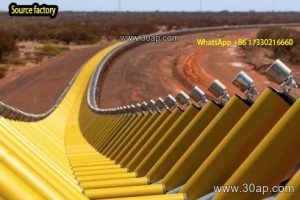
Guide idler brackets are used wherever belt tracking is critical. In a limestone quarry, they are often installed on the return side before the tail pulley to prevent the belt from rubbing the frame. In a coal mining conveyor system, they help keep the belt centered through transfer points where off-center loading is common. Cement plants use them on clinker and raw meal conveyors, while port facilities rely on them on ship loading and stockyard conveyors.
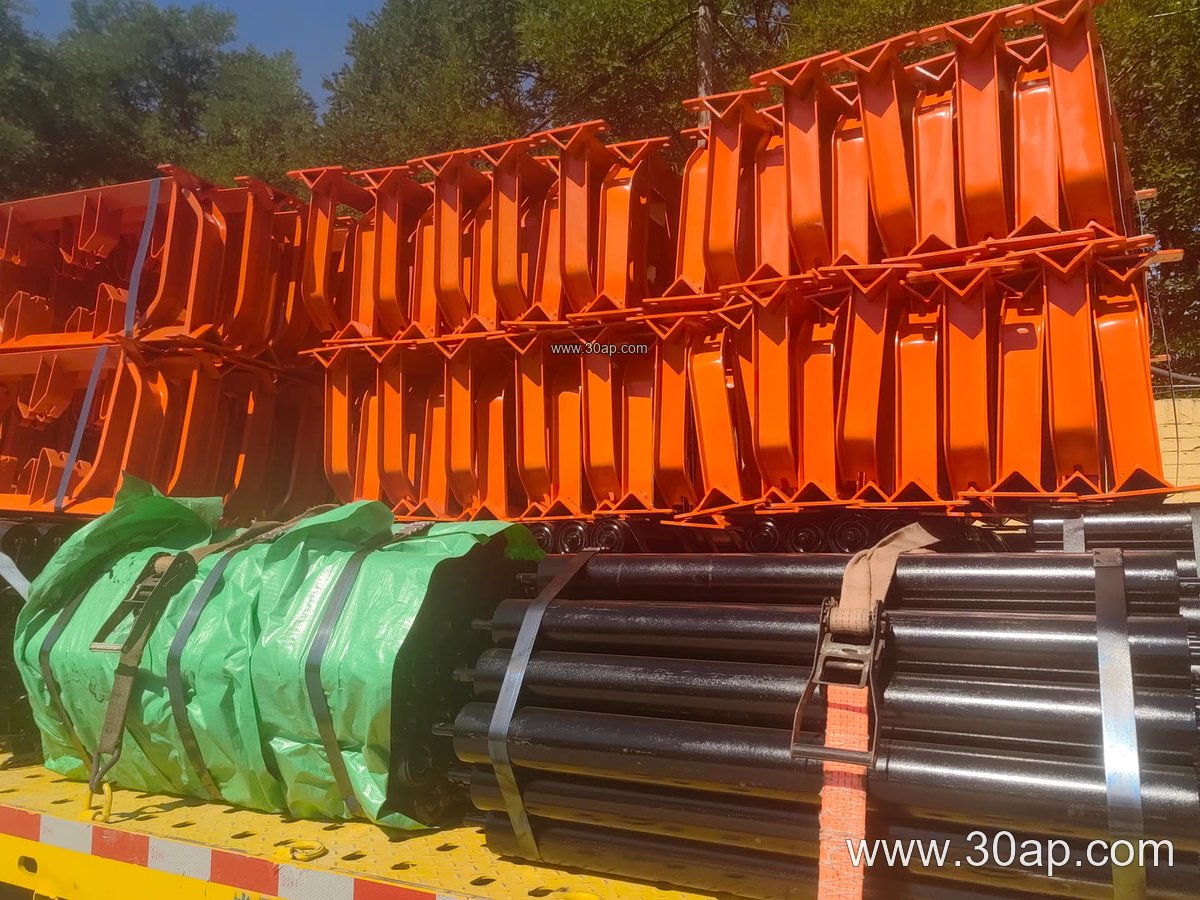
The bracket works together with the conveyor belt, the idler roller, and the conveyor pulley. If the belt is a heavy-duty mining conveyor belt or an abrasion resistant conveyor belt, the guide bracket must be robust enough to handle the same tension and load. A flimsy bracket will flex and lose its setting, allowing the belt to drift again.
Fixed vs Adjustable Guide Brackets
Fixed brackets are welded or bolted in one position. They are simple and cost-effective, but they cannot be corrected if the belt tracking changes over time. Adjustable brackets use slotted holes or a threaded rod to move the guide roller in or out. This is useful during commissioning and after belt splices or frame settlement.
Some operators prefer a bracket with a slight forward tilt, around 1.5° to 2°, to encourage self-centering. This is a design detail, not a universal rule. The correct setting depends on belt speed, load, and the type of idler roller used.
Buyer Checklist for Guide Idler Brackets
- Confirm the belt width and frame stringer spacing. A bracket for a 1200mm wide conveyor belt will not fit a B650 frame.
- Match the idler diameter. An Ø89 bracket will not accept an Ø133 roller without an adapter.
- Decide between fixed and adjustable. Adjustable is preferred where belt tracking may need fine-tuning.
- Check the material and finish. For washdown or corrosive environments, consider galvanized or painted steel.
- Verify the mounting hole pattern against the existing conveyor bracket or stringer.
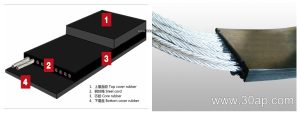
- Consider the belt type. A steel cord conveyor belt or a high strength conveyor belt may require a stiffer bracket to resist tracking forces.
When ordering, specify the belt width, trough angle, idler diameter, and whether the bracket is for the carrying side or return side. A guide idler bracket is a small part, but it plays a direct role in belt life and conveyor uptime. Selecting the right one starts with accurate frame dimensions and a clear understanding of where the belt tends to drift.