What a Dustproof and Waterproof Idler Does
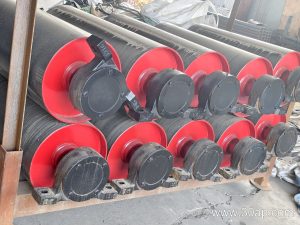
A dustproof and waterproof idler is a conveyor idler roller built with sealed bearing housings and protective end caps that keep fine particles and moisture away from the bearings. In a quarry, cement plant, or coal handling system, this sealed idler roller helps maintain smooth rotation even when the conveyor belt carries damp, dusty material or operates in wet, dirty conditions.
Construction and Sealing Details
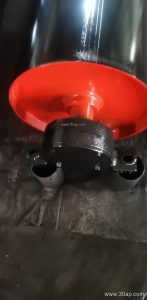
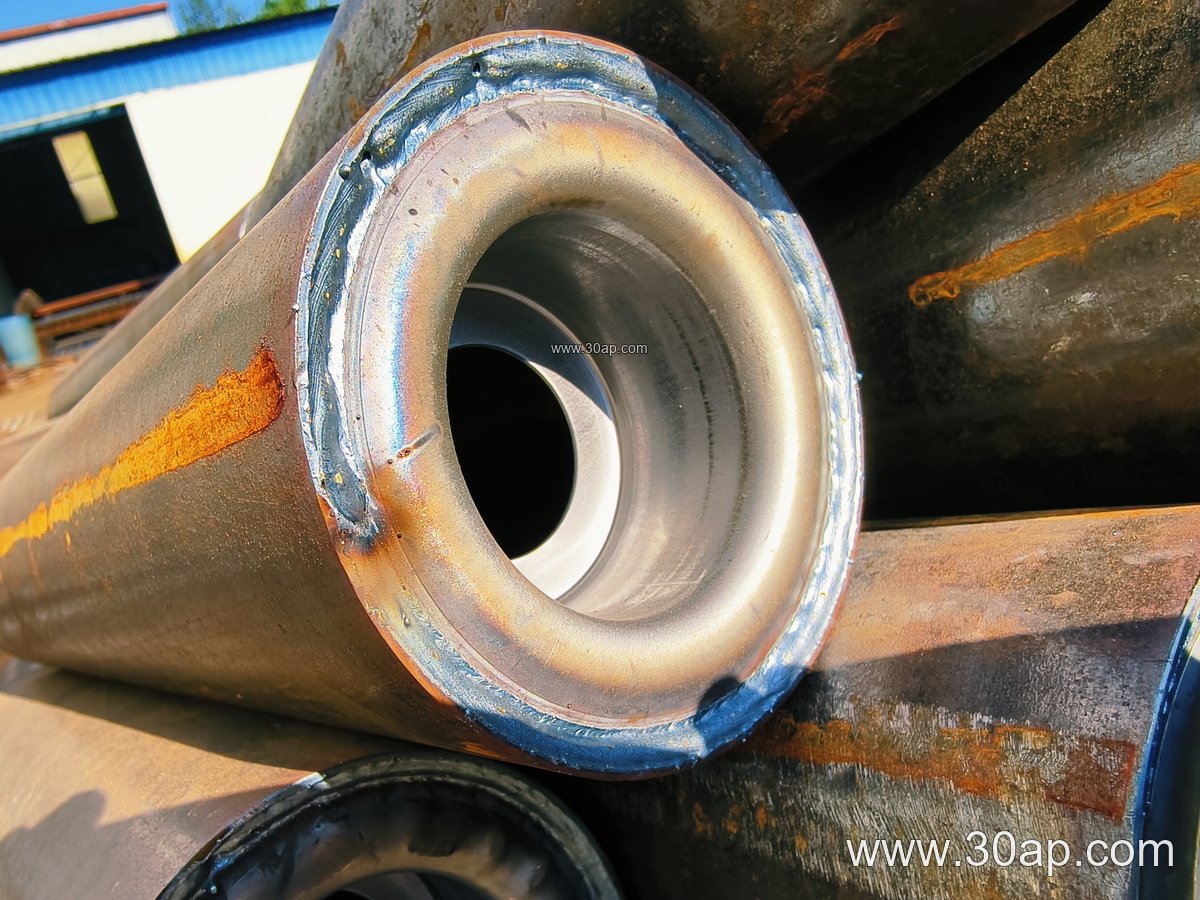
The sealing system typically combines a labyrinth path, a contact lip seal, and a grease-filled cavity. The roller shell may be steel, nylon, or rubber-covered depending on the duty. Bearing sizes such as 6205, 6305, or 6308 are selected to match the load and speed, not simply the roller diameter. Common roller diameters include Ø89, Ø108, Ø133, and Ø159 mm, but final choice follows belt width and load design. For dusty service, a multi-stage seal is more effective than a single dust lip.
Where It Fits on the Conveyor
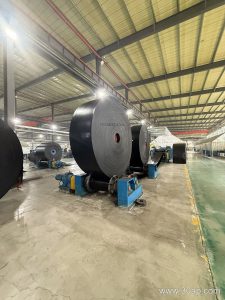
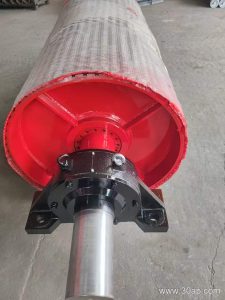
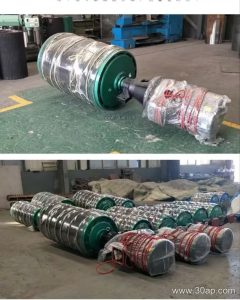
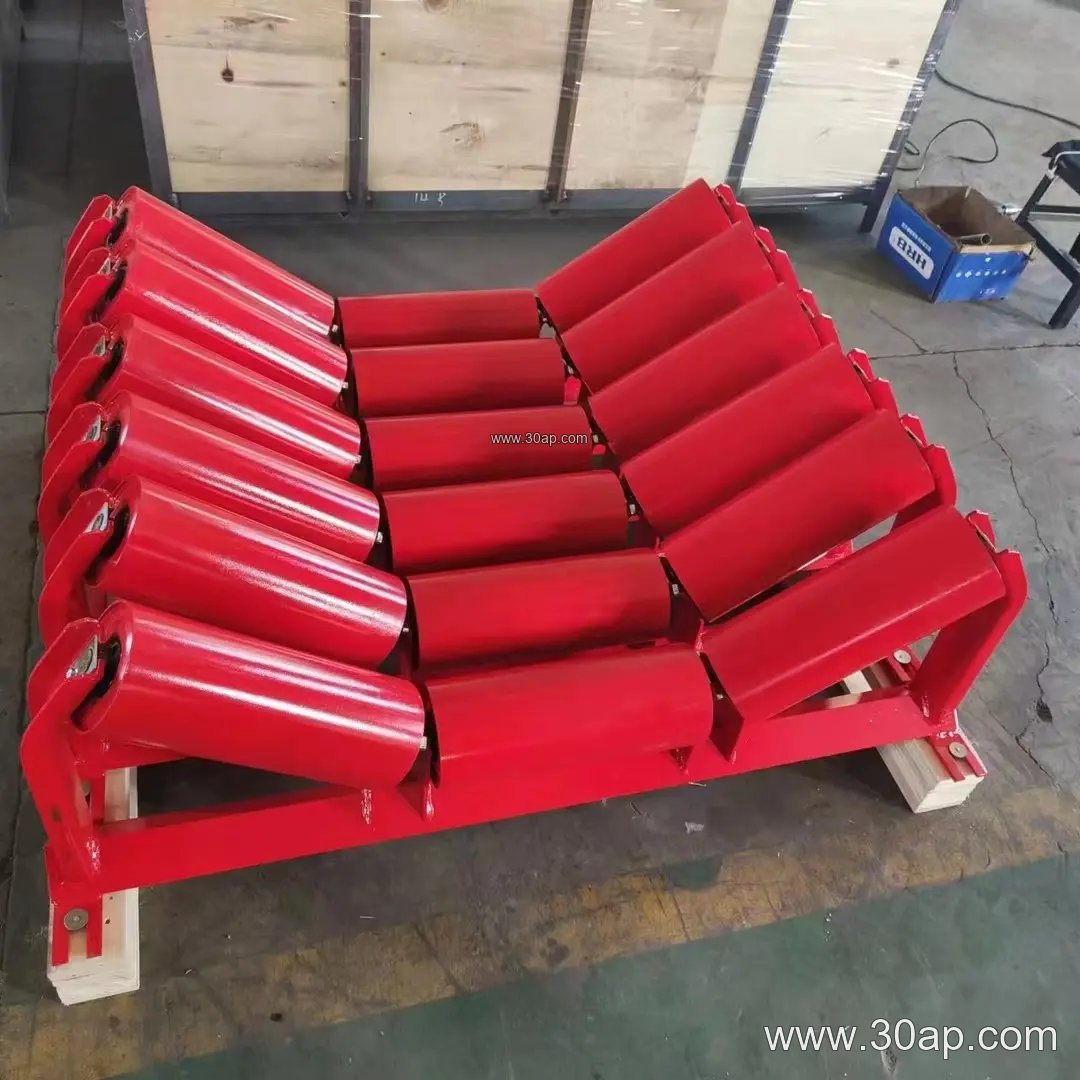
These sealed idlers are used on the carrying side and return side of troughed conveyors. They are common in limestone mines, sand and aggregate lines, and power plant coal yards where washdown or humid air is present. A dustproof and waterproof idler may be specified as a troughing idler, return idler, or impact idler with rubber rings, while the drive pulley and tail pulley remain separate components with their own designs. The sealed idler roller also suits transfer points where spillage and dust are heavy.
Typical Parameters and Selection Notes
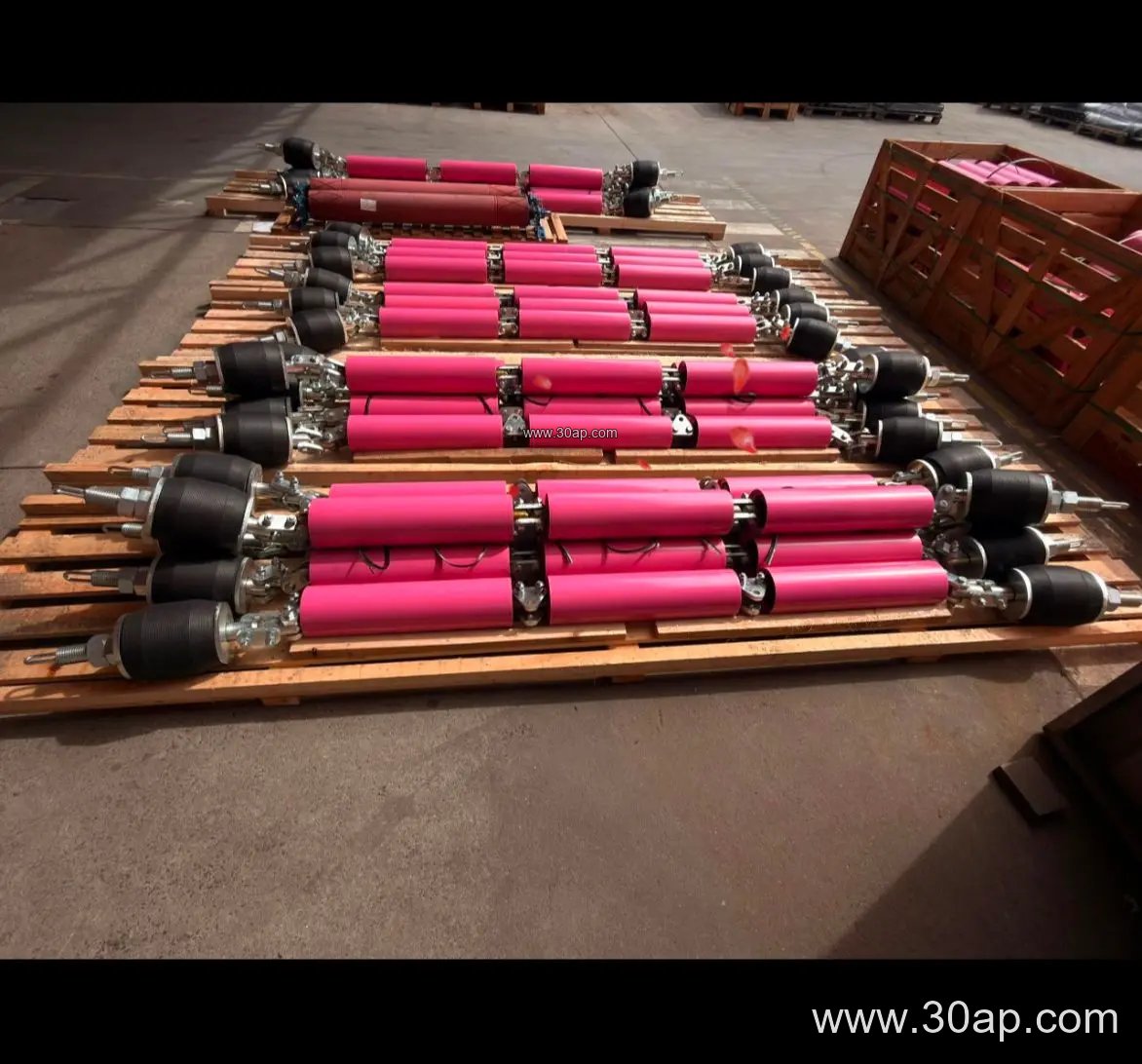
Belt width and idler diameter are matched by conveyor design, not by a fixed rule. The table below gives common reference ranges; actual roller length and bearing choice depend on the trough angle and idler arrangement.
| Parameter | Common Reference | Notes |
|---|---|---|
| Roller diameter | Ø63, Ø76, Ø89, Ø102, Ø108, Ø127, Ø133, Ø159 mm | Larger diameters suit heavier loads and higher belt speeds |
| Belt width | B500, B650, B800, B1000, B1200, B1400, B1600 mm | Roller length changes with trough angle and idler type |
| Trough angle | 20°, 30°, 35°, 45° | Affects material cross-section and side roller length |
| Bearing | 6204, 6205, 6305, 6306, 6308, 6310 | Selected by load and speed, not by diameter alone |
| Roller surface | Steel tube, nylon, ceramic, rubber rings | Rubber rings add impact and wear protection |
For example, a 800mm wide conveyor might use a 315 mm roller length in a three-roll troughing set, but side rollers and center rollers can differ. No single belt width fixes one pulley diameter or shaft size; those values come from the conveyor design.
Buying Advice
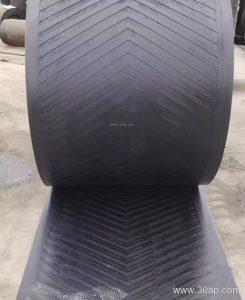
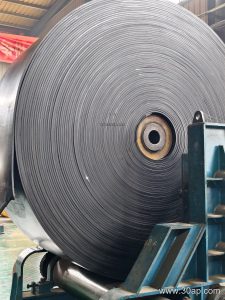
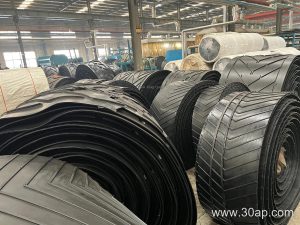
Ask for the seal design, bearing brand or specification, and grease type. A dustproof and waterproof idler should have effective end caps and a proper labyrinth gap, not just a painted finish. Check that the roller shell wall thickness matches the load, and confirm the mounting dimensions fit your conveyor bracket. For abrasive or wet material, consider rubber-covered idlers or ceramic-faced rollers. Also review the conveyor belt specification: a heavy-duty mining conveyor belt or abrasion resistant conveyor belt may require different idler spacing and impact resistance than a lightweight belt. Keep drive, tail, and bend pulleys as separate items in your spare parts list.
Maintenance That Extends Service Life
Inspect seals at scheduled stops, remove wrapped material, and re-grease according to the bearing and seal type. Replace idlers that no longer rotate freely. In dusty plants, water washdown can push grit past worn seals, so checking end caps after cleaning is worthwhile. A well-sealed idler roller reduces belt wear and keeps the conveyor running in demanding environments such as quarries, coal preparation plants, and cement lines.