What an Idler Bearing Housing Does
An idler bearing housing is the small but critical component that holds the bearing in place inside an idler roller. It sits at each end of the roller shell, supports the shaft, and keeps the rotating parts aligned while the conveyor belt runs over the roller. In a quarry, a coal washing plant, or a power plant coal handling line, dozens or even hundreds of idler rollers work together, and each one depends on a properly fitted bearing housing to turn smoothly.
The housing also protects the bearing from dust, grit, and moisture. In dusty operations such as crushing and screening circuits or a cement plant, this protection directly affects how long the roller lasts before it seizes or starts to drag on the belt.
How the Housing Is Built
Most bearing housings for idlers are made from stamped steel or pressed sheet metal, with some heavy-duty designs using cast or machined components. The housing is pressed into the roller end, and the bearing sits inside it. A seal or labyrinth arrangement is usually fitted to keep contaminants out and grease in.
Common bearing sizes used in idler rollers include 6204, 6205, 6305, 6306, 6308 and 6310. The housing must match the bearing outside diameter and the roller end dimensions. A housing that is too loose allows the bearing to spin in the seat, while one that is too tight can distort the bearing race. Buyers should confirm the bearing number, housing bore, and roller end diameter together rather than treating any one value as a fixed rule.
Where It Fits in the Conveyor
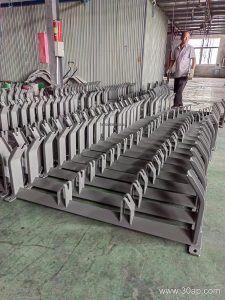
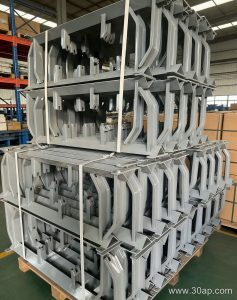
The bearing housing is used across the full length of a conveyor. Troughing idlers on the carrying side, return idlers underneath, impact idlers at the load point, and self-aligning idlers all rely on these housings. A three-roll troughing set on a B1000 or B1200 belt may use rollers with different shaft and housing arrangements at the ends compared with a single flat return roller.
Applications range from a limestone mine and an iron ore terminal to a port ship loader or a tunnel spoil removal line. In each case, the housing is a wearing part that should be checked when rollers are inspected or replaced.
Specifications Buyers Should Check
The table below lists common reference values. These are examples only and should be confirmed against the actual roller design and the conveyor bracket interface.
| Item | Common Reference Values |
|---|---|
| Bearing numbers | 6204, 6205, 6305, 6306, 6308, 6310 |
| Roller diameters | Ø63, Ø76, Ø89, Ø102, Ø108, Ø127, Ø133, Ø159, Ø178, Ø194, Ø219 |
| Belt widths | B400, B500, B650, B800, B1000, B1200, B1400, B1600, B1800, B2000, B2200, B2400 |
| Troughing angles | 20°, 30°, 35°, 45° |
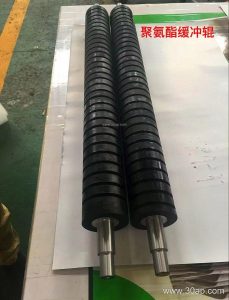
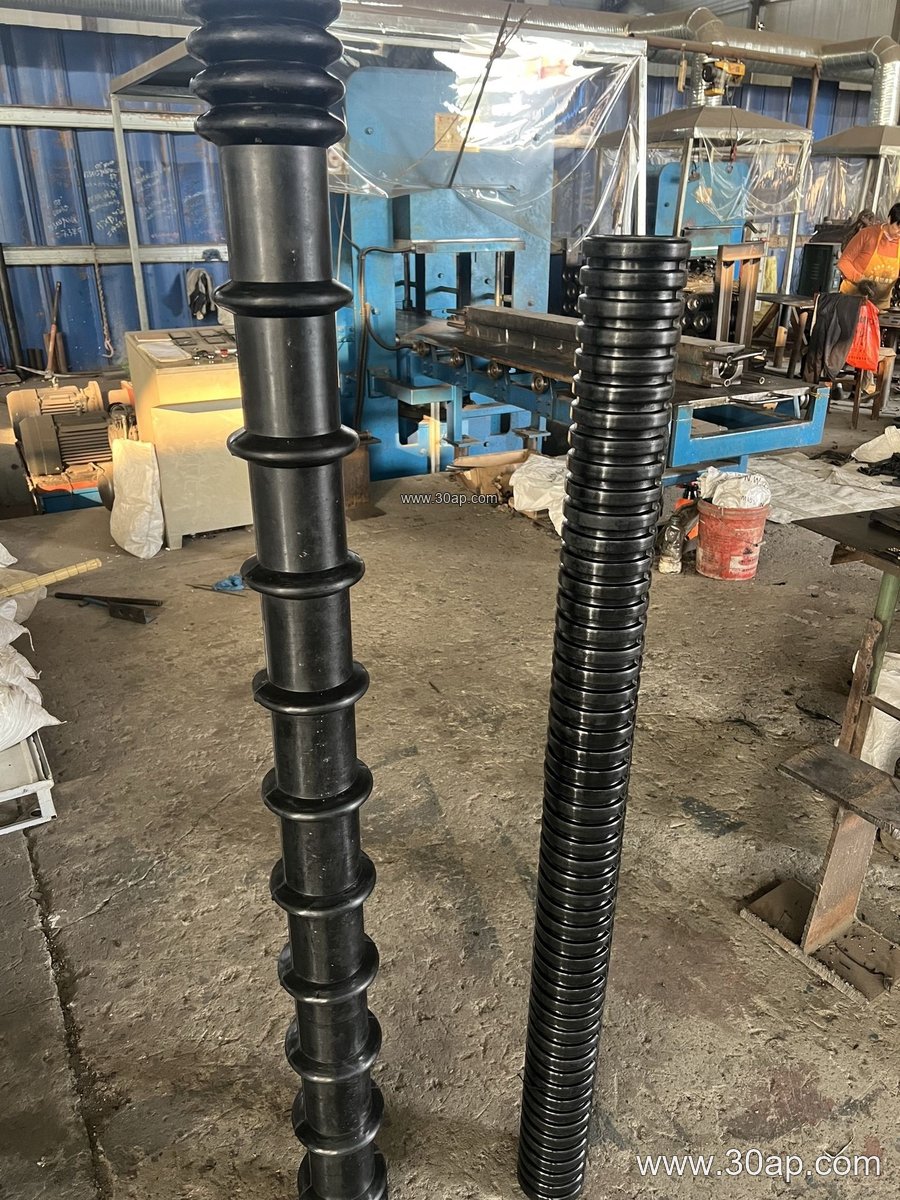
| Roller surface options | Steel tube, nylon, ceramic, rubber rings |
Roller length varies with belt width, trough angle, and idler arrangement. For example, a three-roll troughing set commonly uses roller lengths around 200 mm for B500, 250 mm for B650, 315 mm for B800, 380 mm for B1000, 465 mm for B1200, 530 mm for B1400, 600 mm for B1600, 670 mm for B1800 and 750 mm for B2000. Side rollers and center rollers can differ, so these figures should not be treated as fixed combinations.
Selection and Maintenance Notes
When matching a housing to a conveyor, consider the duty. A heavy-duty mining conveyor belt carrying abrasive ore puts more load on idlers than a light aggregate line. In a coal mining conveyor belt system, flame retardant and anti-static properties matter for the belt, while the idler housing itself should resist dust ingress and corrosion. In a cement plant or a steel plant sinter line, heat and fine powder can shorten bearing life if seals are poor.
During maintenance, listen for squealing rollers, check for play at the roller ends, and replace housings that show cracks, oval bores, or damaged seals. Keeping idlers turning freely protects the conveyor belt from unnecessary drag and reduces the risk of mistracking. It also protects the conveyor pulley and conveyor bracket from extra vibration and load.
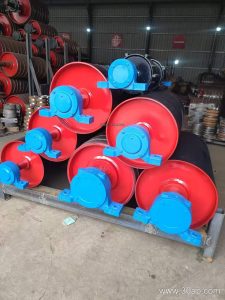
For operators sourcing components, a clear drawing of the housing, the bearing number, the roller diameter, and the belt width helps suppliers deliver the right part. Whether the line uses a rubber conveyor belt, an EP conveyor belt, or a steel cord conveyor belt, the idler bearing housing remains a small part with a large effect on uptime. For related conveyor components such as conveyor idler and pulley assemblies, buyers can review our product pages at www.idlerbracket.com and confirm dimensions before ordering.