What the ST1000 Conveyor Belt Is
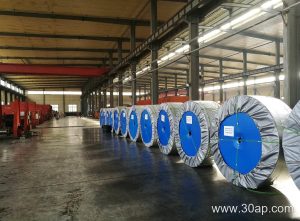
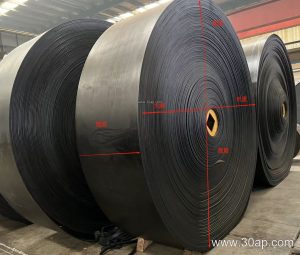
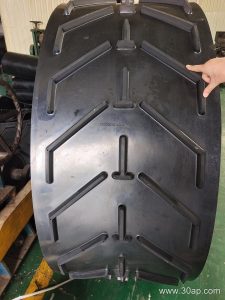
The ST1000 Conveyor Belt is a steel cord conveyor belt with a nominal tensile strength of 1000 N/mm. It belongs to the steel cord family, where high-carbon steel cords are embedded as the tension-bearing layer instead of fabric plies. This construction gives the belt high strength, low elongation, and excellent longitudinal stability, making it suitable for long conveying distances and heavy loads. In the steel cord series, ST1000 sits below ST1250 and ST1600, but it already offers a robust solution for many primary crushing and bulk transport circuits.
Construction and Key Components
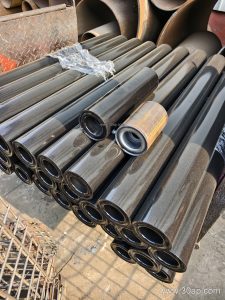
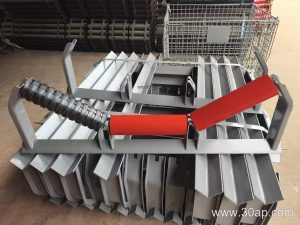
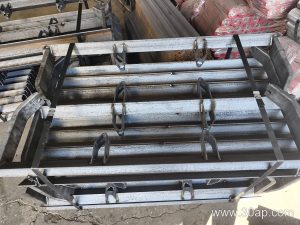
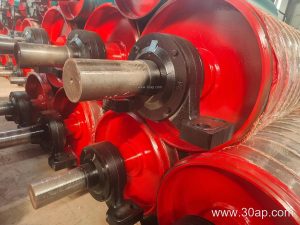
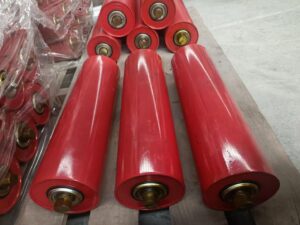
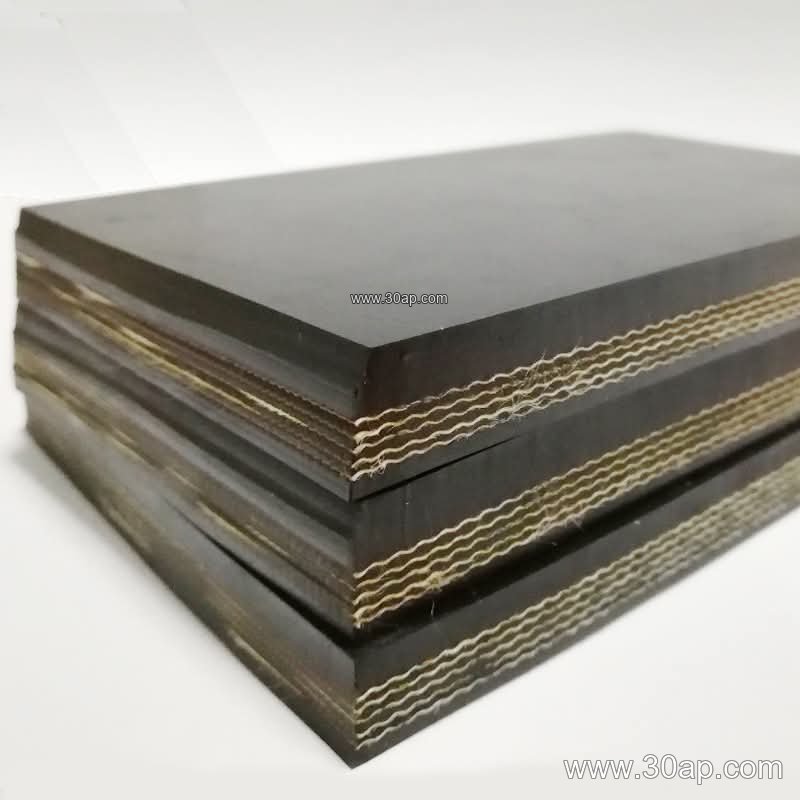
A typical ST1000 belt consists of a core made of parallel steel cords, a top and bottom rubber cover, and a layer of bonding rubber that anchors the cords. The covers protect the core from abrasion, impact, and environmental attack. Common cover thicknesses include 6+2 mm, 8+3 mm, and 5+2 mm, depending on the duty. The belt works together with conveyor pulleys, idler rollers, and conveyor brackets; the drive pulley transmits power, while tail and bend pulleys guide the belt. These pulley types are distinct and not interchangeable.
Typical Applications
The ST1000 Conveyor Belt is widely used in mining, coal preparation, cement plants, power stations, and quarry operations. It handles bulk materials such as iron ore, copper ore, limestone, clinker, and coal. In long overland conveyors or high-lift systems, the low stretch of the steel cord core helps maintain tension and reduces take-up travel. For underground coal mining, a flame retardant and anti-static version is often required; this is usually specified as a Mining Flame Retardant Conveyor Belt or Fire Resistant Conveyor Belt. In cement and aggregate plants, abrasion resistance is critical, so a High Abrasion Resistant Conveyor Belt construction may be chosen for the same ST1000 carcass.
Available Sizes and Related Specifications
ST1000 belts are produced in a range of widths to match different conveyor capacities. Common widths include 800 mm, 1000 mm, 1200 mm, 1400 mm, 1600 mm, and 1800 mm. The table below lists typical reference data; actual sizes should be confirmed with the manufacturer.
| Property | Typical Range |
|---|---|
| Belt width | 800, 1000, 1200, 1400, 1600, 1800 mm |
| Cover thickness (top + bottom) | 5+2, 6+2, 8+3 mm |
| Steel cord pitch | 10 mm, 12 mm, 15 mm (varies) |
| Belt weight | Approx. 25–45 kg/m² depending on covers |
Note that belt width does not dictate a single pulley diameter; the pulley size is determined by the cord diameter, belt tension, and system design. Other steel cord grades such as ST1250, ST1600, and ST2000 are available when higher strength is needed.
Selection and Maintenance Tips
When choosing an ST1000 belt, consider the maximum working tension, material lump size, impact energy at loading points, and environmental conditions. For hot materials such as cement clinker, a Heat Resistant Conveyor Belt grade is advisable. For oily or chemical-laden cargo, an Oil Resistant Conveyor Belt or Acid Resistant Conveyor Belt may be required. Proper alignment of idler rollers and pulleys, correct belt tension, and regular inspection of splices help extend service life. In cold climates, a Cold Resistant Conveyor Belt version can prevent cover cracking.
For more information on steel cord belts and associated components, visit steel cord conveyor belt and conveyor pulley resources. Always request the manufacturer’s data sheet for ST1000 Conveyor Belt to verify strength, cover grade, and dimensional tolerances for your specific project.