Where the Bracket Fits in a Conveying Line
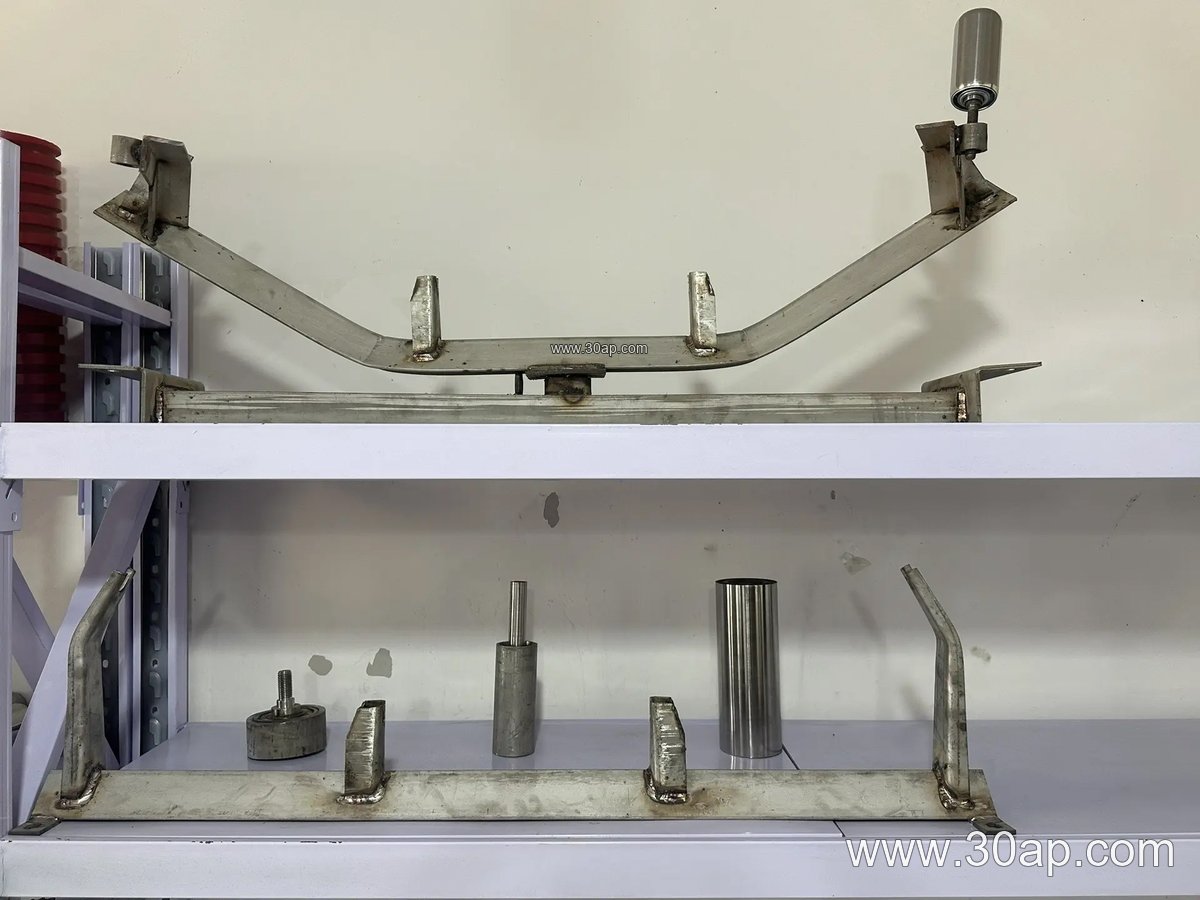
A conveyor bracket assembly is the steel framework that holds the idler rollers in the correct position under or over the belt. In a quarry or a crushing and screening circuit, the assembly is usually the first thing maintenance crews inspect after a belt tracking problem, because a loose or bent bracket changes the trough profile and the belt starts to wander. The bracket itself carries little load on its own; its job is to transfer the load from the rollers to the conveyor stringer or frame in a controlled geometry.
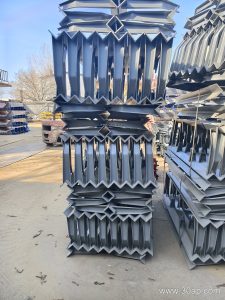
Most assemblies are built from angle steel, channel steel, or folded plate. The fabrication method matters more than the raw material grade. A folded-plate bracket tends to be stiffer for its weight, while a bolted angle bracket is easier to replace in the field. The assembly normally includes the cross beam, mounting holes for the roller ends, and sometimes a sliding or pivoting element for adjustment.
Troughing, Return and Transition Arrangements
The most common form is the troughing bracket assembly, which sets the side rollers at an angle so the belt forms a trough. Common trough angles are 20, 30, 35 and 45 degrees, and a single assembly is usually designed around one of these. Adjustable versions allow the angle to be changed within that range during commissioning.
Return brackets sit under the carrying run and support the return side of the belt, often with a flat or V-shaped arrangement. Transition brackets are placed near the head and tail to guide the belt from flat to troughed. Self-aligning brackets are a separate function again: they pivot to correct minor misalignment. A buyer should not treat a return bracket as a substitute for a troughing bracket, because the two support different parts of the belt path.
Typical Reference Combinations
The table below shows reference combinations only. Actual mounting hole spacing and beam length are determined by the belt width, trough angle and frame design, not by a fixed rule.
- B650, 30 degrees, roller diameter 89 mm
- B800, 35 degrees, roller diameter 108 mm
- B1000, 35 degrees, roller diameter 108 mm
- B1200, 45 degrees, roller diameter 133 mm
- B1400, 35 degrees, roller diameter 159 mm
- B1600, 45 degrees, roller diameter 159 mm
- B1800 or B2000, 35 to 45 degrees, roller diameter 194 mm
These are examples, not mandatory pairings. A wide belt can run at a lower trough angle, and a narrower belt can use a larger roller if the load and speed require it.
Choosing the Right Assembly for the Duty
In a cement plant or power plant coal yard, dust and fines are the main enemies. The bracket should have drainage or clean-out provisions so material does not pack around the roller seats. In an iron ore or copper ore operation, impact at the load point is the concern, and impact brackets with resilient roller mounts are often used together with an abrasion resistant conveyor belt.
For underground coal mining, flame retardant and anti-static properties belong to the belt, not the bracket, but the bracket still needs to suit the restricted frame dimensions of the roadway. A pipe conveyor or a corrugated sidewall belt imposes different lateral loads, so the bracket geometry should be confirmed against the belt supplier’s drawings rather than assumed.
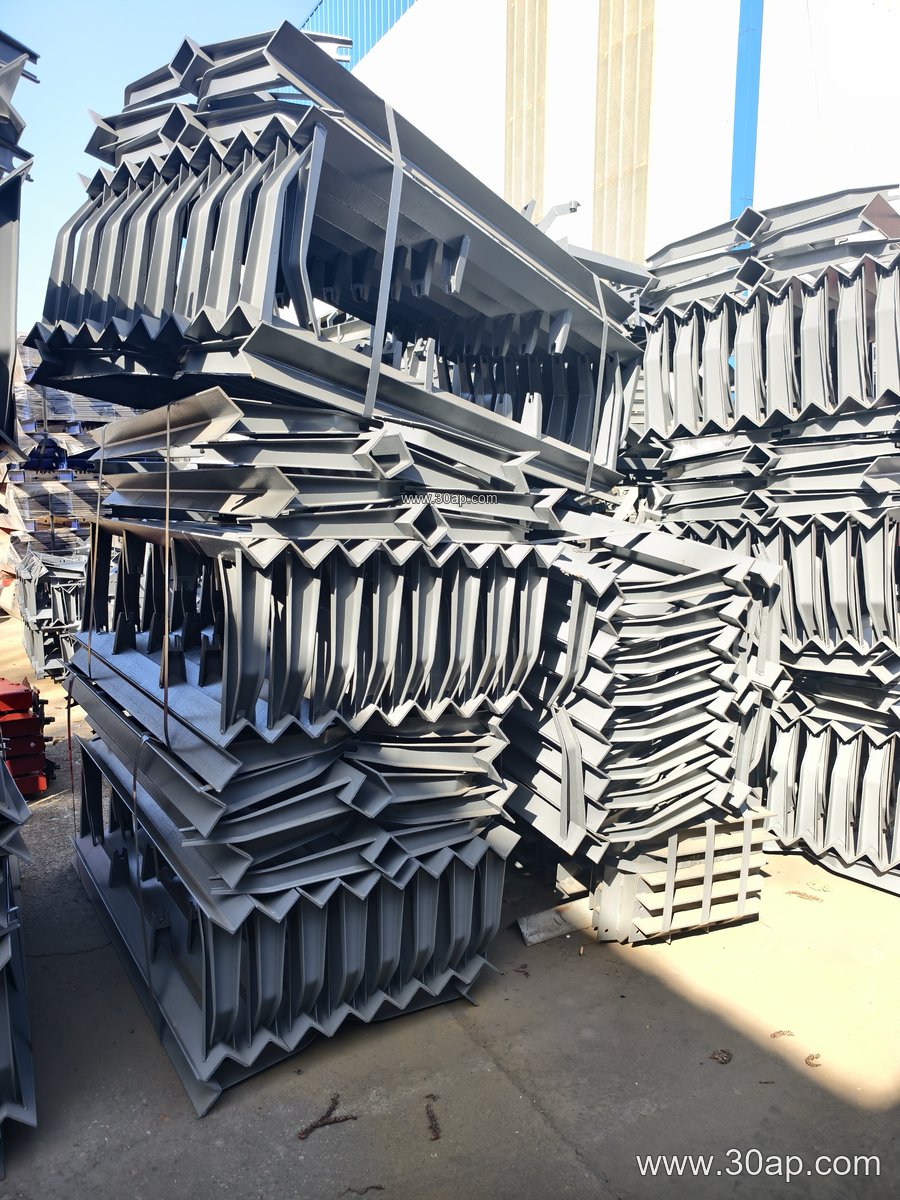
When specifying, give the belt width, the required trough angle, the roller diameter, the frame hole pattern, and the environment. A bracket intended for a 1200mm wide conveyor belt in a wet wash plant should be galvanized or coated, while a dry aggregate line may only need a painted finish.
Installation and Maintenance Notes
Alignment is the most important part of installation. Bracket centrelines should be set square to the belt path, and the cross beams should be level across the frame. A bracket that is square but not level will tilt the trough and cause edge wear on the belt.
Check bolts after the first weeks of running, because vibration from a heavy-duty mining conveyor belt loosens connections that were tight at assembly. Replace bent brackets rather than straightening them, since the roller seats lose accuracy. Keep a small stock of the most-used assemblies so that a damaged unit does not stop a whole transfer line.
Finally, treat the bracket as part of a system with the idler roller, the pulley and the belt. A well-chosen assembly keeps the roller spinning freely, which protects the belt cover and extends service life across the whole conveyor.