What a Trough Idler Bracket Set Does
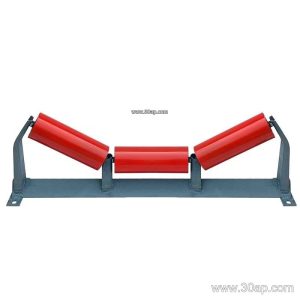
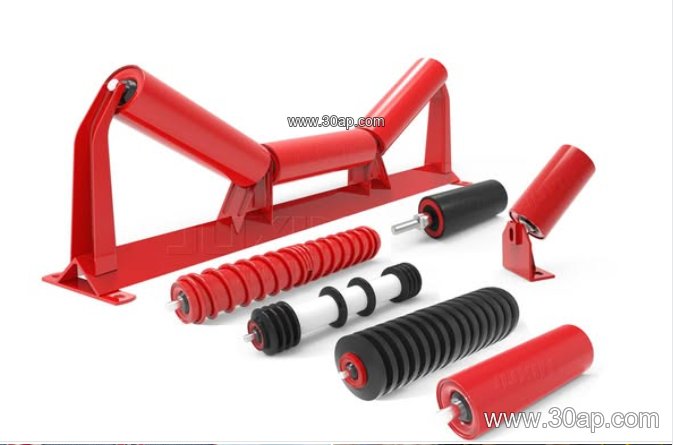
A trough idler bracket set is the mounting frame that holds the carrying idlers in a troughed profile along the load side of a belt conveyor. It positions each idler roller at a set trough angle so the conveyor belt forms a stable channel for bulk material. In a quarry, cement plant, or coal handling system, this bracket set is often the quiet component that decides how well the belt tracks and how evenly the load sits.
The set usually includes the main crossbeam, end brackets, and the mounting plates or slots for the idler shafts. Some designs are fixed, while adjustable versions let maintenance teams change the trough angle within a range. The bracket set works together with the idler roller, the conveyor bracket, and the conveyor belt itself, but it should not be confused with a drive pulley or tail pulley assembly.
Construction and Common Forms
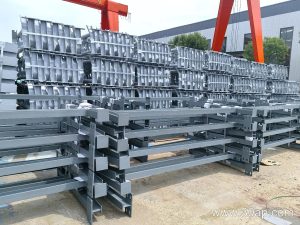
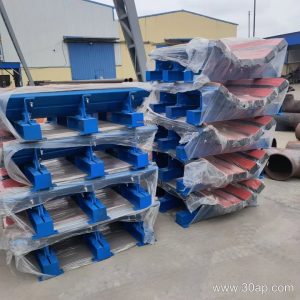
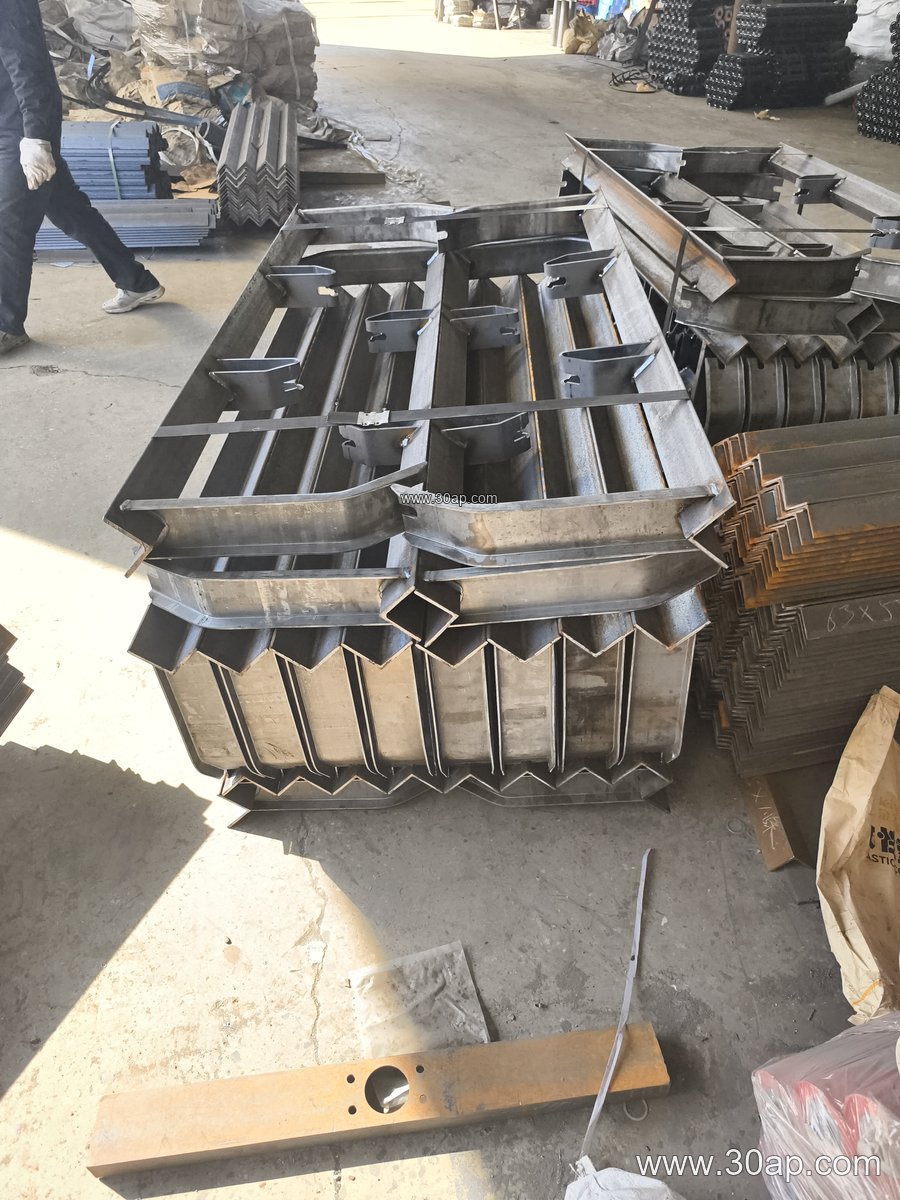
Fabrication is typically from angle steel, channel steel, or folded steel plate. The frame may be welded or bolted, and the mounting holes are positioned according to belt width and trough angle. Common trough angles include 20, 30, 35, and 45 degrees. Adjustable brackets can move between these angles, while fixed brackets are set at one angle during design.
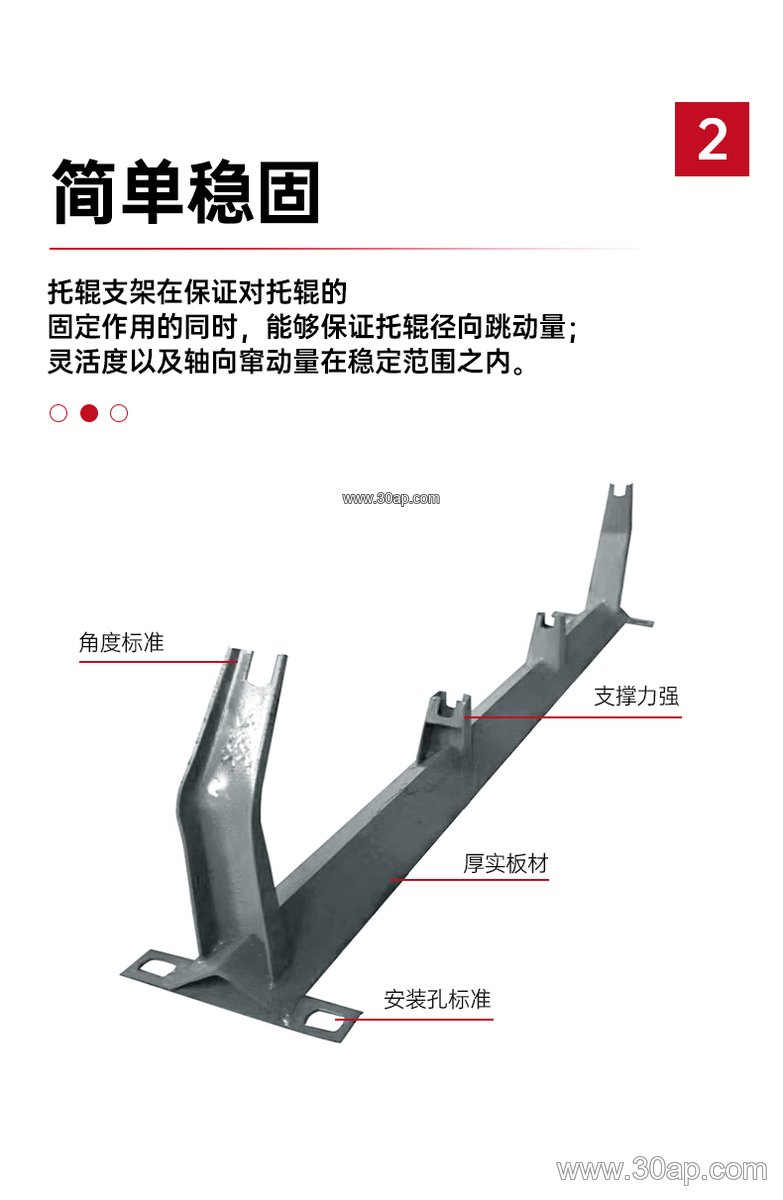
For reference, typical combinations might look like B800 with 35 degrees and Ø108 idlers, or B1200 with 45 degrees and Ø133 idlers. A smaller B650 line may use 30 degrees with Ø89 rollers. These are examples only; the correct match depends on belt width, material lump size, capacity, and the conveyor designer’s calculation. Installation hole spacing and crossbeam length vary with belt width and trough angle, so they should not be treated as universal constants.
Where It Fits in the Conveyor
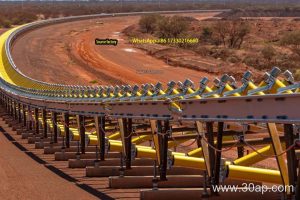
Trough idler bracket sets are found on the carrying side of bulk material conveyors. In a limestone mine or aggregate plant, they support the belt under crushed rock. In a power plant coal yard, they help keep the belt centered under a steady coal load. In a cement plant, they carry clinker or raw meal along the main transfer lines. The same bracket family may also appear in a sand and gravel line, a crushing and screening circuit, or a port loading system.
Related support types include transition brackets near the pulley, impact brackets under loading points, and return brackets on the lower run. A V-return bracket or a training bracket has a different role and should not be substituted for the main trough set without engineering review. Belt cleaners, skirt rubber, and conveyor pulleys all interact with the same belt line, so the bracket set must be selected as part of the whole conveyor layout.
Selection Points for Buyers
Buyers should confirm the belt width, the required trough angle, and the idler diameter before ordering. The bracket material and finish should suit the environment: dusty, wet, or corrosive sites may call for galvanized or painted frames. For heavy-duty mining conveyor belt service, the frame should be rigid enough to resist vibration and misalignment.
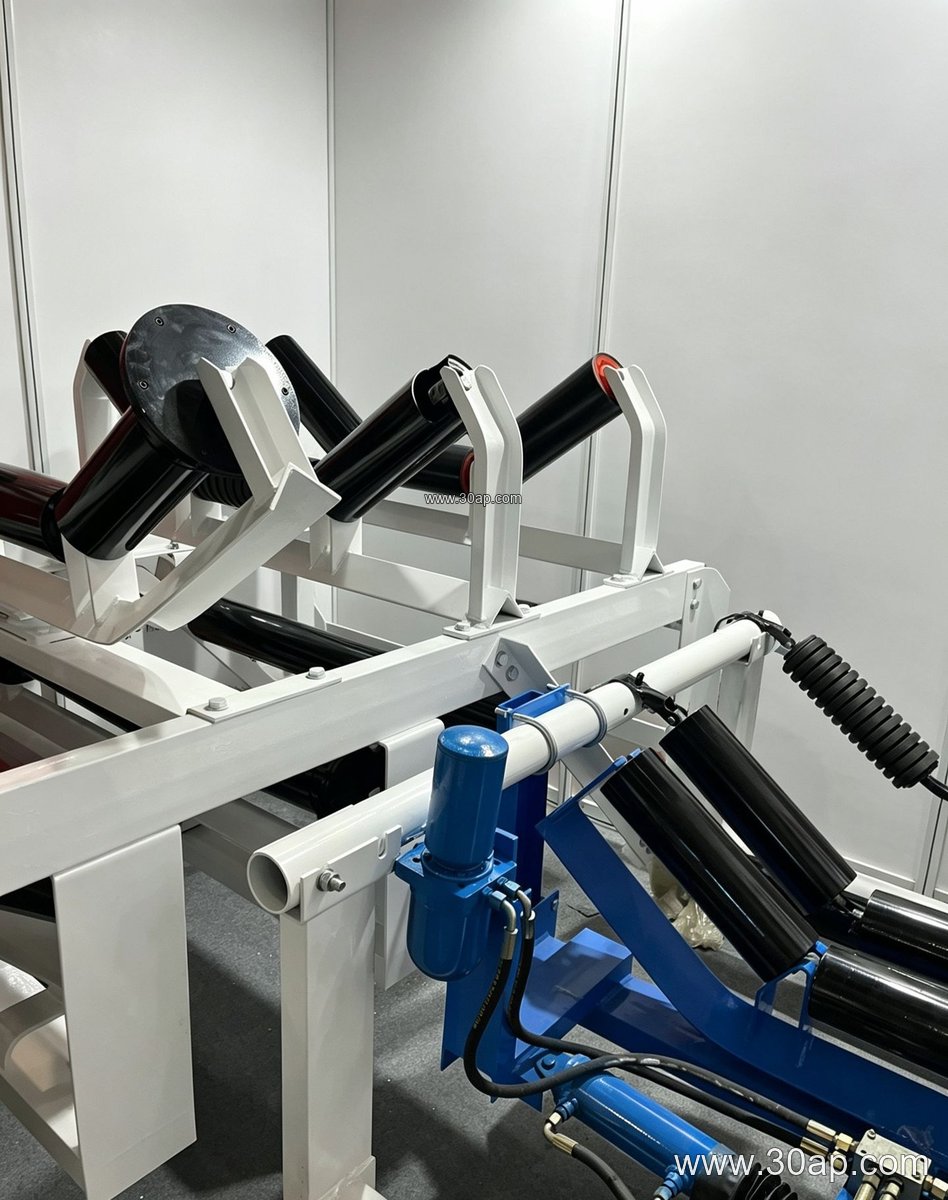
It also helps to check how the bracket set interfaces with the idler roller shaft and the conveyor bracket. Some sites prefer adjustable brackets for easier belt training; others choose fixed brackets for simplicity. The table below lists common reference values, not fixed supply promises.
Reference Data
| Item | Common Range |
|---|---|
| Belt width | B500, B650, B800, B1000, B1200, B1400, B1600, B1800 |
| Trough angle | 20°, 30°, 35°, 45° |
| Idler diameter | Ø89, Ø108, Ø133, Ø159 |
| Frame material | Angle steel, channel steel, folded plate |
| Mounting | Fixed or adjustable |
Installation and Maintenance Notes
Align the bracket set square to the conveyor centerline and tighten fasteners to the specified torque. Check that all idlers sit firmly in their seats and that the belt forms an even trough without pinching. During routine inspections, look for worn mounting holes, bent crossbeams, and loose bolts. Replacing a damaged bracket early helps protect the conveyor belt and keeps the idler roller running true.
For more information on matching support components with rubber conveyor belt, EP conveyor belt, or steel cord conveyor belt systems, consult the conveyor design data. A well-chosen trough idler bracket set supports reliable operation from the primary crusher to the stockpile.