What an EP1500 Conveyor Belt Is
An EP1500 Conveyor Belt is a heavy-duty fabric core belt built on polyester-polyamide (EP) carcass plies. The number 1500 refers to the nominal tensile strength of the carcass, commonly expressed as 1500 N/mm per ply in the context of EP belt grading. In practice, this places the belt in the high-strength range of EP Conveyor Belt products, above the more common EP100, EP200, EP300 and EP400 grades, and it is usually specified where long centre distances, steep inclines or high tonnage put real tension into the system.
The belt is also described in the trade as an EP1500 EP Fabric Core Conveyor Belt, an EP1500 rubber conveyor belt, or simply a high-strength EP belt. All of these refer to the same product: a multi-ply fabric carcass with rubber covers, not a steel cord construction and not a solid-woven PVC belt.
How the Belt Is Built
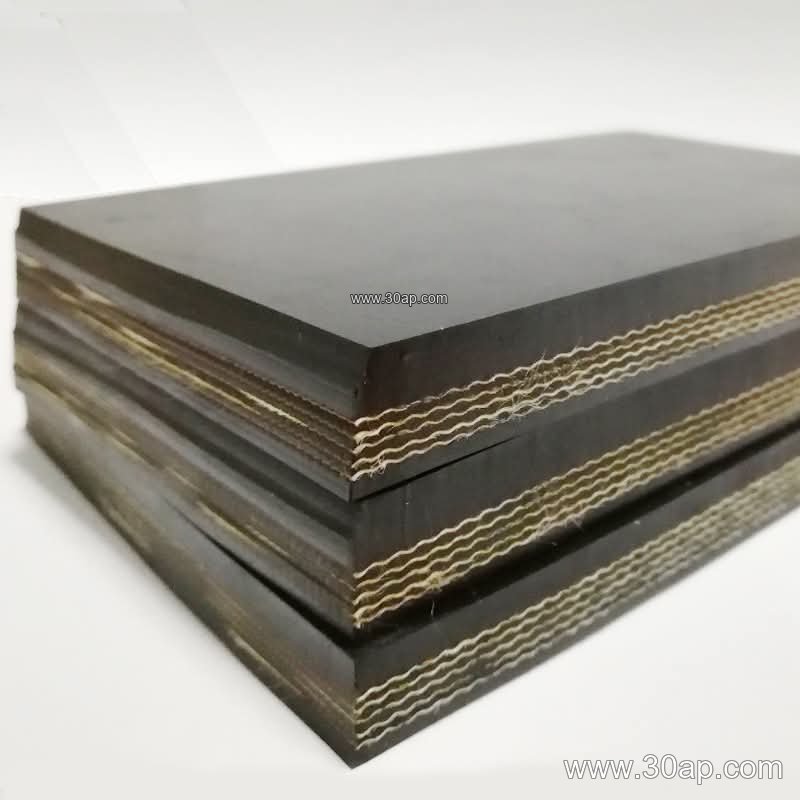
The carcass is the working heart of the belt. EP fabric plies are calendered with rubber, assembled into a multi-ply stack, and then covered with top and bottom rubber layers. The plies are arranged so the warp direction carries the main tension while the weft gives transverse stability and troughability. A typical EP1500 belt may use several plies depending on the manufacturer’s design, and the cover thickness is selected to suit the material being carried.
- Top cover: protection against abrasion, impact, heat or oil, depending on grade
- Bottom cover: usually thinner, runs on the idler roller side
- Carcass: multiple EP plies, bonded with skim rubber
- Edges: cut or moulded, sometimes sealed against moisture ingress
Common cover combinations include 4+2 mm, 5+2 mm, 6+2 mm and 8+3 mm, while 3+1.5 mm is more typical of lighter duties. The right combination is decided by the lump size, drop height and abrasiveness of the load, not by the belt grade alone.
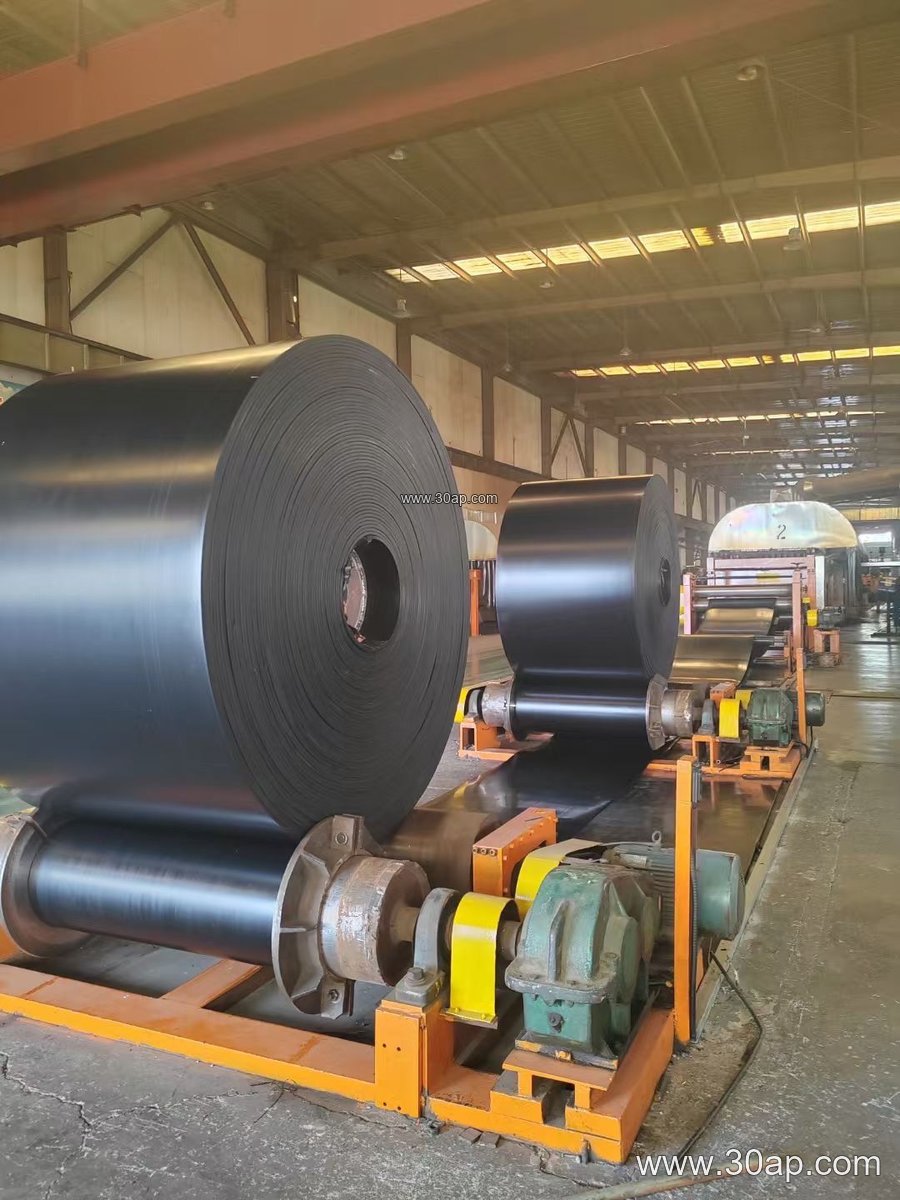
Where This Grade Fits
Because of its high tensile strength, the EP1500 Conveyor Belt is often found on main haulage lines rather than short transfer belts. Typical settings include:
- Mining and quarry conveyors moving ore, rock and overburden
- Coal mining and underground coal mining systems where flame retardant grades are required
- Cement plants handling clinker, limestone and raw meal
- Power plants feeding coal and limestone
- Steel plants and port ship loading lines with high throughput
- Sand and aggregate plants, crusher discharge and stockpile conveyors
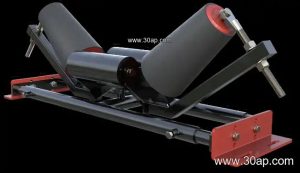
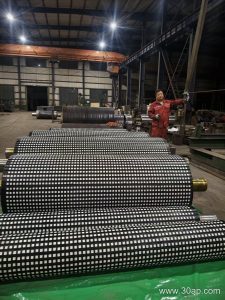
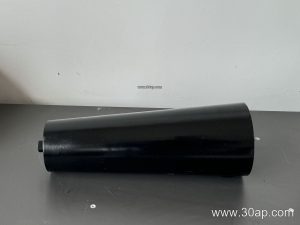
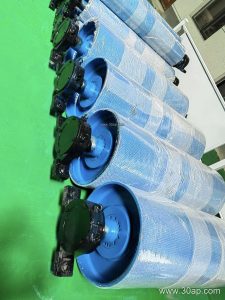
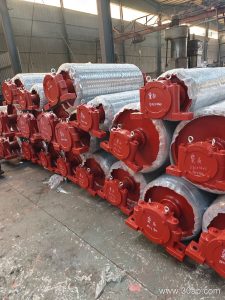
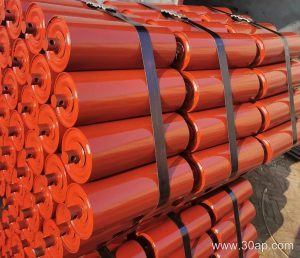
In these plants the belt works together with conveyor pulley assemblies, idler roller sets and conveyor bracket supports. The belt does not run alone: a poorly aligned conveyor pulley or a seized idler roller can shorten the life of even a strong carcass.
Specification Reference
The figures below are common reference values, not a fixed catalogue. Actual construction is determined by the belt designer and may vary between suppliers.
| Parameter | Typical Options |
|---|---|
| Grade | EP1500 (also EP1000, EP1250, EP1600, EP2000 in the same family) |
| Belt width | B800, B1000, B1200, B1400, B1600, B1800, B2000 |
| Cover thickness | 4+2 mm, 5+2 mm, 6+2 mm, 8+3 mm |
| Carcass plies | Usually 2 to 6 layers, according to design |
| Surface form | Plain, abrasion resistant, heat resistant, oil resistant, flame retardant, chevron or corrugated sidewall |
Widths such as 1000mm, 1200mm and 1400mm are common on main lines, while 1800mm and 2000mm appear on high-capacity installations. A wide belt is not automatically matched to one pulley diameter; pulley size follows the belt thickness, tension and the conveyor’s own design rules.
Selecting and Maintaining the Belt
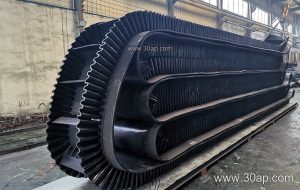
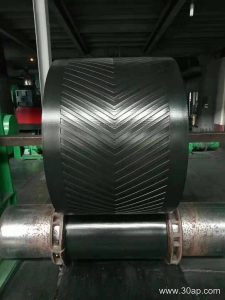
A buyer should start from the duty, not from the grade number. Confirm the material type, lump size, moisture, temperature and any fire or oil exposure. For coal work, a flame retardant conveyor belt or fire resistant conveyor belt grade is normally required. For hot clinker or sinter, a heat resistant conveyor belt cover is needed. For sharp, abrasive rock, a high abrasion resistant conveyor belt cover pays for itself. Where the load is wet and sticky, a chevron conveyor belt or a corrugated sidewall conveyor belt may handle the incline better than a plain surface.
Installation matters as much as specification. Check that the conveyor pulley and idler roller frames are square, keep the belt tracking straight, and avoid over-tensioning. Store belts away from sunlight and ozone sources, and inspect edges and splices regularly. A properly matched EP1500 belt, run on sound conveyor components, gives long service in demanding bulk material duty.