What a PVC Mining Conveyor Belt Is
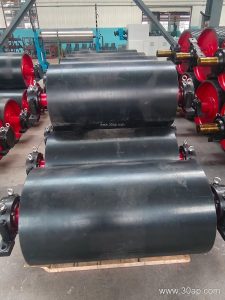
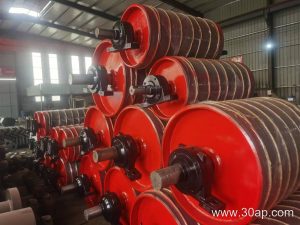
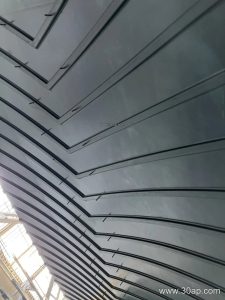
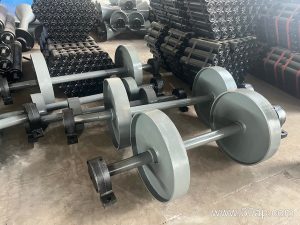
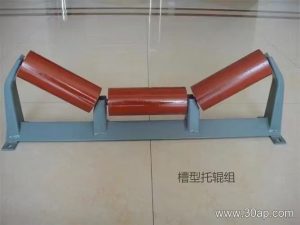
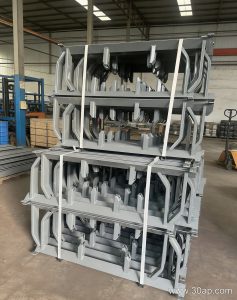
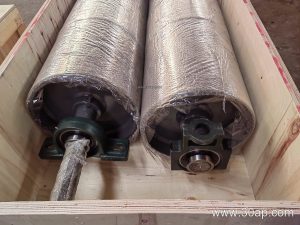
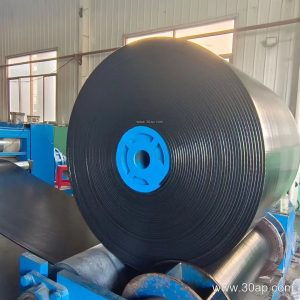
A PVC Mining Conveyor Belt is a solid-woven or fabric-reinforced belt with a polyvinyl chloride cover, built for moving coal, ore, stone, aggregate and other bulk materials on mine conveyors. In practice, buyers often call it a PVC conveyor belt, and in underground coal service the same product family is frequently described as a PVG conveyor belt when the cover specification changes. The belt runs over a conveyor pulley at the head and tail, is supported by an idler roller along the carrying side, and is held in line by conveyor bracket and frame assemblies. It is a different product from a Rubber Conveyor Belt or an EP Conveyor Belt, so the specification sheet should always name the cover compound and the carcass together.
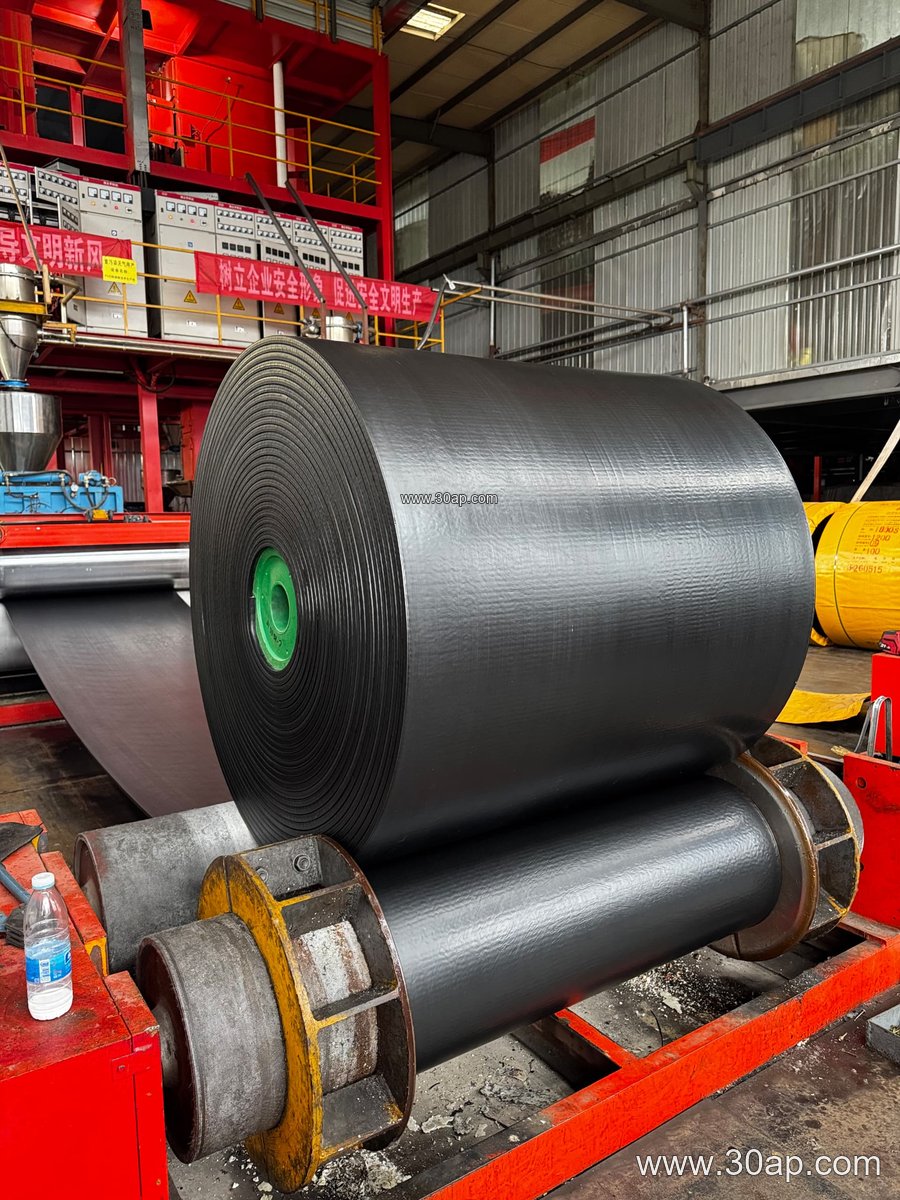
How the Belt Is Built
The carcass is normally a woven fabric core, either a single solid-woven construction or a multi-ply Fabric Core Conveyor Belt, impregnated and coated with PVC. Cover thickness, surface pattern and edge condition are set by the application. Common cover gauges are 3+1.5, 4+2, 5+2 and 6+2 mm, with the first figure being the top cover and the second the bottom cover; these are typical reference values, not fixed requirements. Belt widths commonly range from B500 to B2000, and the correct width depends on the conveyor design, the material lump size and the troughing arrangement, not on a single rule.
Surface and Edge Options
- Plain top cover for general bulk conveying
- Chevron Conveyor Belt pattern for inclined sections where material tends to roll back
- Corrugated Sidewall Conveyor Belt or Skirted Conveyor Belt construction for steep or confined routes
- Cut edge or sealed edge, depending on dust and moisture exposure
Where It Fits in a Mine
PVC belts are widely used in coal mining, underground mining and coal preparation plants, and in quarry, aggregate, cement and power plant material handling. They suit medium-duty and moderate-impact duties where a lighter, more flexible belt reduces splice time and pulley load. In a coal mining conveyor, a flame retardant and anti-static cover is usually specified; in a quarry or crusher line, abrasion resistance matters more. For very long hauls, high tension or large lump sizes, a Steel Cord Conveyor Belt or a heavy EP Conveyor Belt may be the better comparison, but that is a different product choice and should be evaluated on its own merits.
Specifications Buyers Should Confirm
Ask for the carcass type, number of plies, cover grade and gauge, belt width, and the intended service conditions in writing. The table below shows common reference ranges; actual values are set by the belt designer and may differ between manufacturers.
| Parameter | Common reference range |
|---|---|
| Belt width | B500, B650, B800, B1000, B1200, B1400, B1600, B1800, B2000 |
| Cover gauge | 3+1.5, 4+2, 5+2, 6+2 mm |
| Carcass | Solid woven or 2 to 6 fabric plies |
| Cover properties | Flame retardant, anti-static, abrasion resistant, oil resistant, cold resistant |
| Typical strength class | PVG800, PVG800S and similar grades for underground work |
Selection and Maintenance Notes
Match the belt to the conveyor, not the other way round. Confirm that the conveyor pulley diameters, idler roller spacing and take-up travel suit the belt’s flexibility and elongation. Check that the conveyor bracket and frame are aligned, because a misaligned frame wears the belt edge quickly. Keep the belt tracking straight, avoid material buildup on the return side, and inspect splices regularly. A cold resistant or oil resistant cover may be needed in a port, recycling plant or cement plant where the duty is unusual. For dusty coal duties, a flame retardant and anti-static specification should be stated explicitly on the order.
Practical Buying Advice
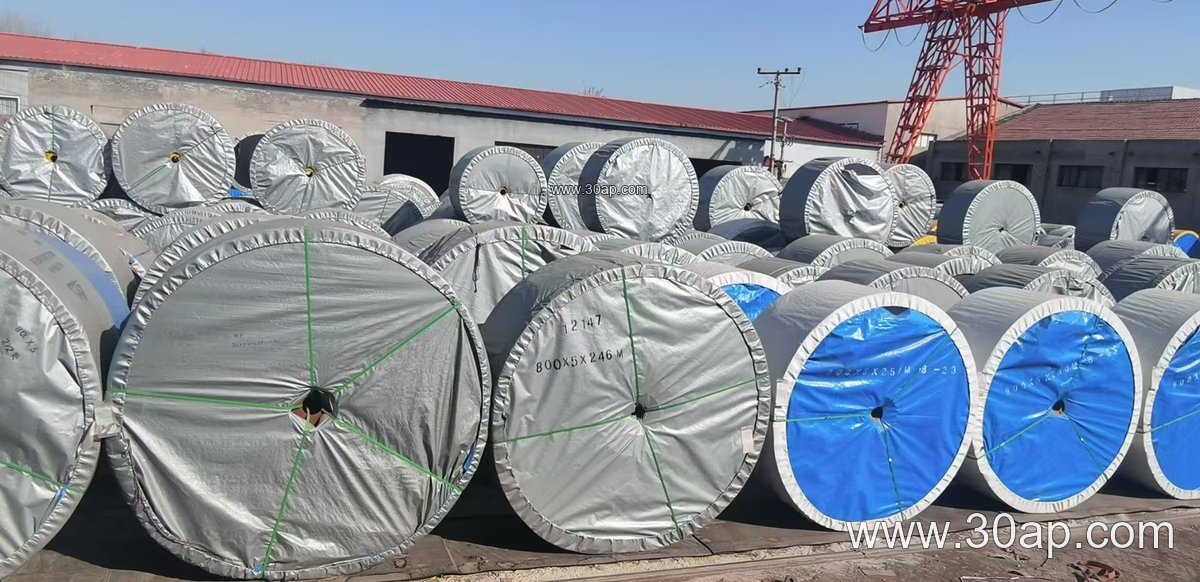
Request a data sheet that lists cover compound, carcass, ply count, width, gauge and tolerance. Ask how the belt will be spliced and whether the supplier can provide the splice material. Store rolls on a clean, dry surface and avoid sharp bends. When comparing offers, compare the full construction rather than only the price per meter, since a thicker cover or extra plies change both life and cost. A well-specified PVC Mining Conveyor Belt, matched to its pulleys, idlers and frame, gives reliable service in coal, cement, quarry and power plant duties.