What an Oil Resistant Conveyor Belt Is
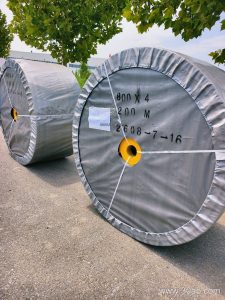
An oil resistant conveyor belt is a rubber conveyor belt engineered with a cover compound that resists swelling, hardening, or softening when it contacts mineral oils, vegetable oils, greases, and some solvents. In plants where lubricant drips, oily scrap, or coated aggregates travel on the line, this belt protects the carcass and keeps the cover from cracking prematurely. The product is also called an oil-proof conveyor belt, and both names refer to the same oil resistant conveyor belt. It should not be confused with a heat resistant conveyor belt or a flame retardant conveyor belt, which solve different problems.
Construction and Compound Choices
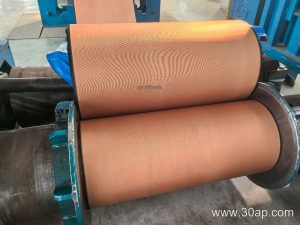
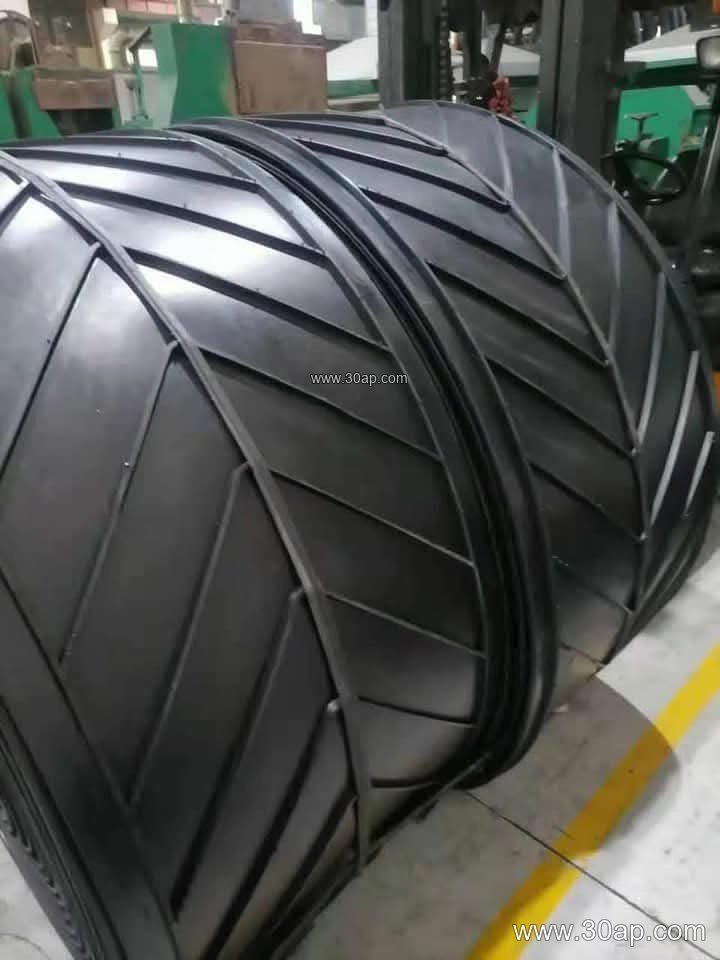
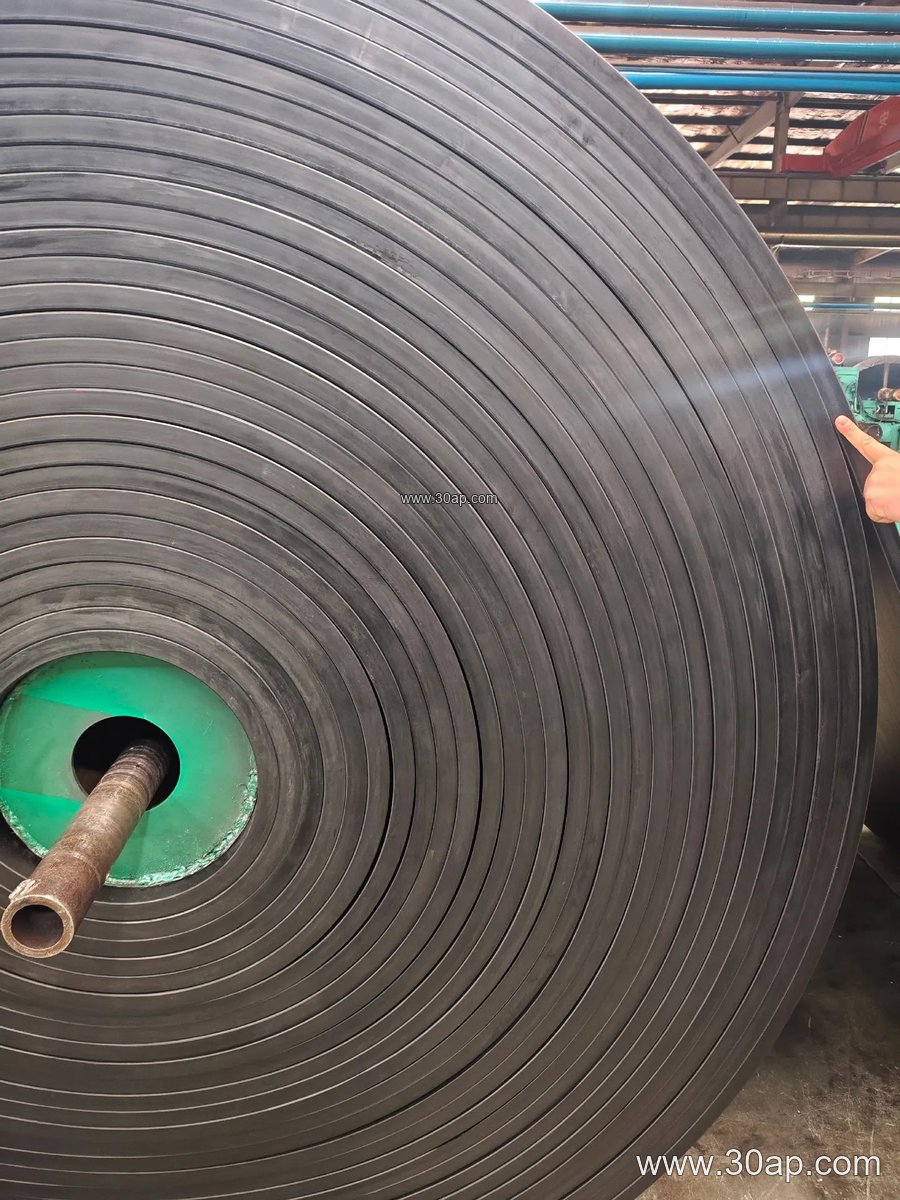
The belt usually combines a fabric core or steel cord carcass with an oil resistant top cover and a matching bottom cover. For moderate duty, an EP conveyor belt carcass (EP200 to EP630) or an NN conveyor belt carcass (NN100 to NN300) is common; heavier lines may use a steel cord conveyor belt (ST1000 to ST2000) or a multi-ply fabric core construction. Cover thickness is often quoted in pairs such as 4+2 mm or 6+2 mm, with 3+1.5 mm for lighter service. The oil resistant cover is typically based on nitrile rubber or a blended polymer, and the grade should match the actual oil type: mineral oil, animal fat, and solvent resistance are not identical.
Where It Fits in the Plant
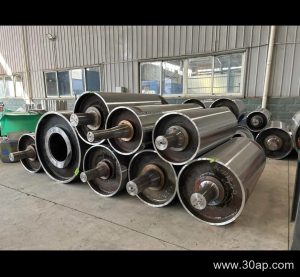
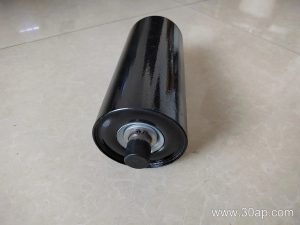
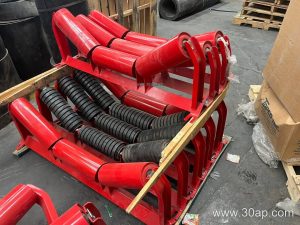
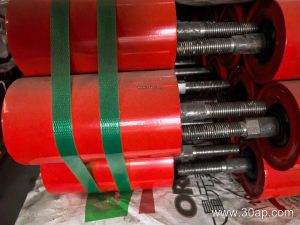
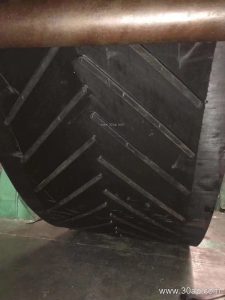
Typical applications include cement plants handling oily kiln feed, power plant coal yards with lubricated equipment, steel plant scrap and scale lines, and sand and gravel plants where crusher discharge carries oil residue. In recycling and port operations, an oil resistant conveyor belt may run alongside an abrasion resistant conveyor belt or a chevron conveyor belt on the same conveyor structure. The belt works with conveyor pulleys, idler rollers, and conveyor brackets, but these components are selected separately; a drive pulley, tail pulley, and bend pulley each have their own role and are not interchangeable.
Common Reference Range
The following values are reference data, not fixed supply commitments. Actual belt width, strength, and cover thickness are confirmed by design.
| Parameter | Common Reference Range |
|---|---|
| Belt width | B500, B650, B800, B1000, B1200, B1400, B1600 |
| Fabric core strength | EP200, EP315, EP400, EP500, EP630, EP800 |
| Steel cord strength | ST1000, ST1250, ST1600, ST2000 |
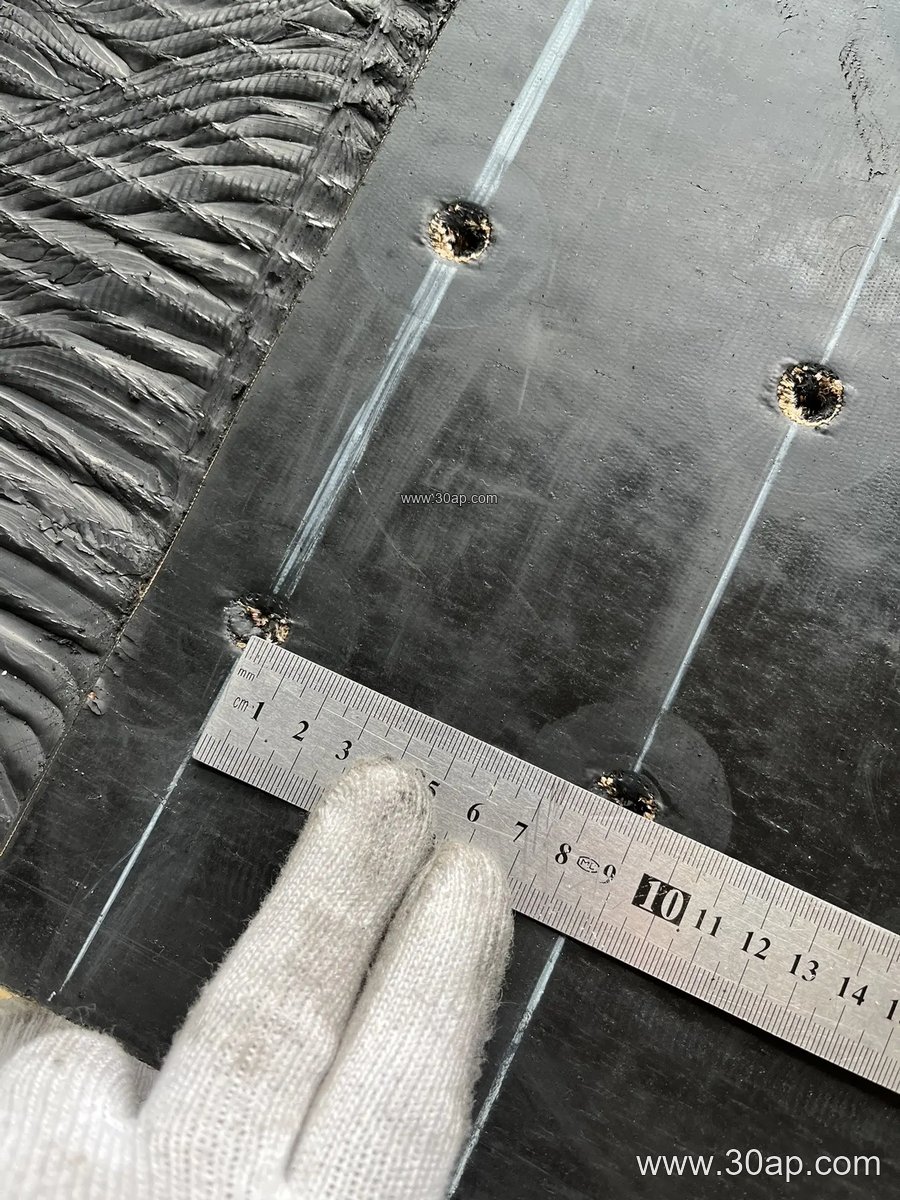
| Cover thickness | 3+1.5 mm, 4+2 mm, 5+2 mm, 6+2 mm |
| Carcass plies | 2 to 6 layers, depending on duty |
Buyer Checklist
- Identify the oil or chemical family and its concentration, because a general oil resistant conveyor belt may not suit every solvent.
- Confirm the carcass type and strength against the conveyor length, load, and pulley diameters.
- Check cover thickness and hardness; softer covers may grip better but wear faster in abrasive service.
- Consider whether flame retardant or anti-static properties are also required, especially in coal mining conveyor belt and underground mining conveyor belt service.
- Review the splice method for an endless conveyor belt installation, since oil resistance at the joint matters as much as on the body.
Maintenance Notes
Clean spilled oil promptly and avoid prolonged contact with concentrated solvents. Inspect the cover for swelling or edge separation during routine checks, and verify that idler rollers turn freely so that localized heat does not add to the oil attack. When replacing a belt, confirm that the new oil resistant conveyor belt matches the original compound class and cover thickness rather than only the width. For mixed duty lines, keep a spare roll of the correct specification so that a damaged section does not force a temporary substitute such as a heat resistant conveyor belt into an oily application.