What a Belt Tracking Idler Does
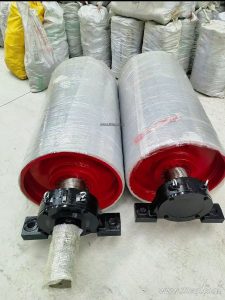
A belt tracking idler is a training idler used to keep the conveyor belt centered along the carrying and return runs. In a quarry, limestone mine, or aggregate crushing line, even a small drift can cause edge wear, spillage, and shortened belt life. The tracking idler responds to misalignment by steering the belt back toward the center line. It is not a drive pulley, tail pulley, or bend pulley; those components transmit power or change belt direction, while the tracking idler corrects lateral position.
Operators often call this component a self-aligning idler or training roller. These are accurate equivalents for the same product. The belt tracking idler works through its mounting arrangement and roller geometry, not through a separate control system.
Common Construction and Mounting Forms
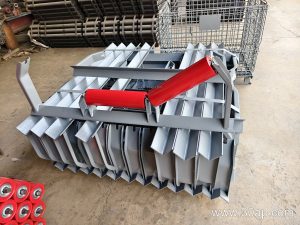
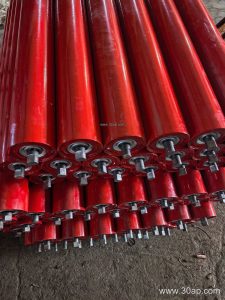
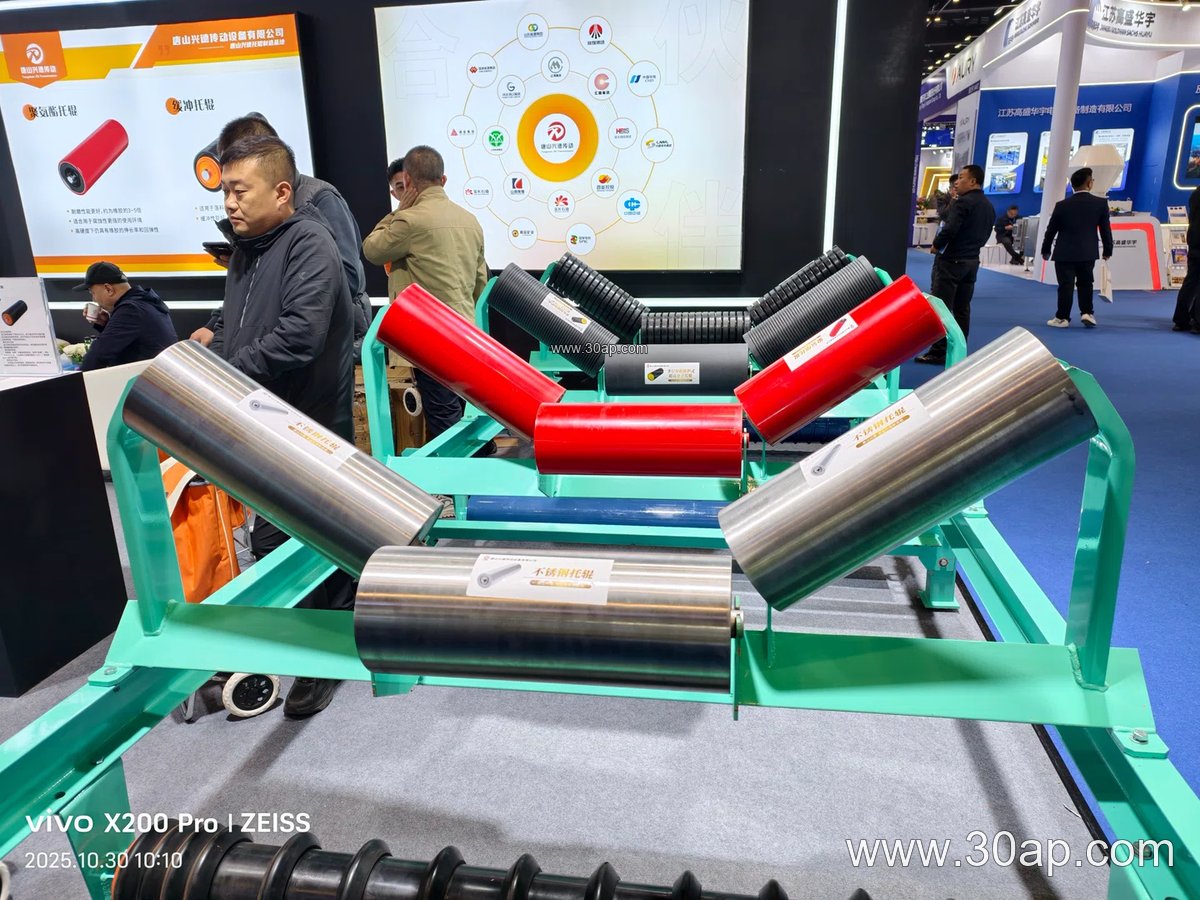
Most tracking idlers use a steel tube shell with sealed ball bearings. The frame pivots or swivels so that the idler can angle slightly when the belt moves off center. Friction tracking idlers rely on the belt edge or a small friction wheel to trigger the correction. Conical tracking idlers use tapered rollers that create different surface speeds across the belt width, encouraging the belt to return to the middle. A return-side tracking idler may use a V-shaped or flat roller set, while a carrying-side unit often appears as a two- or three-roll troughing set.
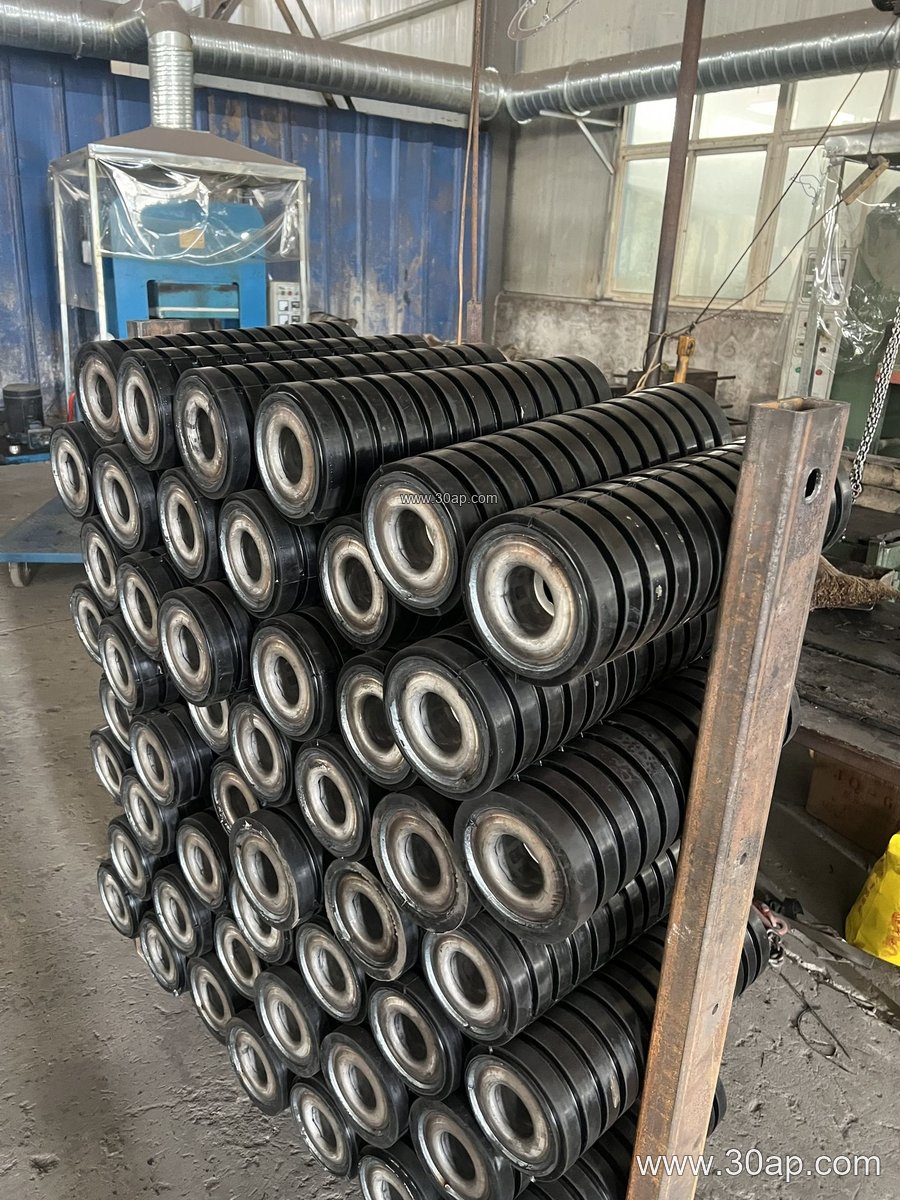
- Roller diameter is commonly selected from Ø63, Ø76, Ø89, Ø102, Ø108, Ø127, Ø133, Ø159, and larger sizes.
- Bearing sizes such as 6204, 6205, 6305, 6306, 6308, and 6310 are common, but bearing choice depends on load and shaft design, not on belt width alone.
- Shell surfaces may be plain steel, nylon, ceramic, or rubber lagging; rubber rings are sometimes used on impact or tracking rollers.
- The idler frame is usually supported by a conveyor bracket that allows the required pivot or tilt.
Where It Fits in a Conveyor System
Belt tracking idlers are found on the carrying side, the return side, and near transition zones where the belt changes from flat to troughed. In a coal mining conveyor or underground mining conveyor, a training idler may be installed ahead of the head pulley to prevent edge damage. In a cement plant or power plant coal handling line, tracking idlers help control belt wander caused by off-center loading. A stone crushing plant or sand making plant often uses them after the crusher discharge, where material placement is uneven.
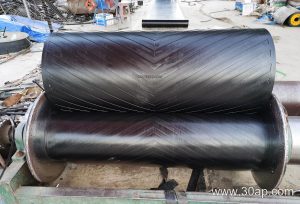
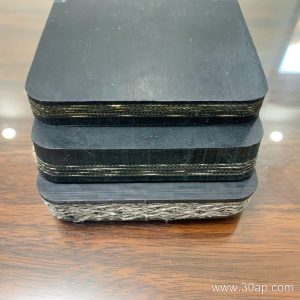
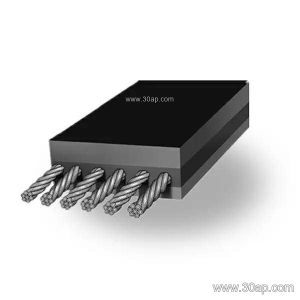
The conveyor belt itself also influences tracking. A heavy-duty mining conveyor belt with a strong fabric core or steel cord may track differently from a lighter EP conveyor belt. A chevron conveyor belt or corrugated sidewall conveyor belt can require a different idler arrangement because the cleats or sidewalls limit contact with the roller surface. In such cases, the belt tracking idler is selected to suit the belt profile, not simply copied from a plain belt installation.
Specification Notes for Buyers
Belt width and idler length are related but not fixed. A three-roll troughing set on a B800 belt commonly uses a center roll around 315 mm, while a B1200 belt may use a center roll near 465 mm. Side rolls can differ, and the trough angle, usually 20, 30, 35, or 45 degrees, changes the roll length and frame geometry. The following table gives common reference values, not universal combinations.
| Belt width | Common center roll length | Typical trough angle |
|---|---|---|
| B500 | 200 mm | 20–35 degrees |
| B650 | 250 mm | 20–35 degrees |
| B800 | 315 mm | 20–45 degrees |
| B1000 | 380 mm | 30–45 degrees |
| B1200 | 465 mm | 30–45 degrees |
| B1400 | 530 mm | 30–45 degrees |
| B1600 | 600 mm | 30–45 degrees |
Forward tilt of about 1.5 to 2 degrees is sometimes used on training idlers to encourage centering. Do not assume that a given belt width can only match one pulley diameter or one shaft diameter. The shaft, bearing, and frame must be checked against the actual conveyor design.
Selection and Maintenance Tips
Choose a belt tracking idler that matches the belt width, trough angle, and load. For abrasive ore or high-abrasion applications, a rubber or ceramic surface may last longer. In a coal mining conveyor with flame retardant requirements, the roller and belt materials should be evaluated together. Keep the idler frame free to pivot, inspect bearings for contamination, and verify that the belt is not over-tensioned. A tracking idler cannot correct every misalignment; pulley alignment, belt splicing, and loading conditions also matter. For related components such as the conveyor pulley, idler roller, and conveyor bracket, confirm dimensions against the same layout drawing.