What a Coal Mining Conveyor Belt Does
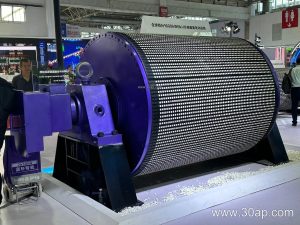
A coal mining conveyor belt is the load-carrying element of a continuous haulage system that moves raw coal from the face, stockpile, or crushing station to the preparation plant, silo, or load-out point. In an underground coal mining conveyor belt installation, the belt runs over a frame fitted with idler rollers and turns around a head pulley and a tail pulley, with bend pulleys and take-up arrangements controlling tension along the route. The belt is only one part of the machine, but it is the part that contacts the material, so its cover compound and carcass decide how well the whole system performs in a mine, power plant, or cement works.
The same product is also described as a coal conveyor belt or a mining conveyor belt, and in flame-sensitive roadways as a flame retardant conveyor belt. Those names point to the same article; the differences lie in construction and compound, not in a new category of equipment.
Construction of the Belt
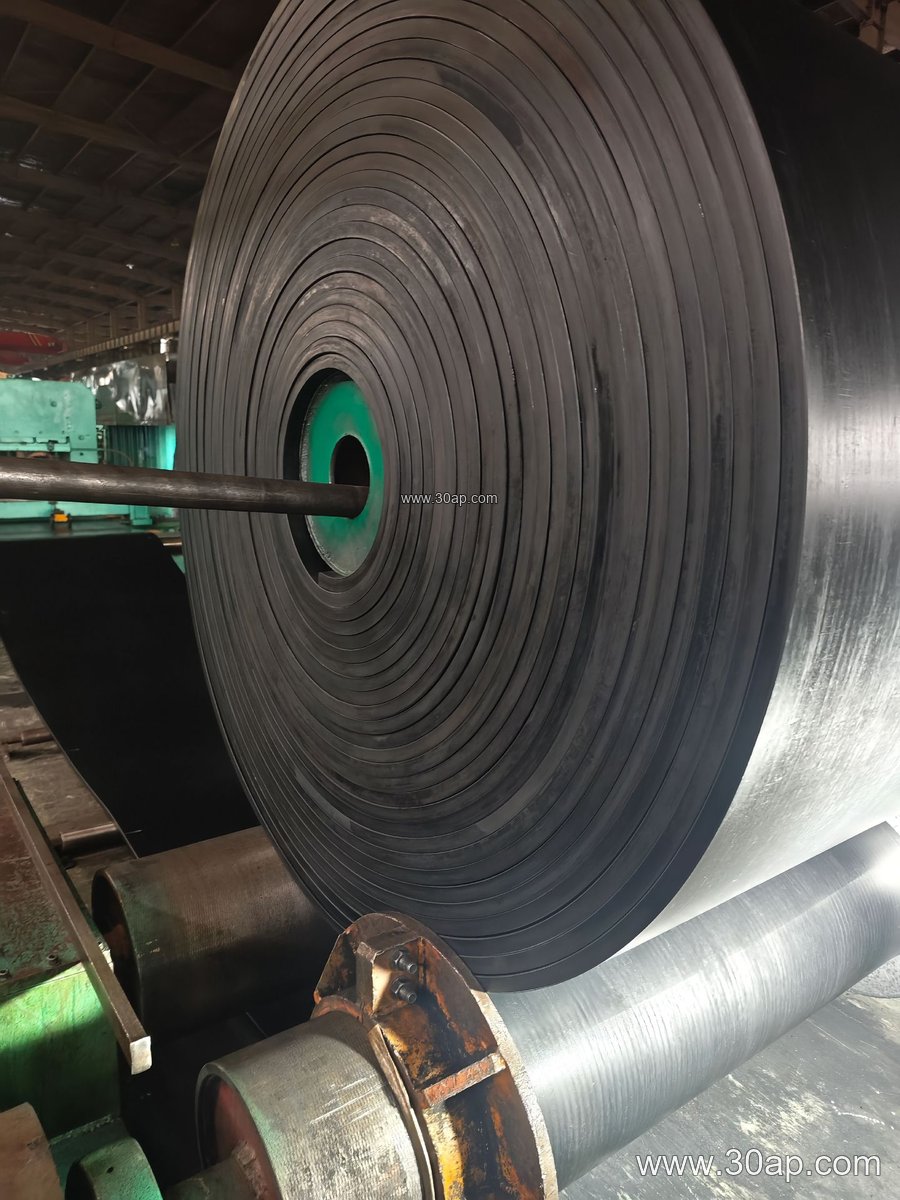
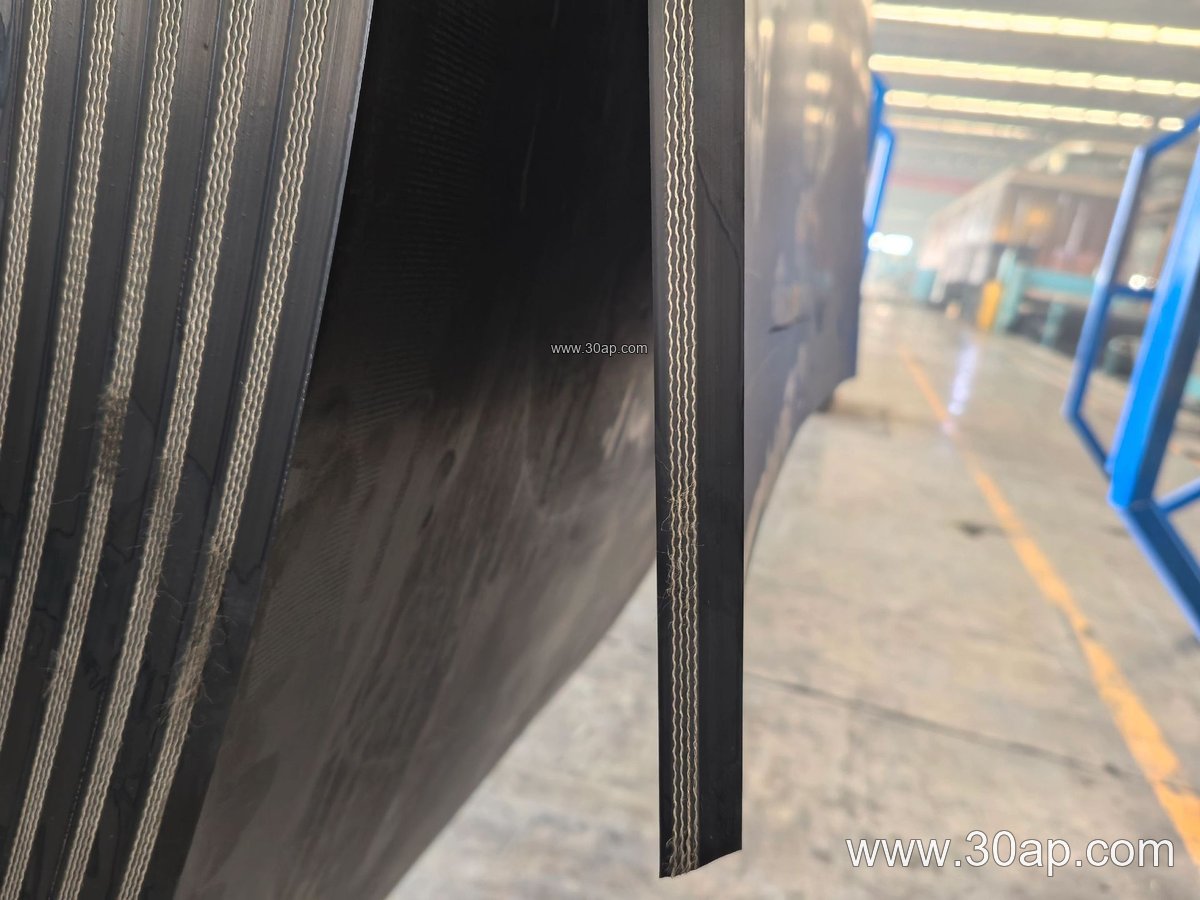
Most coal haulage belts use a fabric core or a steel cord carcass. Fabric constructions include EP conveyor belt (polyester warp, nylon weft), NN conveyor belt (nylon warp and weft), and multi-ply fabric core conveyor belt builds with two to six plies. A steel cord conveyor belt uses parallel brass-plated cords for long, high-tension runs. Rubber cover grades are chosen for the duty: abrasion resistant conveyor belt compounds for sharp run-of-mine coal, flame retardant and anti-static grades for underground use, oil resistant covers where lubricants or oily coal are present, and heat resistant conveyor belt grades near dryers or coke areas.
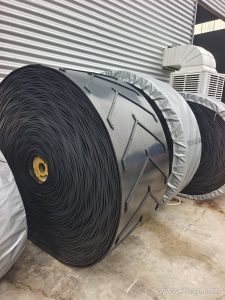
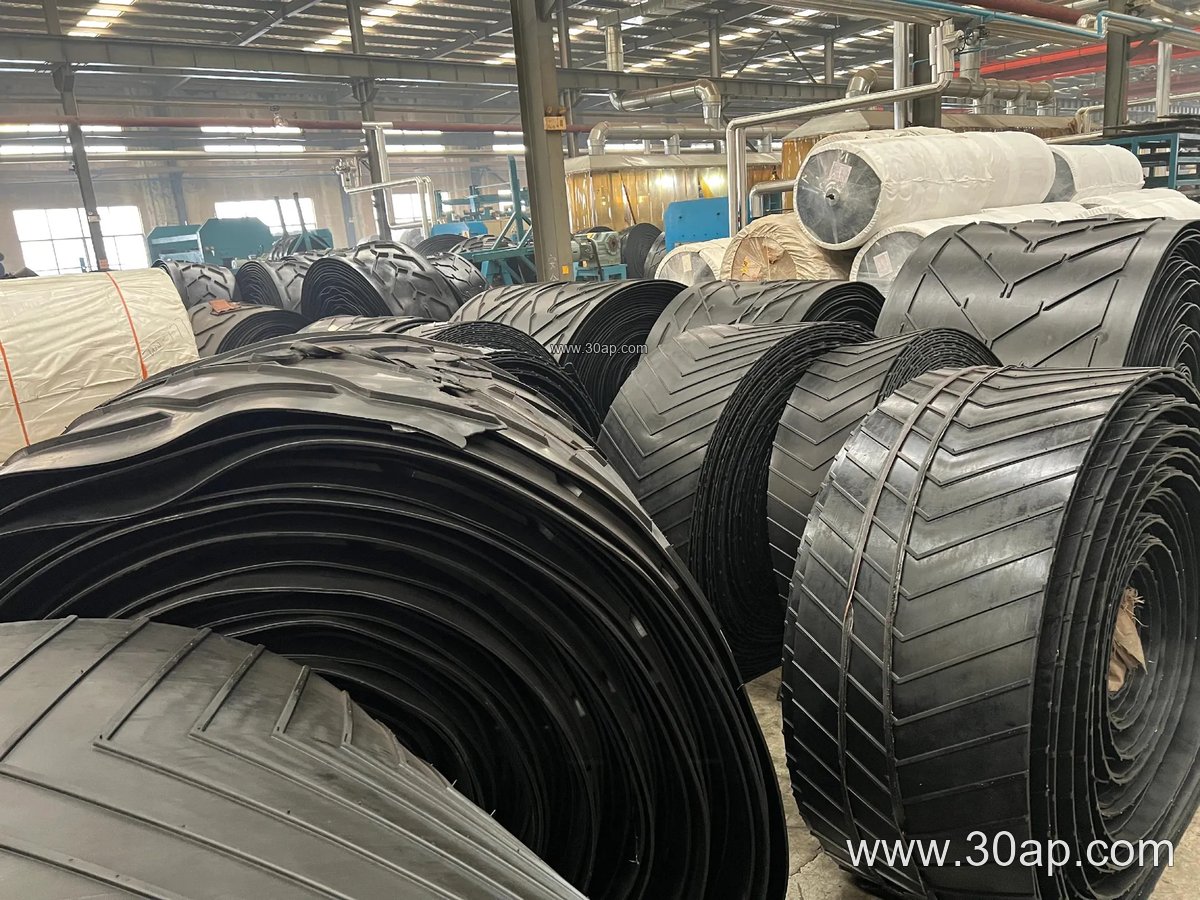
Special profiles solve geometry problems. A chevron conveyor belt or corrugated sidewall conveyor belt holds material on steep inclines, while a pipe conveyor belt encloses the load to limit spillage and dust in transfer zones. A skirted conveyor belt is useful at loading points where coal drops onto the line.
Typical Reference Data
The values below are common reference ranges, not fixed matches. Final selection is determined by the conveyor design, and different manufacturers publish different figures.
| Item | Common reference values |
|---|---|
| Fabric carcass grades | EP200, EP315, EP400, EP500, EP630, EP800, EP1000, EP1250, EP1600, EP2000 |
| Steel cord grades | ST1000, ST1250, ST1600, ST2000, ST2500, ST3150 |
| Belt width | B500, B650, B800, B1000, B1200, B1400, B1600, B1800, B2000 |
| Cover thickness | 3+1.5 mm, 4+2 mm, 5+2 mm, 6+2 mm, 8+3 mm |
| Carcass plies | 2 to 6 plies, depending on grade and duty |
A 1000mm or 1200mm belt is common on main gate and trunk roads, while a 1400mm or 1600mm belt often appears on high-capacity surface lines. A wide conveyor belt on a long overland route may use steel cord construction. Width and pulley diameter are separate design choices; a given belt width does not dictate one pulley size.
Where These Belts Are Used
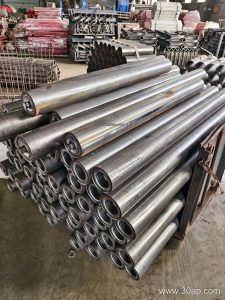
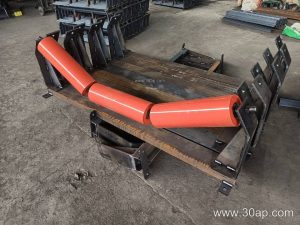
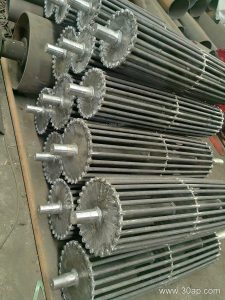
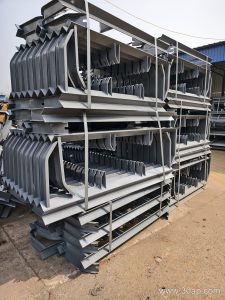
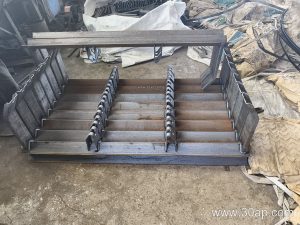
Coal is the main duty, but the same construction logic appears across heavy industry. Cement plants move clinker and limestone on abrasion resistant covers; power plants handle coal and ash; steel plants convey sinter and coke; quarries and sand making plants use quarry conveyor belt and aggregate conveyor belt grades for crushed stone. Port and ship loading systems rely on wide, high-tension belts, and recycling lines use similar carcasses with different covers. In every case the belt works with conveyor pulleys, idler rollers, and conveyor brackets that must be matched to the load and environment.
What a Buyer Should Check
- Hazard class. For underground coal mining, confirm flame retardant and anti-static properties, and ask for the test data behind the claim. PVG conveyor belt and PVC conveyor belt grades are common in this role.
- Material and lump size. Sharp, large coal calls for a thicker abrasion resistant cover and impact-resistant carcass; fine coal may allow a lighter build.
- Tension and route. Long lifts and steep inclines may need steel cord or high-grade EP construction, and a chevron or sidewall profile where the angle is too steep for a smooth belt.
- Environment. Cold climates need a cold resistant compound; oily coal or workshop spillage needs oil resistant covers; hot material near the discharge needs a heat resistant grade.
- Joint method. Decide between vulcanized splicing and mechanical fasteners early, because it affects belt ends and delivery length. An endless conveyor belt is spliced on site to form a closed loop.
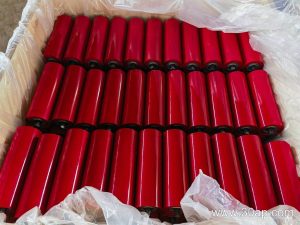
- Supporting components. Check that idler roller spacing, pulley diameters, and bracket alignment suit the belt grade, since poor support shortens cover life more than the belt itself.
Maintenance Notes
Keep the belt tracking straight, clean spillage from return runs, and inspect covers for cuts and cord exposure. Replace worn idler rollers promptly, because a seized roller can gouge a cover in hours. Store spare belting flat and out of sunlight, and record splice dates so planned replacement is not driven by emergency stoppage. For more on matching belts with pulleys and rollers, see ccdconveyorbelt.com and review belt data sheets before ordering.