What a Heavy-Load Pulley Does on a Conveyor
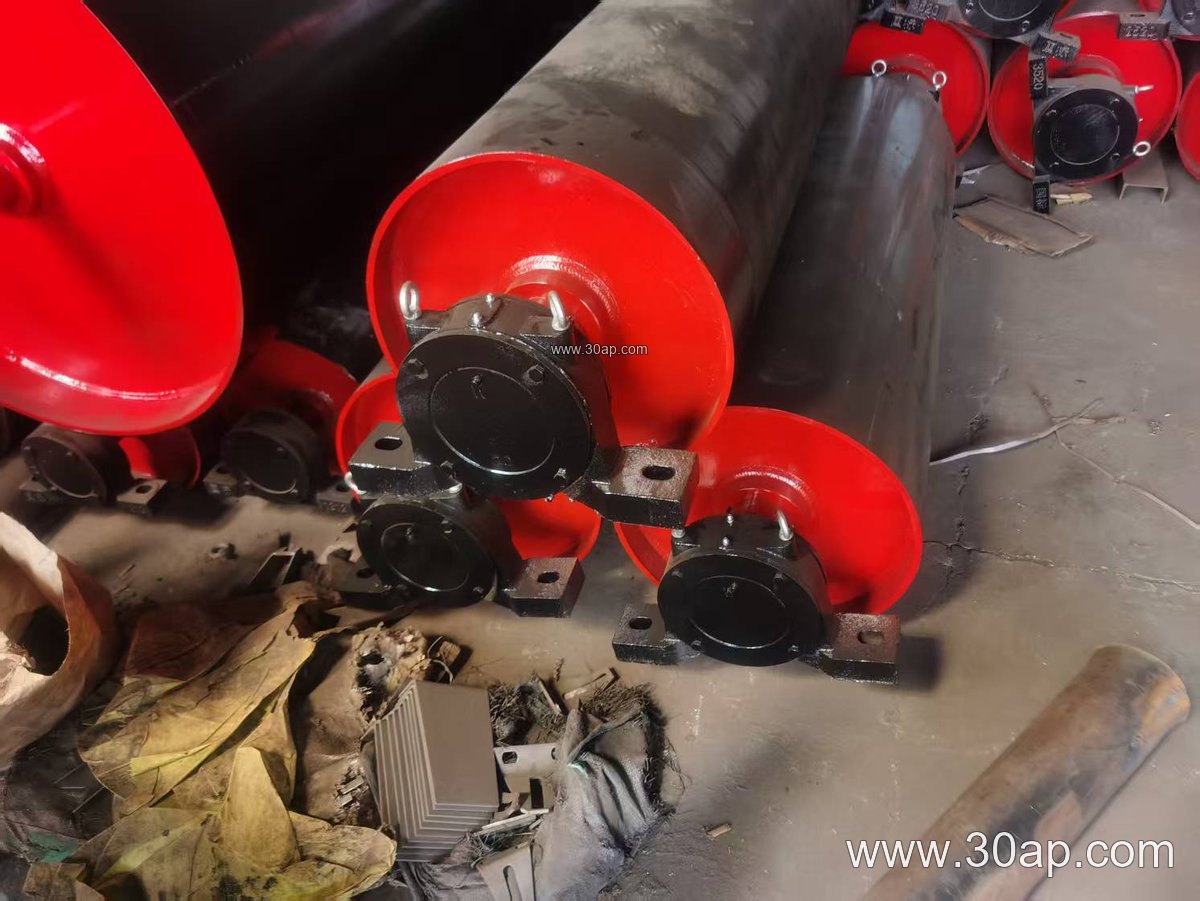
A heavy-load pulley is the robust drum that transmits drive force, redirects the belt, or supports tension in high-capacity conveying systems. In a quarry, limestone mine, or iron ore operation, this component must handle continuous shock loads, abrasive dust, and large belt tensions without premature wear. While often called a conveyor pulley, the term covers several distinct positions: drive pulley, tail pulley, bend pulley, and take-up pulley. Each position imposes different mechanical demands, and they are not interchangeable in function or design.
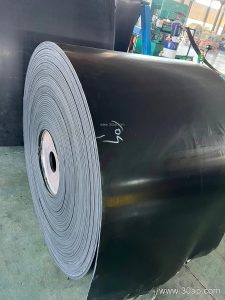
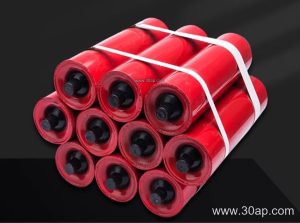
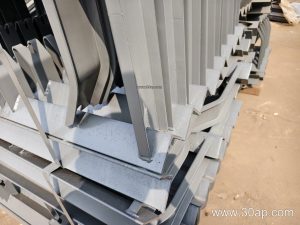
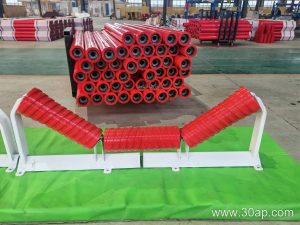
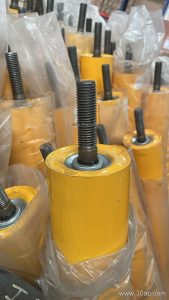
Compared with a standard-duty drum, a heavy-load pulley typically features thicker shell plate, larger shaft diameters, and heavier bearing housings. It may be supplied with rubber lagging or ceramic lagging to improve grip and extend service life. The pulley works in tandem with the conveyor belt, idler roller, and conveyor bracket to keep material moving efficiently.
Construction Details That Matter
Heavy-load pulleys are built around a welded steel shell, often with a machined surface for lagging adhesion. The shaft is sized by torque and radial load, not by belt width alone. Common shaft diameters range from Ø50 mm up to Ø200 mm, depending on the drive power and belt tension. Shell diameters for heavy-duty applications often fall between Ø400 mm and Ø1250 mm, though larger sizes exist for specific projects.
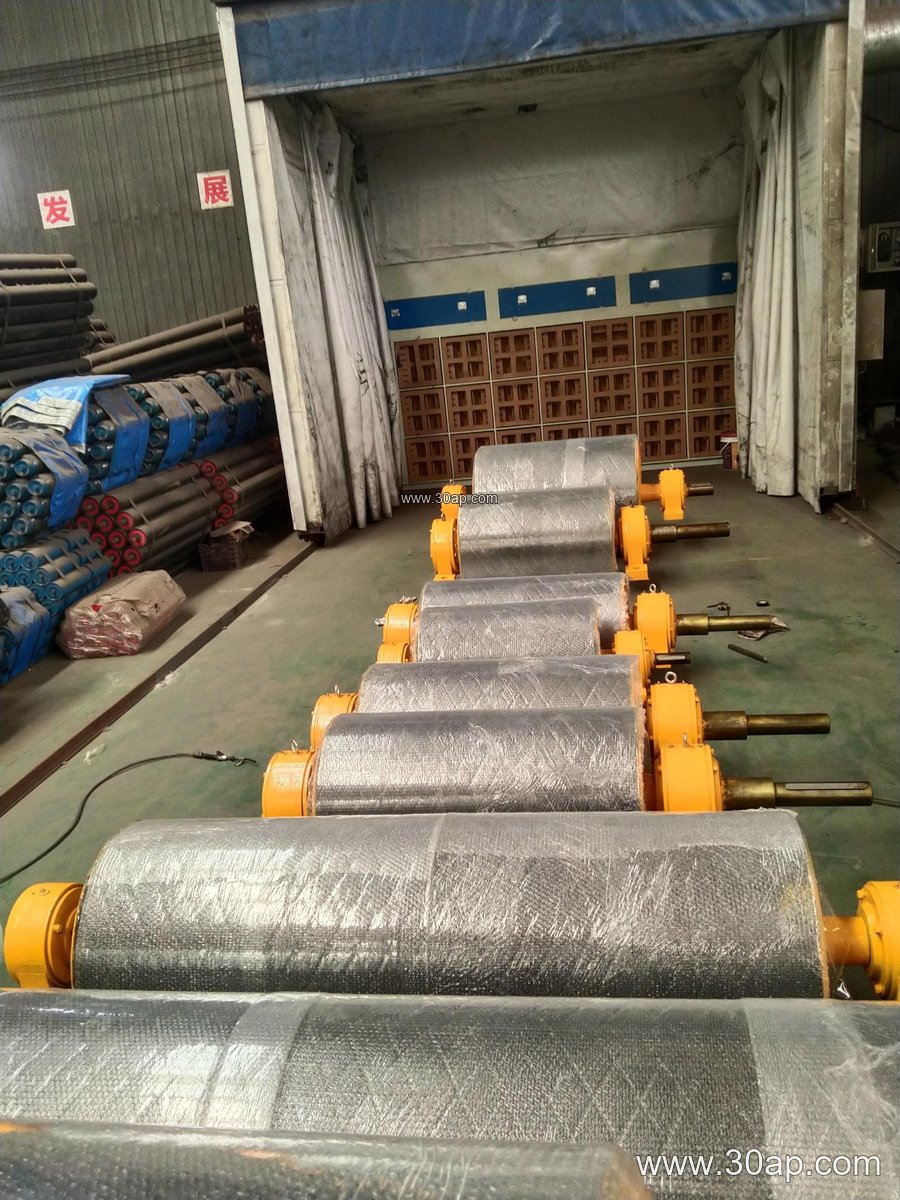
Lagging plays a critical role. Plain surface is used where material buildup is a concern; diamond or chevron lagging improves traction in wet or muddy conditions; ceramic lagging offers exceptional wear resistance in high-slip drive applications. Lagging thickness commonly ranges from 8 mm to 20 mm. The pulley face width is usually wider than the belt to accommodate misalignment—for example, a B1200 belt might use a pulley face around 1400 mm. These values are typical references, not fixed rules.
Where Heavy-Load Pulleys Are Used
In a coal mining conveyor system, the drive pulley must cope with high starting torques and frequent stops. In a cement plant, tail pulleys endure abrasive clinker dust, while bend pulleys help route the belt through tight spaces. Power plant coal handling, port bulk terminals, and aggregate crushing circuits all rely on heavy-load pulleys for continuous operation. The pulley design must match the conveyor belt type—whether a steel cord conveyor belt for long overland runs or a multi-ply fabric core conveyor belt for shorter, flexible routes.
For underground mining, flame retardant conveyor belt and anti-static properties are often required, and the pulley must be sized to fit constrained spaces. In a sand and gravel plant, abrasion resistant conveyor belt pairs with a lagged drive pulley to maintain grip despite wet, gritty conditions.
Key Dimensions and Surface Options
Buyers should consider the following typical parameters when specifying a heavy-load pulley. The table below lists common reference values, but final dimensions depend on the conveyor design, belt tension, and torque requirements.
| Parameter | Common Range / Example |
|---|---|
| Belt width (B) | B400 to B2400 |
| Pulley diameter | Ø200 to Ø1800 mm (heavy-load often Ø400–Ø1250) |
| Shaft diameter | Ø50 to Ø200 mm |
| Lagging thickness | 8, 10, 12, 15, 20 mm |
| Surface types | Plain, diamond, chevron, ceramic, hot-vulcanized rubber |
| Face width example | B800 belt → approx. 950 mm face; B1400 belt → approx. 1600 mm face |
Note that one belt width can match several pulley diameters. For instance, a B1000 belt might use a Ø500 mm tail pulley or a Ø800 mm drive pulley, depending on the load and speed. Shaft diameter is never determined by belt width alone; it must be calculated from torque and bending loads.
Buyer Checklist for Heavy-Load Pulleys
- Confirm the pulley position: drive, tail, bend, or take-up. Each has different load profiles.
- Specify lagging type and thickness based on environmental conditions (wet, dusty, oily).
- Provide belt width, belt type (e.g., EP conveyor belt, steel cord), and maximum tension.
- Check shaft diameter and bearing size against the actual torque, not just belt width.
- Consider maintenance access and whether the pulley will be replaced as a complete assembly.
- For corrosive or high-temperature environments, discuss special coatings or materials with the supplier.
Whether the application is a primary crusher discharge in a copper mine or a transfer point in a fertilizer plant, selecting the right heavy-load pulley requires a balance of shell thickness, lagging, shaft size, and bearing capacity. Working closely with a conveyor component specialist ensures the pulley integrates smoothly with the conveyor belt, idler roller, and conveyor bracket for reliable, long-term performance.