What the Guide Idler Bracket Does
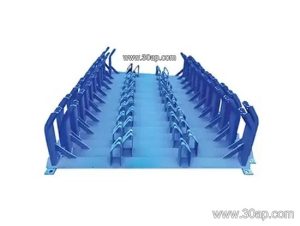
A guide idler bracket is the mounting component that holds a guide or training idler in the correct position relative to the conveyor belt. It is a small part with a large effect: if the bracket is misaligned, loose, or the wrong height, the idler cannot steer the belt properly, and the belt begins to drift toward one side of the structure. In a quarry, a coal handling plant, or a cement kiln feed line, that drift quickly turns into edge damage, spillage, and extra cleanup work.
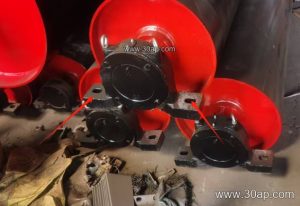
The bracket is not a pulley and should not be confused with one. Drive pulleys, tail pulleys, and bend pulleys transmit or redirect belt tension, while a guide idler bracket simply positions a training idler that corrects belt tracking. A conveyor bracket of this kind works together with the idler roller, the conveyor belt, and the frame, but it has its own mounting and adjustment role.
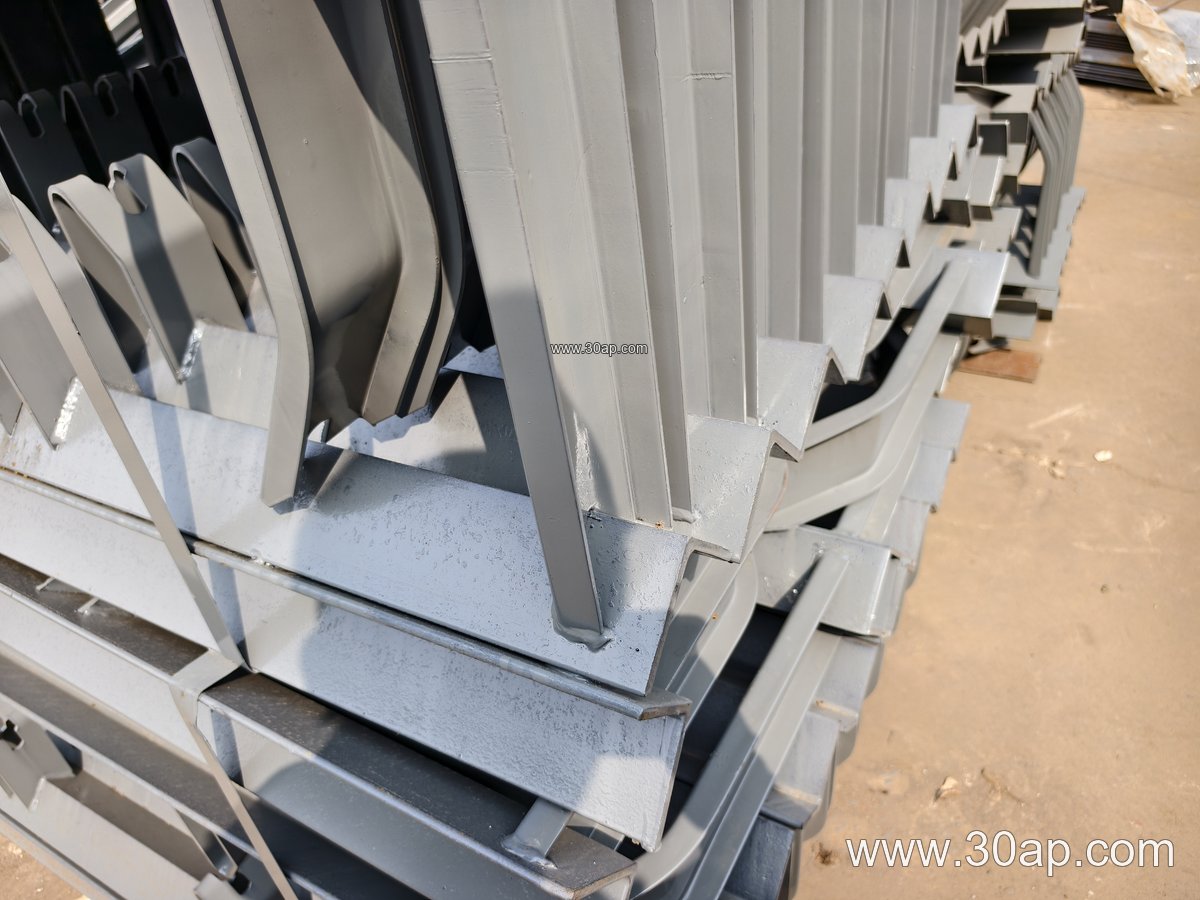
Construction and Typical Forms
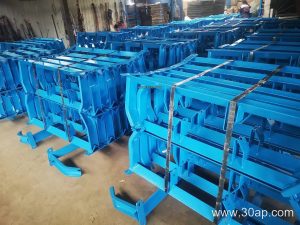
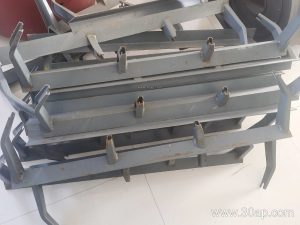
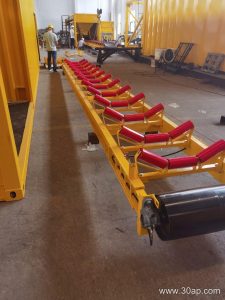
Most guide idler brackets are fabricated from angle steel, channel steel, or folded steel plate. The fabrication approach affects stiffness and how easily the bracket can be shimmed or adjusted on site. Common configurations include fixed brackets welded or bolted to the frame and adjustable brackets that allow the idler to be moved vertically or horizontally to fine-tune belt contact.
- Fixed bracket: simple, rigid, and used where alignment is set at installation.
- Adjustable bracket: slotted or multi-hole design for correcting belt wander over time.
- Pivot-style bracket: allows the training idler to swing slightly and respond to belt deviation.
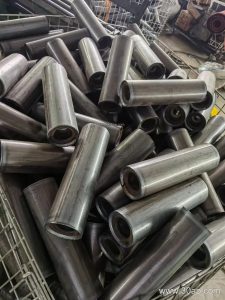
Brackets are usually matched to the idler shaft diameter they carry, so a bracket bored for Ø108 will not accept a Ø159 shaft without an adapter. Mounting hole spacing and crossbeam length change with belt width and trough angle, so these dimensions are determined by design rather than treated as universal values.
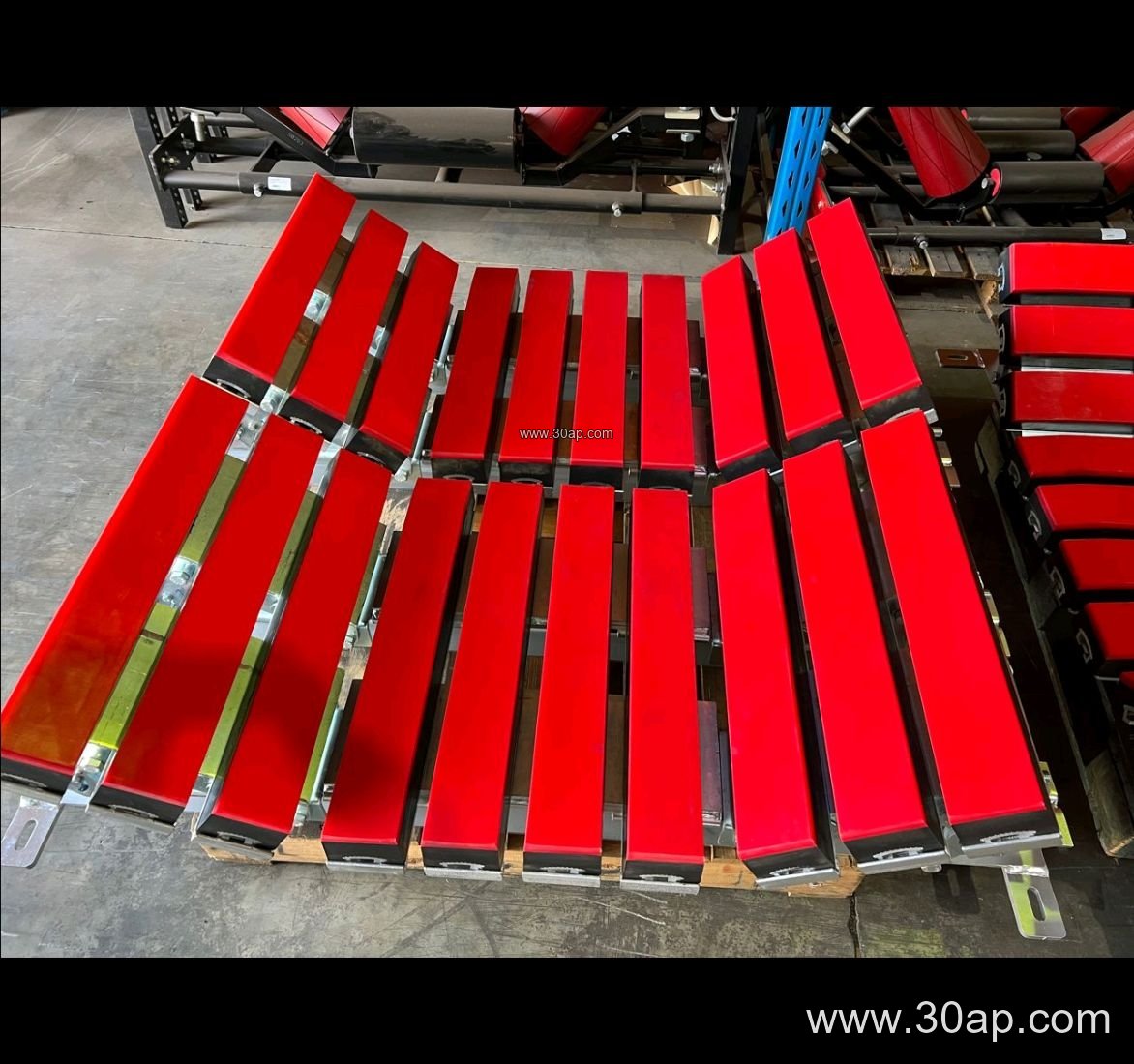
Where It Fits in a Conveying System
Guide idler brackets are typically installed on the carrying side near the head or tail, at transfer points, and along long runs where belt tracking is difficult to hold. In a stone crushing line, they are often placed after the crusher discharge where impact and off-center loading push the belt sideways. In a power plant coal yard, they help keep the belt centered through curves and transitions. The same bracket style appears in fertilizer plants, grain silos, and tunnel spoil handling systems.
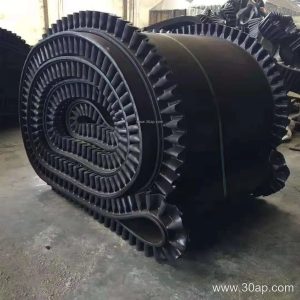
They are frequently used alongside a rubber conveyor belt or an EP conveyor belt on medium-duty frames, and with heavier fabric core or steel cord belts on long overland conveyors where tracking errors accumulate over distance. A properly set bracket reduces edge wear on abrasion resistant conveyor belts and helps avoid material spillage on incline sections.
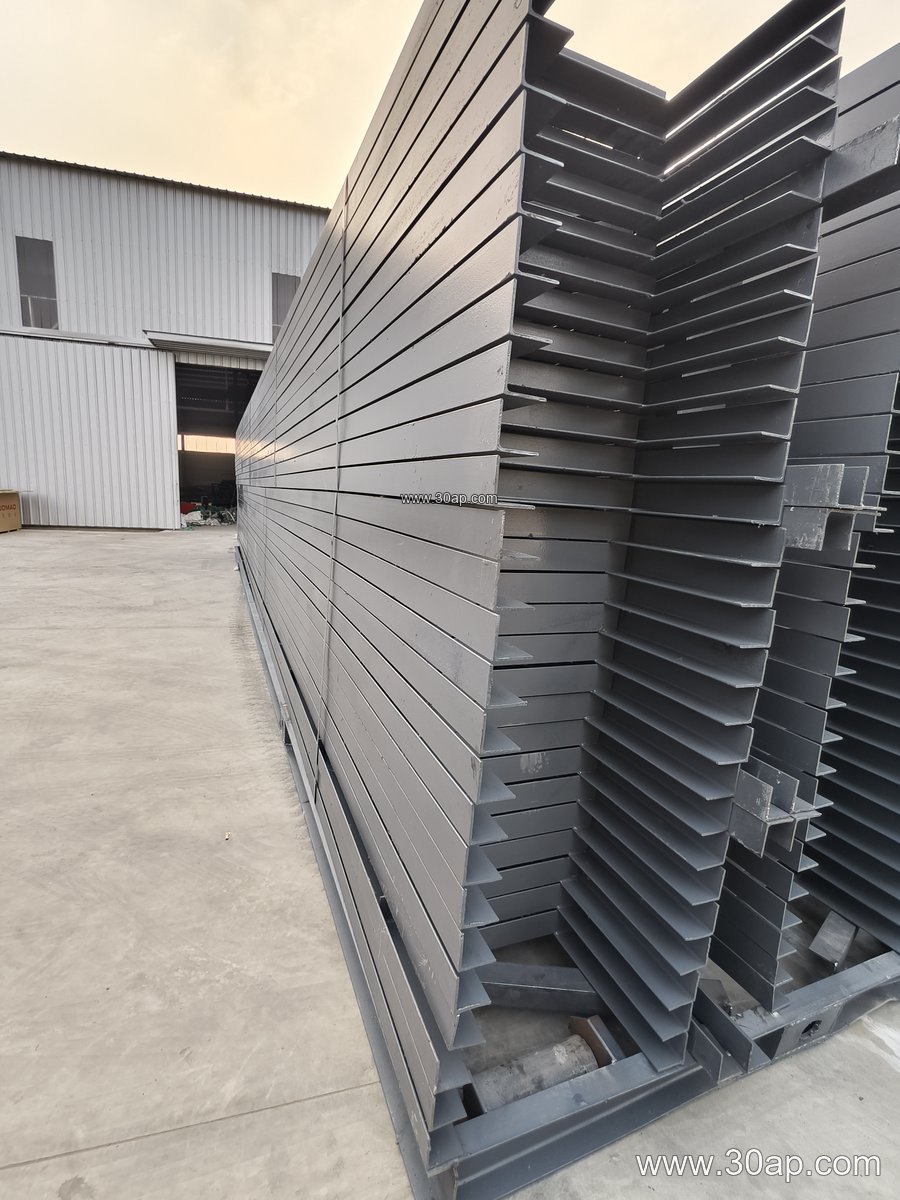
Matching Bracket, Idler, and Belt
Selection starts with the belt width, trough angle, and idler diameter. The table below shows common reference combinations; actual values should be confirmed against the conveyor design.
| Belt width | Trough angle | Idler diameter | Typical bracket note |
|---|---|---|---|
| B650 | 30 degrees | Ø89 | Light frame, fixed or adjustable |
| B800 | 35 degrees | Ø108 | Common quarry and aggregate duty |
| B1000 | 35 degrees | Ø108 / Ø133 | Adjustable version for long runs |
| B1200 | 45 degrees | Ø133 | Heavier channel or folded plate |
| B1400 | 35 degrees | Ø159 | Mining and power plant service |
| B1600 | 45 degrees | Ø159 / Ø194 | Heavy-duty fabricated bracket |
Forward-leaning training idlers, often set at about 1.5 to 2 degrees, may need a bracket that permits that slight tilt. Do not assume a given belt width can only match one trough angle or one roller diameter; the combination follows the load, belt stiffness, and frame geometry.
Buyer Checklist
- Confirm shaft diameter and mounting hole spacing before ordering.
- Decide whether fixed or adjustable positioning is needed for future tracking correction.
- Check material thickness and finish for dusty, wet, or corrosive sites.
- Verify that the bracket fits the existing conveyor bracket pattern on the frame.
- Keep spare brackets on hand, since a bent bracket can misalign an entire idler station.
For more on matching components, see the conveyor belt and idler roller ranges at china-conveyorbelt.com and the roller and bracket pages at conveyor-roller.com. A guide idler bracket is inexpensive compared with the belt it protects, yet it is one of the first parts to check when tracking problems appear in a mine, cement plant, or port terminal.