What a Carrying Idler Set Does on a Conveyor
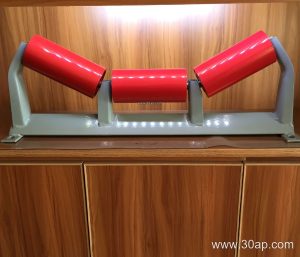
A carrying idler set is the group of rollers that supports the loaded run of a conveyor belt, keeping the belt in a stable trough shape so bulk material stays centered. In a limestone quarry or a coal-fired power plant, this assembly is often the first component a maintenance team inspects because it directly influences belt tracking, energy draw, and spillage. The set usually consists of two or three idler rollers mounted on a common frame or bracket, with the side rollers angled to form a trough. While a conveyor pulley drives or redirects the belt, the carrying idler set only supports it—these are separate functions and should not be confused.
Construction and Common Configurations
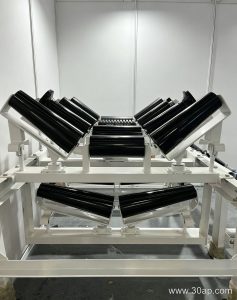
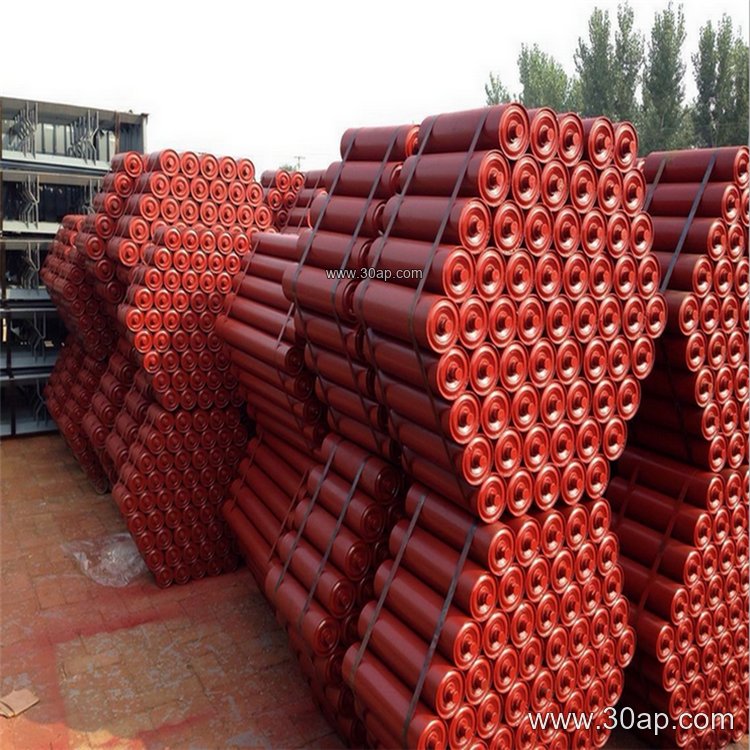
Each roller in the set typically has a steel tube shell, a shaft, bearing housings, and a sealing arrangement. Roller diameters are commonly selected from a range such as Ø89, Ø108, Ø127, Ø133, Ø159, and Ø178 mm, depending on belt width and load. The set itself may be single-roller, two-roller, or three-roller trough type. Trough angles of 20, 30, 35, and 45 degrees are common; a 35-degree trough is widely used in aggregate and cement plants, while a 45-degree angle can help contain a wider load in high-capacity ore handling. Roll length varies with belt width and trough angle—for example, a three-roller set at B800 often uses side rollers around 315 mm long, but this is a reference point, not a fixed rule. Bearings such as 6205, 6305, or 6308 are matched to shaft and load requirements, not to one specific roller diameter.
Roller Surface Options
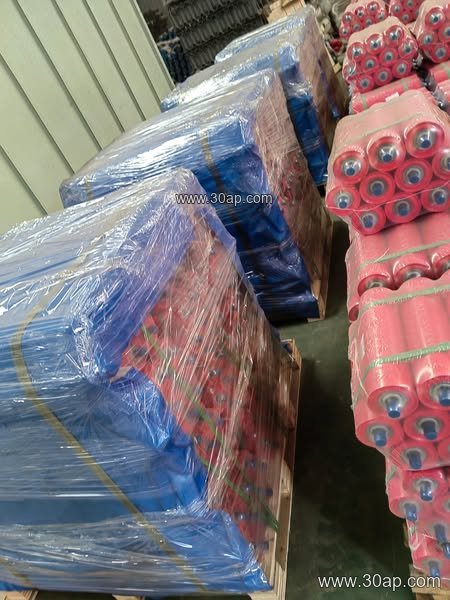
The roller surface may be plain steel, nylon, ceramic, or rubber-ringed. Rubber rings are often chosen for impact zones where a crusher conveyor receives lumpy rock, while ceramic or nylon covers may be used where material build-up or wear is a concern. These surfaces are part of the idler roller design and should be specified with the application in mind.
Where Carrying Idler Sets Are Used
These sets appear wherever a conveyor belt carries bulk material. In a sand and gravel line, they support the belt between the feed point and the screening plant. In a cement plant, they carry clinker or raw meal along the main belt. Underground coal mining conveyors rely on them to keep the belt aligned in confined spaces, often alongside flame retardant and anti-static belt constructions. Port ship-loading conveyors use long runs of carrying idlers to maintain trough shape over extended distances. The set works with the conveyor bracket and frame to hold the belt at the correct height and angle, and it must be compatible with the belt’s width and stiffness.
Selection Points for Buyers
Start with the belt width and the required trough angle. A B650 belt will not use the same roller length as a B1400 belt, and the set’s frame must match the conveyor bracket spacing. Consider the material: abrasive iron ore may call for a wear-resistant roller surface, while a food-grade or oil-resistant conveyor belt may need a smooth, cleanable roller. Check the bearing size and sealing type for dusty or wet conditions. For transition zones near a conveyor pulley, a transition idler set with gradually changing trough angle may reduce belt stress. Do not assume one roller diameter fits every belt width; the shaft and bearing selection should follow the actual load calculation.
Maintenance and Troubleshooting
Worn or seized rollers in a carrying idler set can cause belt mistracking, increased power consumption, and surface damage. Listen for squealing bearings and watch for material spillage along the belt line. Replace rollers in sets rather than mixing old and new units on the same frame, as uneven roller diameters can affect belt support. Keep the sealing area clean; in coal mining or quarry dust, a good seal extends bearing life. When replacing a set, confirm the trough angle and roller length match the original conveyor bracket.