What the PVG800 Conveyor Belt Is
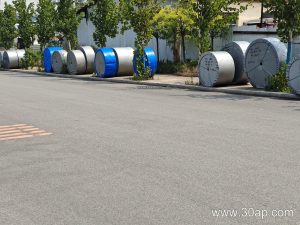
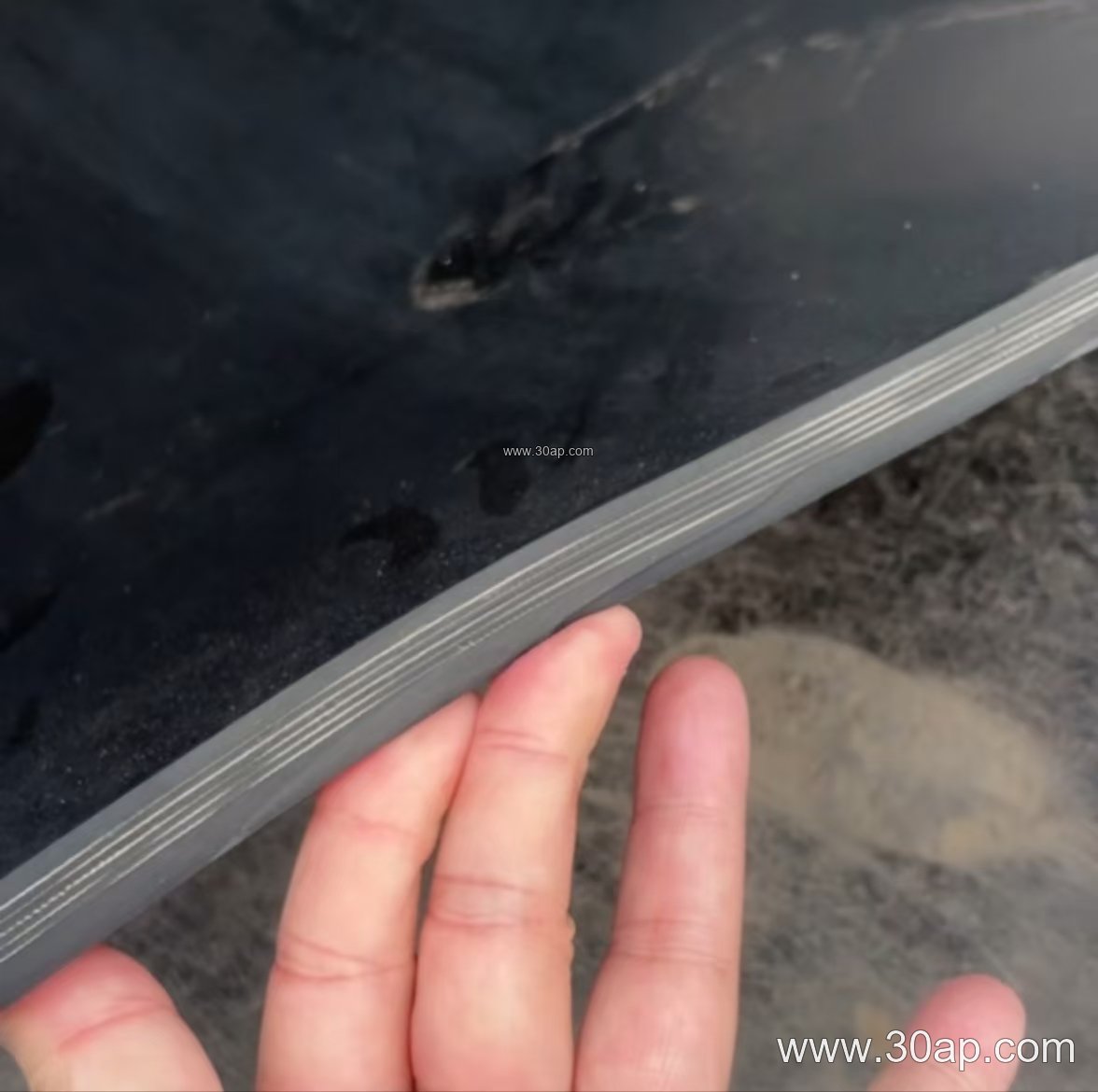
The PVG800 Conveyor Belt is a solid-woven, PVC-based conveyor belt built around a whole-belt construction rather than a layered fabric carcass. The designation refers to a belt in the PVG family with a nominal tensile strength of 800 N/mm, a class that suits main haulage lines and long panel conveyors in coal and mineral operations. Buyers often meet it under the equivalent name PVG800S Conveyor Belt, where the S denotes a solid-woven core with a fire-retardant cover compound. It belongs to the same family as the wider PVG Conveyor Belt range, and it is not a fabric-ply or steel-cord product.
The distinguishing feature is that the carcass and covers form one homogeneous body. There are no separate plies to delaminate, which is why this belt is common in underground coal mining conveyors where impact, moisture and flame resistance all matter at once. It is frequently specified alongside a flame retardant conveyor belt requirement and anti-static properties, and it is often the belt of choice on underground coal mining conveyor systems feeding crushers, bunkers and transfer points.
Construction and Surface Options
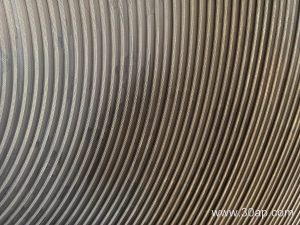
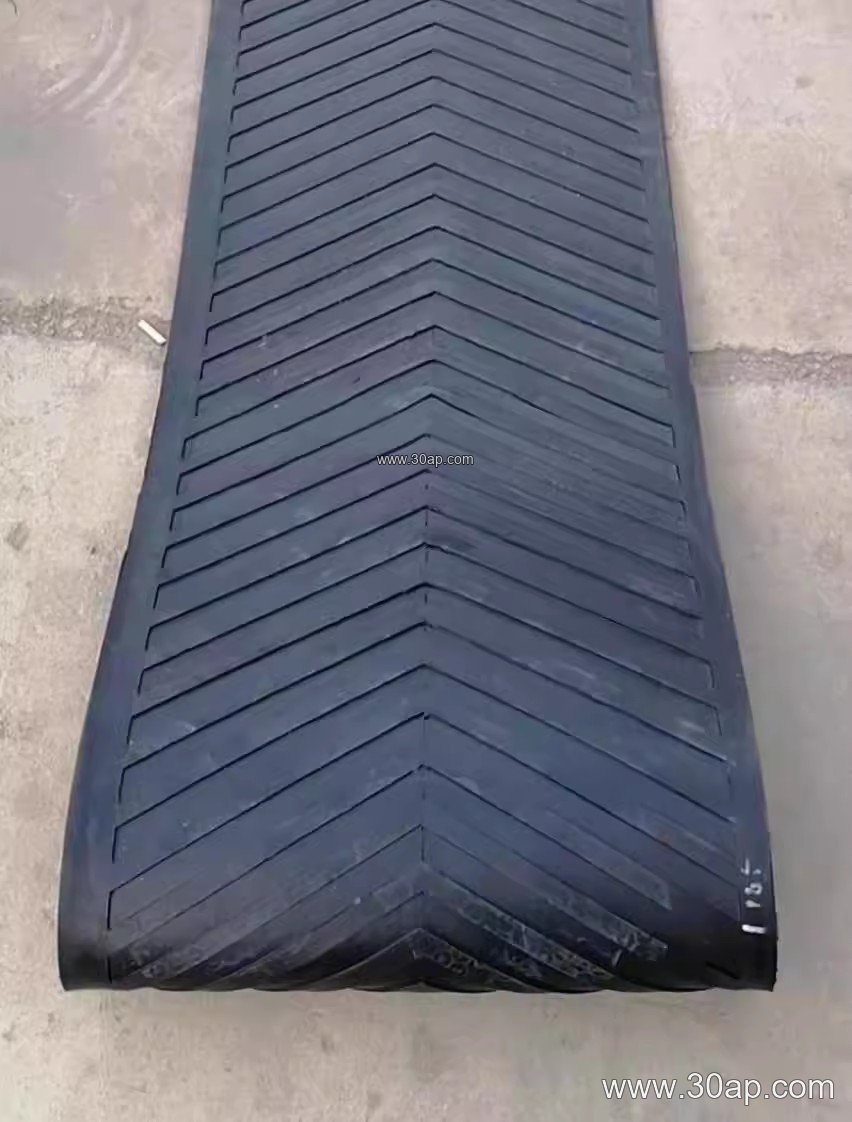
The core is a solid woven textile structure impregnated and encapsulated in PVC. Cover thickness is usually modest because the belt relies on the whole body for strength rather than on thick rubber layers. Surface forms can be varied to suit the duty: plain, chevron or patterned surfaces for inclined sections, and corrugated sidewall or skirted edges where material containment is needed on steep or confined routes.
Typical construction references, which vary by manufacturer and should be confirmed on the drawing for each order, include:
- Nominal strength grade: PVG800 (800 N/mm), with PVG800S as the solid-woven fire-retardant variant
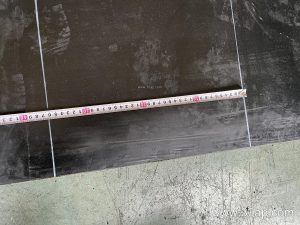
- Common belt widths: 800 mm, 1000 mm, 1200 mm, 1400 mm and 1600 mm; wider and narrower widths are available by design
- Cover thickness options: commonly 2+2 mm, 3+1.5 mm, 4+2 mm and 5+2 mm for this class
- Surface forms: plain, chevron, patterned, corrugated sidewall and skirted
- Property variants: flame retardant, anti-static, abrasion resistant and cold resistant versions
Because the belt is a single body, splicing is normally done by vulcanising or by mechanical fasteners, and the joint method should be agreed with the belt supplier before the conveyor is designed.
Where It Fits in the Plant
Underground coal mining is the classic duty: gate roads, trunk conveyors and drift belts where fire safety rules apply and where space for thick multi-ply belts is limited. The same construction is used in cement plants for clinker and limestone transfer, in power plants for coal yard and boiler feed lines, and in quarries and aggregate plants where wet, abrasive stone is moved over inclines. In sand and gravel operations a patterned PVG800 belt can replace a smooth belt on short steep sections, while a skirted version keeps spillage down at transfer chutes.
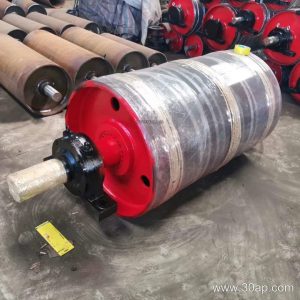
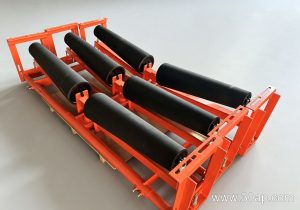
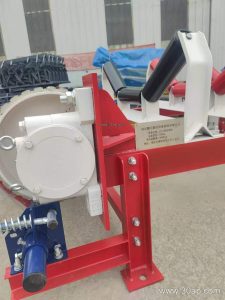
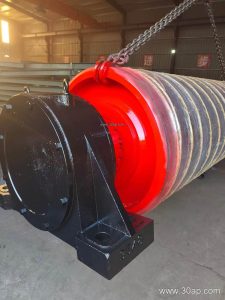
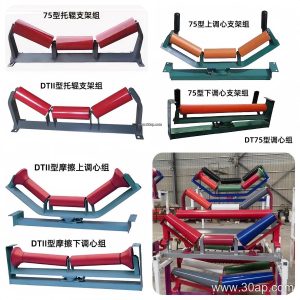
On these conveyors the belt works with idler rollers, conveyor pulleys, conveyor brackets and the supporting structure. Drive, tail and bend pulleys each have their own role and are selected from the belt tension and diameter requirements, not from belt width alone. A 1000 mm or 1200 mm belt may run on quite different pulley sizes in two plants, so the layout drawing governs.
Specification Notes for Buyers
When enquiring, state the duty clearly: material, lump size, throughput, incline, ambient and material temperature, and whether the line is underground. For coal work, ask for flame retardant and anti-static grades and confirm the test method the supplier uses. For abrasive ore or clinker, an abrasion resistant cover compound extends service life. For cold climates, a cold resistant version is available in the same family. Where oil or chemicals are present, an oil resistant or chemical resistant cover should be discussed, though these are separate property options rather than part of the base PVG800 specification.
Also confirm belt width, cover thickness, surface form, splice method and roll length. Where the route is steep or the material is loose, a chevron conveyor belt profile or a corrugated sidewall conveyor belt design may be more suitable than a plain PVG800 belt, and those alternatives should be evaluated as separate products. For very high tensions or long single flights, a steel cord conveyor belt or a high strength EP conveyor belt such as EP1000 or EP1250 may be compared, but they are different constructions and are not interchangeable with the solid-woven PVG class.
Installation and Care
Correct alignment at the tail and bend pulleys, free-turning idler rollers and clean conveyor brackets reduce edge wear on any belt. Keep the belt tension within the design range, inspect the splice regularly, and avoid carrying material beyond the rated lump size. Storing rolls under cover and away from ozone sources protects the PVC body before installation. Treated as a system component rather than a consumable, a PVG800 Conveyor Belt gives long, predictable service in wet, dusty and fire-sensitive duty.