What an Acid Resistant Conveyor Belt Is
An acid resistant conveyor belt is a specialized rubber conveyor belt designed to carry materials that release acidic or alkaline substances, or to operate in environments where chemical attack would quickly degrade standard belts. Unlike a general-purpose rubber conveyor belt, this belt uses cover compounds and sometimes a fabric core that resist swelling, cracking, and delamination caused by acids, salts, and other corrosive agents. It is a chemical resistant conveyor belt variant focused on acidic duty, and it is often specified alongside other protective grades such as oil resistant conveyor belt or heat resistant conveyor belt when a site handles mixed conditions.
Construction and Key Components
The belt typically combines a fabric core conveyor belt structure with acid-resistant cover rubber. Common carcass options include EP conveyor belt (polyester-nylon) and NN conveyor belt (nylon-nylon), both of which offer good flexibility and load support. For heavier tension and longer runs, a steel cord conveyor belt may be chosen, although the cover compound remains the critical barrier against acid attack. A multi-ply fabric core conveyor belt is also common in medium-duty chemical plants.
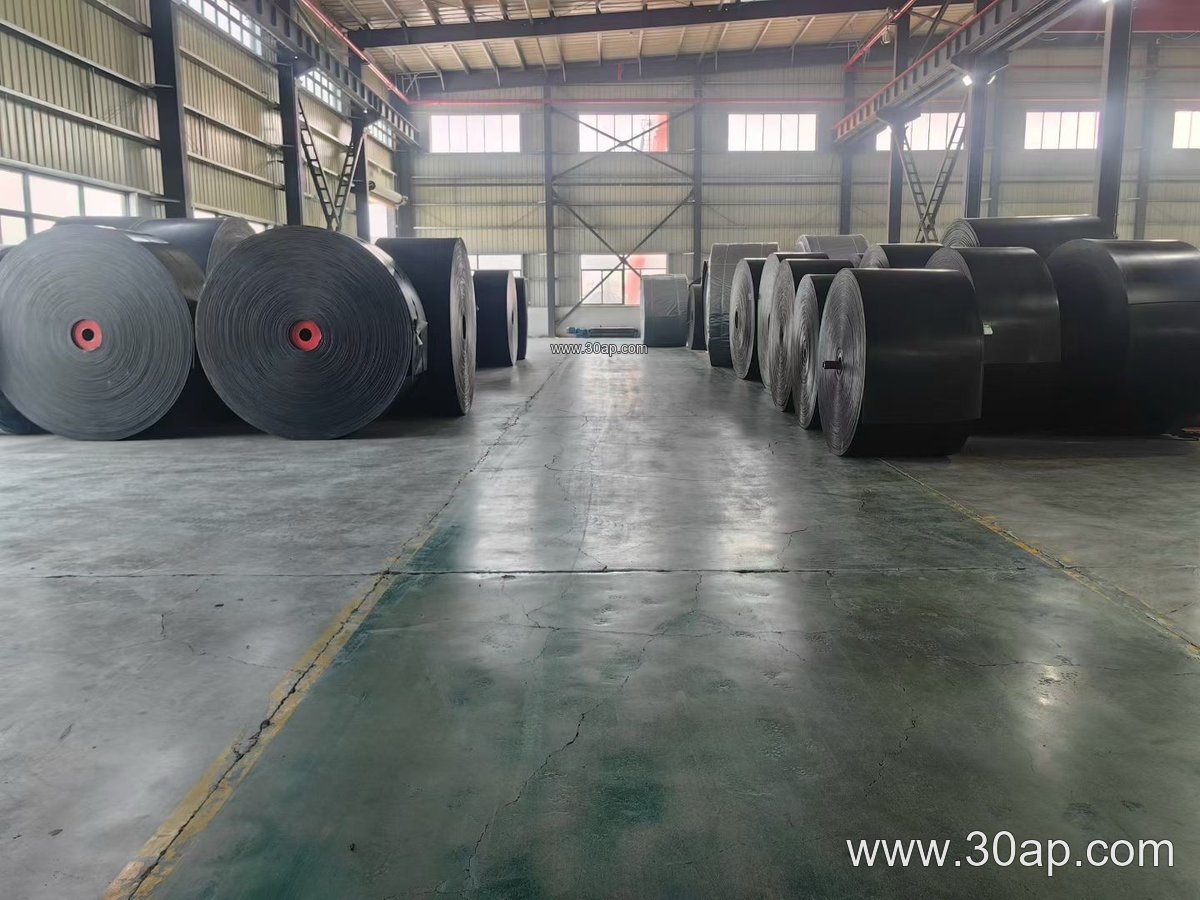
The cover rubber is formulated with polymers and fillers that resist acid penetration. Buyers often see cover thickness expressed as top plus bottom, for example 4+2 mm or 6+2 mm, and carcass layers usually range from 2 to 6 plies. These values are typical references, not fixed rules; final construction is determined by the conveyor design, material composition, and loading conditions.
Where It Is Used
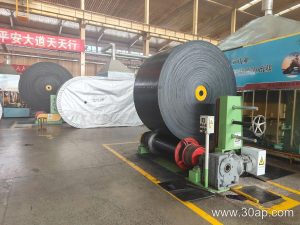
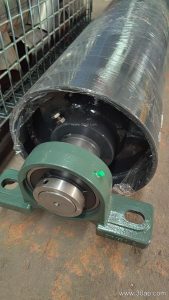
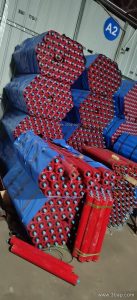
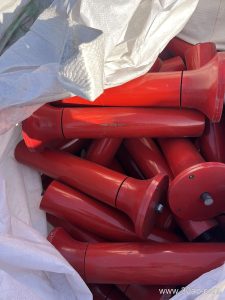
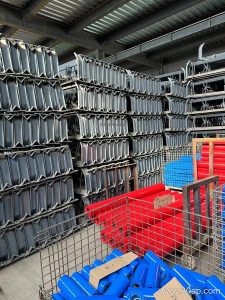
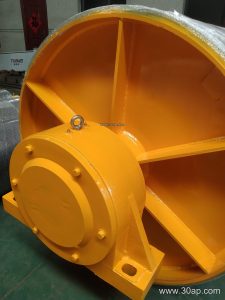
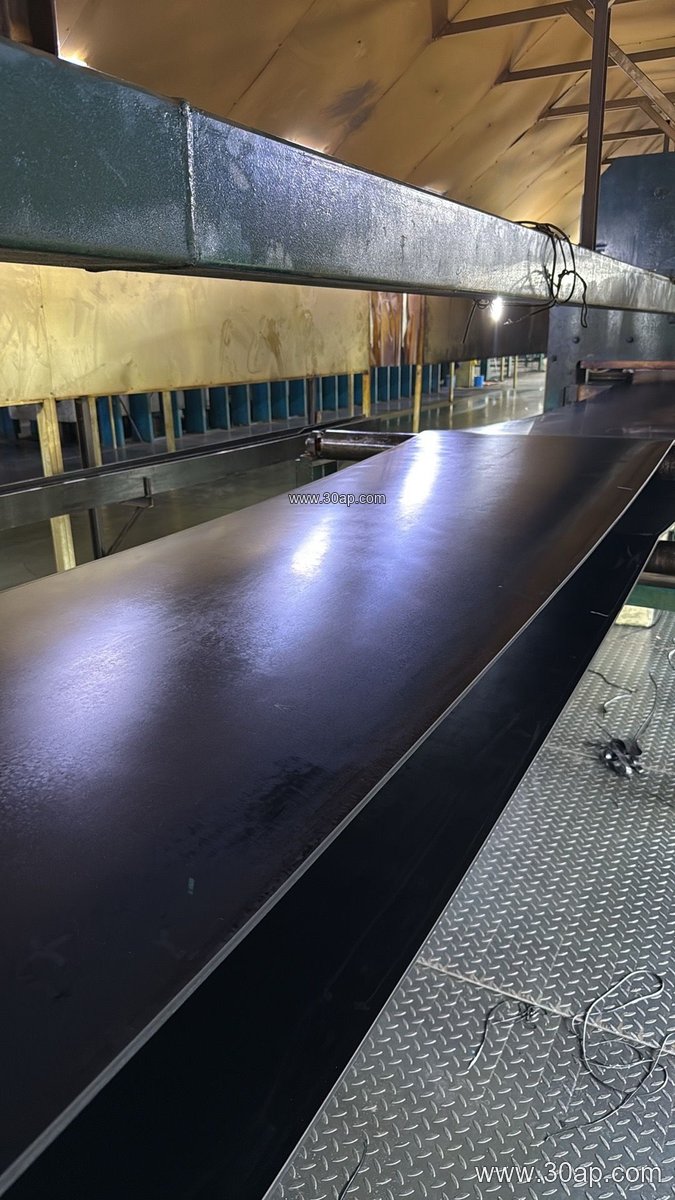
Acid resistant belts appear in fertilizer production, chemical processing, mining and mineral processing, power plants with flue-gas treatment residues, and some recycling streams. In a copper ore conveyor belt or gold mining conveyor belt circuit, acidic slurry or damp ore can shorten belt life if the cover is not properly selected. Similarly, a quarry conveyor belt handling acidic wash water or a cement plant conveyor belt exposed to aggressive dust may benefit from acid resistance. The belt works together with conveyor pulleys, idler rollers, and conveyor brackets; drive, tail, and bend pulleys each have distinct roles, and none should be treated as interchangeable.
Common Specifications and Options
Acid resistant belts are available in a range of strengths and widths. The table below shows representative values; actual supply depends on the manufacturer and the application.
| Parameter | Typical Range |
|---|---|
| Fabric core type | EP conveyor belt, NN conveyor belt |
| Strength grades | EP200, EP400, EP630, EP800, EP1000, EP1250 |
| Belt width | 500 mm, 650 mm, 800 mm, 1000 mm, 1200 mm, 1400 mm, 1600 mm, 1800 mm |
| Cover thickness | 3+1.5 mm, 4+2 mm, 5+2 mm, 6+2 mm, 8+3 mm |
| Carcass plies | 2 to 6 layers, by design |
For comparison, a chevron conveyor belt or corrugated sidewall conveyor belt may be used on inclines, but those surface forms are separate choices and do not replace the acid-resistant cover requirement. An endless conveyor belt can be supplied for fixed-center drives where splicing is a concern.
Selection and Maintenance Notes
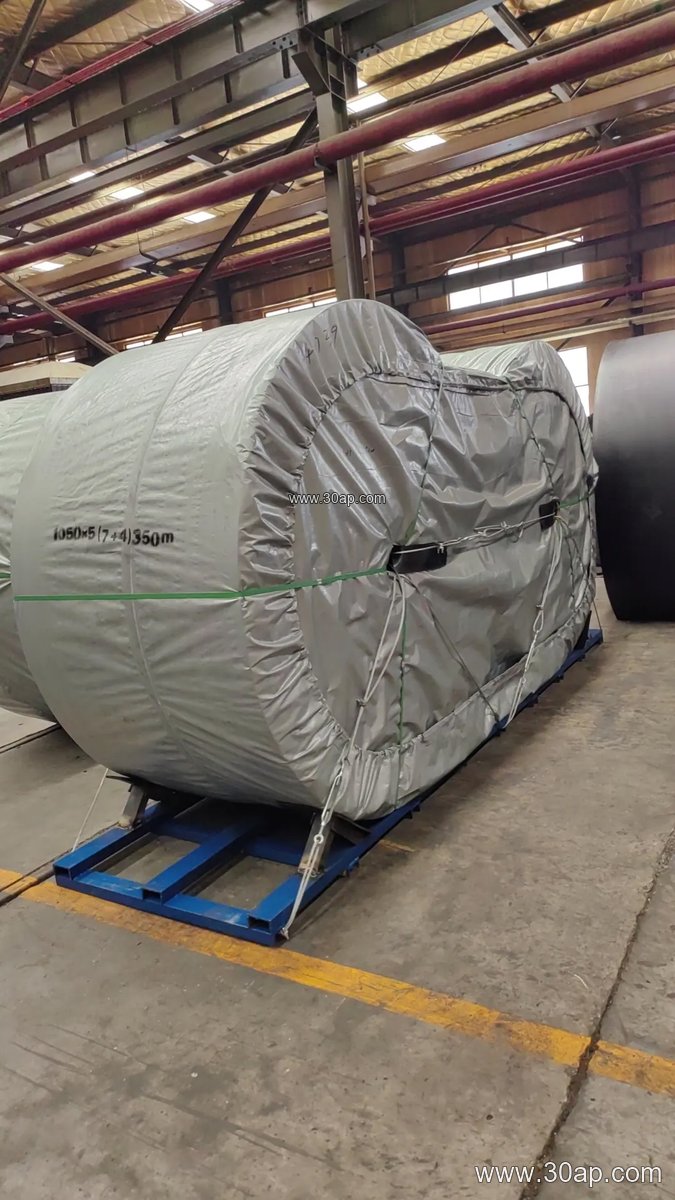
When choosing an acid resistant conveyor belt, identify the specific chemicals, concentration, temperature, and wetness of the load. Acid resistance is not a single universal property; a belt suited to dilute acid may not perform well with concentrated or hot chemicals. Check compatibility of the cover compound and the carcass, and consider whether a flame retardant conveyor belt or anti-static conveyor belt grade is also needed for underground mining conveyor belt or coal mining conveyor belt environments.
Maintenance matters as much as the original specification. Inspect the belt surface for cracks, hardening, or cover loss, and keep idler rollers turning freely to avoid localized wear. Ensure conveyor pulleys are aligned and that conveyor brackets support the idlers correctly. On a heavy-duty mining conveyor belt or bulk material conveyor belt system, small acid drips or spills should be cleaned promptly. For any specific acid resistant conveyor belt inquiry, match the belt grade to the duty and confirm details with the supplier.