What Is a Guide Idler Bracket?
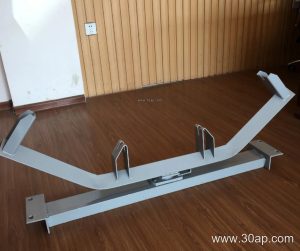
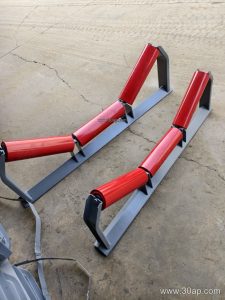
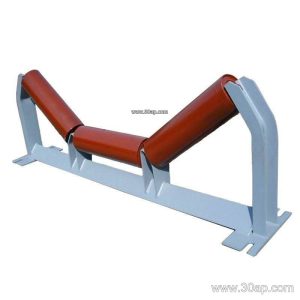
A guide idler bracket is a structural component that holds and positions guide idlers on a conveyor. Unlike standard carrying or return brackets, this bracket is designed to keep the belt centered and to guide it through transitions, curves, or loading zones. In many plants, the guide idler bracket works alongside the conveyor belt and idler roller to maintain alignment and reduce edge damage. It is a small but critical part of the material handling chain in mining, coal preparation, cement plants, power stations, and aggregate operations.
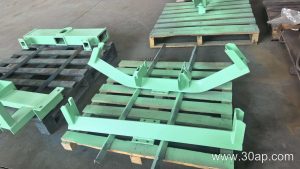
The bracket itself is typically fabricated from angle steel, channel steel, or folded steel plate. Its geometry determines the mounting position and angle of the guide idler, which in turn affects how the belt tracks. Because the guide idler bracket is often adjustable, maintenance teams can fine-tune belt tracking without replacing the entire frame.
Construction and Mounting
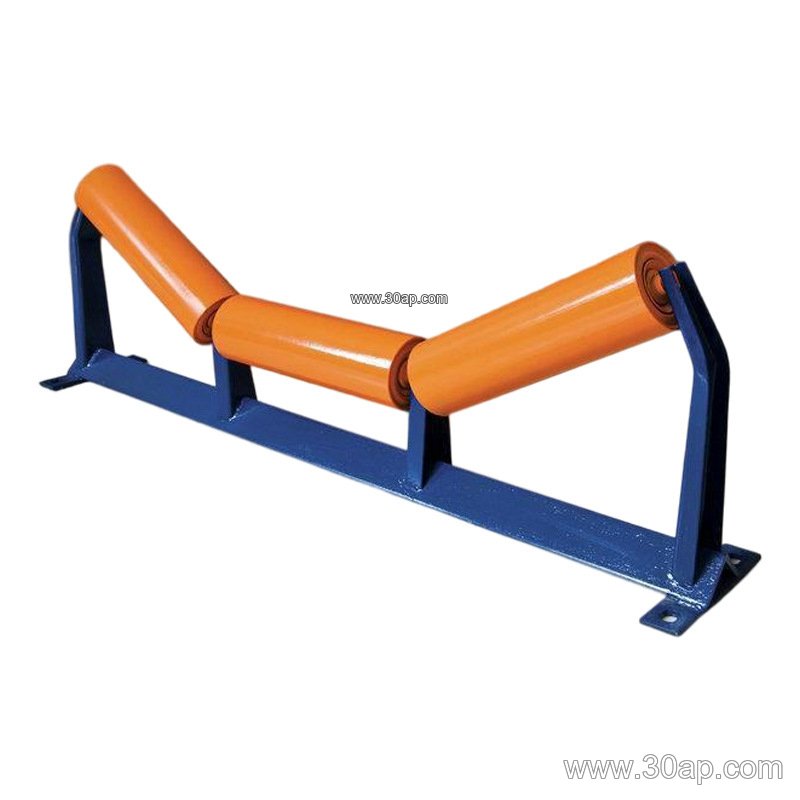
A typical guide idler bracket consists of a base plate or beam clamp, a vertical support, and an idler mounting plate with slotted holes. The slots allow the idler to be moved in or out, and sometimes tilted, to correct belt misalignment. The bracket is usually bolted to the conveyor stringer or to a cross beam. In some designs, the guide idler bracket is welded to the main frame, but bolted versions are preferred where field adjustment is needed.
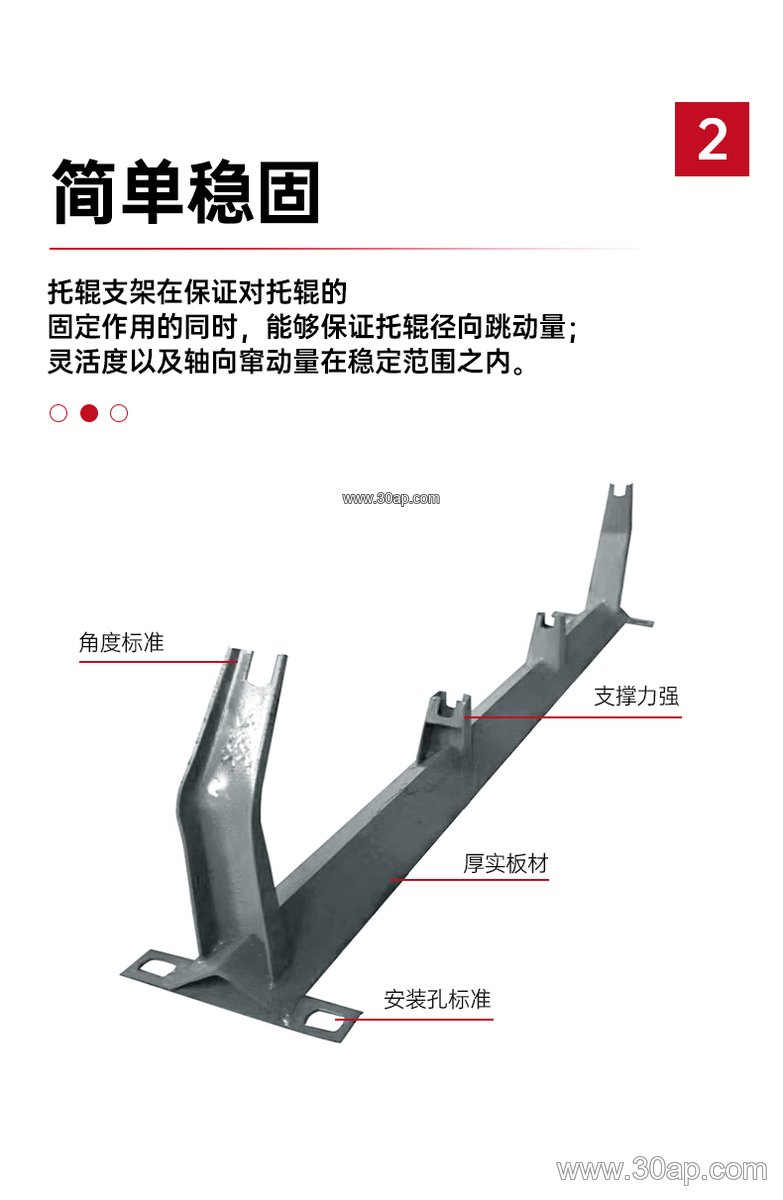
Materials matter. In dusty or wet conditions, galvanized or painted steel helps resist corrosion. For heavy-duty mining conveyor systems, thicker channel steel is common. The bracket must be strong enough to withstand the side loads that occur when the belt drifts, especially during start-up or when carrying uneven loads.
Where It Is Used
Guide idler brackets appear in many industries. In a coal handling plant, they help keep the conveyor belt centered as it leaves the transfer chute. In a limestone quarry or sand and gravel line, they guide the belt through curves and prevent spillage. Cement plants use them near crushers and silos where belt alignment is critical. Power plant coal conveyors also rely on guide brackets to avoid belt edge wear.
The bracket is often used with a self-aligning idler or a training idler. It should not be confused with a bend pulley bracket or a drive pulley base; those are different components. A guide idler bracket is specifically for idler positioning, not for carrying the main pulley loads.
Key Parameters and Selection
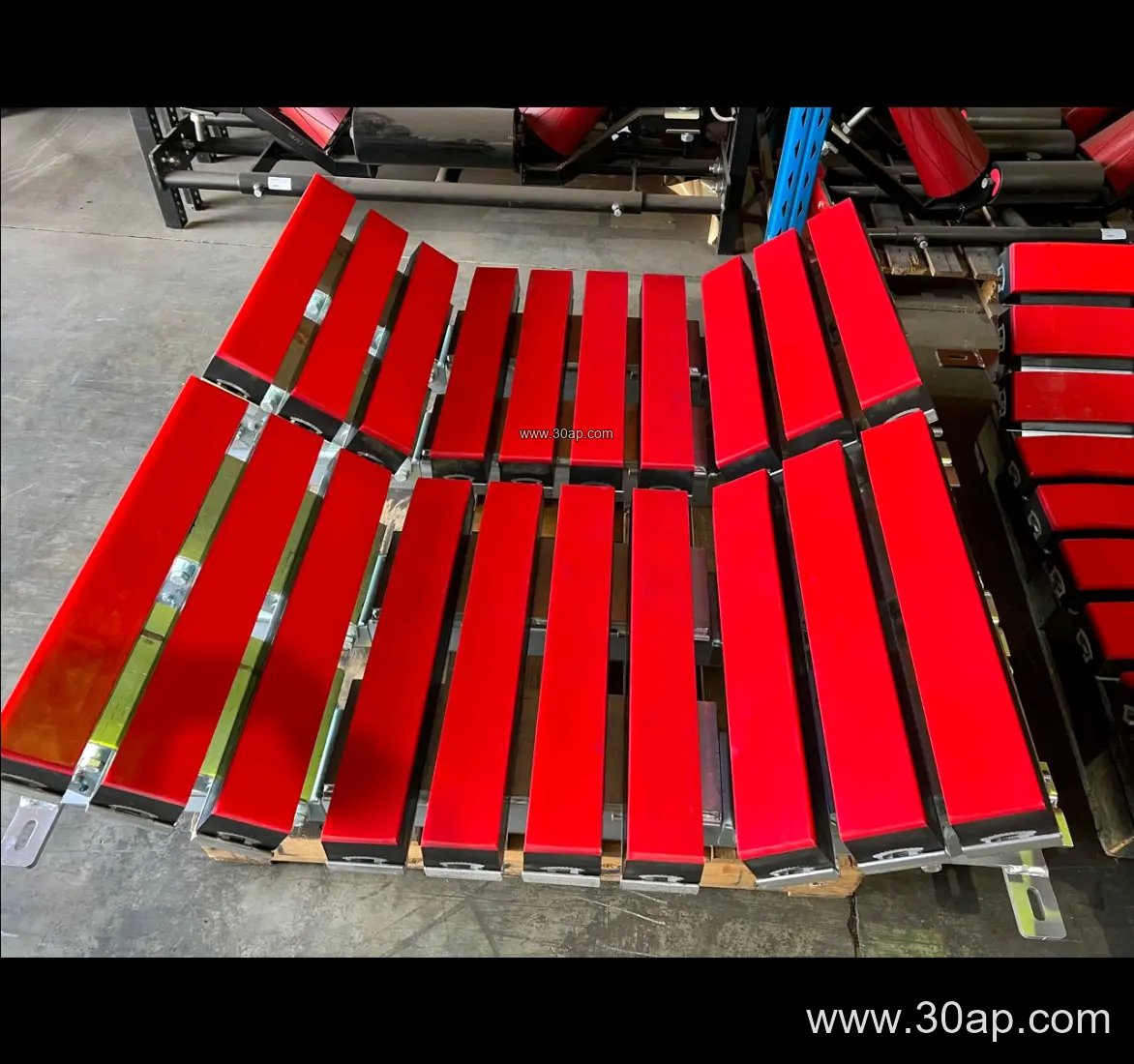
When selecting a guide idler bracket, buyers should consider belt width, idler diameter, and trough angle. The table below shows common reference ranges, but actual dimensions depend on the conveyor design.
| Parameter | Common Reference |
|---|---|
| Belt width (B) | B500, B650, B800, B1000, B1200, B1400, B1600, B1800, B2000 |
| Idler diameter | Ø89, Ø108, Ø133, Ø159, Ø194 |
| Trough angle | 20°, 30°, 35°, 45° (adjustable brackets can vary) |
| Mounting hole spacing | According to design, varies with belt width and angle |
Note that a single belt width can match different idler diameters and trough angles. For example, a B800 conveyor might use Ø108 idlers at 35°, while a B1200 system could use Ø133 idlers at 45°. The bracket must be chosen to suit the actual idler and frame. Adjustable guide idler brackets are useful when the final belt tracking needs fine-tuning on site.
For high-abrasion applications, such as handling iron ore or copper ore, the bracket should be robust and the idler should be protected. In coal mining, flame retardant conveyor belt and anti-static properties are important, and the bracket must not interfere with those safety features. Similarly, when using a heat resistant conveyor belt in a cement or steel plant, the bracket should be positioned to avoid excessive heat exposure.
Buyer Checklist
- Confirm the conveyor belt width and the idler diameter to be used.
- Check the mounting hole pattern on the existing conveyor frame.
- Decide whether a fixed or adjustable guide idler bracket is needed.
- Consider the environment: dust, moisture, heat, or corrosive materials.
- Ensure the bracket material matches the duty level, especially in mining and quarry applications.
In summary, the guide idler bracket is a focused solution for belt tracking. It works together with the conveyor belt, idler roller, and conveyor pulley to keep material moving efficiently. Whether in a coal mine, a cement plant, or a port terminal, selecting the right bracket helps reduce downtime and extend belt life.