What Is an EP1000 Conveyor Belt
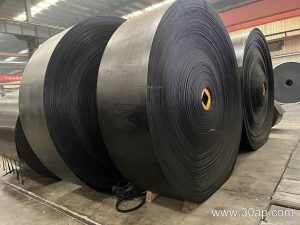
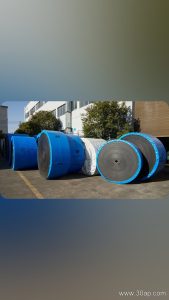
An EP1000 conveyor belt is a fabric-core belt built with polyester (E) and nylon (P) warp and weft yarns. The number 1000 refers to the nominal tensile strength of the belt in newtons per millimeter of width, making it a high-strength option within the EP range. This belt is often chosen for long conveying lines, high tonnage, and abrasive or sharp materials where moderate elongation and good troughability are required. As a heavy-duty conveyor belt, it suits both above-ground and underground installations, and it can be supplied with covers tuned for heat, oil, flame, or abrasion resistance.
Construction and Material Layers
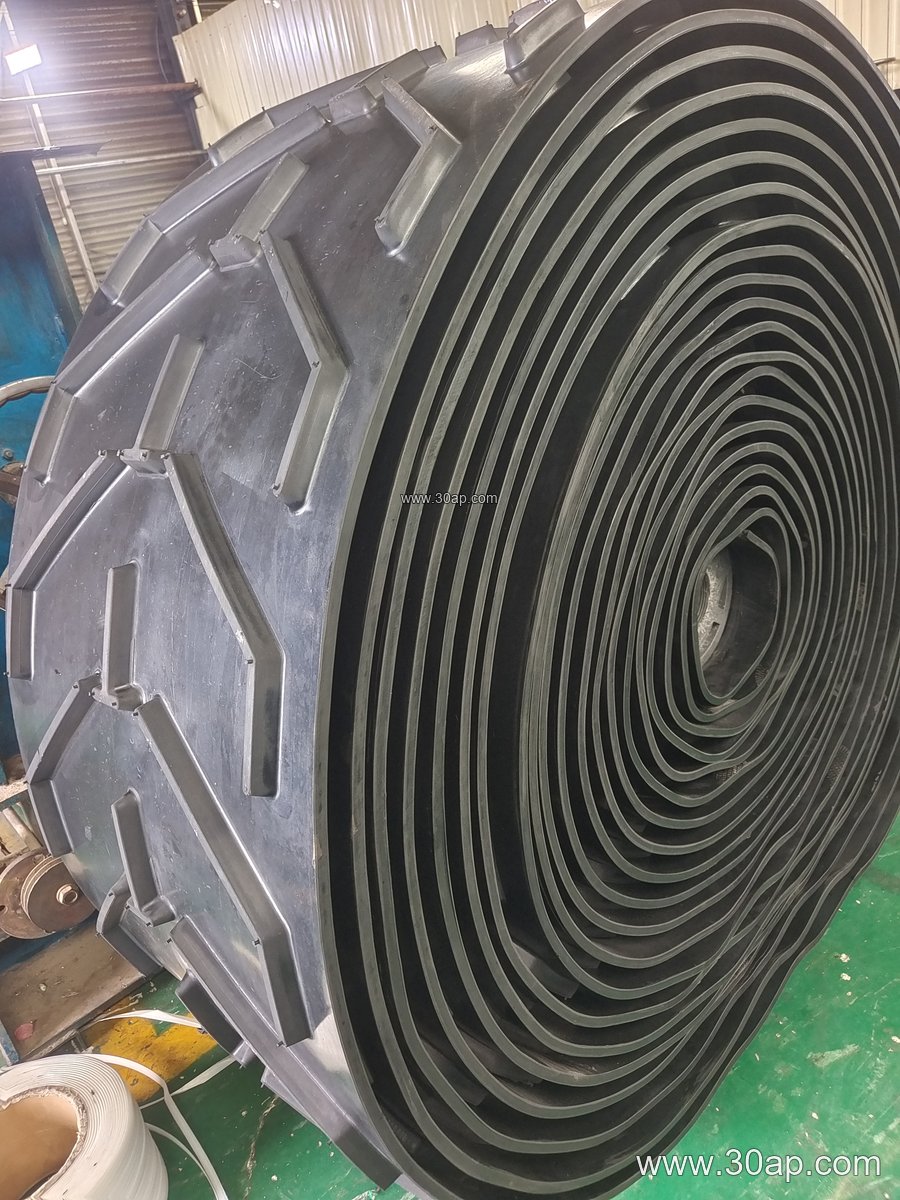
The EP1000 conveyor belt is typically built from multiple plies of EP fabric embedded in rubber. Common constructions use 2 to 6 plies, depending on the load and the pulley diameters. The top and bottom covers protect the carcass from wear, impact, and moisture; typical cover thicknesses include 4+2 mm, 5+2 mm, 6+2 mm, and 8+3 mm. The rubber compound can be selected for specific duties: abrasion resistant for quarry and aggregate work, heat resistant for cement and steel plants, flame retardant for coal mining, and oil resistant for recycling or machining environments. An anti-static option is available for areas where static buildup is a concern. The belt may also be produced with chevron profiles, corrugated sidewalls, or as an endless belt for specialized conveying needs.
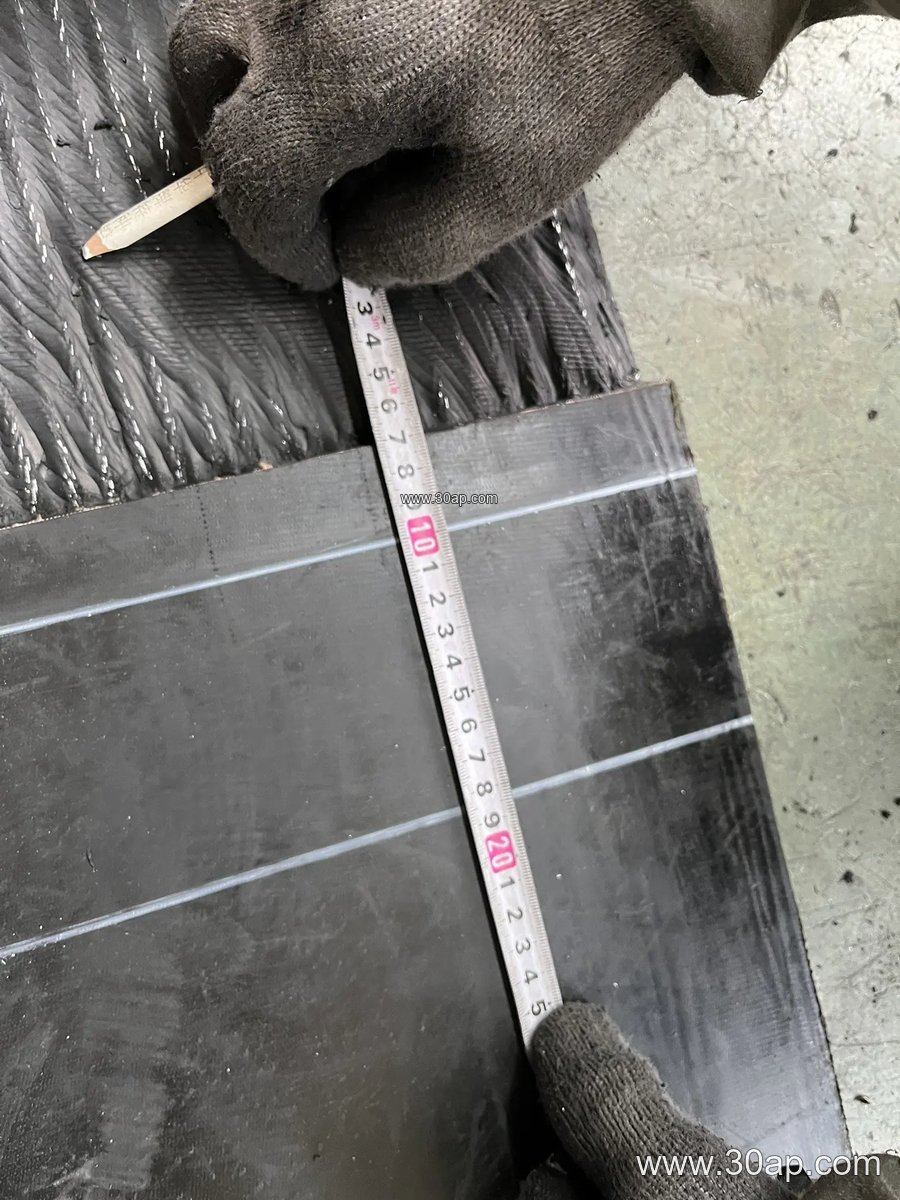
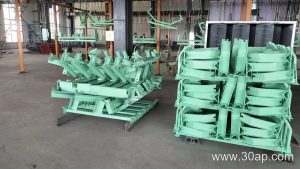
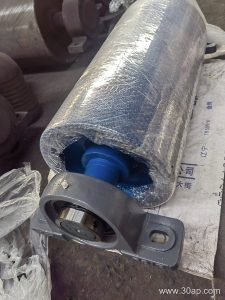
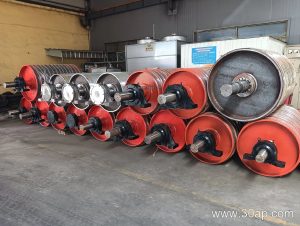
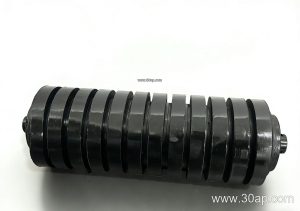
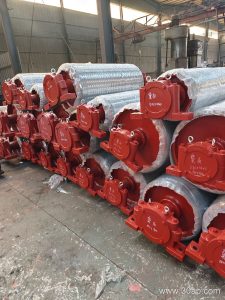
Because the carcass is fabric-based, the EP1000 belt offers good flexibility and impact resistance compared with steel cord belts. It is also lighter and easier to splice in the field, which is an advantage in underground mining and remote quarry sites. The belt is usually used with conveyor pulleys, idler rollers, and conveyor brackets that match the belt width and load. Drive, tail, and bend pulleys each have a distinct role and are not interchangeable; the belt width and tension determine the pulley face width and shaft size, not a fixed rule.
Typical Applications Across Industries
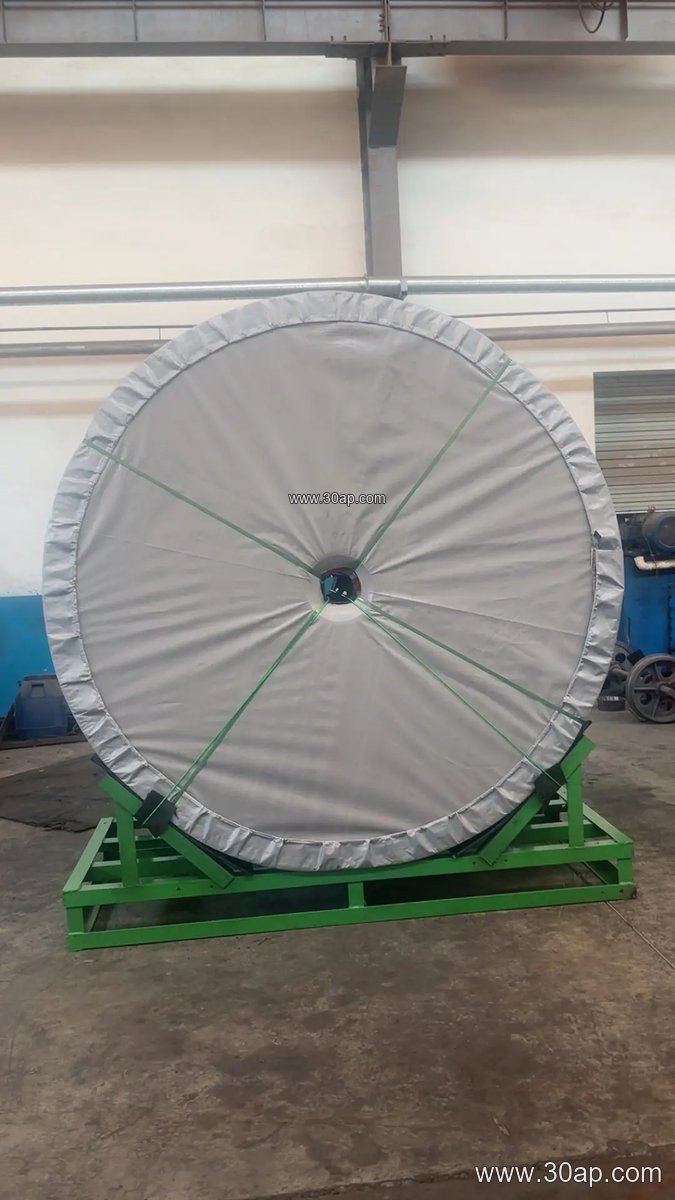
EP1000 conveyor belts are widely used in mining, coal preparation, cement plants, power stations, steel mills, and sand and gravel operations. In a quarry or stone crushing plant, the belt carries crushed rock and aggregate over long distances; the abrasion resistant cover helps extend service life. In coal mining, flame retardant and anti-static grades are common for underground coal mining conveyors. Cement plants use heat resistant versions for clinker and raw meal transport, while power plants rely on heavy-duty belts for coal and ash handling. Ports and ship loading facilities use wide belts, often 1200 mm to 1800 mm, to move bulk materials at high rates. The same belt family can be found in recycling lines and construction sites where mixed materials are conveyed.
Key Specifications and Selection Points
When specifying an EP1000 conveyor belt, buyers should consider belt width, number of plies, cover thickness, and rubber grade. The table below lists common reference values; actual supply depends on the manufacturer and the application.
| Parameter | Common Options |
|---|---|
| Belt width | B500, B650, B800, B1000, B1200, B1400, B1600, B1800, B2000 |
| Number of plies | 2 to 6 |
| Cover thickness (top+bottom) | 3+1.5 mm, 4+2 mm, 5+2 mm, 6+2 mm, 8+3 mm |
| Rubber grade | Abrasion resistant, heat resistant, flame retardant, oil resistant, anti-static, cold resistant |
Belt width should be matched to the conveyor frame and the lump size of the material. A wider belt does not automatically require a larger pulley; the pulley diameter is determined by the belt tension and the number of plies. Do not assume a fixed shaft diameter from belt width alone. For heavy-duty mining conveyors, a 1200 mm wide EP1000 belt is common, while port and bulk terminals may use 1800 mm or 2000 mm widths. The belt speed and capacity are set by the conveyor design, not by the belt alone.
Installation and Maintenance Notes
Proper alignment of the conveyor pulleys and idler rollers is essential to avoid edge damage and premature wear. The belt should be stored in a dry, shaded area and kept away from ozone sources. When splicing, follow the manufacturer’s step-by-step procedure; a poorly made splice can reduce the belt’s strength. Check the conveyor brackets and frame for loose bolts, and inspect the belt regularly for cuts, cover wear, and exposed fabric. In coal mining and underground mining, flame retardant and anti-static properties must be maintained; any repair should use compatible materials. For heat resistant belts, avoid sudden temperature shocks and ensure adequate cooling before the belt reaches the tail pulley.
EP1000 conveyor belts are also available with chevron or corrugated sidewall designs for inclined conveying, and as pipe conveyor belts for enclosed transport. These variations share the same EP carcass but add features for specific handling challenges. Buyers should request the belt data sheet, confirm the cover grade, and verify that the belt width and ply count suit the conveyor’s calculated tension. For more information on EP1000 conveyor belts, conveyor pulleys, and idler rollers, visit our website.