What a Conveyor Frame Does on a Belt Conveyor
A conveyor frame is the structural backbone that holds idler rollers, pulleys, and the moving belt in correct alignment. It carries the weight of the loaded belt and transfers that load safely into the ground or into a steel structure. In a quarry, a limestone mine, or a cement plant, the frame is often the first component inspected after a belt tracking problem appears, because even a small twist in the frame can pull the belt to one side.
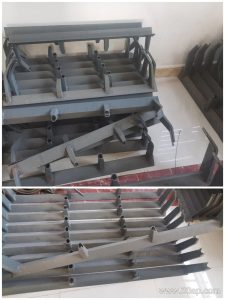
The term covers more than a single part. A complete frame system usually includes stringers, cross beams, support legs, and brackets that position each idler roller at the required trough angle. Fixed and adjustable designs both exist, and the right choice depends on how much flexibility the operator needs during installation and maintenance.
How the Frame Is Built
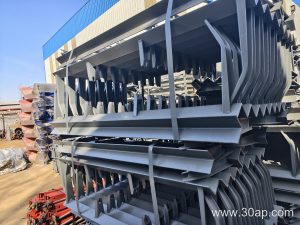
Most conveyor frames are fabricated from angle steel, channel steel, or folded steel plate. Stringers run along the belt path, while cross members hold the idler brackets at the correct spacing. The frame must resist vibration, impact from large lumps, and the constant pull of a loaded belt, so welded joints and bolt connections are usually designed with a safety margin rather than a minimum thickness.
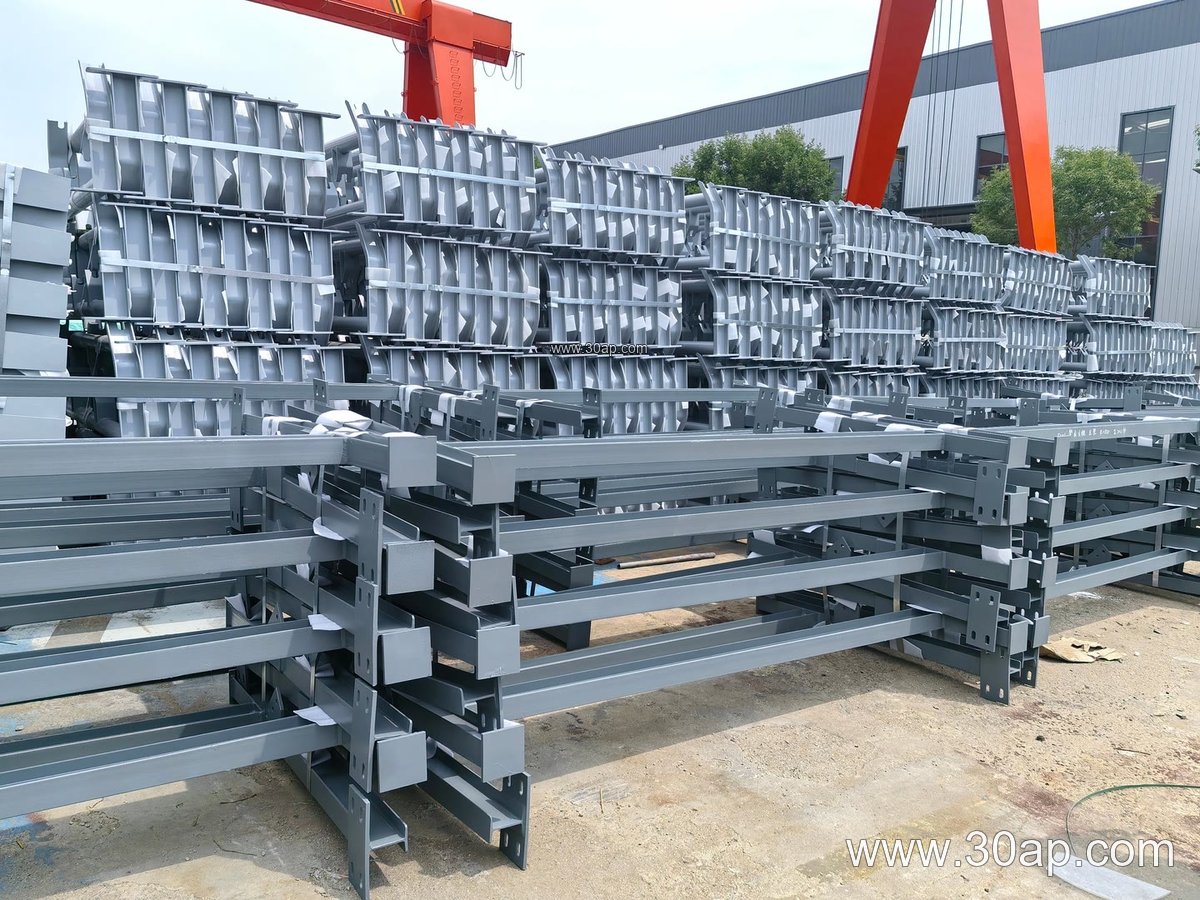
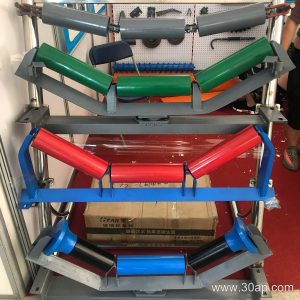
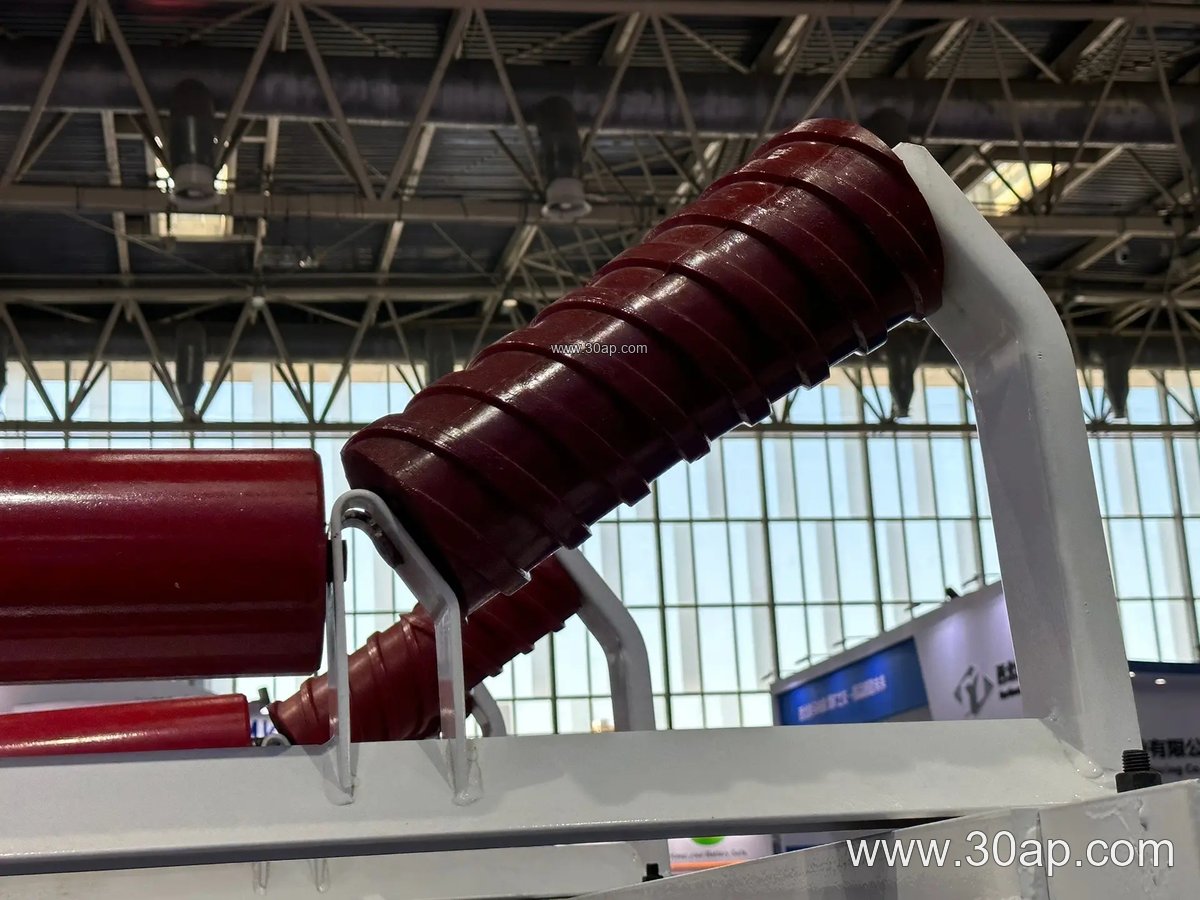
The frame also sets the trough profile. On the carrying side, a troughing bracket positions three idlers to form the trough; on the return side, a flat or V-shaped bracket supports the belt. Transition brackets near the head and tail pulleys guide the belt from flat to troughed shape gradually, which reduces edge stress on the conveyor belt.
Trough Angle, Belt Width, and Idler Diameter
The frame geometry is closely tied to belt width and idler diameter. A wider belt generally needs a longer cross beam and a larger bracket span, while a heavier load may call for a larger roller diameter. The table below shows common reference combinations; these are typical examples, not fixed rules, and final values are determined by conveyor design.
| Belt Width | Trough Angle | Idler Diameter | Typical Use |
|---|---|---|---|
| B650 | 30 degrees | Ø89 | Small aggregate or sand lines |
| B800 | 35 degrees | Ø108 | General bulk material handling |
| B1000 | 35 degrees | Ø133 | Cement plant and power plant coal lines |
| B1200 | 45 degrees | Ø133 | High-capacity quarry and ore transport |
| B1400 | 45 degrees | Ø159 | Heavy-duty mining and port systems |
Adjustable brackets allow the trough angle to be set between common values such as 20, 30, 35, and 45 degrees. Forward-leaning brackets, often around 1.5 to 2 degrees, help center the belt during operation. The mounting hole distance and beam length change with belt width and trough angle, so they should be confirmed from the drawing instead of assumed.
Where Conveyor Frames Are Used
Frames appear wherever a belt conveyor moves bulk material. In a coal washing plant, flame retardant and anti-static belts are common, and the frame must support the belt through wet and dusty conditions. In an iron ore or copper ore operation, a heavy-duty frame with impact-resistant brackets absorbs the shock of large lumps at the loading point. Port terminals and ship loading systems use long frames with carefully aligned stringers to keep a wide conveyor belt tracking over hundreds of meters.
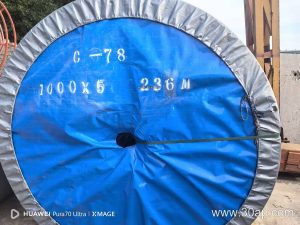
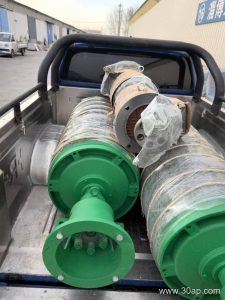
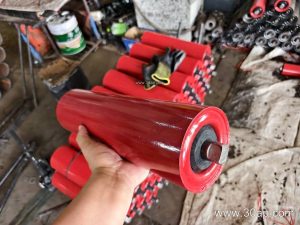
The frame also works with related components such as the conveyor pulley at the drive and tail ends, the conveyor bracket that fixes each idler, and the belt itself. A well-aligned frame reduces wear on an EP conveyor belt or a steel cord conveyor belt and helps prevent edge damage.
What Buyers Should Check
- Confirm the belt width, trough angle, and idler diameter as a set, not as separate items.
- Ask for the mounting hole distance and cross beam length for the specific frame drawing.
- Check whether fixed or adjustable brackets suit the installation and maintenance plan.
- Match frame material and coating to the site conditions, such as wet coal or abrasive ore dust.
- Review the transition and return sections together with the carrying section.
A conveyor frame that is correctly specified keeps the belt centered, extends idler roller life, and reduces downtime in demanding industries such as mining, cement, and power generation.