What a Heavy-Duty Steel Conveyor Bracket Does
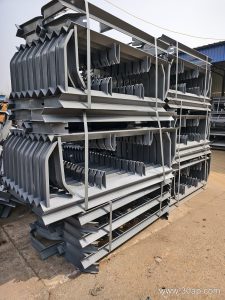
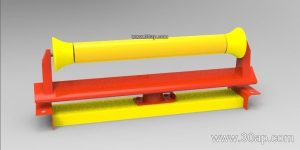
A heavy-duty steel conveyor bracket is the structural support that holds the idler roller set at the correct height, angle and alignment along a conveyor frame. It carries the weight of the conveyor belt, the material load and the rollers themselves, and it keeps the trough profile stable from the tail pulley to the drive pulley. In a quarry, a coal preparation plant or a cement plant, the bracket is often the least visible part of the line, yet it decides how well the belt tracks and how long the idlers last.
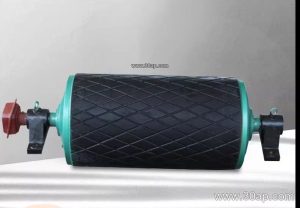
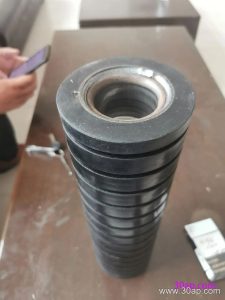
The bracket works together with the conveyor bracket frame, the roller and the belt. If the support flexes under load, the trough angle changes, the belt sags between idlers and material spills. That is why heavy-duty versions use thicker sections and stronger welds than light-duty frames.
How the Bracket Is Built
Most heavy-duty steel conveyor brackets are fabricated from angle steel, channel steel or folded steel plate. The common production route is cutting, drilling, bending and welding, followed by a surface treatment such as painting or galvanizing. Key details a buyer can check include weld quality, hole spacing accuracy and the stiffness of the cross beam.
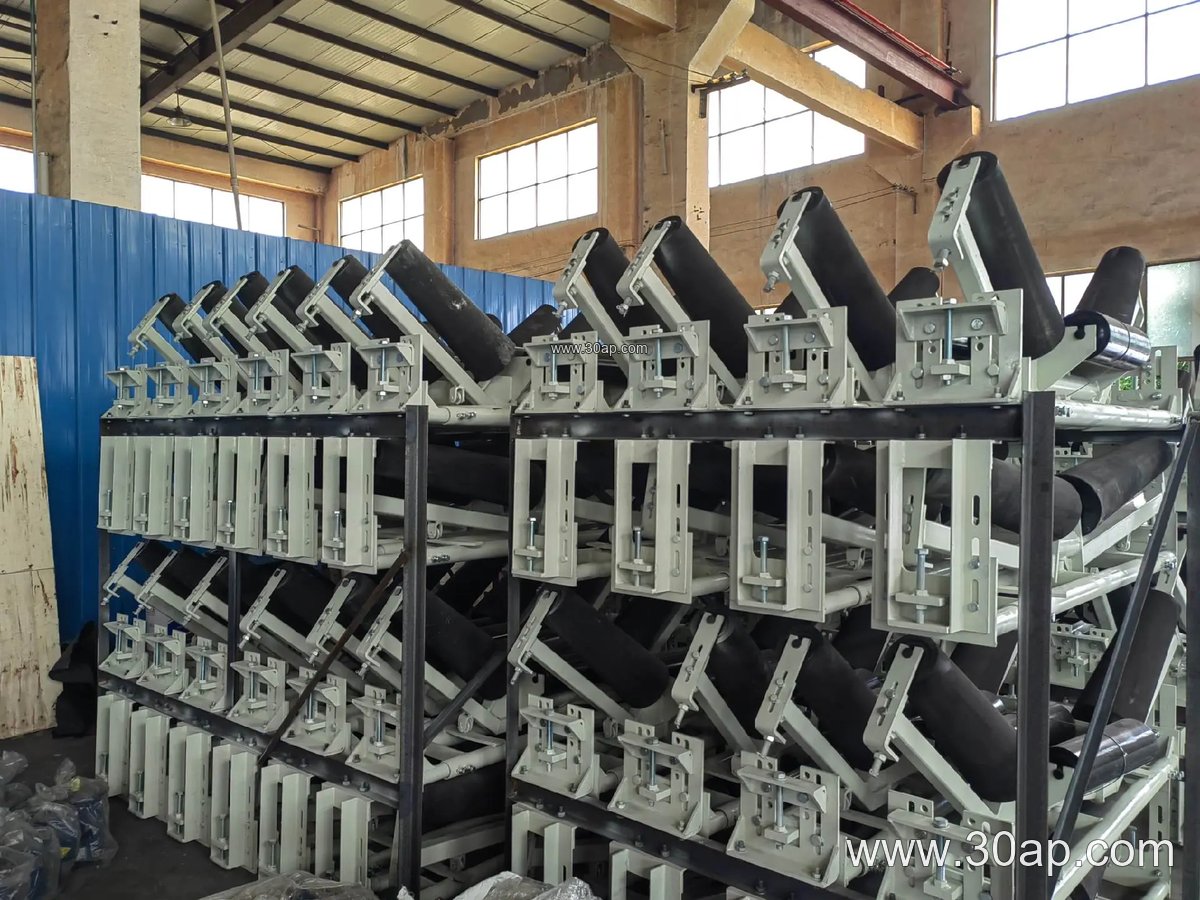
A typical bracket family includes:
- Trough bracket for the carrying side, usually set at 20, 30, 35 or 45 degrees
- Transition bracket near the tail pulley, where the belt changes from flat to troughed
- Return bracket or V-return bracket for the empty side
- Impact bracket under the loading point, often paired with impact idlers
- Self-aligning bracket for belt tracking
- Adjustable bracket that allows the trough angle to be changed on site
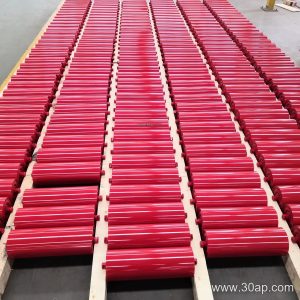
For a B800 line with a 35 degree trough and Ø108 idlers, the bracket is compact; for a B1400 or B1600 line with 45 degree troughing and Ø159 rollers, the same design must be scaled up in beam length and plate thickness. Installation hole spacing and cross beam length usually follow the belt width and trough angle rather than being fixed numbers.
Where It Is Used
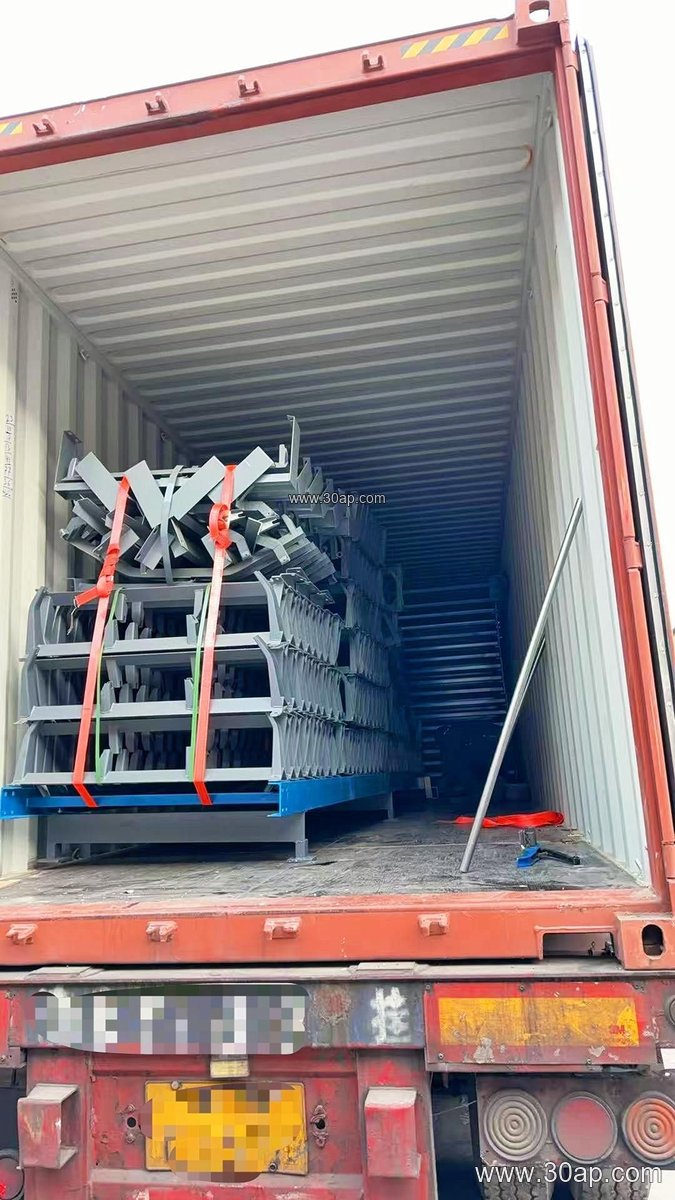
The heavy-duty steel conveyor bracket appears wherever bulk material moves continuously. In a limestone mine or aggregate crushing line, it supports the belt after the crusher, where lump size and impact are high. In a power plant coal yard, it keeps the coal conveyor belt aligned through long galleries. In a cement plant, it carries clinker and raw meal on troughed idlers. In a steel plant sinter line, heat and abrasion put extra demand on the support structure.
It is also found in sand and gravel plants, port ship loading systems and tunnel spoil handling. In every case the bracket must match the conveyor pulley layout, the belt width and the duty level of the line.
Matching the Bracket to Belt and Roller
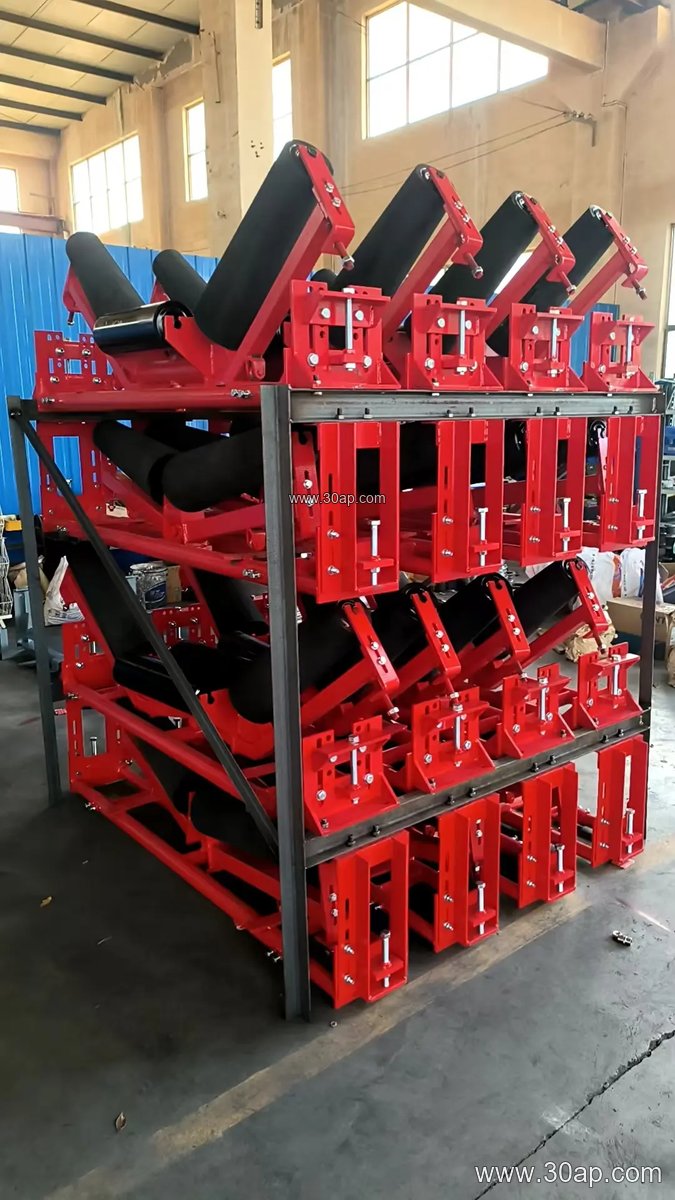
Selection starts with the belt width, the trough angle and the idler diameter. Reference data that often appears in project specifications is summarized below; actual values should be confirmed against the conveyor design.
| Item | Common Reference Range |
|---|---|
| Belt width | B500, B650, B800, B1000, B1200, B1400, B1600, B1800 |
| Trough angle | 20, 30, 35, 45 degrees; adjustable brackets cover a range |
| Idler diameter | Ø89, Ø108, Ø133, Ø159, Ø194 |
| Material | Angle steel, channel steel, folded plate |
One belt width does not lock the bracket to a single trough angle or roller diameter. A B1000 conveyor may run 30 degree troughs with Ø108 idlers in a light aggregate duty, or 45 degree troughs with Ø133 idlers in a heavy ore duty. The bracket should be chosen with the belt, the load and the pulley positions in mind, not from a single number.
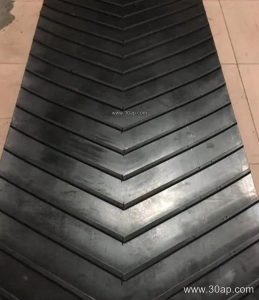
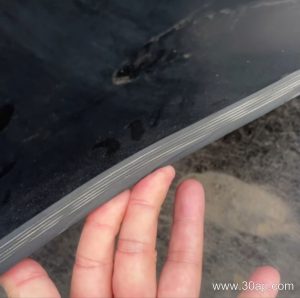
When the belt is a heavy-duty mining conveyor belt or a steel cord conveyor belt, the support structure must be stiff enough to keep the belt edge from lifting. Where a chevron conveyor belt or a corrugated sidewall conveyor belt is used, check that the bracket and idlers leave clearance for the cleats or sidewalls.
What Buyers Should Check
- Confirm the bracket type: trough, transition, return, impact or self-aligning
- Match the trough angle to the belt width and material
- Check the roller diameter and the mounting hole spacing
- Review steel thickness, welding and surface treatment
- Ask whether an adjustable version is needed for on-site tuning
- Confirm compatibility with the conveyor pulley and frame
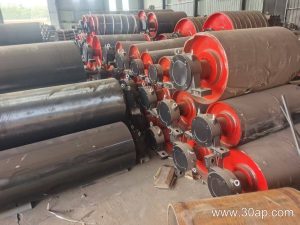
A well-chosen heavy-duty steel conveyor bracket keeps the conveyor belt, idler roller and conveyor pulley working as a system. Buyers who compare bracket drawings with the full conveyor layout usually avoid tracking problems and premature roller wear later on.