What a Ceramic-Lined Pulley Is
A ceramic-lined pulley is a conveyor pulley whose shell is fitted with ceramic tiles to resist abrasion and extend service life in demanding material handling environments. This type of pulley, also called a ceramic lagged pulley, is often specified for drive positions where slip and wear are critical concerns. Unlike standard rubber lagging, the ceramic surface combines hard, wear-resistant tiles with a rubber or adhesive matrix, providing reliable traction without frequent replacement.
Construction and Surface Options
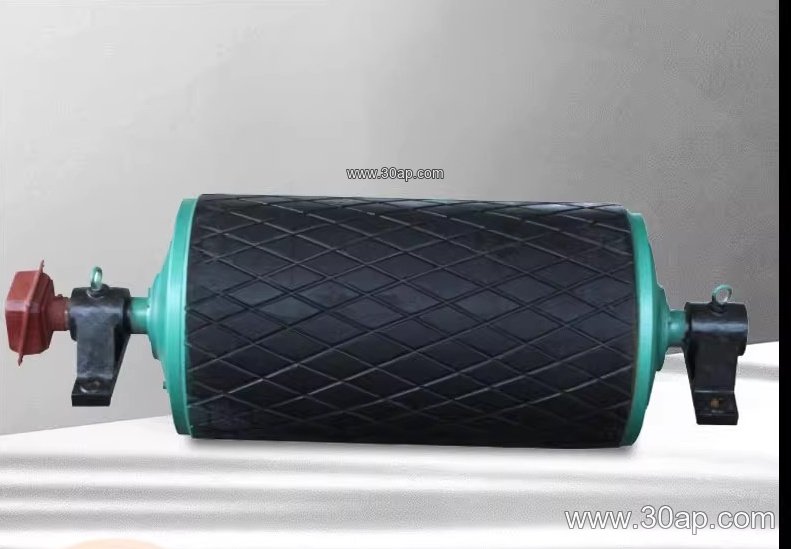
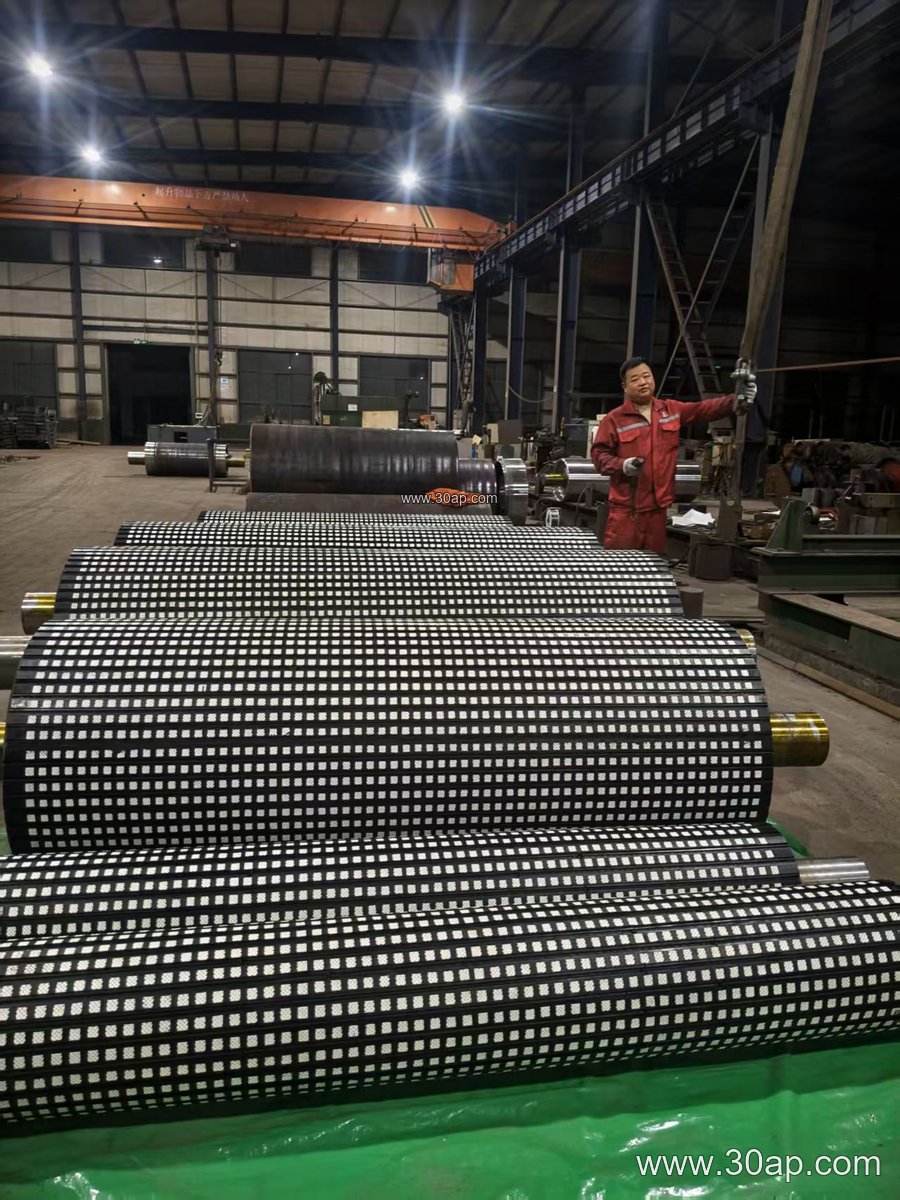
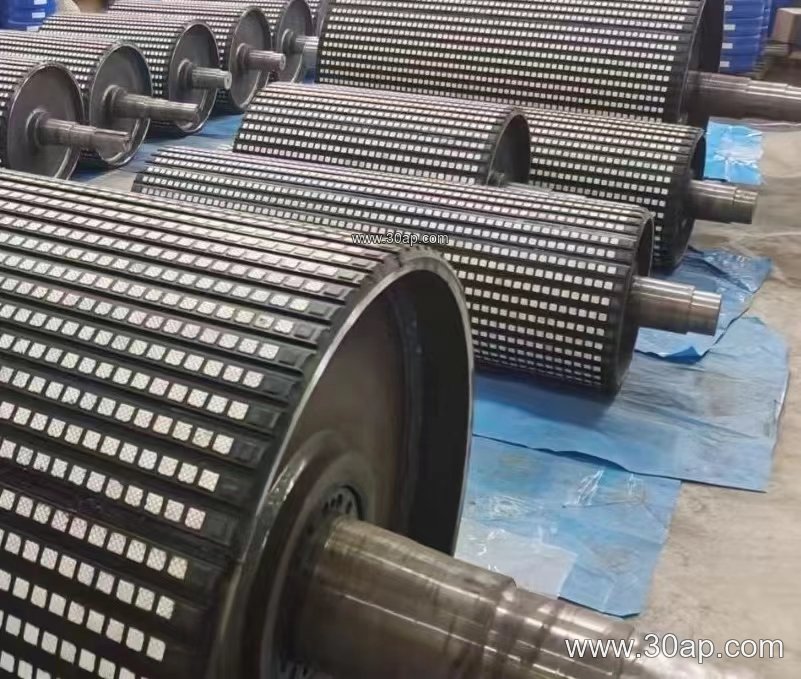
The pulley body is typically fabricated from steel, with a machined shell and welded end discs. Ceramic tiles—usually small squares or rectangles—are bonded to the shell using a vulcanized rubber layer or a cold-bonded adhesive system. Common tile thicknesses range from 8 mm to 20 mm, and the surface pattern may be flat or interlocked for enhanced grip. The ceramic lining is available in plain or grooved forms to suit different belt types. For comparison, a standard rubber-lagged pulley may use smooth or diamond-pattern rubber, but the ceramic version is chosen when abrasive materials like ore or clinker cause rapid wear.
Key Components
- Steel shell and end discs
- Ceramic tiles (alumina-based, typically 92–95% Al2O3)
- Rubber or adhesive bonding layer
- Shaft, bearings, and locking assembly
Where Ceramic-Lined Pulleys Are Used
These pulleys are common in the mining and quarrying industries, particularly in iron ore, copper ore, and coal handling circuits where sharp, abrasive materials shorten the life of conventional lagging. They are also found in cement plants handling clinker and limestone, power plants moving coal, and port facilities transferring bulk cargo. In these settings, a ceramic-lined pulley often serves as a drive pulley or bend pulley, while a tail pulley may use a different lagging type depending on the duty. The ceramic surface is also beneficial in dusty or wet conditions where slip resistance is needed.
Selection and Sizing Considerations
Choosing a ceramic-lined pulley involves matching the pulley diameter and face width to the conveyor belt width and the required torque. Common belt widths such as B800, B1000, and B1200 are frequently paired with pulley diameters from Ø500 to Ø1000, but the final combination depends on belt tension and load. For example, a B1200 belt might use a Ø800 or Ø1000 ceramic-lined pulley, while a B800 system could use a Ø500 or Ø630 pulley. The shaft diameter is determined by torque and load calculations, not by belt width alone; common shaft sizes include Ø80, Ø100, and Ø120. The table below lists typical reference values for ceramic-lined pulleys, but these are not fixed rules.
| Belt Width (mm) | Pulley Face Width (approx. mm) | Common Pulley Diameter (mm) | Typical Shaft Diameter (mm) |
|---|---|---|---|
| B500 | 600 | Ø320–Ø500 | Ø60–Ø80 |
| B650 | 750 | Ø400–Ø630 | Ø70–Ø90 |
| B800 | 950 | Ø500–Ø800 | Ø80–Ø100 |
| B1000 | 1150 | Ø630–Ø1000 | Ø90–Ø120 |
| B1200 | 1400 | Ø800–Ø1250 | Ø100–Ø140 |
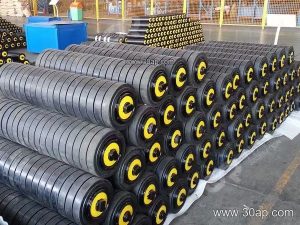
When selecting, consider the conveyor belt type—an EP conveyor belt or steel cord conveyor belt may require different traction characteristics. A heavy-duty mining conveyor belt with high abrasion resistance can benefit from the ceramic lining, especially at the drive pulley where slip is most likely. Also, ensure the pulley is compatible with the conveyor bracket and idler roller arrangements to avoid misalignment.
Maintenance and Buyer Tips
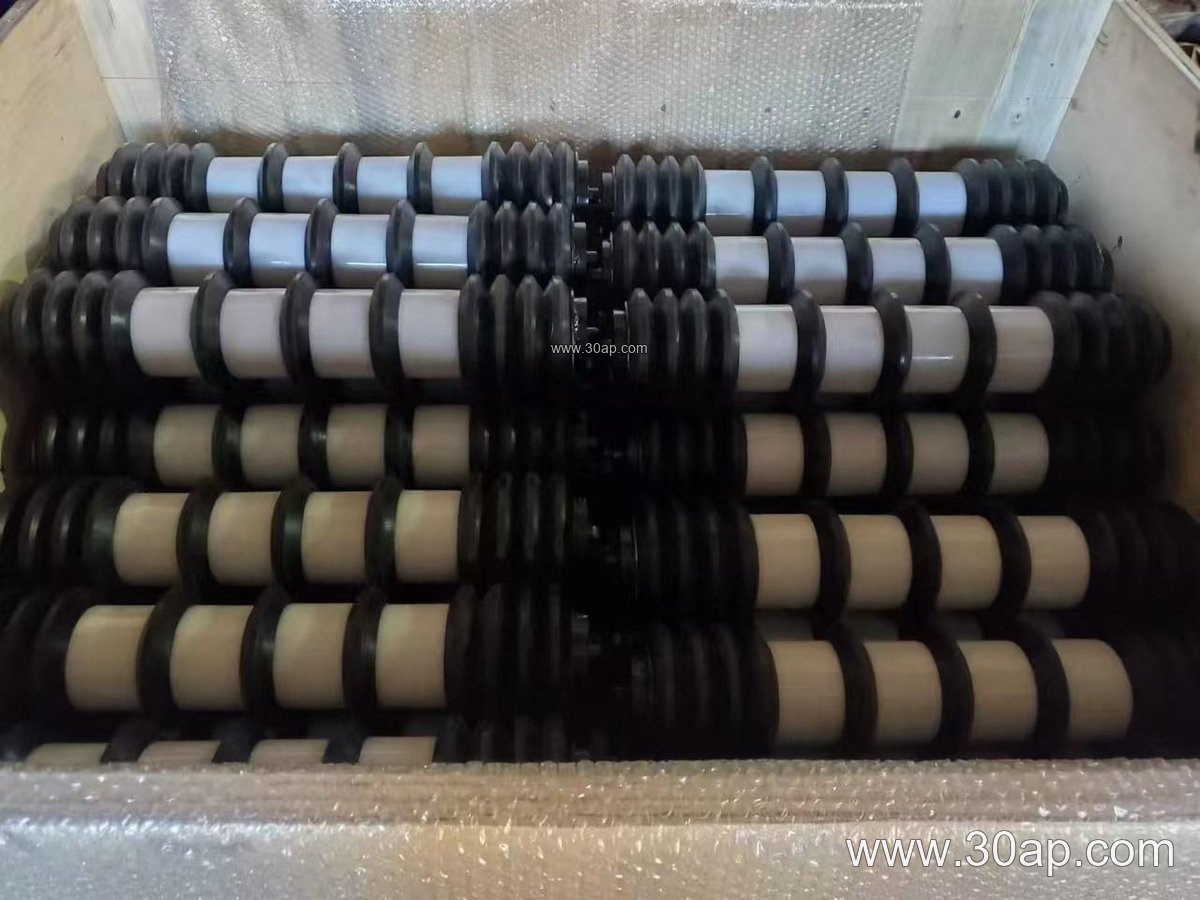
Ceramic-lined pulleys are designed for long service intervals, but regular inspection of the tile bonding and surface wear is recommended. Look for cracked or missing tiles, which can reduce traction and damage the belt. Keep the pulley clean and aligned to prevent uneven wear. When purchasing, ask for the ceramic tile specification, bonding method, and dynamic balance report. Verify that the pulley diameter and face width match your conveyor belt width and that the shaft size is calculated for your actual load. Avoid assuming that a certain belt width automatically dictates a specific shaft diameter; always confirm with engineering calculations. For systems using heat resistant conveyor belt or flame retardant conveyor belt, ensure the ceramic lining does not interfere with the belt’s properties. Finally, consider the overall conveyor pulley assembly, including bearings and locking devices, to ensure reliable operation.