What the ST1600 Conveyor Belt Is
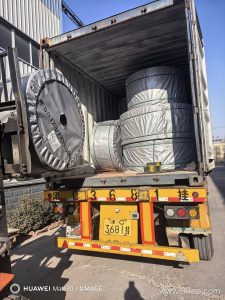
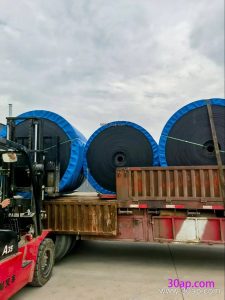
The ST1600 Conveyor Belt is a steel cord conveyor belt with a nominal breaking strength of 1600 N/mm. It belongs to the ST series, where the number indicates the belt’s tensile strength class. This Steel Cord Conveyor Belt is built for long-distance, high-capacity hauling in demanding industries such as mining, cement, power generation, and port handling. Unlike fabric-core belts, the ST1600 relies on steel cords as the tension-bearing skeleton, giving it high strength with relatively low elongation.
When buyers search for a High Strength Conveyor Belt for a main haulage line, the ST1600 is often compared with other steel cord classes like ST1250 and ST2000. It sits in the mid-to-high range, making it suitable for heavy-duty mining conveyor systems and bulk material transport where reliability matters.
Construction and Key Components
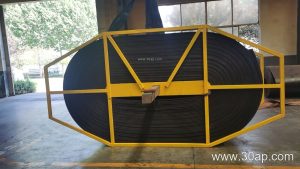
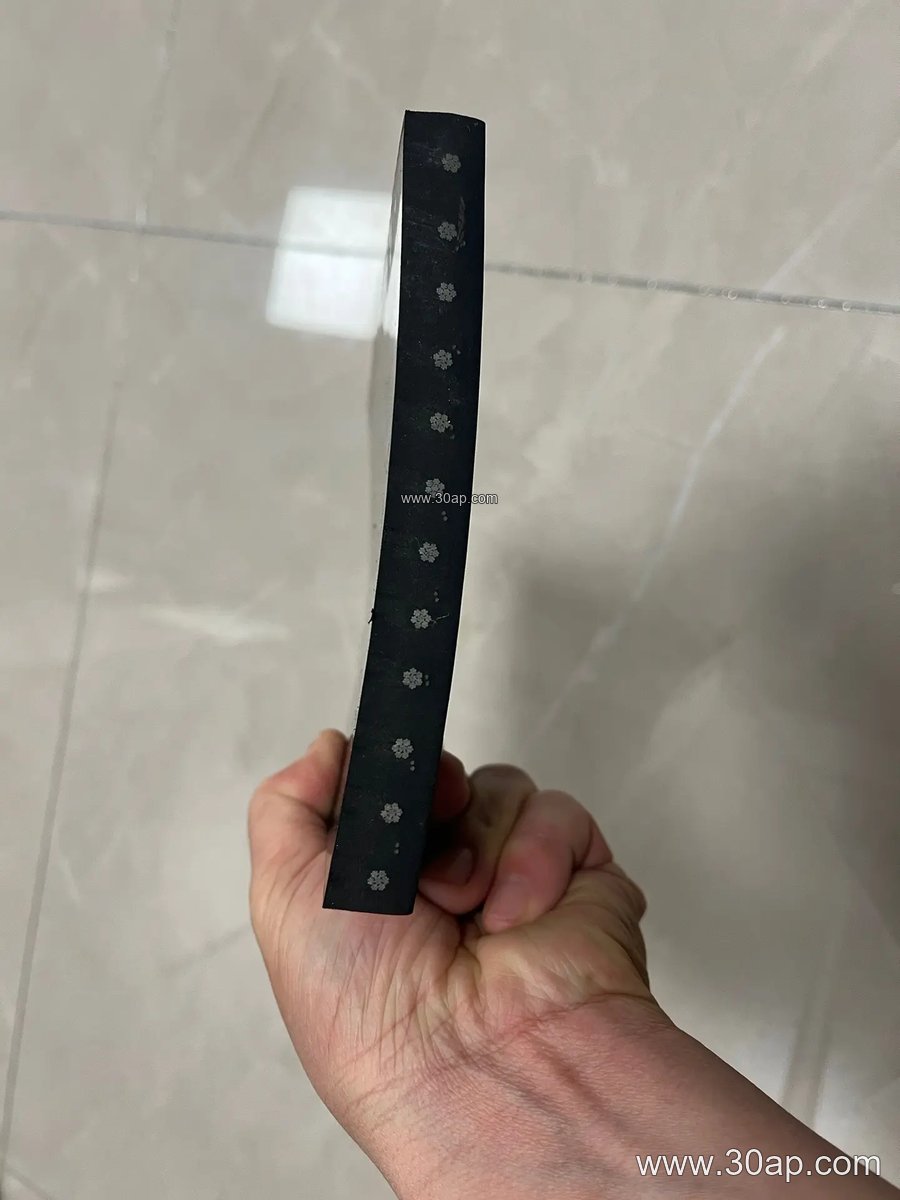
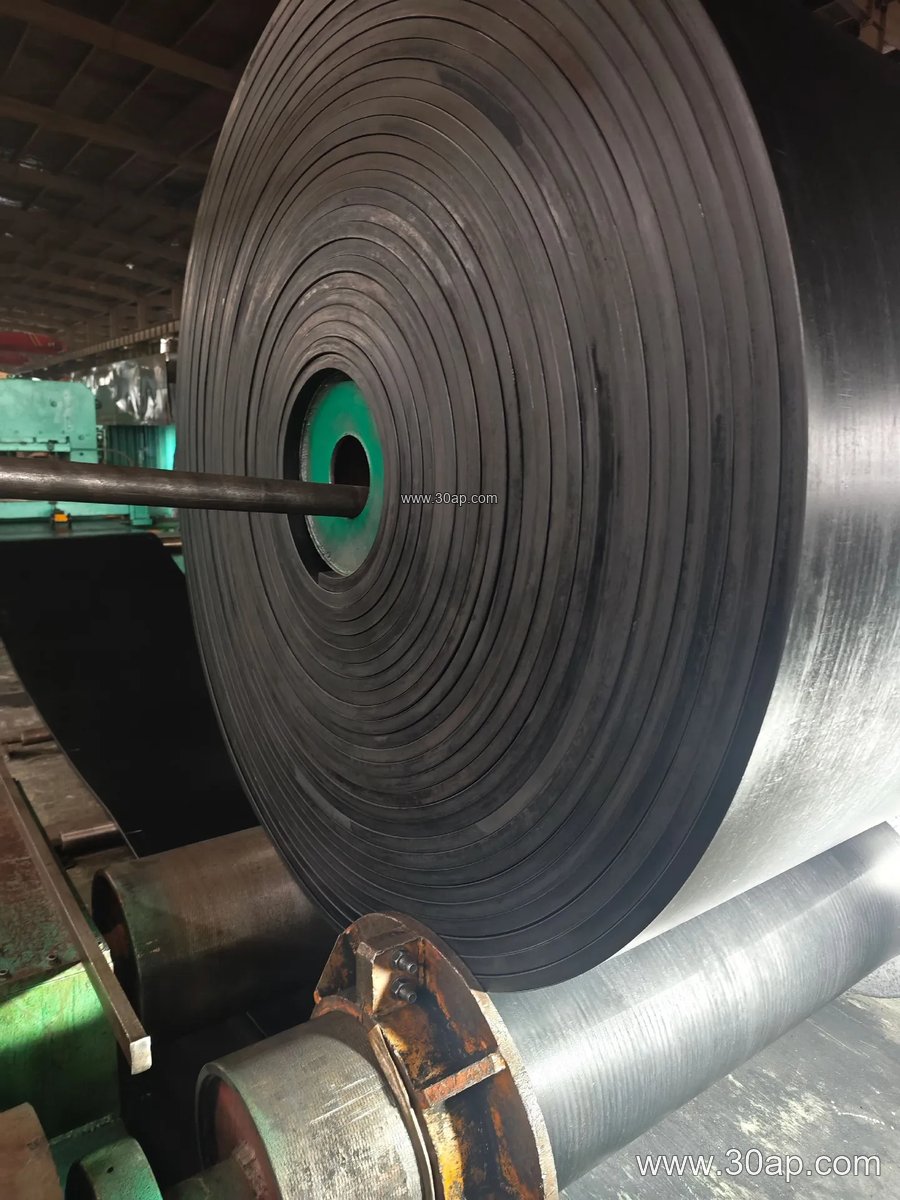
The ST1600 belt consists of parallel steel cords embedded in a rubber matrix, covered by top and bottom cover rubber. The cord layer provides tensile strength, while the cover rubber protects against abrasion, impact, and environmental factors. Common cover thickness combinations include 6+2 mm, 8+3 mm, and others, depending on the duty. The belt edge is usually protected by a rubber selvage to prevent cord exposure.
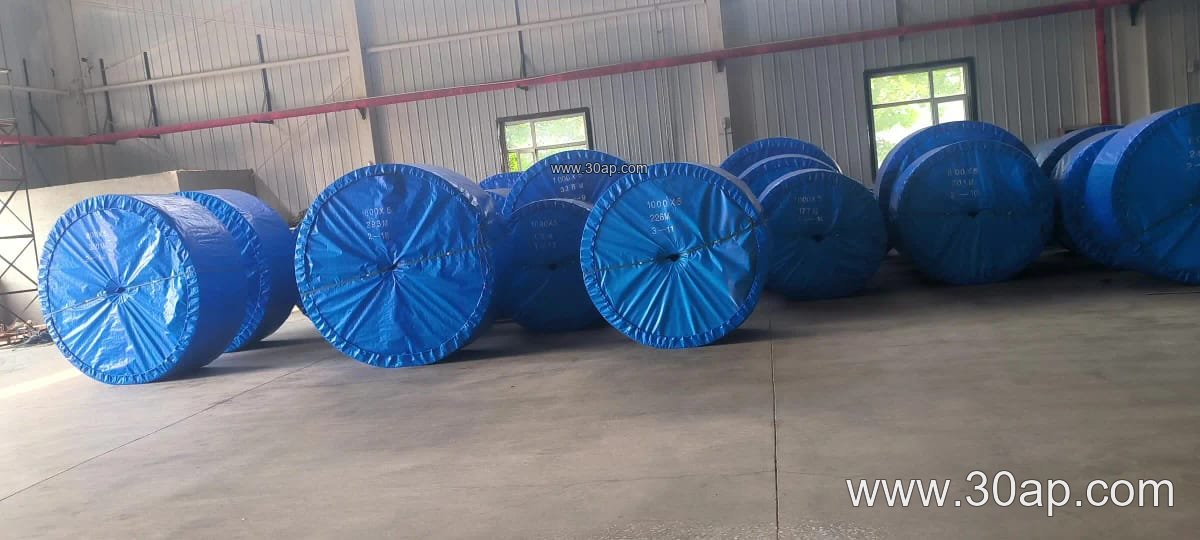
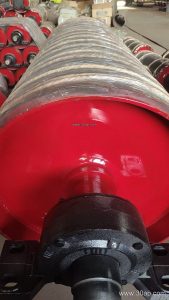
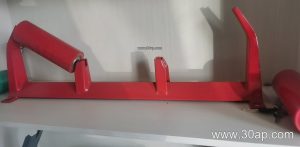
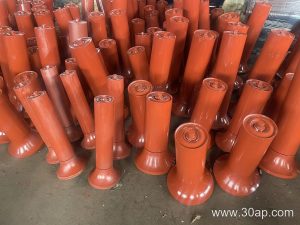
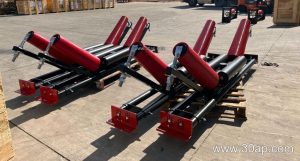
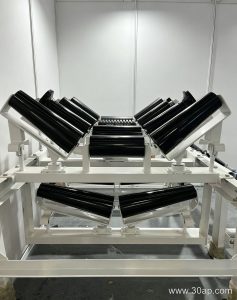
In a typical conveyor system, the ST1600 belt runs over a conveyor pulley at the drive and tail ends, supported by idler roller assemblies and mounted on a sturdy conveyor bracket. These components must be matched to the belt’s tension and load. For instance, a 1200mm wide ST1600 belt might be used with a drive pulley of suitable diameter, but the pulley size is determined by system design, not by belt width alone.
Where It Is Used
Typical applications for the ST1600 Conveyor Belt include:
- Main haulage in underground coal mining and open-pit mines
- Clinker and raw material transport in cement plants
- Coal handling in power plants
- Ore transport in iron ore, copper ore, and gold mining operations
- Bulk material handling at ports and ship loading facilities
- Quarry and aggregate conveyor lines
In these settings, the belt often works alongside other equipment such as a rubber conveyor belt for secondary lines or an EP conveyor belt for lighter duties. However, the ST1600 is chosen when high tensile strength and low stretch are required, especially on long inclines or high-tonnage routes.
Available Specifications and Variations
ST1600 belts are available in various widths and cover grades to suit different operating conditions. Common widths include 800mm, 1000mm, 1200mm, 1400mm, 1600mm, and 1800mm, though wider or narrower sizes can be produced. The table below shows typical reference values; actual supply depends on the manufacturer and project requirements.
| Parameter | Common Options |
|---|---|
| Belt width | 800, 1000, 1200, 1400, 1600, 1800 mm |
| Cover thickness (top+bottom) | 6+2 mm, 8+3 mm, 10+4 mm |
| Cover rubber grade | Abrasion resistant, heat resistant, flame retardant, oil resistant, cold resistant |
| Steel cord diameter | Typically 3.0–6.0 mm depending on design |
For special conditions, the ST1600 can be supplied with Heat Resistant Conveyor Belt covers for cement or sinter plants, Flame Retardant Conveyor Belt properties for underground coal mining, or Abrasion Resistant Conveyor Belt covers for quarry and aggregate duty. Other variants like chevron or corrugated sidewall are not standard for ST1600 but may be considered for specific needs.
Buyer’s Checklist
Before selecting an ST1600 Conveyor Belt, gather the following information:
- Required belt width and length
- Material being conveyed and its lump size, temperature, and abrasiveness
- Conveyor profile and incline angle
- Drive power and pulley diameters (to ensure compatibility)
- Environmental conditions (flammability, oil exposure, cold, etc.)
- Required cover grade and thickness
Also consider the condition of idlers and pulleys. Worn idler rollers or misaligned conveyor pulleys can shorten belt life regardless of belt quality. Proper conveyor bracket support and maintenance are equally important.
Maintenance and Handling Tips
Steel cord belts like the ST1600 require careful handling during installation to avoid cord damage. Store belts in a dry, shaded area and avoid sharp bends. Regular inspection of splice joints, cover wear, and edge condition helps prevent unexpected failures. Keep the belt tracking correctly by adjusting idlers and pulleys. In dusty environments, clean the belt and components regularly to reduce abrasion.
For high-temperature or oil-exposed applications, verify that the selected cover grade matches the actual conditions. A Heat Resistant Conveyor Belt or Oil Resistant Conveyor Belt cover may be necessary, but note that these are cover properties, not separate belt types. The ST1600 remains the core product.
For more information on conveyor belts, idlers, and pulleys, visit our website at www.example.com/conveyor-belt and www.example.com/steel-cord-belt. Our team can help you specify the right ST1600 for your mining, cement, or power plant application.