What an EP800 Conveyor Belt Is
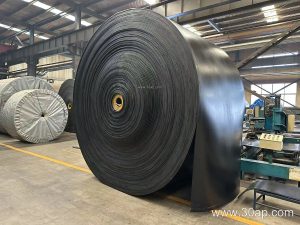
An EP800 conveyor belt is a fabric-core rubber belt built around polyester-polyamide (EP) carcass plies rated for a breaking strength of 800 N/mm per ply of nominal design. In practice, this places it in the middle-to-upper range of EP constructions, above common EP400 and EP630 grades but below heavier EP1000 and EP1250 builds. Buyers in cement plants, power stations, coal preparation facilities, quarries, and port bulk terminals often shortlist this grade when a standard EP Conveyor Belt no longer offers enough safety margin for the duty cycle.
Because the carcass is a Fabric Core Conveyor Belt rather than a Steel Cord Conveyor Belt, it offers good troughability, spliceability, and resistance to repeated flexing over comparatively small pulleys. It is not a substitute for a steel cord belt on very long, high-tension routes, but it covers a large share of medium-to-heavy conveying work.
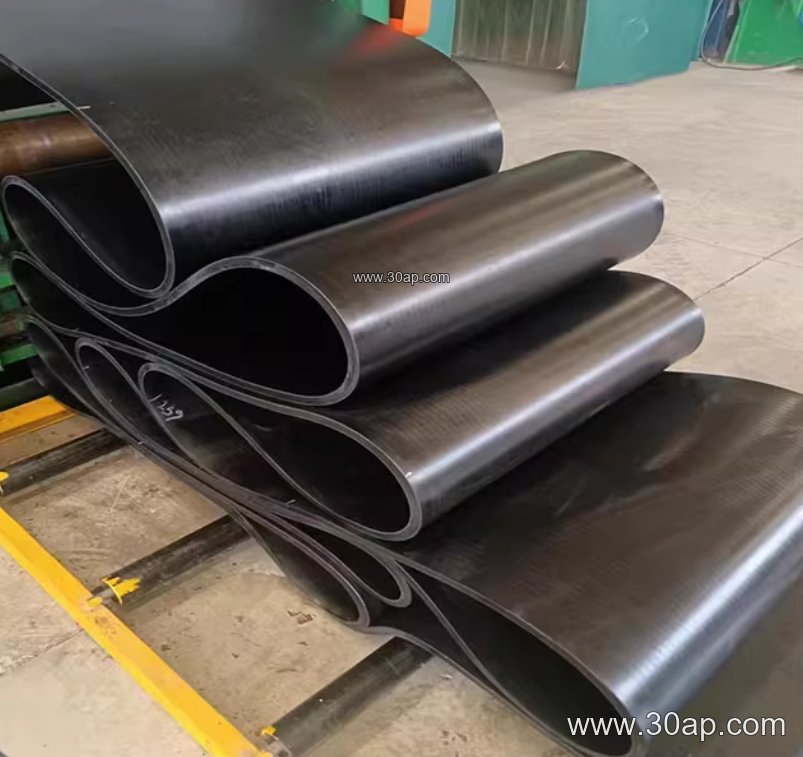
Construction and Build Options
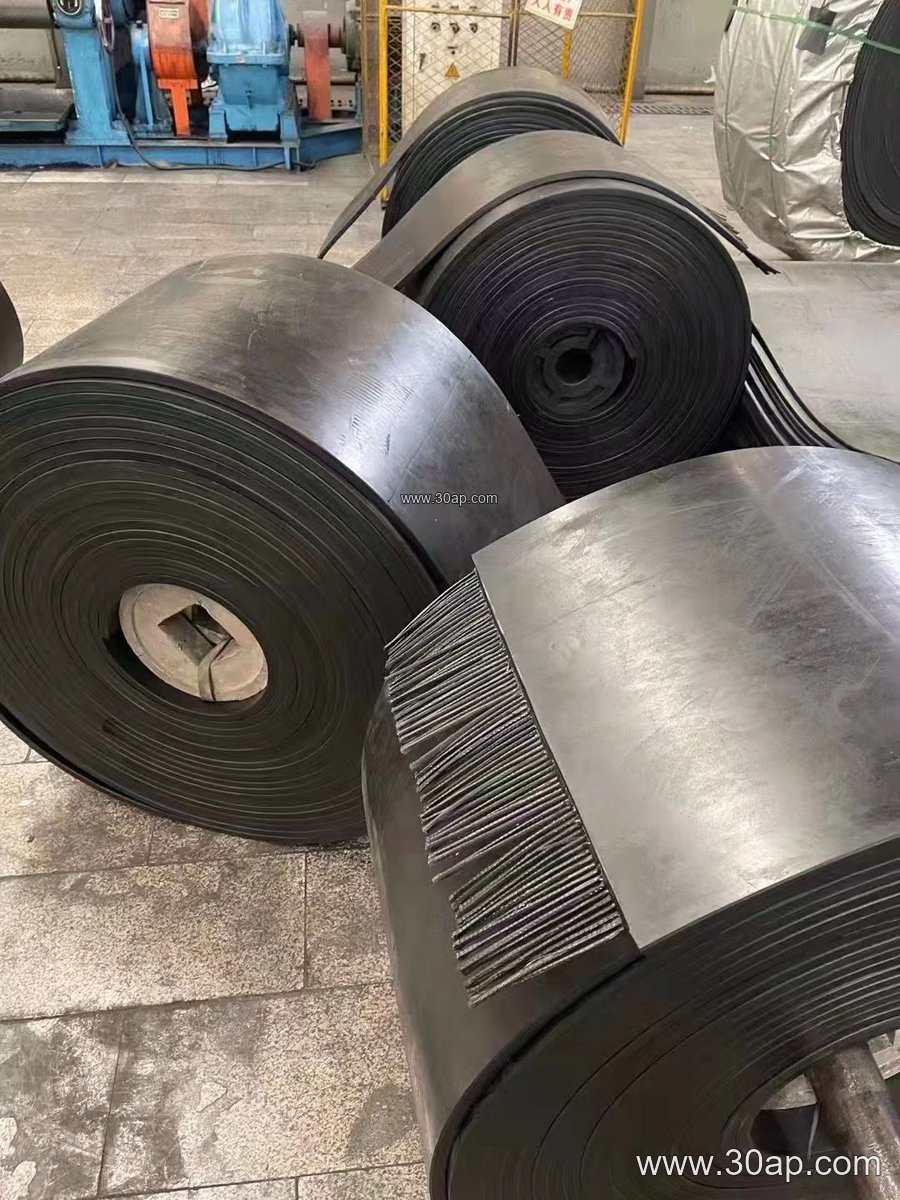
The belt usually combines 2 to 6 EP plies with skim and friction layers, topped and bottomed by rubber covers. Cover thickness is commonly quoted as a top-and-bottom pair, for example 4+2 mm, 5+2 mm, 6+2 mm, or 8+3 mm on thicker heavy-duty builds. The cover compound determines much of the service life:
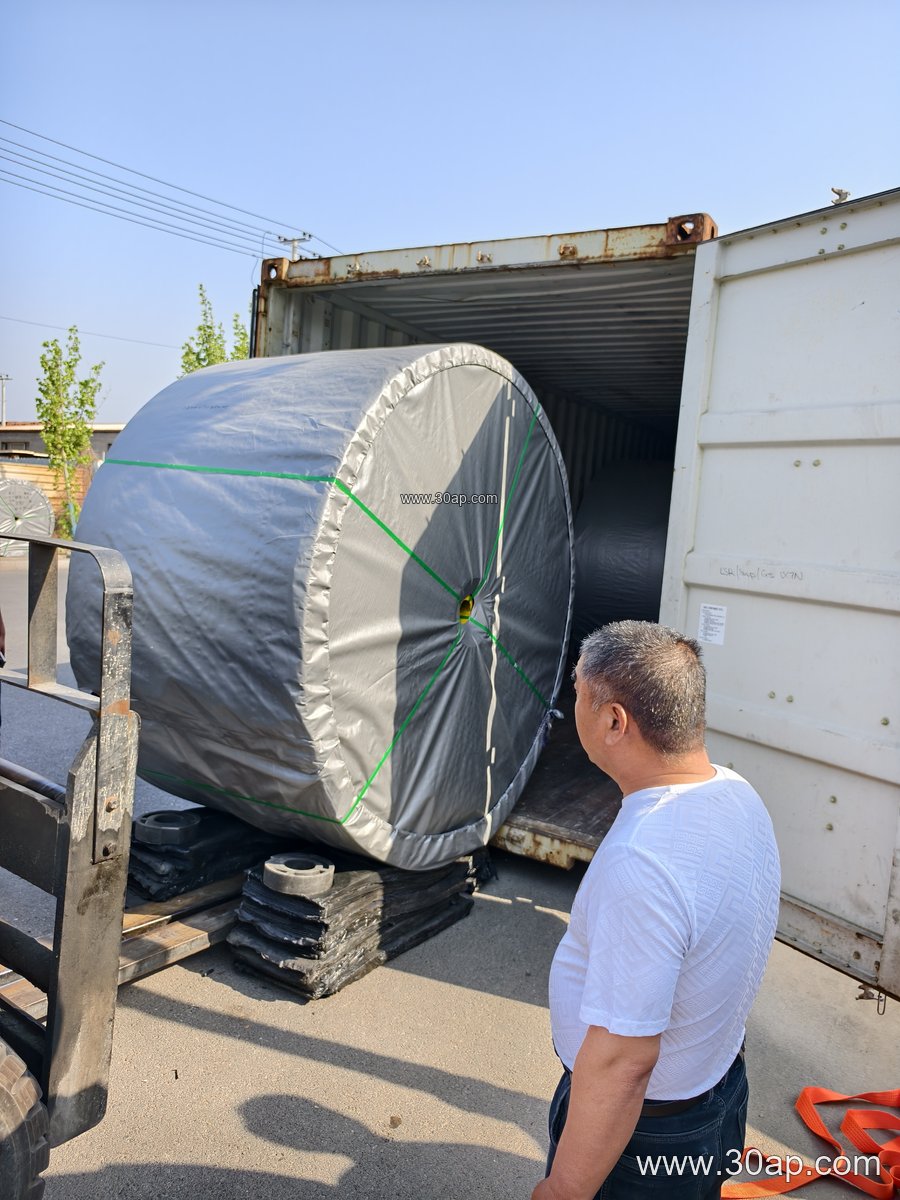
- Abrasion Resistant Conveyor Belt covers for limestone, clinker, gravel, and crushed rock
- Heat Resistant Conveyor Belt compounds for cement kiln feed and sinter-adjacent duties
- Flame Retardant Conveyor Belt and Anti-Static Conveyor Belt grades for underground coal mining conveyors
- Oil Resistant Conveyor Belt covers where lubricant or oily feedstock contact is expected
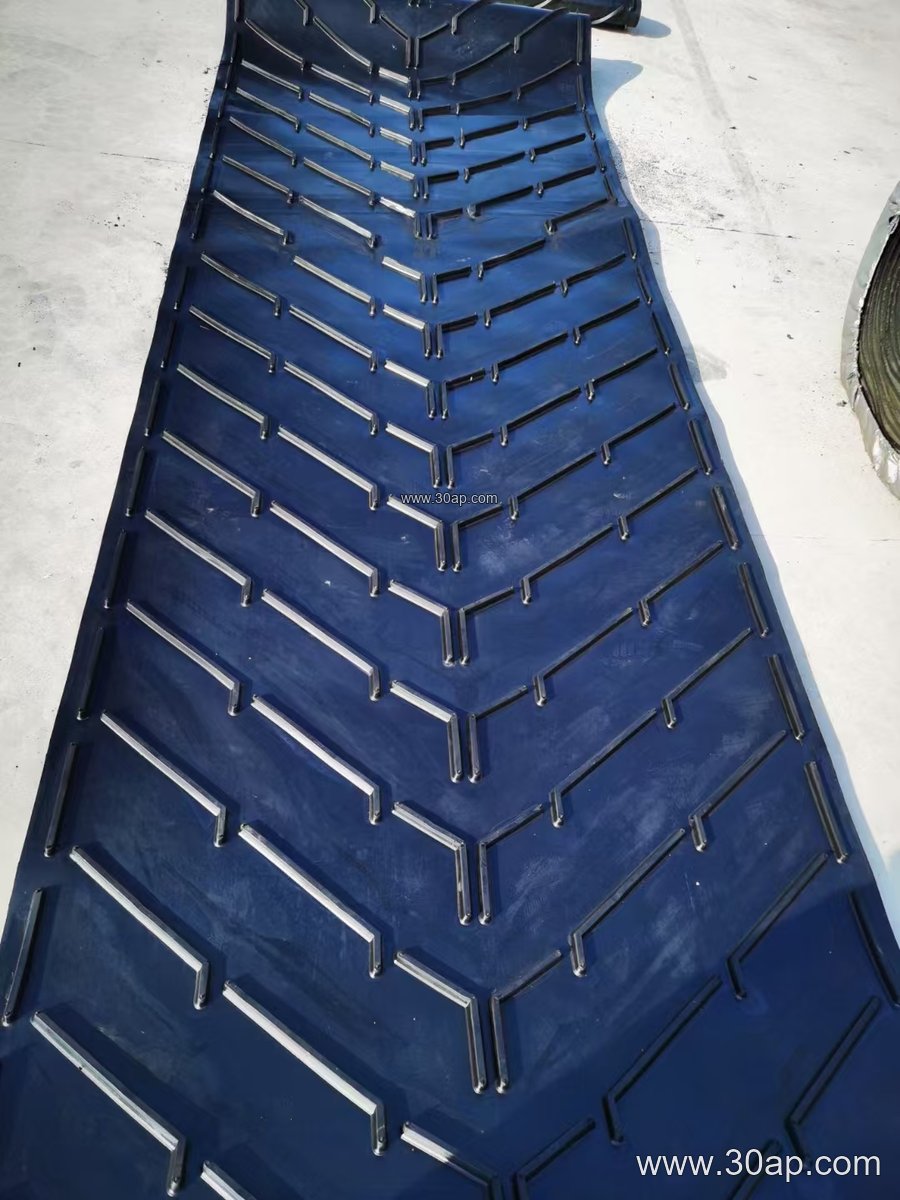
Surface forms matter too. A plain belt suits most troughed idler roller systems, while a Chevron Conveyor Belt profile helps on inclines where material would otherwise slide back. Skirted or Corrugated Sidewall Conveyor Belt versions are chosen when the route needs steep inclines or containment without a full chute structure.
Typical Sizes and Reference Data
Widths for this grade generally follow standard belt series. The table below shows common reference values; final dimensions are confirmed per application and per manufacturer.
Common Reference Values
| Parameter | Typical Options |
|---|---|
| Strength grade | EP800 (family: EP200, EP315, EP400, EP500, EP630, EP800, EP1000, EP1250, EP1600, EP2000) |
| Belt width | B500, B650, B800, B1000, B1200, B1400, B1600, B1800, B2000 |
| Cover thickness | 3+1.5, 4+2, 5+2, 6+2, 8+3 mm |
| Carcass plies | Usually 2 to 6 plies |
Note that belt width does not dictate a single pulley diameter. Drive pulleys, tail pulleys, and bend pulleys are sized from tension, wrap angle, and shaft load, not from width alone. Likewise, shaft diameter is a design output, never a fixed match to a belt width.
Where It Fits in the Plant
In a cement plant, an EP800 belt may run on clinker or raw-material conveyors where abrasion is steady but tension is moderate. In a coal mining conveyor or underground mining conveyor, flame retardant and anti-static versions are usually specified. Aggregate and quarry operations use it on crusher conveyor and screen feed lines, often with impact-resistant covers at transfer points. Power plant coal handling and port ship loading systems also rely on this grade when a Heavy-Duty Conveyor Belt is needed without stepping up to steel cord.
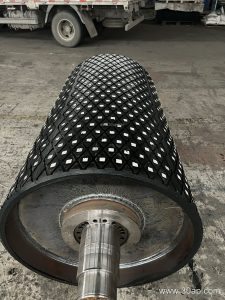
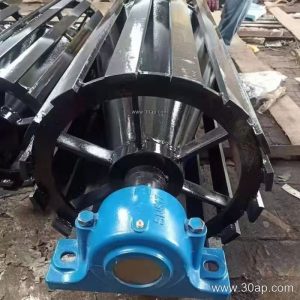
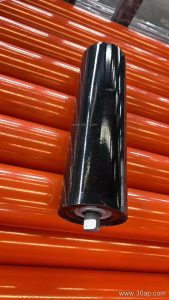
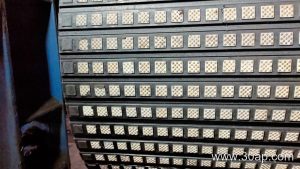
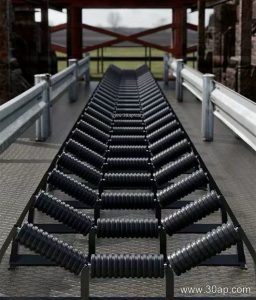
Supporting hardware matters as much as the belt itself. Troughing idler rollers set the belt profile, the conveyor pulley group transfers tension and drive, and the conveyor bracket and frame keep alignment stable. A well-matched system extends cover life and reduces edge damage.
Selection and Maintenance Notes
Match the grade to the calculated tension with a margin, then confirm cover compound against the material: hot clinker, oily scrap, or wet coal each call for a different cover. Check minimum pulley diameters with the belt supplier, and verify splice method for the chosen ply count. During operation, watch for cover wear at loading points, edge fraying, and ply separation near splices. Keep idler rollers turning freely and confirm pulley lagging condition, because a slipping drive pulley accelerates wear on the whole belt.
For more conveyor belt, idler roller, and conveyor pulley guidance, buyers can review application notes at www.beltconveyorparts.com before finalizing specifications. A correctly specified EP800 Conveyor Belt, paired with sound pulleys and rollers, delivers predictable service in demanding bulk handling environments.