What a Five-Roll Idler Bracket Does
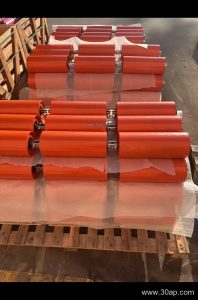
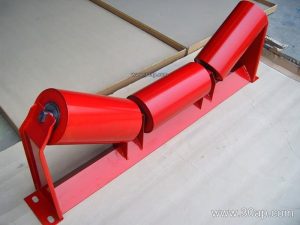
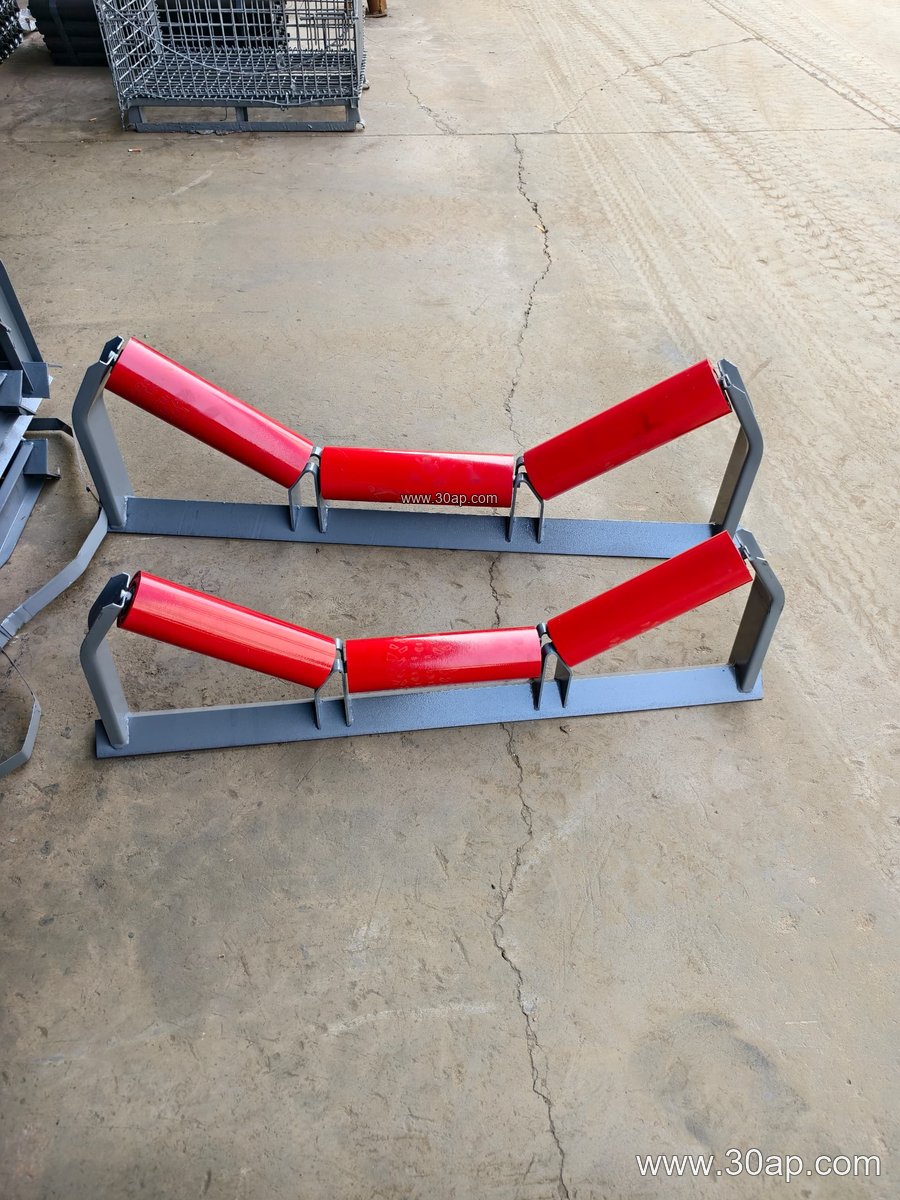
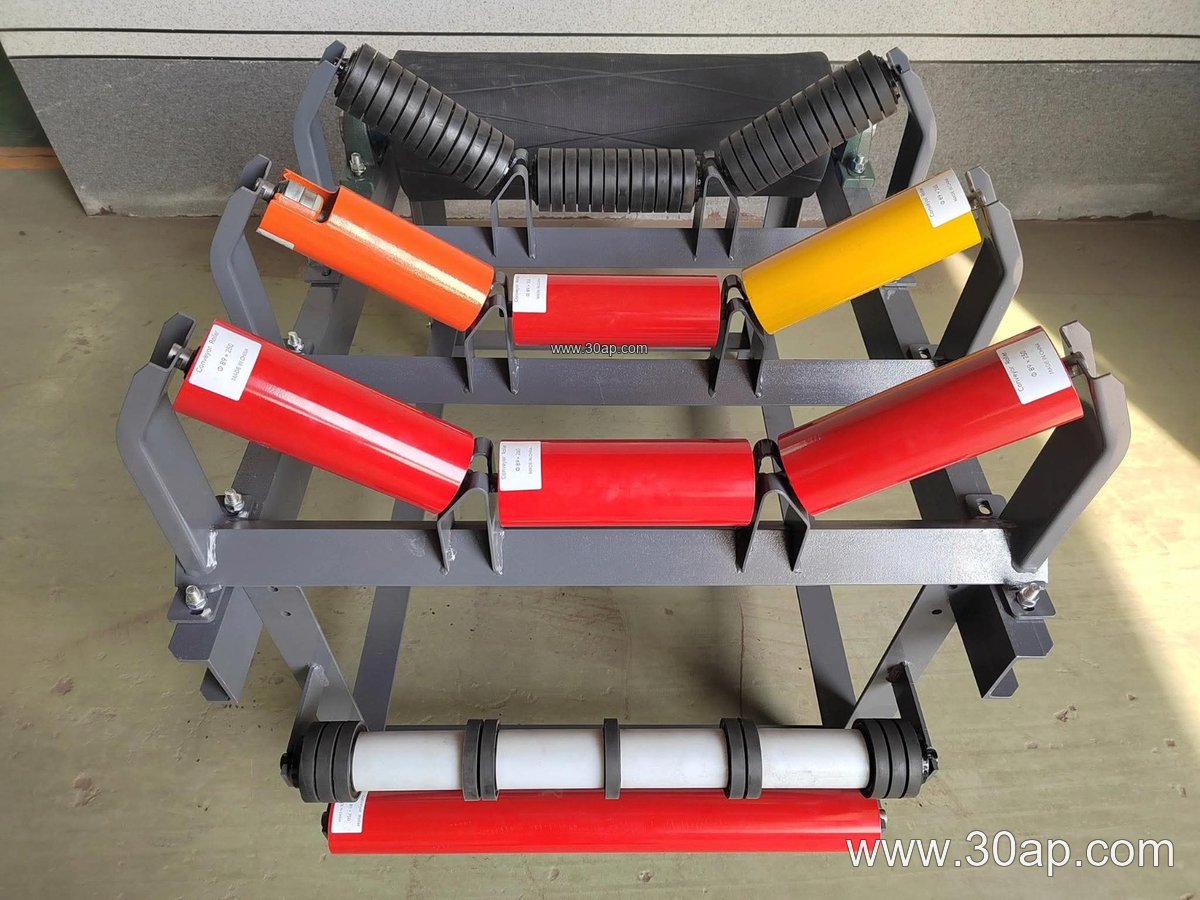
A five-roll idler bracket is a support frame that carries five idler rollers under one section of a conveyor belt. Instead of the common three-roll trough set, this bracket spreads the belt across a wider, shallower profile, which is useful when the belt is wide, the load is heavy, or the material needs extra support between the edges. The bracket keeps the rollers in a fixed geometry so the belt runs smoothly and the load stays centered. It is often seen as an upper trough bracket, but similar five-roll layouts can appear on return runs where a flatter, well-supported path is needed.
The name is sometimes shortened to five-roll bracket or five-roll idler frame. These are accurate equivalents for the same product. They should not be confused with a drive pulley, tail pulley, or bend pulley, which are different components with different jobs on the conveyor.
How the Bracket Is Built
Most five-roll idler brackets are fabricated from angle steel, channel steel, or folded steel plate. The frame has mounting slots or holes for each roller, and the crossbeam length and hole spacing are determined by belt width, trough angle, and roller diameter. A typical assembly includes:
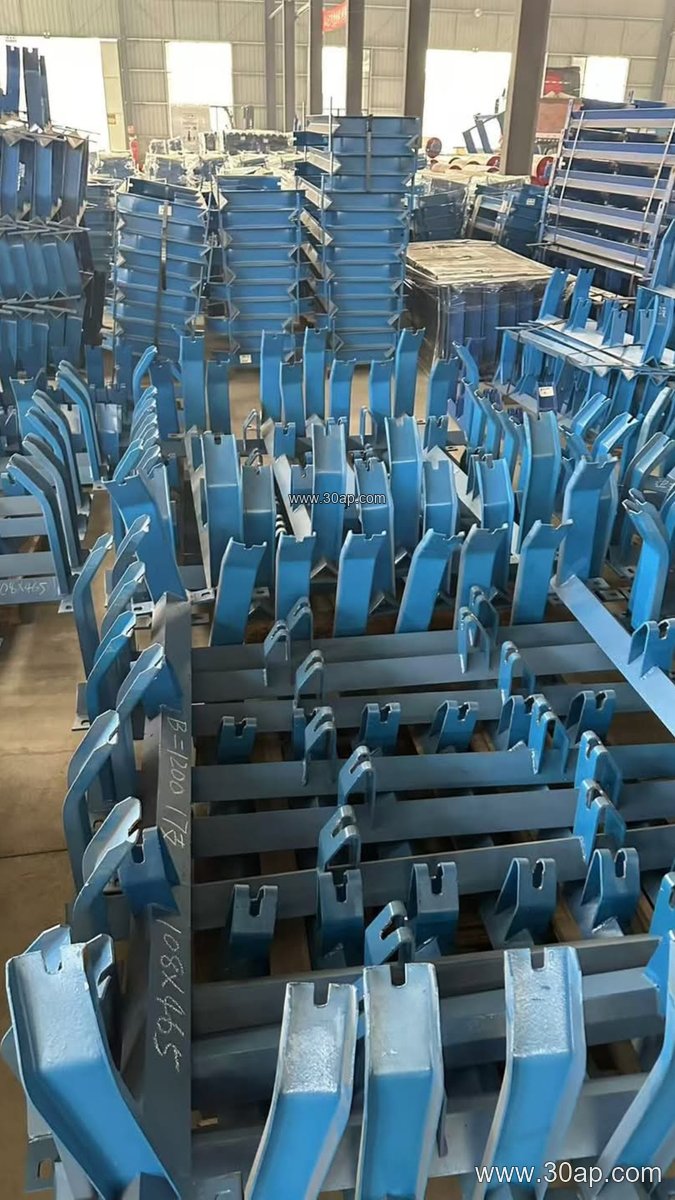
- A main crossbeam that spans the conveyor structure
- Angled end supports that set the outer roll position
- Intermediate seats for the two center rolls and the center roller
- Mounting feet or brackets for fixing to the conveyor stringer
Because the five rolls share the load, each roller carries less weight than in a three-roll arrangement of the same belt width. This can help on wide belts where a single center roll would otherwise be heavily loaded. The trade-off is more parts, more alignment points, and a frame that must be built accurately so all five rollers sit on the same plane.
Where Five-Roll Brackets Are Used
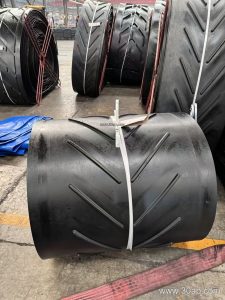
These brackets suit bulk handling lines that run wide belts and need stable belt support. In a coal preparation plant or a power station coal yard, a five-roll bracket can support a wide flame retardant conveyor belt on the main haulage section. In a limestone quarry or a crushing and screening line, the same layout helps carry a heavy abrasion resistant conveyor belt loaded with lump rock. In a cement plant, a five-roll frame may appear on clinker or raw material lines where belt width and load demand a broader support footprint.
The bracket works together with the conveyor belt, the idler roller set, and the conveyor pulley at each end of the line. A well-aligned five-roll frame reduces belt sag between rollers, which in turn helps the belt track straight and reduces spillage at transfer points.
Matching the Bracket to Belt Width and Roll Diameter
There is no single size that fits every conveyor. The table below shows common reference combinations; actual mounting dimensions follow the conveyor design.
| Belt Width | Trough Angle | Roller Diameter | Typical Use |
|---|---|---|---|
| B800 | 30 degrees | Ø89 | Medium duty aggregate line |
| B1000 | 35 degrees | Ø108 | Quarry and cement plant |
| B1200 | 35 degrees | Ø133 | Coal handling and power plant |
| B1400 | 45 degrees | Ø133 | Heavy bulk material |
| B1600 | 45 degrees | Ø159 | Wide belt, high load |
| B1800 | 35 degrees | Ø159 | Large port or mine conveyor |
Roller diameter selection is often linked to belt speed and load rather than belt width alone. A B1200 belt may use Ø108 or Ø133 rollers depending on the duty. Trough angles of 20, 30, 35, and 45 degrees are common, and adjustable brackets can be set between these angles during installation.
Fixed and Adjustable Versions
A fixed five-roll bracket holds one trough angle for the life of the installation. An adjustable five-roll bracket lets maintenance staff change the angle to suit the material or to correct belt training. Adjustable frames cost more and have more fasteners to check, but they are useful where the conveyor handles mixed loads or where the belt needs fine tuning after startup.
Buyer Checklist
- Confirm belt width and required trough angle before ordering.
- Match roller diameter to the idler set already on the line.
- Check mounting hole spacing against the conveyor stringer.
- Ask whether the frame is fixed or adjustable.
- Confirm material thickness and finish for the site conditions.
- Plan a spare frame for critical lines so a damaged bracket does not stop the belt.
On a wide EP conveyor belt or a steel cord conveyor belt installation, the five-roll bracket is a small part of the total cost but a key part of belt support. Buyers should compare the frame drawing with the existing idler rollers and conveyor pulley positions before approving the order, and should keep the bracket aligned during routine maintenance.